
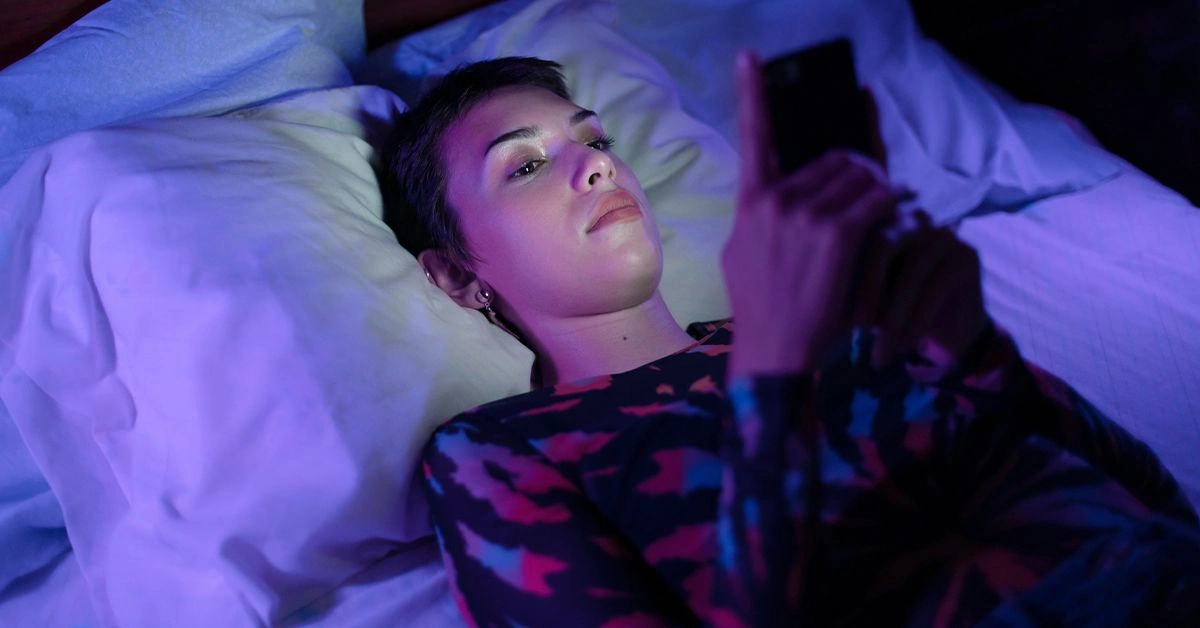
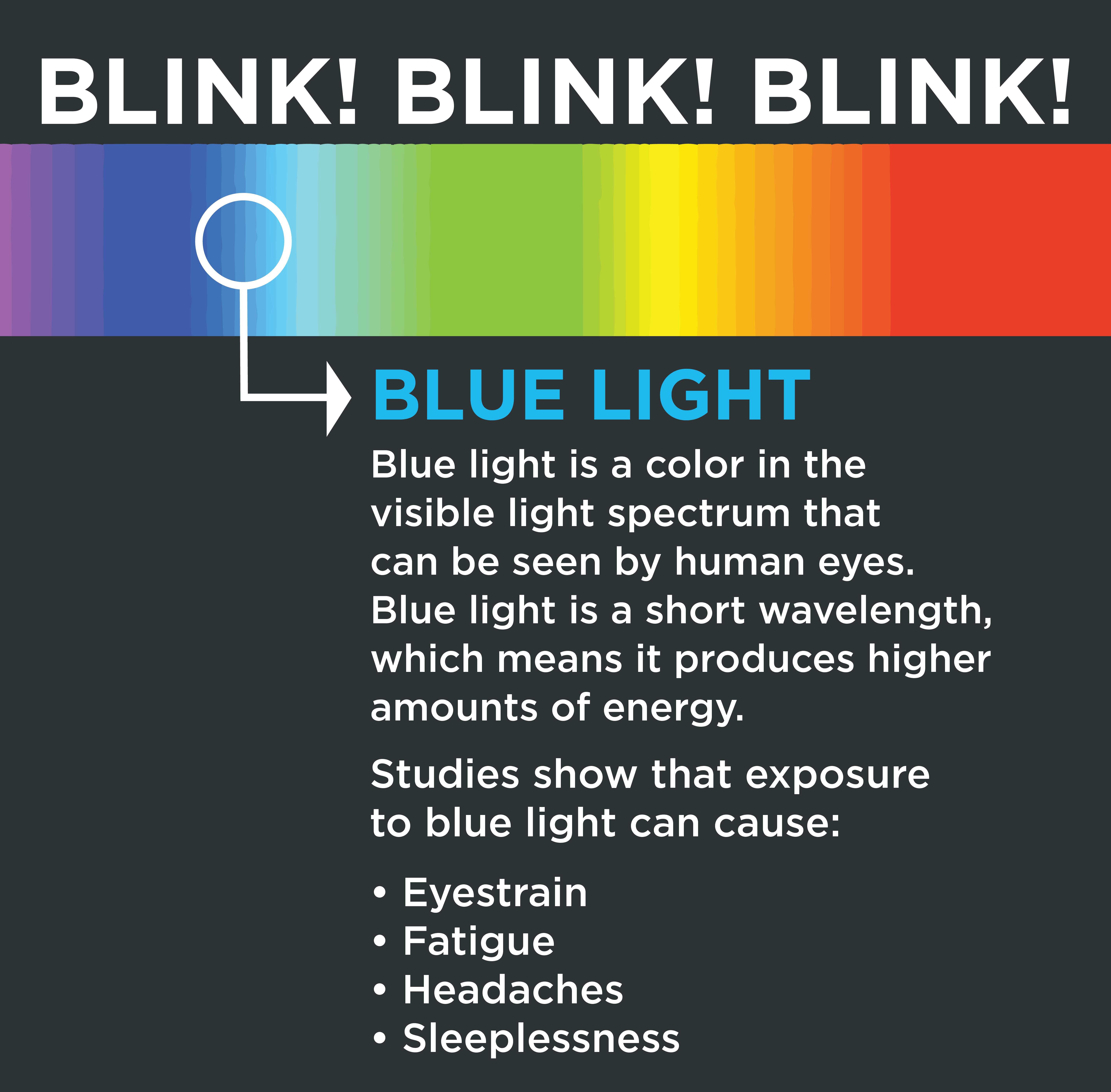
Blue light surrounds you constantly. These high-energy wavelengths come from the sun, filter through Earth’s atmosphere, and interact with photoreceptors in your eyes and skin. Increasingly, people encounter blue light from both natural and artificial sources, since LEDs in laptops, smartphones, and tablets emit blue light as well.
At present, there’s limited evidence that increased blue light exposure poses long-term health risks. Research is ongoing.
Here’s what to understand about how artificial blue light relates to conditions such as eye strain, headaches, and migraine.
Can blue light provoke headaches?
Digital eye strain (DES) refers to a set of symptoms that arise from extended use of digital screens. These symptoms include:
- headache
- dry eyes
- tired or sore eyes
- blurred vision
- neck pain
- shoulder pain
- light sensitivity
Computers, laptops, tablets, and smartphones can all trigger digital eye strain, and each of these gadgets emits blue light. That overlap has prompted some to question whether blue light itself causes DES.
To date, there’s little research indicating the light’s color is the main factor behind DES symptoms. Investigators believe prolonged near-focus tasks are more likely to be the main cause, rather than the screens’ spectral output.
Can blue light set off migraine attacks?
Photophobia, an intense sensitivity to light, affects roughly 80% of people who experience migraine. The sensitivity can be so severe that sufferers seek refuge in darkened rooms.
Studies have shown that blue, white, red, and amber lights can aggravate migraine pain and increase throbbing and muscle tension. In a 2016 study of 69 people with active migraines, only green light failed to worsen the headache. For some participants, green light actually reduced their symptoms.
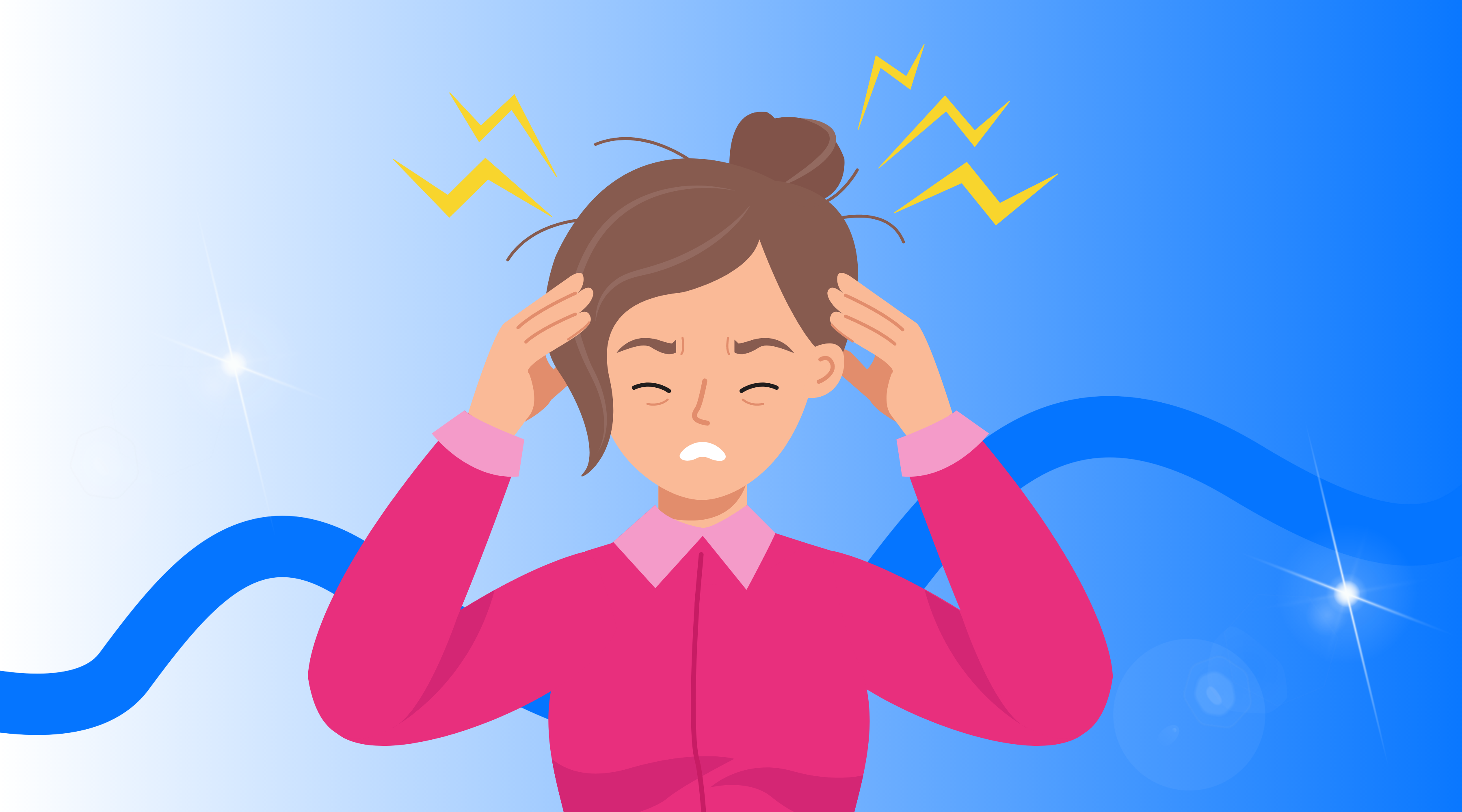
In that study, blue light activated more neurons (cells that receive sensory signals and transmit them to the brain) than other colors, prompting researchers to describe blue as the “most photophobic” wavelength. As the intensity of blue, red, amber, and white light increased, so did headache severity.
It’s crucial to distinguish that while blue light may intensify a migraine, that doesn’t necessarily mean it triggers the migraine. Recent research suggests the issue may lie in how the brain processes light rather than the light itself. Individuals prone to migraines may have neural pathways and ocular light receptors that are unusually sensitive.
Some researchers have proposed blocking all wavelengths except green during a migraine, and some patients have reported that light sensitivity improved when wearing blue light–filtering eyeglasses.
Other potential effects of blue light
Blue light has been associated with several health concerns, including:
Sleep disruption
A 2018 study highlighted that sleep disturbances and headaches often coexist. Poor sleep can contribute to tension and migraine headaches, and headaches can in turn disturb sleep.
Reduced leptin
Leptin is a hormone that signals satiety after eating. Lower leptin can alter metabolism in ways that promote weight gain. A 2019 study found decreased leptin levels after participants used a blue-emitting iPad at night.
Skin effects
UVA and UVB rays (not visible) are known to damage skin and raise skin cancer risk. Some data indicate blue light may also affect the skin. A 2015 study reported that blue light exposure reduced antioxidants and increased free radicals in skin.
Free radicals can damage DNA and contribute to cancer development, while antioxidants protect against that damage. Note that the blue light dose used in that experiment equated to about an hour of midday sun in southern Europe. Further study is required to determine how much LED-derived blue light might impact skin.
Symptoms suggesting a blue-light-related headache
After using a device that emits blue light, you may notice:
- squinting
- burning, stinging, sore, or itchy eyes
- blurred vision
- tension in facial, neck, and shoulder muscles
- heightened light sensitivity
- headache
How to avoid headaches from blue light
Some straightforward habits can reduce the chance of headaches while using blue-light-emitting devices. Consider these tips:
Optimize your workstation for better posture
If you sit long hours at a computer without attention to posture, you may be more prone to headaches. The National Institutes of Health suggests you:
- Adjust your chair’s backrest or use lumbar support so your lower back keeps a roughly 90-degree angle with your hips.
- Raise or lower armrests so your shoulders remain relaxed while typing.
- Position your keyboard an inch or two above your thighs.
- Keep your monitor 20 to 26 inches from your face.
- Place the screen at eye level to avoid excessive neck tilt.
- Use an anti-glare screen to cut device glare.
Use a document holder
If you’re typing from a paper document, prop the sheet on a stand. Bringing the document nearer eye level reduces neck movement and lessens the need for frequent refocusing.
Take breaks to stretch and move
Muscle tension is a leading cause of headaches. Light “deskercise” stretches can loosen muscles in the head, neck, arms, and upper back. Use a timer to remind yourself to pause, stretch, and return refreshed.
Try the 20/20/20 rule
If you spend hours on an LED device, protect against DES with this simple routine: every 20 minutes, look at an object about 20 feet away for roughly 20 seconds. Changing focal distance gives your eyes a break from close, intense focusing.
Modify your device’s color settings
Many devices offer warmer color tones or a “Night Shift” mode for evening use. Some evidence suggests switching to warmer tones on a tablet at night can help preserve melatonin production, the hormone that readies your body for sleep.
Keep your eyes lubricated
When you’re intently watching a screen, you likely blink less than usual. Artificial tears, eye drops, and office humidifiers can help maintain eye moisture when blinking decreases.
Dry eyes contribute to eye strain and are linked to migraines. A large 2019 study reported that people with migraines had about 1.4 times higher odds of dry eye disease.
Do blue light glasses prevent or cause headaches?
A web search for “blue-light glasses” yields many frames claiming to prevent DES and other harms. While studies confirm these lenses can block blue wavelengths, there’s limited evidence that they prevent DES or headaches.
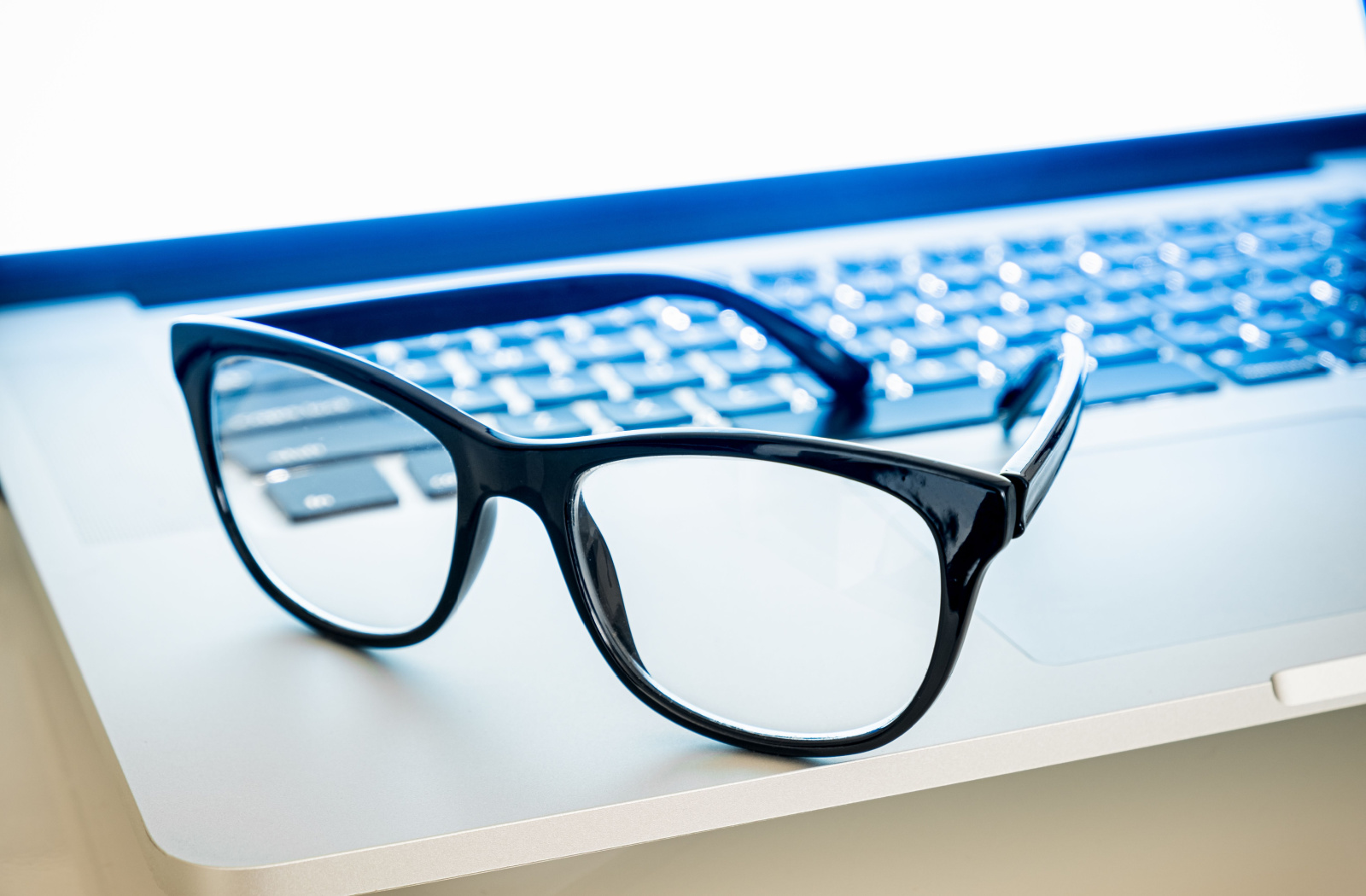
Some users have reported headaches when using blue-light-blocking glasses, but there are no strong studies explaining or confirming those reports.
It’s common to experience headaches when adjusting to new glasses or when your prescription changes. If headaches begin with new eyewear, give your eyes a few days to adapt. If discomfort persists, consult an optician or ophthalmologist.
Takeaway
Extended use of blue light–emitting devices such as phones, laptops, and tablets can be associated with headaches, though the light itself may not be the primary cause. Factors like posture, muscle tension, light sensitivity, and eye strain can play a major role.
Blue light appears to exacerbate the pain, throbbing, and tension of migraines, whereas green light may relieve migraine discomfort.
To reduce headache risk while using blue-light devices, keep your eyes lubricated, take frequent stretching breaks, use the 20/20/20 method to rest your eyes, and arrange your workspace to support good posture.
Researchers have not yet determined precisely how blue light affects eyes and overall health, so regular eye exams and consulting a physician are advisable if headaches are affecting your life.





















Leave a Reply
You must be logged in to post a comment.