
Ingrown toenails lead to discomfort, redness, and swelling. Simple home care and professional treatments can ease symptoms and help prevent future infections.
An ingrown toenail may result in pain and inflammation and can raise the chance of getting an infection.
Treatment varies by how severe the problem is and any contributing factors, ranging from at-home measures to surgical procedures.
Read on to find out how to manage an ingrown toenail, when to seek medical care, and steps to prevent recurrence.
What causes ingrown toenails?
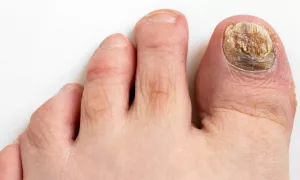
An ingrown toenail occurs when the edge or corner of the nail bends and grows into the nearby skin, commonly affecting the big toe. Signs of an ingrown toenail include:
- pain
- reddening or other changes in color
- swelling
- pus, if infection is present
- fever, if infected
Typical causes include:
- trauma to the toenail, such as stubbing the toe
- shoes that are too tight or too loose
- trimming nails too short or at an angle
- neglecting regular nail care
- excessive foot sweating (hyperhidrosis)
- certain drugs, such as epidermal growth factor receptor (EGFR) inhibitors
Addressing ingrown toenails promptly can reduce the risk of infection, particularly for people with conditions like diabetes that predispose to foot complications.
Mild cases may respond to home care, while more serious or persistent problems might require medical or surgical attention.
Home remedies for ingrown toenails
The remedies below can ease pain and encourage healing of an ingrown toenail.
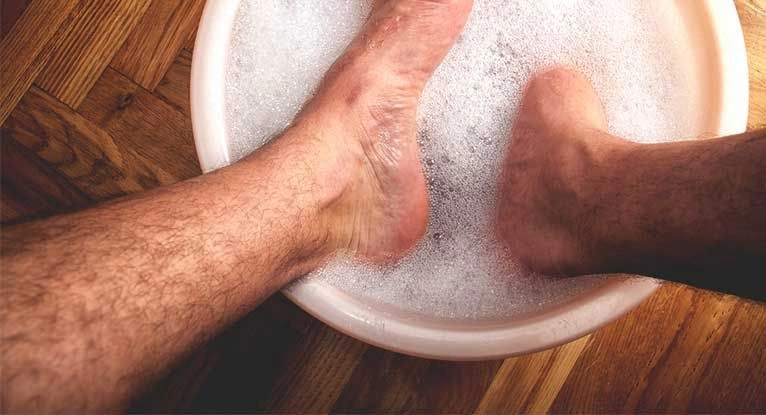
Soaking in warm water
Soaking the affected foot in warm or lukewarm soapy water for up to 20 minutes can help lower swelling and reduce discomfort.

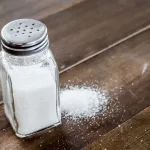
Adding Epsom salt may offer extra relief.
The American College of Foot and Ankle Surgeons recommends gently massaging the area where the skin meets the nail to help diminish inflammation.
Soaking in diluted apple cider vinegar
Apple cider vinegar is a traditional remedy for various conditions, including ingrown nails. It may possess antimicrobial, anti-inflammatory, and analgesic properties, though scientific proof specifically for ingrown toenails is limited.
When properly diluted, it’s unlikely to be harmful.
To try this, mix 1/4 cup apple cider vinegar into a basin of warm water and soak the affected foot for up to 20 minutes daily, then dry the area well.
Over-the-counter (OTC) ointment
Applying an OTC antiseptic ointment or cream can lower the risk of infection. Use the ointment on the affected nail up to three times a day or follow package directions.
Common options include:
- neomycin (Neosporin)
- bacitracin/polymyxin B (Polysporin)
- mupirocin (Bactroban)
Some people may have allergic reactions to these products. If you notice itching, hives, or other allergy signs, discontinue use and consult a healthcare provider.
OTC pain reliever
Acetaminophen (Tylenol) can help control pain from an ingrown toenail. Side effects are uncommon unless you exceed the recommended dose: two 325-milligram tablets every 4 to 6 hours. Do not take more than 10 tablets in 24 hours, and avoid alcohol while using acetaminophen because combined use can harm the liver.
If swelling is present, ibuprofen (Advil) may be preferable since it reduces both pain and inflammation. Typical side effects of ibuprofen include:
- abdominal discomfort
- upset stomach
- diarrhea
Follow the manufacturer’s or physician’s directions for any OTC pain medication.
Wearing comfortable shoes and socks
Tight shoes and socks can compress your toes and contribute to ingrown nails. Footwear that’s too large can also let toes repeatedly hit the toe box, especially during running or exercise.
To prevent an ingrown toenail from forming or worsening, choose shoes and socks that fit well and leave adequate toe room. During healing, avoid tight shoes and wear sandals when possible to reduce pressure on the nails.
Wearing a toe protector
A toe protector gives cushioning around an ingrown toenail. These come as rings that surround the affected area or sleeves that cover the whole toe.
Some protectors contain medicated gel to soften nails for easier trimming. Use according to instructions until the ingrown toenail resolves.
Wearing a toe brace
Toe braces are thin composite devices that stabilize the toe and protect the skin while a new nail grows. They can treat and help prevent ingrown toenails and are available online and in some pharmacies.
Separating the nail from the skin with dental floss or cotton
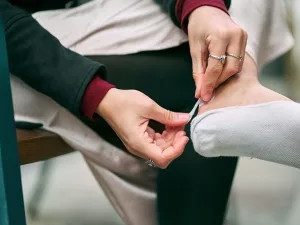
Some practitioners advise placing small pieces of cotton or waxed dental floss under the edge of an ingrown toenail to guide proper growth.
However, this approach isn’t universally endorsed.
The American College of Foot and Ankle Surgeons cautions that inserting cotton may worsen pain and promote bacterial growth. Soaking the cotton or floss in alcohol before using it might lower that risk.
Medical treatment for ingrown toenails
Some ingrown toenails need professional care. Seek medical attention if:
- you have a condition that impairs circulation, such as diabetes, which raises the risk of serious complications
- your ingrown toenail looks infected or you have worrying signs like pus
- the ingrown toenail does not improve on its own
- you are in significant pain or have trouble walking
Oral antibiotics
A clinician may prescribe oral antibiotics for a severe ingrown toenail infection that fails to respond to other measures. Oral antibiotics reduce pain and swelling while treating the infection.
Signs of infection include:
- worsening redness or discoloration
- throbbing pain
- increased swelling
- pus
- warmth around the toe
- foul smell
Antibiotics sometimes used include:
- ampicillin (Omnipen)
- amoxicillin (Amoxil, Moxatag)
- vancomycin (Vancocin)
Surgical procedures
If home treatments fail, partial or complete removal of the nail may be needed. Under local anesthesia, a clinician may excise part of the nail edge, the underlying nail bed, or a portion of the central growth area.
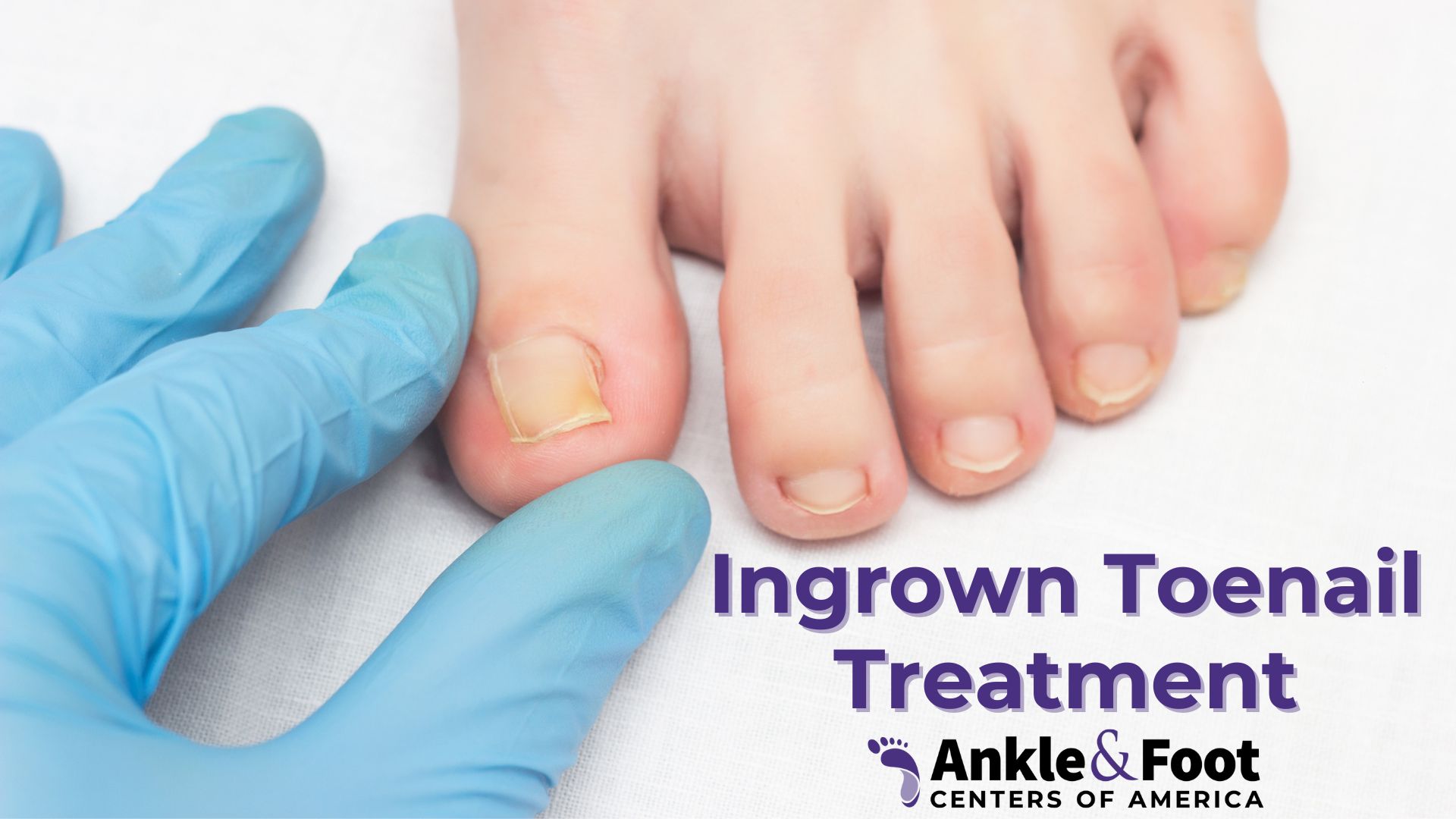
For severe, recurrent problems, removing the entire nail might be advised. This is a last-resort option and can be painful; it may also raise infection risk and sometimes leads to an altered nail appearance when it regrows.
Prevention tips
- Be careful to avoid injuring your toenails.
- Trim toenails straight across and do not cut them shorter than the tip of the toe.
- If your job puts you at risk for toe injuries, wear protective footwear.
Takeaway
Ingrown toenails are often painful but can usually be managed at home. Properly fitting footwear, straight-across trimming, and foot soaks can help prevent them.
Most ingrown toenails heal without lasting harm, but they can sometimes cause serious complications. Consult a healthcare provider if you have an underlying condition that increases your risk, such as diabetes.















Leave a Reply
You must be logged in to post a comment.