

Tooth decay happens when oral bacteria produce acids that erode the enamel covering your teeth. Dentists refer to this damage as “caries,” while most people simply call the resulting holes “cavities.”
Decay can appear on any part of a tooth: the chewing surface, the smooth sides, or the root. Root cavities specifically describe decay that affects the tooth’s root.
What leads to root decay?
Generally, tooth decay is the underlying process behind all cavities, including those on roots. The progression is gradual and begins with a sticky biofilm called plaque that forms on teeth when bacteria feed on sugars and starches left from food.
Plaque can calcify into tartar, and acids produced within plaque begin to degrade the enamel layer.
Small perforations form in the enamel, allowing bacteria to enter and reach the dentin beneath. If untreated, bacteria can continue inward toward the tooth’s core where the nerve resides.
Decay is more common in back teeth because they are harder to clean. Studies also indicate that root cavities progress about twice as fast as cavities that begin in enamel, making early detection and treatment crucial.
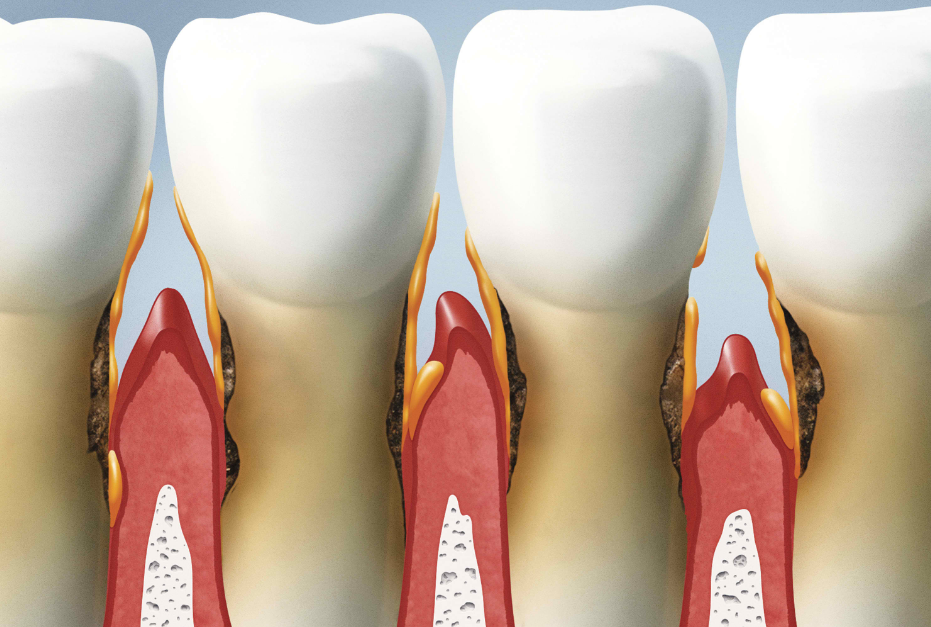
Signs of a root cavity
Because root cavities form on the tooth root, they’re often not visible when you look in a mirror. However, you might notice warning signs such as tooth pain or sensitivity, especially to hot or cold stimuli.
If your gums are receding, seek dental advice—gum recession often precedes root decay. Without gum coverage, roots become exposed and more susceptible to bacterial attack and caries formation.
Who is most vulnerable?
Anyone can develop root cavities, but the elderly face a much higher likelihood. In fact, research suggests that rates peak around age 70. This is linked to periodontal tissue breakdown, a degeneration of the tissues that support teeth.
Over time those supporting tissues may pull away from the tooth, at times exposing parts of the root. Bacteria can infiltrate those areas, causing inflammation and caries; teeth may also become mobile.
Older adults are more likely to have chronic conditions such as diabetes and metabolic syndrome, which increase susceptibility to gum inflammation and periodontal disease.
A 2019 systematic review on root caries found that smoking and inadequate oral hygiene are additional risk factors for periodontitis and root decay.
Possible complications of root cavities
Root cavities can lead to complications, so timely dental care is important. If you delay treatment, the decay can advance and cause more extensive harm.
The infection can reach the tooth’s pulp. When that happens, a root canal may be necessary to remove the damaged or necrotic pulp, clean the tiny canals, and seal the tooth.
Additionally, if you have concerns about root canal infection, discuss them with your dentist so they can evaluate and treat any infection appropriately.
Treating root decay
Unless pulp involvement requires a root canal, treatment for a root cavity is similar to other cavity care. The dentist will excise the decayed area and restore the tooth with a filling made from one of several materials.
If the decay is extensive, a root canal may be recommended. Afterward, the tooth is often restored with a crown to protect and strengthen the remaining structure.
How to prevent root cavities
Prevention is the best approach. Good oral hygiene significantly lowers the chance of developing tooth decay, including root caries.
Fluoride plays a powerful role in preventing decay. A 2020 systematic review found that both professionally applied fluoride treatments and self-applied options like daily fluoride rinses substantially reduce root caries.
Brush twice daily with fluoridated toothpaste, especially after eating or drinking.
Other preventive measures include:
- Flossing regularly.
- Drinking fluoridated tap water.
- Chewing sugar-free gum with xylitol, which research suggests can lower oral bacteria linked to decay.
- Seeing your dentist routinely for exams and professional cleanings.
Bottom line
Root cavities can develop quietly. Be especially vigilant as you age, since older adults are at higher risk.
If you have any factors that raise your risk for root caries, consult your dentist about the most effective preventive measures and the optimal schedule for professional checkups to catch problems early and reduce future risk.























Leave a Reply
You must be logged in to post a comment.