
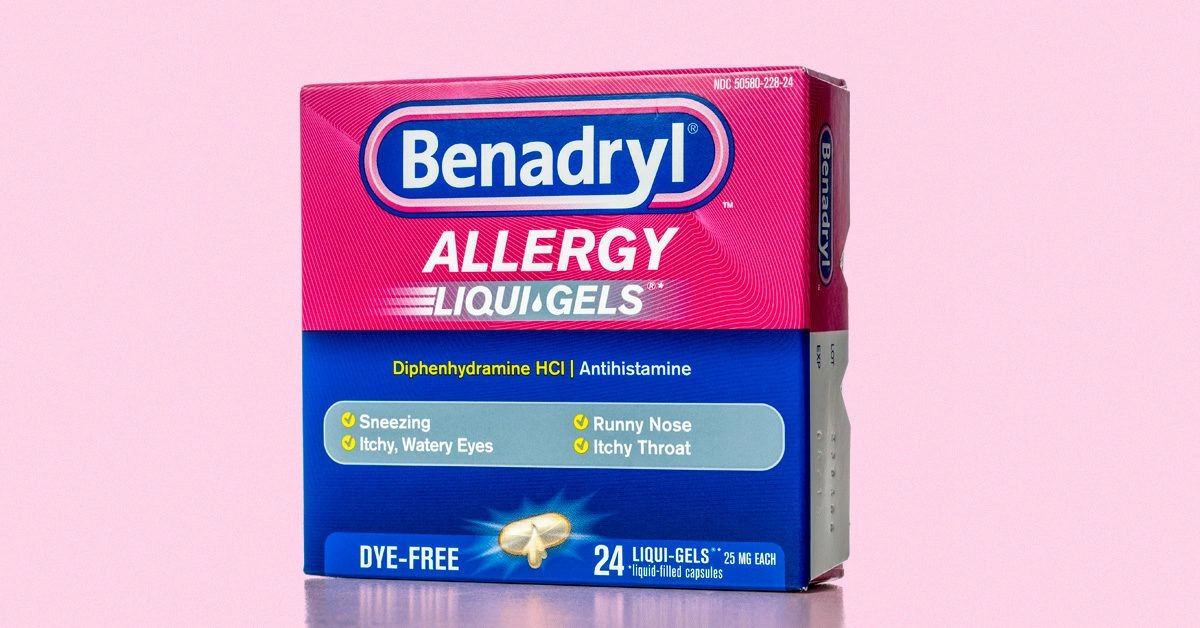
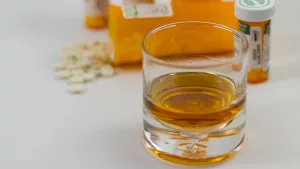
Benadryl (diphenhydramine) and alcoholic beverages are both depressants of the central nervous system (CNS). Using them at the same time can amplify side effects such as excessive sleepiness and impaired thinking or coordination.
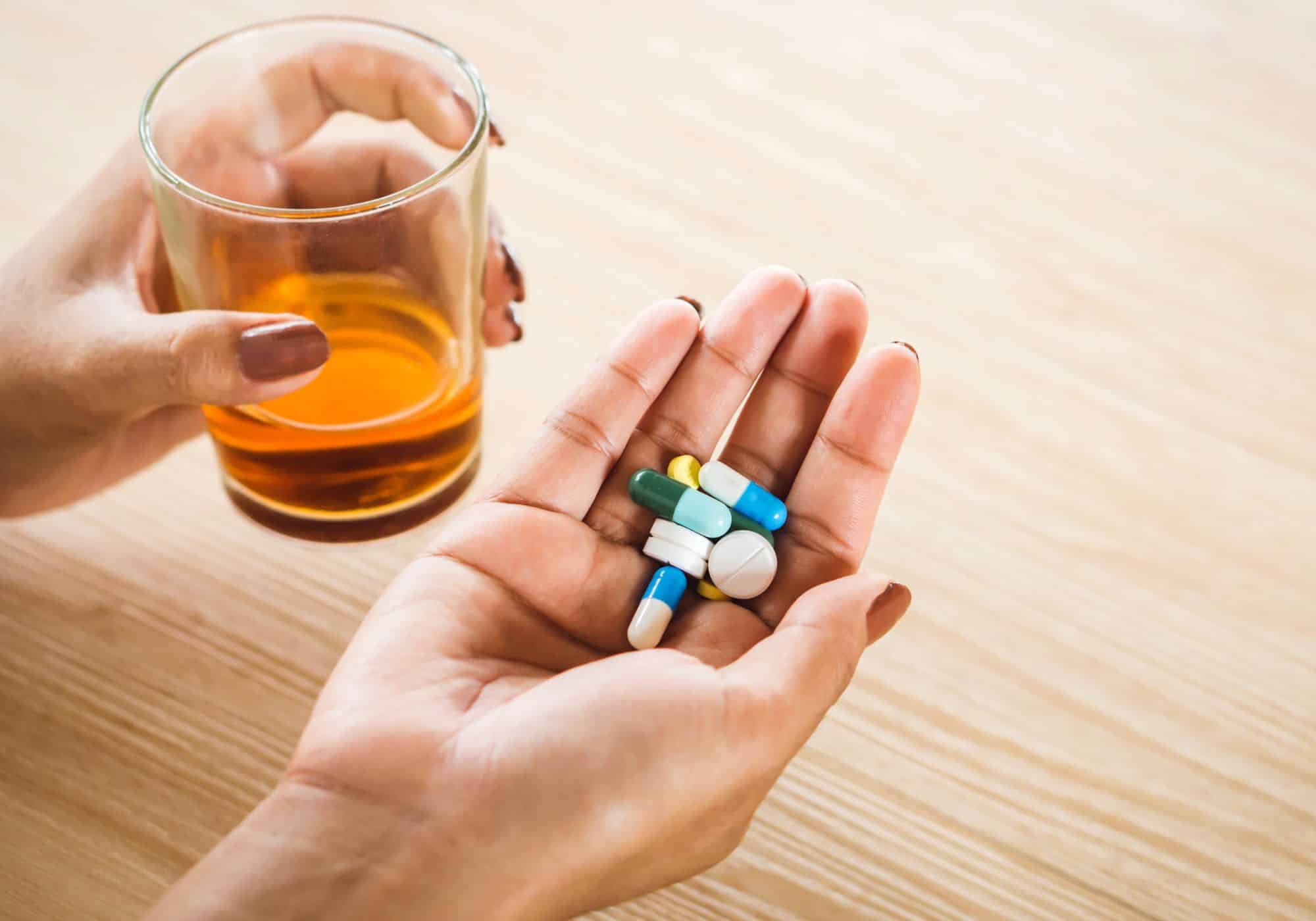
If you’re coping with a runny nose, relentless sneezing, or red, watery, itchy eyes, your main goal is likely quick relief. Fortunately, several over-the-counter (OTC) medications can effectively treat seasonal allergies (hay fever). Benadryl is a common choice for many people.
Benadryl is the brand name for the antihistamine diphenhydramine. Antihistamines block the action of histamine, a chemical in your body involved in allergic reactions.
Histamine plays a role in your immune system’s response to allergens and is responsible for symptoms like nasal congestion, itching, and other allergic reactions. An antihistamine works by preventing your body from reacting to these allergens, thereby easing allergy symptoms.
Because Benadryl is sold without a prescription at pharmacies and supermarkets, you might assume it’s harmless in all situations. However, Benadryl is a potent medication and carries risks. One notable danger is the intensified effects that can occur when it’s combined with alcohol.
Don’t combine Benadryl with alcohol
Benadryl doesn’t damage the liver the way alcohol can, but both substances act on the central nervous system — your brain and spinal cord — which is where the danger arises.
Both Benadryl and alcohol are CNS depressants, meaning they slow down nervous system activity. Taken together, they can depress the CNS too much, leading to marked drowsiness, heavy sedation, and difficulty performing physical or mental tasks that require alertness.
In short, Benadryl and alcohol should not be used together. Some situations heighten the risk, including misuse of Benadryl, taking them while driving, and use by older adults.
Misuse
Benadryl is approved for treating allergic symptoms only. It’s not intended for other purposes.
Some people use it as a sleep aid because it can cause drowsiness — and indeed, the generic diphenhydramine is sometimes used for short-term sleep problems. Similarly, some people turn to alcohol to make them sleepy.
But combining a drink with a dose of Benadryl in hopes of a restful night is unwise. Misusing Benadryl with alcohol can make you feel lightheaded and may prevent sustained sleep.
Benadryl can also interact poorly with other sleep medications and various drugs. To be cautious, use Benadryl only for treating allergic symptoms unless your healthcare provider advises otherwise.
Driving warning
You may have heard advice not to drive or operate heavy machinery after taking Benadryl, whether or not you’ve been drinking. This caution arises from the drug’s potential to depress the CNS.
Actually, the National Highway Traffic Safety Administration indicates that Benadryl might impair driving-related alertness even more than alcohol in some cases, and that alcohol can potentiate Benadryl’s sedating effects.
Drinking and driving is already hazardous; adding Benadryl makes it even more dangerous.
In older adults
Alcohol and Benadryl both reduce coordination across all age groups, but the consequences can be particularly problematic for seniors.
Reduced motor control combined with the dizziness and sedation from Benadryl can increase fall risk and other mobility-related issues in older adults.
Hidden sources of alcohol
Now that you understand Benadryl and alcohol are a bad mix, be mindful of hidden sources of alcohol to avoid while using Benadryl.
Some medications and remedies contain alcohol — for instance, certain laxatives and cough syrups. In some cases, these products can be up to 10% alcohol and may interact with Benadryl. Read labels on all products you’re taking to reduce the chance of unintended interactions.
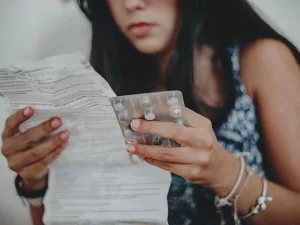
If you’re using multiple OTC or prescription drugs or supplements, consult your doctor or pharmacist. They can tell you whether any of your other medications contain alcohol and whether it’s safe to combine them with Benadryl.
Talk with your doctor
Benadryl is a potent medication. Using it safely means avoiding alcohol while you’re taking it. The combination can produce hazardous effects such as extreme drowsiness and diminished motor skills and alertness.
Benadryl is intended for short-term use, so it’s generally best to wait until your course of treatment is complete before consuming alcohol. This includes alcoholic beverages, mouthwashes, and other products listing alcohol as an ingredient. Ask your doctor or pharmacist how long you should wait after finishing Benadryl before drinking.
If you have difficulty abstaining from alcohol for a few days, consider exploring support and resources for reducing alcohol use.
For alternatives to relieve allergy symptoms, you might also read about essential oils for allergies and other supportive measures.


















Leave a Reply
You must be logged in to post a comment.