

The nutritional value of Honey Bunches of Oats varies depending on whether you eat the cereal with or without milk. Overall, though, this cereal doesn’t deliver a well-rounded morning meal.
Breakfast cereals remain a convenient option for many kids and adults.
For the past few decades, Honey Bunches of Oats has been one of the commonly chosen brands.
Still, there’s considerable debate about the health implications of consuming breakfast cereals.
This piece examines whether Honey Bunches of Oats is a nutritious pick.
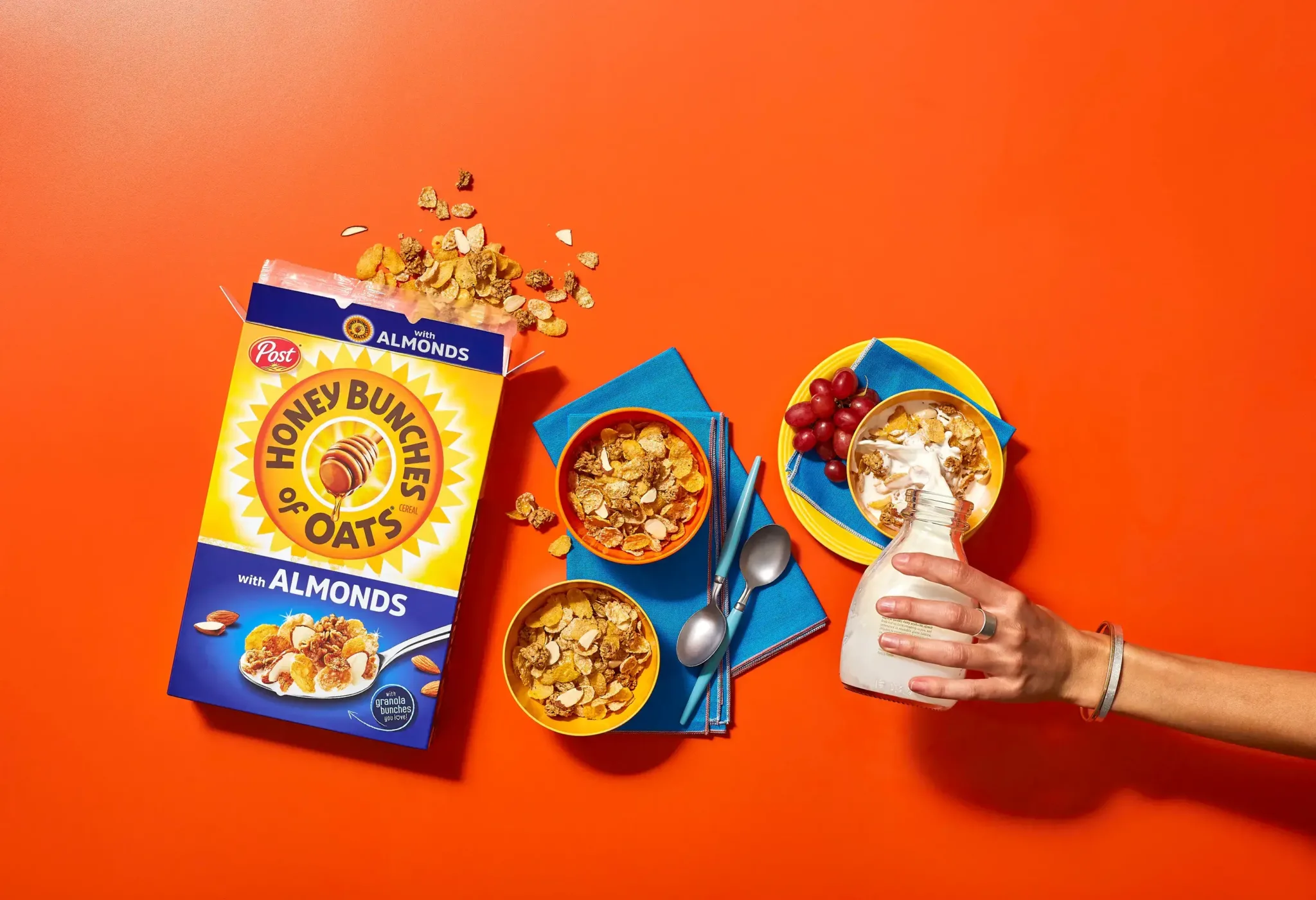
Honey Bunches of Oats nutrition
Honey Bunches of Oats blends three types of whole grains, including corn, whole wheat, and whole oats.
It also includes a notable proportion of refined carbohydrates, in addition to various natural and synthetic ingredients.
Like many breakfast cereals, it’s carbohydrate-heavy and low in fiber, protein, and fats.
A 3/4-cup (30-gram) portion of the classic flavor contains the following (1):
- Calories: 120
- Carbs: 23 grams
- Sugar: 6 grams
- Fiber: 2 grams
- Protein: 2 grams
- Fat: 2.5 grams
- Vitamin A: 16% of the Daily Value (DV)
- Iron: 60% of the DV
- Vitamins B1, B2, B3, B6, and B12: 25% of the DV
- Folic acid: 50% of the DV
Keep in mind the cereal’s nutrition shifts when milk is poured over it, adding roughly 40–60 calories and changing the carbohydrate, protein, and fat totals.
Guidelines recommend that breakfast supply about 20–25% of daily calories, ideally drawn from grains, fruit, and dairy (2, 3).
Adding milk and fruit to a bowl of Honey Bunches of Oats can help you meet that suggestion.
Summary: Honey Bunches of Oats contains both whole and refined grains. As with many cereals, it’s high in carbohydrates but low in fiber, protein, and fat.
Potential benefits
Many positive claims about breakfast cereals stem from their vitamin and mineral content.
To reduce vitamin and mineral deficiencies, the U.S. Food and Drug Administration has required fortification of breakfast cereals since the 1940s (4).
So, nutrients are added during processing to boost their levels. Consequently, much of the vitamins and minerals in Honey Bunches of Oats come from fortification.
Research shows that iron and folic acid fortification of cereals has significantly lowered rates of anemia and neural tube defects, respectively (5, 6, 7, 8).
Furthermore, studies in children and teens link regular cereal consumption to higher milk intake, which contributes to greater calcium and vitamin B2 intakes (9).
Summary: Although many of the vitamins and minerals in Honey Bunches of Oats are added during manufacturing, they can help prevent or correct nutrient shortfalls.
Possible downsides
Given its nutrient composition, Honey Bunches of Oats may not offer a balanced morning meal.
High in added sugar
Many breakfast cereals contain substantial amounts of added sugar.
Ingredient lists are ordered by quantity, with the most abundant ingredient listed first and the least abundant listed last.
In numerous cereals, including Honey Bunches of Oats, sugar appears among the first three listed components.
Diets high in added sugars and refined carbohydrates have been linked to greater risks of type 2 diabetes, cardiovascular disease, and weight gain (10, 11).
Moreover, because many cereals are aimed at children, youngsters are exposed to sugary foods early on.
Early exposure influences their eating habits and preference for sweeter flavors, increasing the likelihood of developing the conditions mentioned above (12).
Low in fiber and protein
Because Honey Bunches of Oats contains several whole grains, it may seem like a fiber-rich, wholesome option.
However, its nutrition facts tell a different story.
A food is generally considered a good source of fiber when it offers at least 3 grams per serving, and high-fiber when it provides 5 grams or more (13).
Both fiber and protein slow digestion, helping you stay satisfied longer. This in turn supports appetite control and healthy body weight (14, 15, 16).
One study of 48 participants found those who ate a high-fiber oatmeal breakfast felt fuller for four hours than those who consumed a low-fiber cereal; the higher-fiber meal also reduced hunger and subsequent food intake (17).
Research on protein shows comparable effects.
For example, a 12-week trial in 55 adolescents reported that consuming a breakfast with 35 grams of protein prevented increases in body fat and reduced hunger and calorie intake compared with a breakfast containing 13 grams of protein (18).
Summary: Breakfast cereals tend to be high in sugar and low in fiber and protein, and Honey Bunches of Oats is no exception. This profile can lead to reduced satiety and a higher risk of metabolic disorders.
Healthier breakfast alternatives
Evidence indicates that choosing breakfasts with whole grains and nutrient-rich foods like eggs and other protein sources may support improved health outcomes (19).
U.S. Dietary Guidelines recommend consuming at least 3 servings of whole grains and 5.5 servings of protein daily (20).
Including some of these foods at breakfast can help you reach those targets.
Consider these healthier morning options:
- Overnight oats. Combine raw oats with water or milk and refrigerate overnight. Top with fruit, unsweetened coconut, nut butter, or seeds in the morning.
- Breakfast burritos. Roll scrambled eggs in a whole-wheat tortilla and add vegetables for extra fiber.
- Breakfast smoothie. Blend fruits with your preferred milk and stir in Greek yogurt for added protein. You can also add oats for a high-fiber carbohydrate boost.
- Avocado toast. Spread 1–2 tablespoons of mashed avocado on whole-grain bread. Add hard-boiled eggs, cheese, or smoked salmon for high-quality protein.
- Veggie omelet. Beat a couple of eggs, season, cook in a pan, and fold in plenty of vegetables before finishing the omelet.
- Oatmeal pancakes. Mix eggs, raw oats, a banana, and chia seeds. Flavor with cinnamon and vanilla, then pour the batter into a pan to cook pancakes.
- Chia pudding. Stir your chosen milk with about 2 tablespoons of chia seeds. Let it rest for an hour or overnight and serve with fresh fruit and nuts.
Summary: Whenever possible, choose breakfasts based on whole foods and include protein to increase satiety and keep you fuller longer.
The bottom line
Although Honey Bunches of Oats is enriched with vitamins and minerals, it does not constitute a balanced breakfast. Like many cereals, it’s high in added sugars and low in fiber and protein.
Nutrition advice encourages prioritizing fiber and protein at breakfast.
These components help manage hunger throughout the day, support steady daily calorie intake, and lower the risk of disorders such as type 2 diabetes and heart disease.





















Leave a Reply
You must be logged in to post a comment.