
Running after eating
Consuming a big meal immediately before running can cause cramps and digestive upset. It may also leave you feeling heavy and slow during your jog.
As a rule of thumb, aim to wait about 3 to 4 hours after a substantial meal before you go for a run.
If you’ve had a small meal or snack, allow at least 30 minutes — preferably 1 to 2 hours — before heading out for a run.
Remember that individuals vary. Some people perform better after a small pre-run snack, while others tolerate a meal before exercise without issues.
Continue reading to find out more about eating before and during runs.

What are good snacks to eat before running?
A light pre-exercise snack can help you sustain energy during your run and prevent blood sugar dips. What’s best to eat can depend on when you typically run.
Morning run
If your run is in the morning, you might not have time to eat a full meal hours beforehand. Your body also likely hasn’t had food since the previous evening.
For that reason, try to have a small snack or light breakfast 30 to 60 minutes before heading out. Opt for choices that include carbohydrates and some protein.
If you run in the morning, consider these snacks:
- banana with a tablespoon of nut butter
- energy bar or low fat granola bar
- small yogurt and fruit
- fruit smoothie
- whole grain bagel
- oatmeal

Lunchtime run
If you run around midday, eat a filling breakfast 3 to 4 hours before your run. Then, 1 to 2 hours prior to running, snack on:
- a bowl of cereal or oatmeal
- half of a nut butter sandwich
- small smoothie
- a handful of nuts, such as cashews, pistachios, or almonds
Late afternoon or evening run
If you run in the late afternoon or evening, you might feel hungry and worn out after lunch without a snack to bridge the gap until dinner.
This is particularly true if you plan to eat dinner late because of your run.
Consider these afternoon snacks 1 to 2 hours before an evening run:
- crackers and a cheese stick
- energy bar or low fat granola bar
- half of a nut butter and jelly sandwich
What are good snacks to eat during a run?
For runs under an hour, water — or occasionally a sports drink — is usually sufficient.
For runs exceeding an hour or very intense efforts, you’ll want to consume carbohydrates, such as a sports drink or energy gel, at regular intervals if you’re running longer than about 75 minutes.
Test different options to discover what suits you best during extended runs.
For instance, some runners might take half an energy gel, two energy chews, or a few energy beans every 30 minutes on runs lasting more than an hour. Be sure to follow these with ample water.
How to avoid cramps while running
Dehydration can contribute to gastrointestinal (GI) issues in runners, including cramping, bloating, and stomach pain.
To reduce the chance of cramps, sip water or a sports drink every 15 to 30 minutes during your run, and steer clear of high-fiber foods the night before and the morning of a run, as they can also cause cramping and GI problems.
How to avoid nausea while running
Nausea or vomiting can occur during or after a strenuous workout. Several factors can cause nausea in runners, including (1):
- dehydration
- slowed digestion
- heat stroke
To prevent nausea while running, stay well hydrated, particularly on hot days. It’s also vital to cool down properly so your body can transition after exercise.
You may find that a light snack 30 minutes before or immediately after running helps prevent or alleviate nausea.
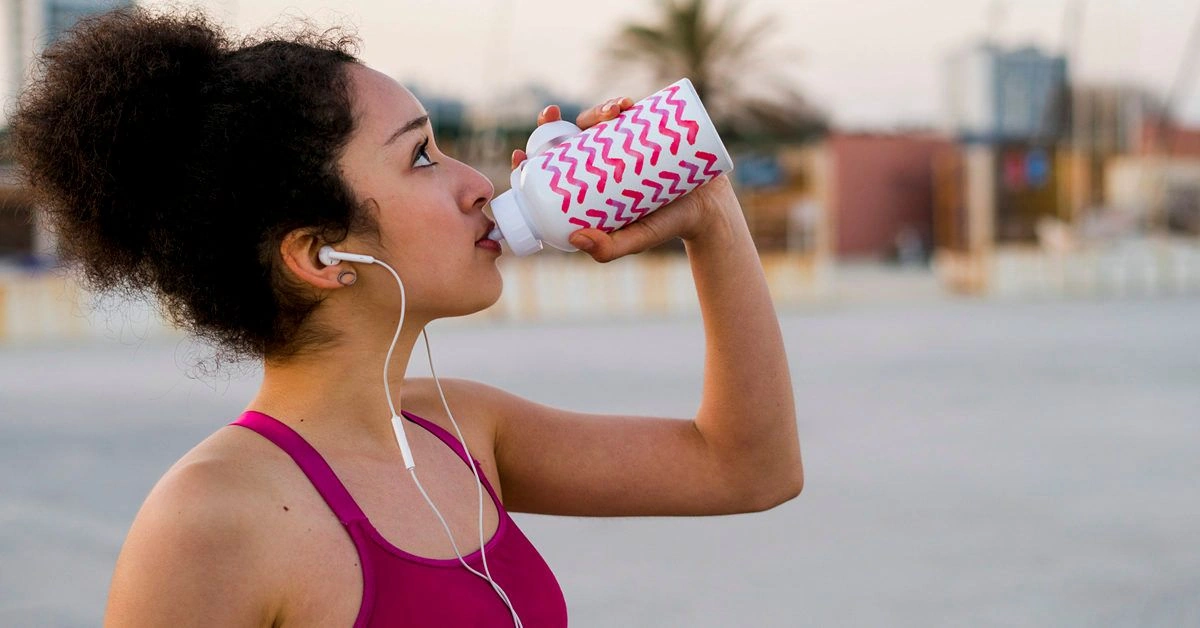
Should you drink water while running?
Runners need to hydrate, especially when it’s hot. Follow these suggestions to avoid dehydration and stay safe while running:
- Drink about 2 to 3 cups (473 to 710 mL) of water 2 to 3 hours before exercising.
- Consume roughly 1/2 to 1 cup (118 to 237 mL) of water every 15 to 20 minutes during your run. You might need more depending on body size and higher temperatures.
- After your run, drink about 2 to 3 cups of water for every pound (0.5 kilograms) you lost during the run. Immediate post-run weight loss usually indicates fluid loss.
For workouts longer than an hour, consider a sports drink. Sports beverages can aid recovery by helping maintain electrolyte balance and supplying carbohydrate energy (2).
The bottom line
Although food fuels runners, eating a large meal too close to a run can trigger digestive troubles like cramping or diarrhea.
Try to wait at least 3 hours after a big meal before going for a run. A light snack — such as fruit, yogurt, or half a peanut butter sandwich — can provide the energy needed for your workout.
After your run, it’s important to refuel with a light meal or protein shake and rehydrate with water or a sports drink.




















Leave a Reply
You must be logged in to post a comment.