
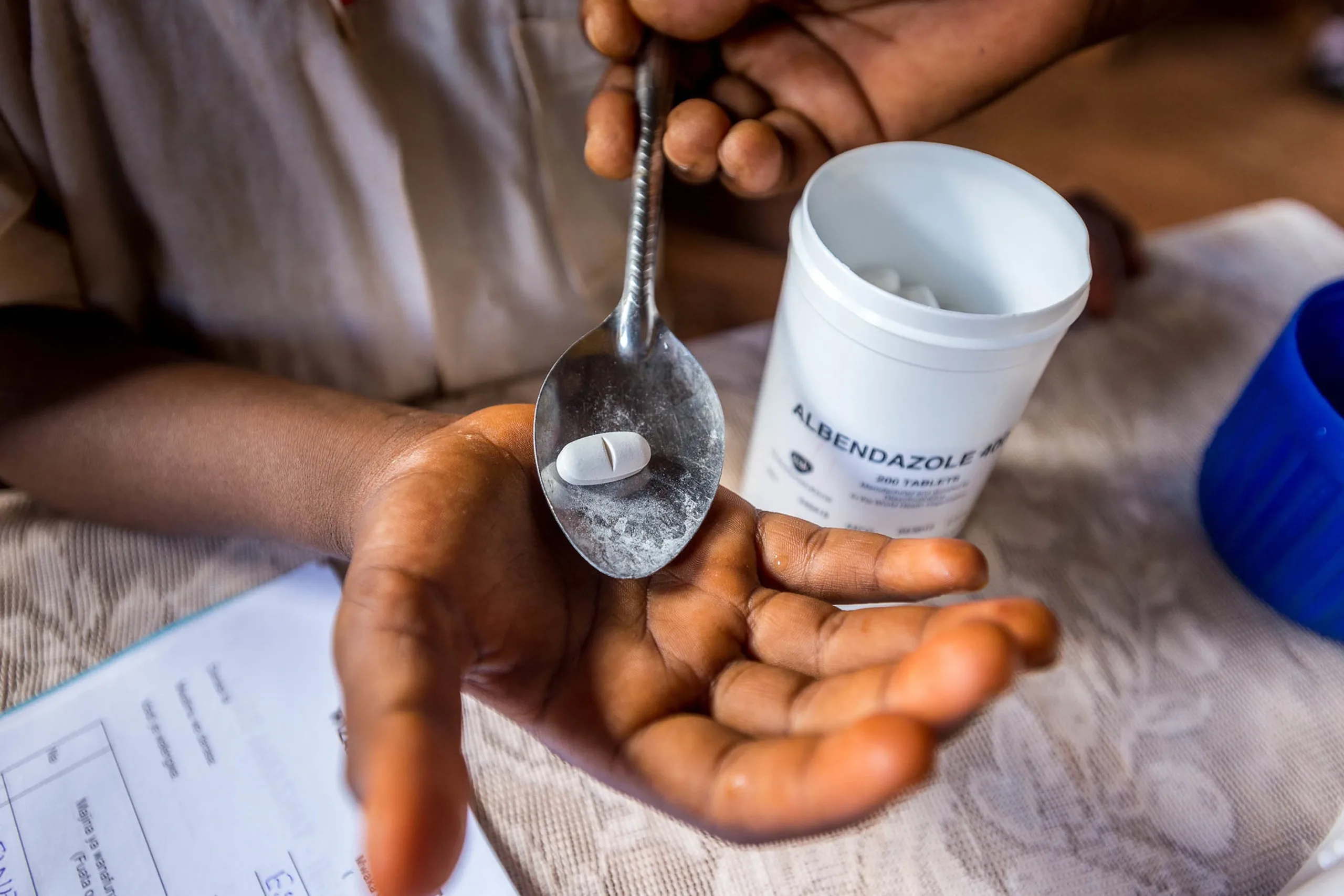
In certain situations, tapeworm infections may clear without medical intervention. However, evidence supporting home-based remedies for tapeworms remains limited, while oral antiparasitic medications are proven to be effective. When discussing the Best worming tablets for humans, it’s important to focus on treatments backed by clinical research and recommended by healthcare professionals.
Many people assume tapeworms primarily affect animals. Although these parasites are commonly found in cows and pigs, the infection is not limited to animals. Humans can also become infected, though cases are relatively uncommon.
According to the Centers for Disease Control and Prevention (CDC), there are less than 1,000 new tapeworm infections reported in humans in the United States annually.
Tapeworms are flat, segmented worms that reside in the intestines. People typically acquire them after consuming undercooked meat from an infected animal, including pork, beef, or fish. Understanding proper food safety and identifying the Best worming tablets for humans are key components of managing and preventing these parasitic infections.
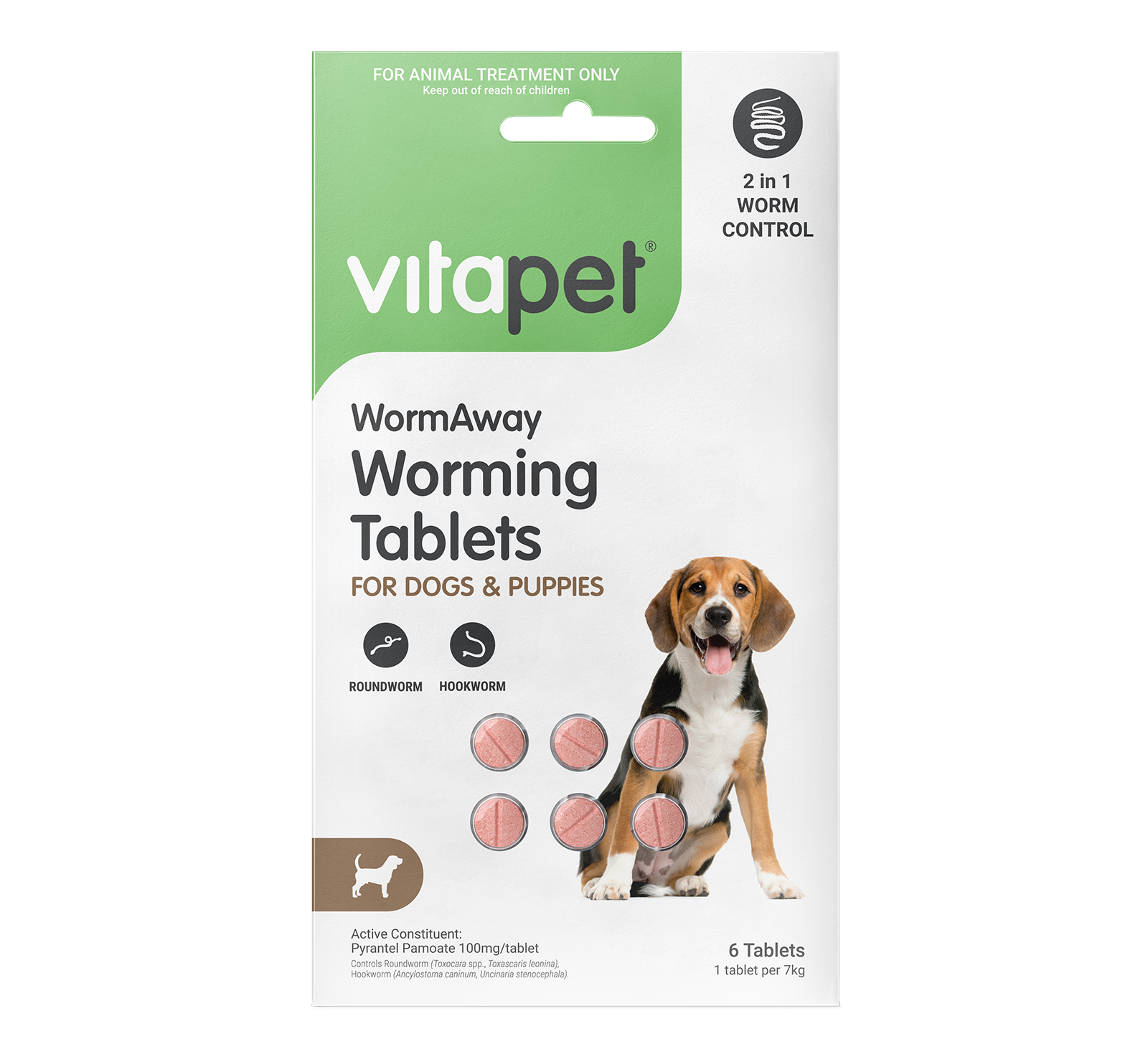
Dogs and cats may also contract tapeworms, but their infections rarely spread to humans. In most cases, pets become infected after ingesting a flea contaminated with parasite larvae.
Treatment for tapeworms in humans
Not every tapeworm infection requires medical therapy. In some individuals, the parasite exits the body naturally without causing noticeable symptoms. This explains why certain people remain asymptomatic or experience only mild digestive discomfort.
If the tapeworm does not pass on its own, your doctor will determine the most appropriate treatment based on the specific type of infection. Selecting the Best worming tablets for humans depends on whether the infection is confined to the intestines or has become invasive.
For intestinal tapeworm infections, oral medication is typically prescribed to eliminate the parasite. Antiparasitic drugs commonly used include:
- praziquantel (Biltricide)
- albendazole (Albenza)
- nitazoxanide (Alinia)
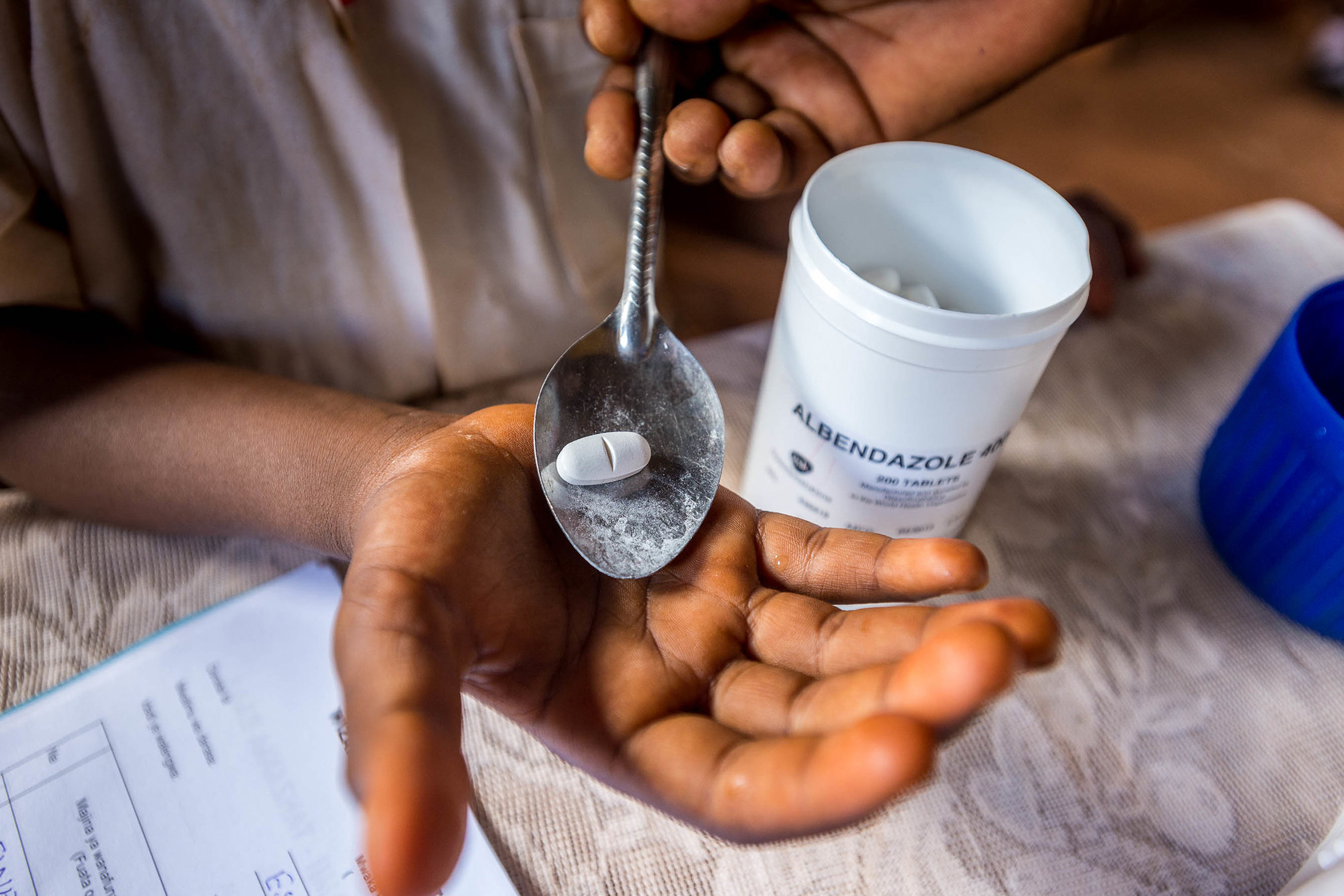
These medications work by targeting the parasite’s structure or metabolism, leading to its elimination through the digestive tract. After completing the prescribed course, your healthcare provider will usually request a follow-up stool sample to confirm that the infection has resolved.
In cases of invasive infection, where the tapeworm forms a cyst or mass in tissues, an anthelmintic drug may be prescribed to shrink the growth. Antiparasitic therapy can reduce cyst size and inflammation. If the cyst or lump is large or causes complications, surgical removal may be necessary.
If inflammation develops in organs or tissues, a corticosteroid such as Prednisone may be recommended to reduce swelling. When the brain or central nervous system is affected and seizures occur, an antiseizure medication may also be prescribed.
Some invasive infections result in fluid accumulation in the brain, a condition that may require shunt placement to help drain excess fluid and relieve pressure.
Prompt diagnosis and treatment significantly lower the risk of complications, including digestive tract obstruction. A large tapeworm can potentially block the appendix, bile ducts, or pancreatic duct, impairing organ function and reducing blood supply.
For individuals researching options such as Parasite Cleanse chemist warehouse or Best parasite cleanse chemist warehouse, it is essential to consult a healthcare professional before starting any over-the-counter or alternative treatment to ensure safety and effectiveness.

Do home remedies work for tapeworms?
Although prescription oral medications remain the standard treatment and are considered the Best worming tablets for humans, some research has explored natural remedies for intestinal worms.
In one study, chickens infected with intestinal parasites were given varying doses of papaya seed infusions and whole papaya seeds. After two weeks, those treated with papaya seeds showed a significantly reduced number of intestinal worms.
Other natural substances, including garlic, pumpkin, and ginger, are frequently mentioned as potential dewormers. Some animal-based studies suggest antiparasitic effects from these herbs, as noted in some animals. However, robust human studies are lacking, and more clinical research is required before these approaches can be recommended as primary therapy.
If you are considering a natural or home-based remedy, speak with your doctor first. Proper dosing, safety, and potential interactions with other medications should always be evaluated.
Symptoms of tapeworms in humans
Consuming food or water contaminated with a tapeworm or its eggs allows the parasite to reach the intestines, where it may trigger various symptoms. In some instances, individuals may search for the Best worming tablets for humans after noticing unexplained digestive issues.
Many tapeworm infections go undetected because symptoms can be mild or absent. When present, symptoms often include:
- nausea
- loss of appetite
- abdominal pain
- dizziness
- diarrhea
- weight loss
- weakness
While tapeworms typically inhabit the intestines, they can migrate to other areas of the body, leading to organ or tissue damage. This is referred to as an invasive infection and may cause more serious health concerns.
Individuals with invasive infections may experience:
- headaches
- seizures
- a cyst or lump
If a tapeworm cyst ruptures, allergic reaction symptoms such as hives and itching may occur. Seek medical evaluation promptly if you notice any of these warning signs. Diagnostic tests can confirm the presence of infection and guide appropriate treatment.
What’s the outlook?
Although tapeworm infections can cause abdominal discomfort and digestive disturbances, many cases do not lead to severe complications. Some individuals may never realize they were infected, especially if the parasite leaves the body spontaneously.
If your doctor diagnoses a tapeworm infection, carefully follow the prescribed treatment plan. Using the appropriate antiparasitic therapy—often considered among the Best worming tablets for humans—helps minimize the risk of complications.
Without treatment, there is a possibility of developing an invasive infection that can affect tissues and organs. Potential complications include brain swelling, inflammation, and intestinal blockage, all of which require prompt medical care.
How to prevent tapeworms in humans
Preventing tapeworm infections begins with maintaining proper hygiene. Always wash your hands thoroughly after using the restroom and before preparing or eating food.
The correct handwashing technique involves using warm, soapy water and scrubbing for at least 20 seconds—about the time it takes to sing the “Happy Birthday” song twice, according to the CDC.
Additionally, rinse fruits and vegetables carefully before consumption. Ensure that meat is cooked thoroughly to safe internal temperatures, as eating raw or undercooked pork, beef, or fish increases the risk of infection. Practicing safe food handling significantly reduces the likelihood of needing the Best worming tablets for humans in the future.
If you suspect a family pet may have tapeworms, consult your veterinarian regarding appropriate treatment to prevent potential transmission and maintain overall household health.




















Leave a Reply
You must be logged in to post a comment.