

Speak to a physician before you discontinue gabapentin or any other prescribed drug. Quitting suddenly can be risky. You may need to slowly taper your dose over time.
Have you been using gabapentin and are considering stopping? Before you halt this medication, there’s crucial safety and risk information to review.
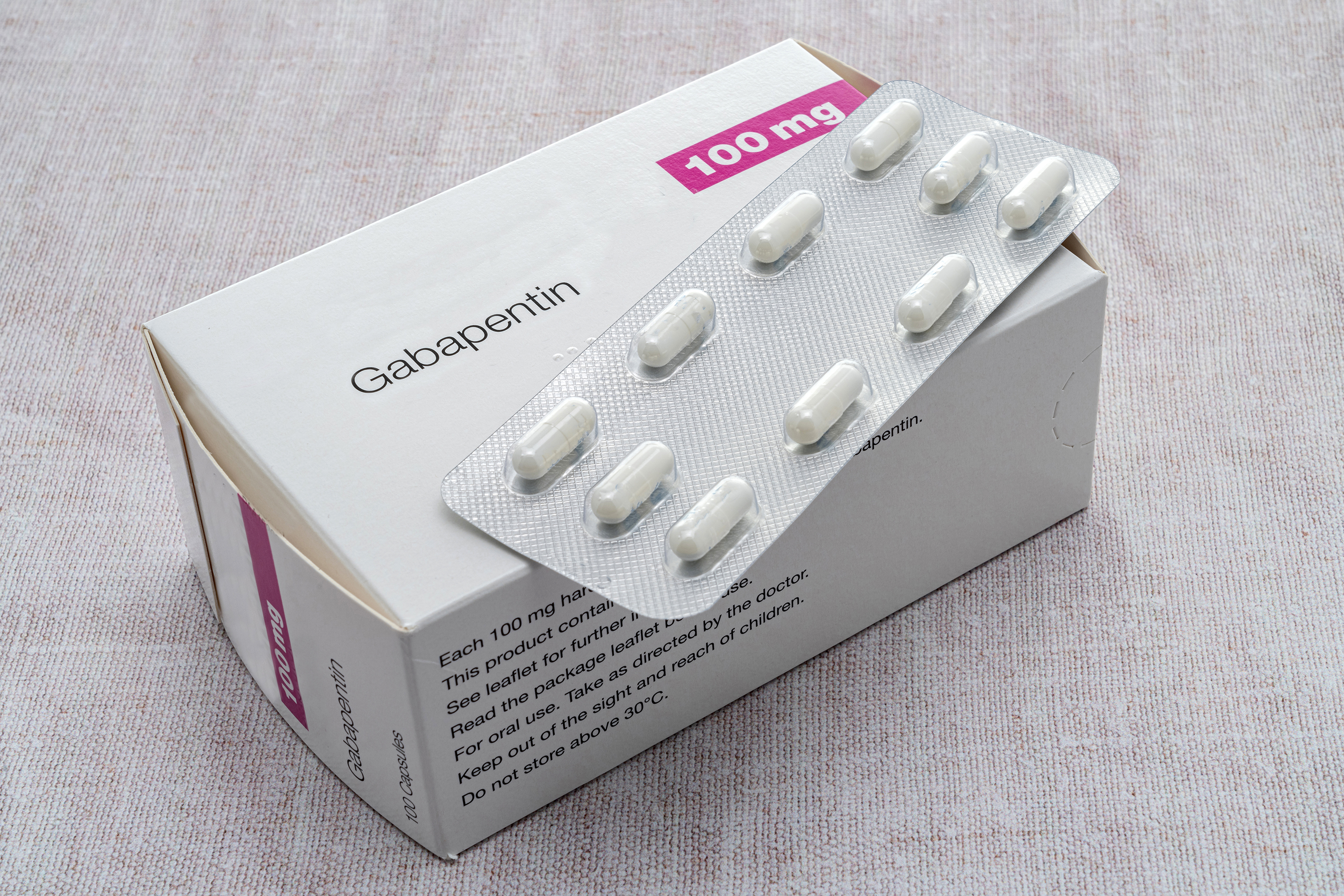
Suddenly stopping gabapentin can worsen your symptoms and may be hazardous. You could have a severe reaction, including seizures, if you stop abruptly.
Your clinician might have prescribed gabapentin for partial focal seizures in epilepsy or for postherpetic neuralgia, a nerve pain that can follow shingles.
You may know gabapentin by the brand Neurontin. Another marketed form is Gralise.
Gabapentin enacarbil (Horizant) is approved for restless legs syndrome and postherpetic neuralgia. Gabapentin is also commonly prescribed off-label for other conditions. Off-label use means a doctor prescribes a drug for an indication that differs from the one approved by the Food and Drug Administration.
Do not discontinue gabapentin without first consulting your doctor. They can modify the dose if you’re having side effects. If you want to stop, do so under medical supervision using a gradual dose reduction plan.
How do you ease off gabapentin?
Gradually tapering your dose is the recommended approach to stop gabapentin.
Reducing the dose slowly helps prevent withdrawal effects. The schedule for tapering varies depending on the person and the current dose.
Your clinician will create a plan to reduce the medication gradually. This might mean decreasing the dose over a week or stretching the reduction across several weeks.
You could experience anxiety, restlessness, or trouble sleeping as your dose is lowered. It’s essential to report any symptoms to your doctor so they can revise the tapering plan. The schedule is adaptable and your comfort matters.
If you develop seizures, breathing difficulties, or other severe symptoms, call 911 or seek emergency care right away.
Why it’s important to discuss dose changes with your doctorYour doctor can watch you while you taper the drug and manage any symptoms, including:seizures side effects such as allergic reactions, fever, nausea, tremors, or double vision withdrawal signs like sweating, dizziness, fatigue, headaches, and others worsening of your condition or symptoms
What happens if you suddenly stop gabapentin?
Talk over your concerns about gabapentin with your doctor or pharmacist first before stopping the medication.
If you abruptly discontinue gabapentin, you may develop certain symptoms:
- withdrawal signs such as agitation, restlessness, anxiety, insomnia, nausea, sweating, or flu-like symptoms
- status epilepticus, a continuous or rapidly repeating seizure state
- irregular heartbeat
- confusion
- headache
- fatigue
- weakness
- return of nerve pain
The risk of withdrawal is greater if you take high doses or have used gabapentin for more than 6 weeks. Withdrawal symptoms can begin between 12 hours and 7 days after stopping the drug.
Off-label use of gabapentin
Gabapentin is prescribed off-label for multiple conditions, including:
- migraine
- anxiety disorders
- fibromyalgia
- bipolar disorder
- insomnia
Gabapentin is also used off-label to manage chronic pain (as an alternative to opioids), alcohol use disorder (AUD), and other substance use disorders (SUD).
There is growing concern about gabapentin misuse. The risk of misuse is higher among people who also misuse opioids — 15 to 22 percent. Fatalities involving overdose have been reported when gabapentin is combined with other substances.
Research indicates an uptick in overall gabapentin prescriptions. Combining gabapentin with drugs like opioids raises the risk of overdose.
Several states are exploring legislation to curb misuse and have added monitoring requirements for gabapentin.
Reasons you may choose to stop taking gabapentin
If you’ve been taking gabapentin, you and your doctor can review whether it’s effective. This conversation might include tapering or discontinuing the drug for a number of reasons.
Side effects
Gabapentin can cause side effects that may be severe or bothersome enough to consider stopping the medicine.
Side effects can include:
- allergic reactions such as swelling of the hands or face, itching, chest tightness, or trouble breathing
- suicidal thoughts or behaviors
- nausea and vomiting
- fever or viral infection
- lack of coordination and movement issues, which can lead to falls or injury
- drowsiness, dizziness, or fatigue that can interfere with driving or work
- tremors
- double vision
- swelling of the feet or legs
If you’re experiencing suicidal thoughts, seek immediate help by calling the 988 Suicide and Crisis Lifeline any time or texting HOME to the Crisis Text Line at 741741.
Drug interactions
Central nervous system (CNS) depressants like alcohol and opioids used with gabapentin can increase drowsiness and dizziness.
Adverse effects can also include respiratory problems and altered mental status. The risk of death when opioids and gabapentin are used together is up to 60 percent higher with gabapentin doses above 900 milligrams per day.
Antacids containing aluminum and magnesium (for example Maalox and Mylanta) can reduce gabapentin absorption. It’s best to space them at least 2 hours apart.
You feel better
Keep in mind that gabapentin may relieve nerve pain or seizure symptoms, but stopping the drug could allow symptoms to return.
Always discuss stopping on your own with your doctor.
Gabapentin isn’t working
If your symptoms haven’t improved or have worsened, talk to your doctor about other treatment options.
It’s too expensive
If cost is a barrier, ask your pharmacist or physician about alternative medications or ways to reduce expenses.
These are valid reasons to consider discontinuing gabapentin. Remember, you and your healthcare team are partners. They should know if you’re struggling with the medication so they can plan a safe discontinuation and find a better option.
Surgery and gabapentin
Gabapentin can cause sedation and may amplify the effects of certain pain medicines like opioids used around surgery. You may need to adjust medication doses before or after an operation.
Tell your surgeons and care team about all medications you take before any surgery, including dental procedures.
Some clinicians use gabapentin to reduce perioperative opioid requirements. A 2017 analysis found patients given gabapentin preoperatively used fewer opioids afterward and had fewer side effects.
Gabapentin is sometimes included in pain control regimens before or after surgery to lower opioid doses and their adverse effects. One recent study found that people required fewer opioids and had faster recovery when given gabapentin postoperatively.
Ask your doctor about pain management choices and tell them if you’re currently taking gabapentin to avoid potential overdose risks.
When to see your doctor about stopping gabapentinif your symptoms worsen or you aren’t improving if you’re having any troublesome side effects if you’re taking other medications such as opioids or benzodiazepines if you have a substance use disorder, you may need closer monitoring
Outlook for stopping gabapentin
If you want to stop gabapentin but worry about withdrawal and side effects, work with your doctor to create a plan that suits you.
You may experience agitation, insomnia, or anxiety. Ask your healthcare provider about ways to manage these or other symptoms.
The severity of withdrawal discomfort depends on:
- your age
- the condition being treated
- your gabapentin dose and how long you’ve used it
- other health problems, including SUD

The takeaway
Stopping gabapentin gradually is essential to avoid dangerous side effects and withdrawal. Do not stop the medication on your own. Your doctor can oversee a tapering schedule to safely discontinue gabapentin.
How long tapering takes is decided between you and your doctor. The process is individualized and may take a week or several weeks.
Ask about support services, such as counseling or emotional support, if you need help coping with withdrawal symptoms.




















Leave a Reply
You must be logged in to post a comment.