

That instant when your baby is placed in your arms for the very first time is unforgettable. You likely have an image of how you hope your delivery will unfold — or at least how you want it to happen.
Sometimes surgery becomes part of that scenario. Cesarean deliveries, commonly called C-sections, account for just under 32 percent of births in the United States — a substantial portion.
If you’ve been told a C-section might be necessary (or you’re planning for all possibilities), there’s an approach you may wish to consider: the gentle C-section.
Below is an overview of this increasingly popular option, what it includes, and how you can prepare for one.
What is a gentle C-section?
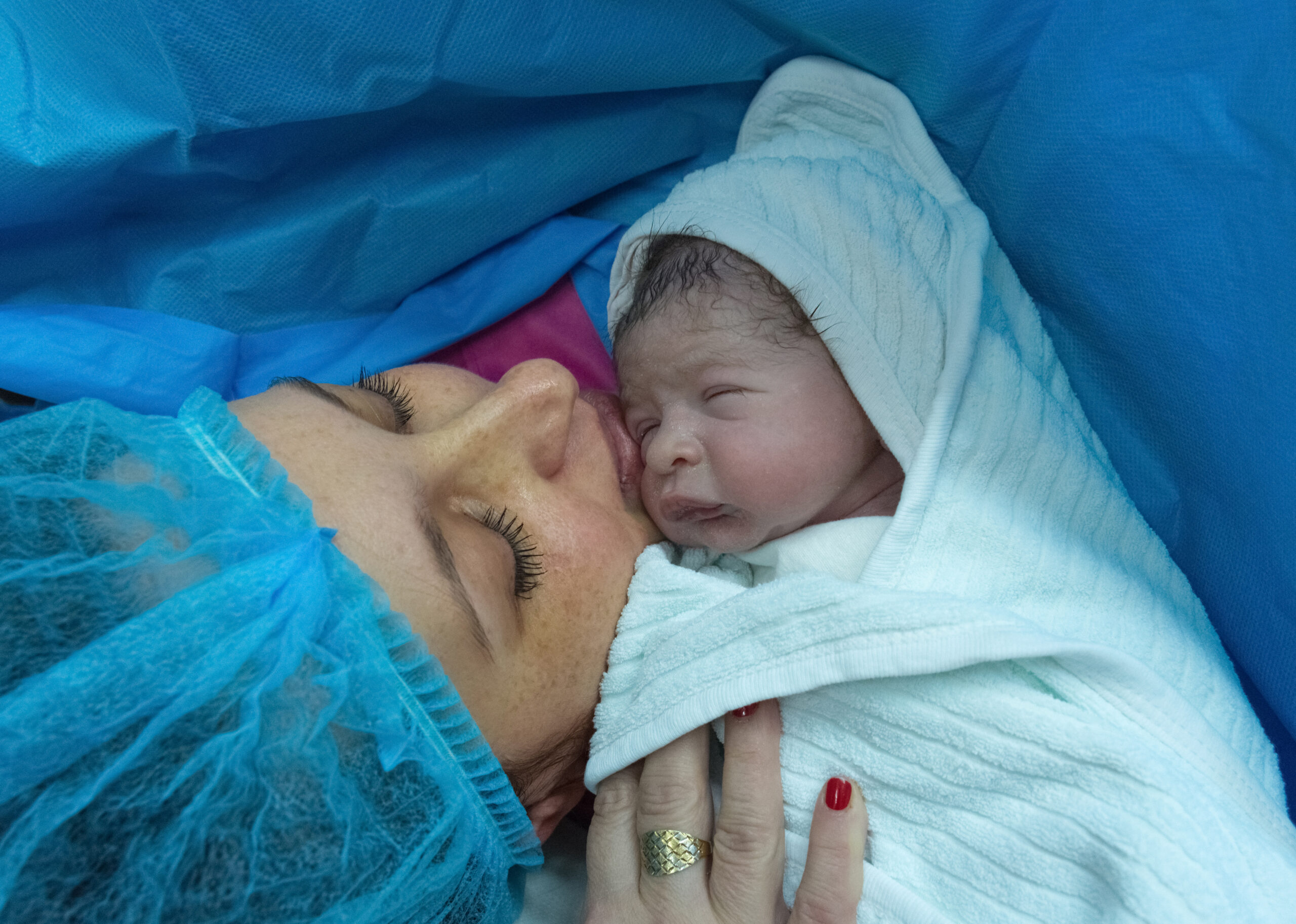
A gentle C-section (also termed a natural cesarean or family-centered birth) is a surgical delivery that integrates many elements commonly associated with an unmedicated vaginal birth.
The aim is to soften the typically clinical atmosphere of the operating room and make space for immediate skin-to-skin contact, early breastfeeding, and enhanced bonding in those first moments after delivery.
What are the benefits of a gentle C-section?
Gentle C-sections can be especially appealing to people who experienced trauma during a prior surgical birth. This approach can help with healing and reclaiming a sense of control in an otherwise medicalized situation.
The “golden hour”
The first hour after birth is often called the golden hour. During this period, newborns are frequently alert, active, and ready to nurse.
Conventional C-sections may involve more time apart between parent and baby during this brief window. A gentle C-section focuses on nurturing that bond right away, regardless of the clinical setting.
Other possible advantages of a gentle C-section include:
- You may feel more like an active participant in the birth rather than a passive observer.
- Early skin-to-skin contact can help regulate the baby’s body temperature and heart rate.
- Bonding and breastfeeding for both parent and child may have a smoother start.
Gentle C-section vs. traditional C-section
How does a traditional C-section differ from a gentle one? The surgical techniques and safety standards remain the same. What changes is the atmosphere and approach in the room to align with the family’s wishes.
Key distinctions include:
| Traditional C-section | Gentle C-section |
|---|---|
| You wear a surgical gown and typically have little control over the OR environment. | If allowed by the hospital, you might wear your own clothes and have music or softer lighting to create a calmer ambiance. |
| Monitors are arranged as directed by clinical staff. | Monitors like the pulse oximeter and ECG are deliberately positioned away from the torso to permit arm movement and space for skin-to-skin contact after birth. |
| Surgery is done with an opaque surgical drape to preserve sterility. | A “peek-a-boo” or clear drape may be used so you can see your baby being born while safety is maintained. |
| Baby is delivered quickly and the cord is clamped and cut soon after birth. | Baby might be “walked out” of the uterus and you can request delayed cord clamping/cutting. |
| Staff typically monitor and weigh the baby immediately after delivery. | Baby may be placed on your chest for skin-to-skin contact and early nursing, with formal assessments postponed when feasible. |
How to talk to your OB-GYN about having a gentle C-section
Even if you’re early in pregnancy, consider asking your OB-GYN about their experience with gentle C-sections. Some clinicians may be unfamiliar with this approach.
Others might be comfortable with it, but hospital policies could limit what’s possible. Learning your provider’s attitude and your hospital’s rules will help you plan.
If having a gentle C-section matters a great deal to you and your current options don’t allow it, you might consider finding a provider or facility that supports your preferred birth experience.
Helpful questions to ask include:
- Are you familiar with gentle C-sections? Do other doctors in your group know about them too (including those who might be on call)?
- Are there any maternal or fetal conditions that would prevent certain requests? If so, what alternatives exist?
- Does the hospital have policies that would make my birth plan impractical? Who can I contact to get specifics?
- Are extra people allowed in the OR, such as a doula or photographer?
Specifics to include in your birth plan
Genevieve Howland, author of the well-known blog Mama Natural, lists several items you can include in your birth plan if you want a gentle C-section.
During the C-section itself:
- Ask for an epidural or spinal block rather than general anesthesia whenever possible. This is typically reasonable unless emergency surgery is necessary.
- Request that the anesthesiologist avoid giving additional sedating medications without your permission, since some drugs can make it hard to focus on the birth.
- Ask about clear or “peek-a-boo” drapes so you can see your baby being lifted from your body.
- Request that monitors be positioned to allow easy movement so you can hold and nurse your baby after delivery.
- Request that your gown be adjusted to permit immediate skin-to-skin contact.
- Ask for delayed cord clamping and cutting until the cord has stopped pulsing.
- Request the placenta be saved or frozen if you plan to encapsulate it or wish to keep it for another reason.
After your baby is delivered:
- Tell the team if you plan to breastfeed in the OR so they can assist you into a comfortable position.
- Name your partner (if you have one) as the person to provide skin-to-skin contact if you are unable to do so, for instance in an emergency C-section.
- Ask that post-delivery procedures (weighing, bathing, etc.) be postponed until after optimal bonding time.
- Ask if you can hold your baby while being moved into recovery.
Other considerations:
- Ask whether you can play your own music or have dimmed lighting during the procedure.
- Check if a doula or another trusted person may photograph or video the birth.
- Ask about a vaginal swab — a sample taken from your vagina and applied to your baby’s skin, mouth, or nipples to help transfer microbes similar to those acquired during vaginal birth.
Again, discuss any hospital policies with your OB and facility staff so you know what’s feasible. Rules exist for important reasons, so collaborating with your healthcare team will help you make the most of your birth experience.
Related: Why “vaginal seeding” may help babies born via C-section

Expecting the unexpected
Even the most thorough birth plans should allow for unforeseen circumstances.
Your medical team prioritizes the health and safety of you and your baby. If complications arise for either of you, they may need to diverge from your plan to ensure a good outcome.
That could mean anything from needing emergency general anesthesia to requiring close monitoring of your baby in a warmer after delivery.
No two births are identical, so it helps to be flexible and understanding if plans change. Your OB-GYN will aim to honor your preferences, but emergencies sometimes necessitate different actions.
If you’re worried, consider including contingency details in your plan. For example, if you must be anesthetized, your partner could provide skin-to-skin contact until you’re alert and able to do so yourself.
The takeaway
Babies arrive into the world in many different ways. While you can’t control every aspect of how your delivery unfolds, you can often make parts of a C-section feel less clinical.
Talk with your OB-GYN and reach out to your hospital to learn which policies may affect your birth plan. Communicate your wishes to your partner and care team — and prepare to welcome your baby.






















Leave a Reply
You must be logged in to post a comment.