
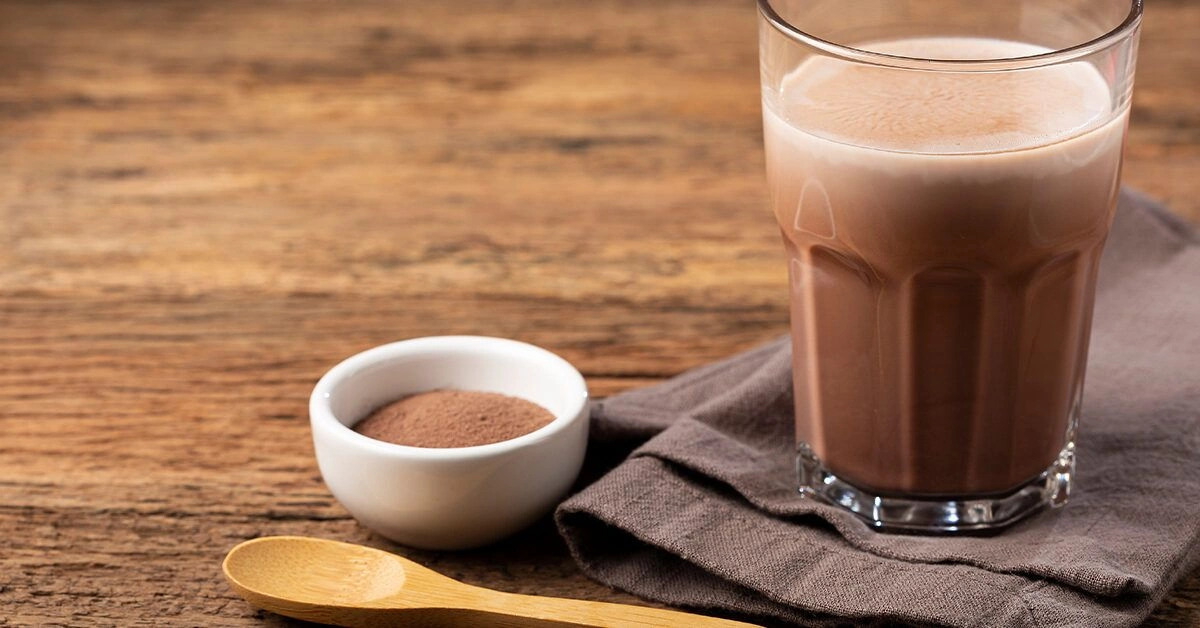
Ovaltine contains several important vitamins and minerals, such as vitamins A, D, and B-complex, calcium, and copper. However, it’s also relatively high in added sugars, which can negatively affect health if consumed in excess.
Ovaltine is a well-known fortified drink mix that supplies a range of essential micronutrients.
Introduced in 1904, it can be prepared as a warm or cold beverage using milk or water. It’s commonly found in classic malt and chocolate malt varieties.
Despite its vitamin and mineral content, you might be wondering whether Ovaltine is truly a healthy choice and if it should be consumed regularly.
This article examines Ovaltine’s principal nutrients, its advantages, and possible disadvantages.
Ovaltine nutrition
Ovaltine delivers notable amounts of several B vitamins, including vitamin B6, niacin, and thiamin.
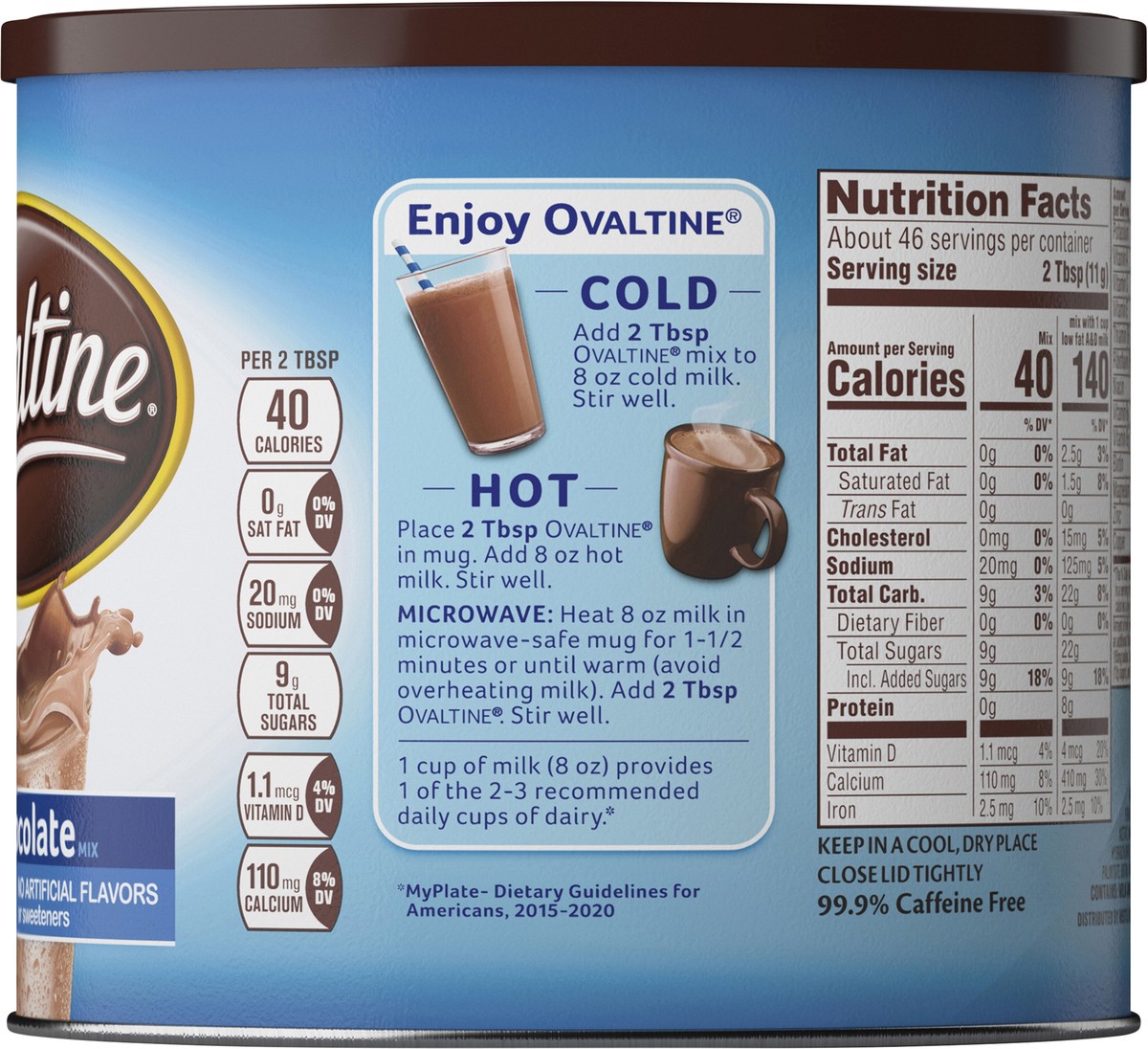
Below is the nutrition breakdown for a 2-tablespoon (11 gram) serving of chocolate malt-flavored Ovaltine (1, 2):
| Mixed with 8 ounces (240 mL) of water | Mixed with 8 ounces (240 mL) of skim milk | |
| Calories | 40 | 123 |
| Fat | 0 grams | 0 grams |
| Protein | 0 grams | 8 grams |
| Carbs | 9 grams | 21 grams |
| Fiber | 0 grams | 0 grams |
| Sugar | 9 grams | 22 grams |
| Added Sugar | 9 grams | 9 grams |
| Vitamin A | 20% of the daily value (DV) | 37% of the DV |
| Vitamin D | 4% of the DV | 19% of the DV |
| Vitamin C | 6% of the DV | 6% of the DV |
| Vitamin B6 | 40% of the DV | 45% of the DV |
| Niacin | 15% of the DV | 16% of the DV |
| Thiamin | 15% of the DV | 24% of the DV |
| Copper | 20% of the DV | 24% of the DV |
| Magnesium | 8% of the DV | 12% of the DV |
| Iron | 10% of the DV | 10% of the DV |
| Calcium | 8% of the DV | 31% of the DV |
The nutritional profile of Ovaltine varies slightly with flavor and the liquid you combine it with. For instance, preparing the powder with milk increases calories, protein, vitamin D, and calcium.
Ovaltine benefits
Thanks to its fortification, Ovaltine can offer meaningful nutritional advantages, particularly when someone can’t consume a varied diet temporarily.
1. Good source of B vitamins
Ovaltine provides substantial amounts of several B vitamins.
A serving of Ovaltine (21 grams) supplies about 15–40% of the DV for various B vitamins like vitamin B6, niacin, and thiamin.
These vitamins are crucial for numerous bodily functions, including gene expression, cellular signaling, DNA synthesis, and converting food into usable energy (3, 4, 5).
Additionally, research on similar malted milk beverages suggests they might enhance sleep quality in children and older adults. The mechanism isn’t fully understood but may involve B vitamins influencing melatonin and sleep regulation (6).
2. Rich in calcium and vitamin D
When mixed with 8 ounces of skim milk, one serving of Ovaltine supplies 31% of the DV for calcium and 19% of the DV for vitamin D (1, 2).
Calcium and vitamin D are vital for bone health and help reduce the risk of osteoporosis, a condition marked by bone thinning and fragility (7).
The majority of body calcium is stored in bones, so inadequate calcium intake can contribute to weaker bones.
Vegans and people who are lactose intolerant may be more likely to have insufficient calcium because many primary sources of calcium and vitamin D are animal-derived (8).
Moreover, calcium bioavailability from plant foods varies, while dairy-based calcium is typically well absorbed (8).
Vitamin D is also necessary for efficient calcium absorption. Although the body can synthesize vitamin D through sunlight exposure, limited outdoor time, sunscreen, and protective clothing can increase the risk of deficiency (9, 10).
3. High in vitamin A
One serving of Ovaltine supplies about 20% of the DV for vitamin A.
Vitamin A encompasses fat-soluble compounds, including retinoids and carotenoids (11).
Vitamin A supports low-light vision, maintains healthy skin and mucous membranes, and bolsters immune function (12).
It’s also important for reproductive health and fetal development; vitamin A is involved in gamete formation and the development of the embryo’s brain, eyes, and spinal cord (13).
The recommended intake of vitamin A is 700 microgram retinol activity equivalents (mcg RAE) for women and 900 mcg for men (14).
4. Loaded with copper
Adults require about 0.9 mg of copper per day, and one serving of Ovaltine supplies roughly 20% of that need (1, 15).
Copper is a trace mineral required in small amounts but is crucial for many bodily processes.
It contributes to the formation of red and white blood cells and is necessary for hemoglobin production, the molecule that transports oxygen in the bloodstream.
One consideration is that high zinc supplementation can impair copper absorption and raise the risk of copper deficiency, which may lead to copper-deficiency anemia (16, 17).
Summary: Ovaltine supplies several essential nutrients, including B vitamins, vitamin D, vitamin A, calcium, and copper.
Ovaltine downsides
Although Ovaltine can be a concentrated source of micronutrients when your diet is inadequate—such as during illness—it contains considerable added sugars and may not provide sufficient protein.
A single serving of Ovaltine can contain up to 9 grams of added sugars from ingredients like table sugar, maltodextrin, and molasses.
Excessive intake of added sugars is associated with chronic conditions including cardiovascular disease, hypertension, and type 2 diabetes (18).
The U.S. dietary guidelines recommend that added sugars make up less than 10% of total calories for individuals older than 2. On a 2,000-calorie plan, that corresponds to under 50 grams (about 12 teaspoons) per day (14).
The American Heart Association suggests an even stricter limit—about 5% of calories from added sugars, which equates to roughly 25 grams for women and 36 grams for men (15).
Also, when mixed with water, Ovaltine supplies no protein. So if you use it to replace nutrients, you may fall short on protein unless you prepare it with dairy, soy, or a protein-fortified plant milk.
Adult protein requirements are about 46 grams daily for women and about 56 grams for men (16).
Lastly, Ovaltine contains caramel color, a food additive under continued study for potential health effects. Currently, the FDA states that available evidence does not indicate a risk to humans.
Summary: One serving of Ovaltine may include up to 9 grams of added sugar—around half of some recommended daily limits—and, when combined with water or low-protein plant milks, won’t provide protein needs.
The bottom line
Ovaltine is a fortified beverage that provides numerous essential vitamins and minerals, and is a reliable source of vitamins A, D, B-complex, calcium, and copper.
However, it also contains a notable amount of added sugars, which can have adverse health consequences if consumed excessively.
Ovaltine can be useful to help meet nutrient needs during periods when eating is difficult, but it should not replace a varied, balanced diet.
Just one thing
As a dietitian, I recommend getting nutrients from whole foods whenever feasible. Still, in situations like low appetite, oral surgery recovery, or other temporary challenges, fortified drinks such as Ovaltine can make it easier to satisfy nutritional requirements for a short time.


















Leave a Reply
You must be logged in to post a comment.