
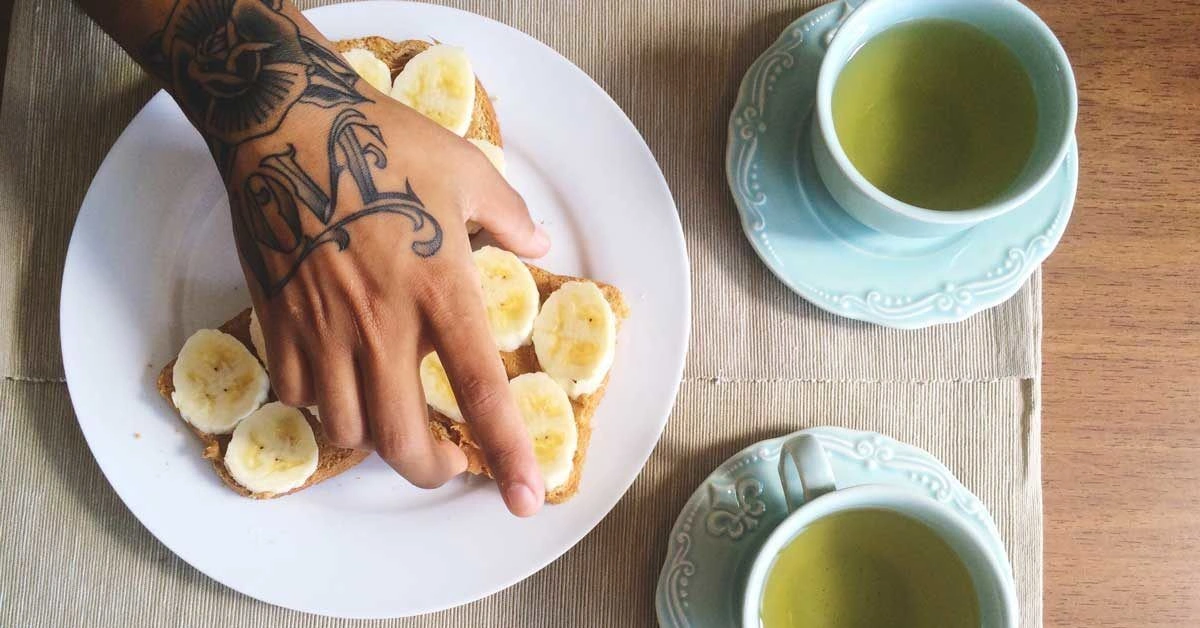
Bananas rank among the globe’s most enjoyed fruits.
They’re nutrient-dense, naturally sweet, and frequently used as a key ingredient in numerous dishes.
Bananas are even brewed into a calming cup of tea.
This piece examines banana tea — its nutrition, potential health effects, and how to prepare it.

What is banana tea?
Banana tea is prepared by simmering an entire banana in hot water, then discarding the fruit and sipping the infused liquid.
You can make it with or without the skin, based on personal preference. When brewed with the skin, it’s commonly called banana peel tea.
Because the peel contains more fiber and takes longer to extract its compounds, many people opt to remove it.
Most people flavor this banana-infused drink with a pinch of cinnamon or a drizzle of honey. It’s frequently consumed in the evening to promote relaxation and sleep.
Summary: Banana tea is a banana-infused drink made by steeping whole bananas in hot water, often enhanced with cinnamon or honey. You can brew it with the peel, though that requires more time to extract its components.
Banana tea nutrition
Comprehensive nutritional data for banana tea is limited.
However, since whole bananas and water are used, the tea likely contains some water-soluble nutrients present in bananas, such as vitamin B6, potassium, magnesium, manganese, and copper (1).
Because most brewers discard the banana after steeping, banana tea contributes minimal calories.
Although steeping releases certain nutrients like vitamin B6 and potassium into the water, you won’t obtain the full content found in the intact fruit. Extending the steeping period can raise nutrient levels in the tea.
Still, banana tea may supply useful amounts of potassium and magnesium, minerals linked to cardiovascular health and improved sleep (2, 3, 4).
It also contains some vitamin B6, which supports immune function and red blood cell formation (5, 6).
Summary: Banana tea can provide vitamin B6, potassium, magnesium, manganese, and copper, though the exact amounts vary with how it’s prepared and how long it’s brewed.
Health benefits of banana tea
Sipping banana tea may deliver several health advantages.
May contain antioxidants
Bananas naturally contain water-soluble antioxidants like dopamine and gallocatechin, which may help neutralize free radicals and reduce risk factors for chronic conditions such as heart disease (7, 8).
The peel holds substantially higher antioxidant concentrations than the flesh. Including the peel when brewing could increase your intake of these compounds (7, 9).
Although bananas are rich in vitamin C, banana tea is unlikely to be a good source of it because vitamin C is heat-sensitive and may be destroyed during boiling (10).
May reduce bloating
Banana tea is a source of potassium, an electrolyte that plays a key role in fluid balance, healthy blood pressure, and muscle function (11, 12).
Potassium and sodium work together to govern fluid balance in cells. When sodium is disproportionately high, water retention and bloating can occur (11).
The potassium and fluid in banana tea may help offset bloating from a salty meal by prompting the kidneys to excrete excess sodium in urine (11).
May encourage better sleep
Banana tea has gained popularity as a natural sleep aid.
It provides three nutrients commonly associated with sleep support — potassium, magnesium, and tryptophan (1).
Bananas are a decent source of magnesium and potassium, minerals that may enhance sleep quality and duration via their muscle-relaxing effects (3, 13, 14).
They also contain some tryptophan, an amino acid needed to produce sleep-promoting hormones like serotonin and melatonin (15, 16).
However, no research has directly tested whether banana tea improves sleep.
Additionally, it’s uncertain how much of these nutrients transfer into the tea during brewing, so it’s difficult to say whether drinking the infusion provides the same sleep benefits as eating a banana.
Low in sugar
Banana tea can serve as a healthier substitute for sugary drinks.
Only a limited portion of the banana’s sugar dissolves into the water during steeping, offering a gentle natural sweetness to the tea.
Many people consume excessive sugar through beverages, which is linked to higher risks of obesity, heart disease, and type 2 diabetes (17).
Choosing drinks without added sugars, like banana tea, is a simple way to reduce overall sugar intake.
May support heart health
Compounds in banana tea could benefit cardiovascular health.
Banana tea contains potassium and magnesium, minerals associated with lowering blood pressure and reducing risks of heart disease and stroke (2, 18, 19, 20).
In a study of 90,137 women, a diet high in potassium was associated with a 27% lower risk of stroke (21).
Additionally, catechins — antioxidants present in banana tea — may help lower heart disease risk. Still, no direct studies have examined banana tea’s antioxidant effects on cardiovascular outcomes (8).
Summary: Banana tea offers nutrients and antioxidants that could lower heart disease risk and help prevent bloating. It’s naturally low in added sugar, making it a good alternative to sweetened beverages.
How to make banana tea
Banana tea is straightforward to prepare and works well with or without the peel.

Banana tea without the peel
- Pour 2–3 cups (500–750 ml) of water into a pot and bring it to a boil.
- Peel one banana and trim off both ends.
- Place the banana into the boiling water.
- Lower the heat and let it simmer for 5–10 minutes.
- Stir in cinnamon or honey if desired.
- Remove the banana and divide the brewed liquid into 2–3 servings.
Banana peel tea
- Pour 2–3 cups (500–750 ml) of water into a pot and bring it to a boil.
- Rinse a whole banana under running water to remove any dirt or residue.
- With the peel intact, cut off both ends.
- Add the banana to the boiling water.
- Lower the heat and simmer for 15–20 minutes.
- Add cinnamon or honey if you like.
- Remove the banana and divide the infused liquid into 2–3 cups.
If you have leftovers, store them in the refrigerator and consume within 1–2 days, either chilled or gently reheated.
To avoid wasting the fruit, repurpose the spent banana in recipes like smoothies, porridge, or banana bread.
Summary: To make banana tea, simmer a peeled banana in hot water for 5–10 minutes. If you prefer leaving the peel on, simmer it for 15–20 minutes. Add cinnamon or honey for flavor.
The bottom line
Banana tea is made from bananas and hot water, sometimes sweetened with cinnamon or honey.
It supplies antioxidants, potassium, and magnesium, which may aid heart health, support sleep, and reduce bloating.
If you’re looking to try a new, soothing beverage, banana tea is tasty, simple to prepare, and worth a try.

















Leave a Reply
You must be logged in to post a comment.