
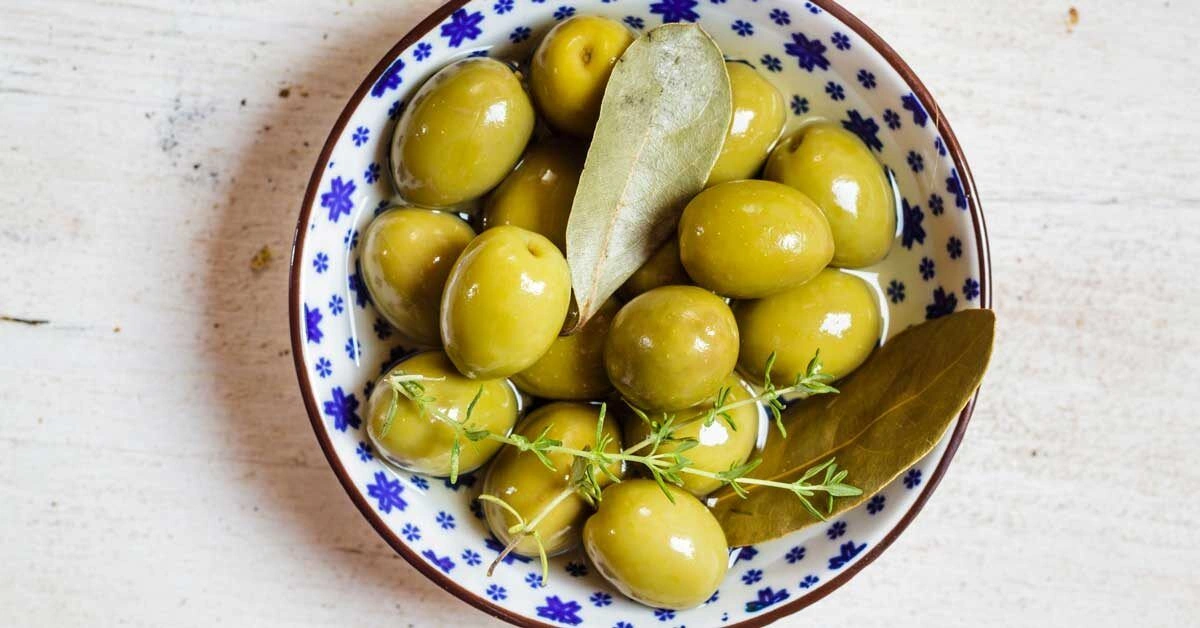
Olives are small fruits that grow on the olive tree (Olea europaea). They are classified as drupes, or stone fruits, and share botanical kinship with mangoes, cherries, peaches, almonds, and pistachios.

These fruits are especially rich in vitamin E and other potent antioxidants. Research indicates they support heart health and may offer protection against osteoporosis and certain cancers.
The beneficial fats found in olives are extracted to make olive oil, a central element of the widely praised Mediterranean diet.
Olives are also eaten whole in salads, sandwiches, and spreads.
Some olives are green when unripe and darken to black as they mature; other varieties remain green even at full ripeness (1).
In Mediterranean countries, around 90% of harvested olives are processed into olive oil (2).
This article covers what you need to know about olives.
Nutrition facts
Olives provide roughly 115–145 calories per 3.5 ounces (100 grams), or about 59 calories for 10 olives.
The nutritional profile for 3.5 ounces (100 grams) of ripe, canned olives is (3):
- Calories:116
- Protein:0.8 grams
- Carbs:6 grams
- Sugar:0 grams
- Fiber:1.6 grams
- Fat:10.9 grams Saturated: 2.3 grams Monounsaturated: 7.7 grams Polyunsaturated: 0.6 grams
Fat
Olives contain about 11–15% fat, with roughly 74% of that being oleic acid, a monounsaturated fatty acid and the primary component of olive oil.
Oleic acid is associated with multiple health advantages, including lowered inflammation and decreased risk of heart disease. Some research even suggests anti-cancer effects (4, 5, 6, 7).
Carbs and fiber
Carbohydrates make up about 4–6% of olives, classifying them as a low-carb fruit.
The majority of these carbohydrates are fiber — fiber represents about 52–86% of the total carb content.
Consequently, the net digestible carbs are very low. Still, olives are not a particularly rich fiber source; 10 olives provide only around 1.5 grams of fiber.
Summary: Olives are an unusual fruit due to their high fat content, mostly oleic acid, which may offer health advantages. They contain 4–6% carbs, the bulk of which is fiber.
Vitamins and minerals
Olives deliver several vitamins and minerals, and some nutrients may be added during processing. Key beneficial nutrients include:
- Vitamin E.High-fat plant foods commonly supply substantial amounts of this antioxidant.
- Iron.Black olives are a decent iron source, which is vital for oxygen transport by red blood cells (8).
- Copper. This essential mineral is often low in Western diets. A deficiency in copper may raise cardiovascular risk (9, 10).
- Calcium.The most plentiful mineral in the body, calcium supports bone, muscle, and nerve function. Certain olive-processing techniques add calcium to the fruit (11).
- Sodium.Many olives have high sodium levels because they are preserved in brine or saltwater.
Summary: Olives provide vitamin E, iron, copper, and calcium. They can also contain significant sodium when stored in salty liquids.
Other plant compounds
Olives are abundant in various plant compounds, notably antioxidants, such as (12):
- Oleuropein. The predominant antioxidant in fresh, unripe olives. It’s linked to numerous health effects (13).
- Hydroxytyrosol. As olives ripen, oleuropein is degraded into hydroxytyrosol, another potent antioxidant (14, 15).
- Tyrosol. Common in olive oil, this antioxidant may have anti-cancer properties (16, 17).
- Oleanolic acid. This compound may help protect the liver and reduce inflammation (18, 19).
- Quercetin. This flavonoid may help lower blood pressure and support cardiovascular health (20).
Summary: Olives are rich sources of antioxidants, including oleuropein, hydroxytyrosol, tyrosol, oleanolic acid, and quercetin.
Processing of olives
The most widely encountered whole olive varieties include:
- Spanish green olives, pickled
- Greek black olives, raw
- California olives, ripened by oxidation, then pickled
Because fresh olives are quite bitter, they are rarely eaten raw. They are instead cured and fermented, a process that lowers bitter compounds like oleuropein, which are most concentrated in unripe fruit.
Fermentation can also reduce cholesterol and increase beneficial microbes in the finished product (21).
That said, a few varieties can be eaten without processing when they are fully ripe.
Processing times vary from a few days to several months depending on the technique. Local traditions shape the methods used, which in turn influence the olives’ flavor, hue, and texture (11).
Lactic acid plays a key role during fermentation, acting as a natural preservative that inhibits harmful bacteria.
Researchers are investigating whether fermented olives might exert probiotic effects, potentially benefiting gut health (21).
Summary: Fresh olives are very bitter and usually require curing and fermentation before they are palatable.
Health benefits of olives
Olives are a mainstay of the Mediterranean diet and are associated with many health advantages, particularly for cardiovascular health and possibly cancer prevention.
Antioxidant properties
Dietary antioxidants are linked to a lower risk of chronic diseases like heart disease and cancer.
Olives are abundant in antioxidants, which can reduce inflammation and inhibit microbial growth (22).
A study from 2009 found that consuming olive pulp residue raised blood glutathione levels, a major antioxidant in the body (23, 24).

Improved heart health
High cholesterol and elevated blood pressure are risk factors for heart disease.
Oleic acid, the predominant fatty acid in olives, is linked to favorable heart outcomes. It may help manage cholesterol and protect LDL (bad) cholesterol from oxidative damage, although some experts call for more evidence (1, 25, 26).
Several studies also report that olives and olive oil can lower blood pressure (27, 28).
Improved bone health
Osteoporosis is defined by reduced bone mass and quality, increasing the likelihood of fractures.
Lower incidents of osteoporosis in Mediterranean regions have prompted the idea that olives might be protective (29).
Some plant compounds in olives and olive oil have been shown in animal and in vitro studies to help prevent bone loss (29, 30, 31, 32).
Observational evidence also suggests that following a Mediterranean-style diet may lower fracture risk (33).
Cancer prevention
Olives and olive oil are staples in Mediterranean diets, where rates of cancer and other chronic illnesses are lower compared with many Western countries (34).
Thus, olives might help reduce cancer risk.
This potential benefit is likely tied to their antioxidant content and oleic acid. Observational and laboratory studies suggest these compounds can interfere with the lifecycle of cancer cells in the breast, colon, and stomach (6, 735, 36, 37).
However, long-term randomized human trials are needed to confirm these findings. At present, it’s not definitive whether eating olives or olive oil directly lowers cancer incidence.
Summary: Olives are loaded with antioxidants that may promote benefits such as lower cholesterol and blood pressure. They might also reduce cancer risk and bone loss, but further research is required.
Potential downsides
Most people tolerate olives well, but they can contain high levels of salt because of the brine used in packaging.
Allergy
While allergic reactions to olive tree pollen are common, true food allergy to olives is uncommon.
Sensitive people may experience oral or throat allergic symptoms after consuming olives (38).
Acrylamide
Acrylamide has been associated with increased cancer risk in some studies, though the link remains debated (39).
Some individuals elect to minimize acrylamide exposure where possible (40).
Certain processed olive types — particularly ripe black olives — may contain elevated acrylamide levels due to processing methods (41, 42, 43, 44). Producers are exploring ways to lower acrylamide formation during processing.
Summary: Olives are generally well tolerated and food allergy is rare. However, they may be high in sodium, and some processed varieties can contain increased acrylamide.
The bottom line
Olives make a flavorful and versatile addition to meals or appetizers.
They are low in digestible carbs but high in beneficial fats, and they’re connected with multiple health benefits, notably for heart health.
This stone fruit is simple to incorporate into your diet and complements a nutritious, whole-foods-based eating pattern.



















Leave a Reply
You must be logged in to post a comment.