

Supplements like vitamins A, B12, and D, along with omega-3s, might help relieve common dry eye symptoms. Simple home measures such as a warm compress or using a humidifier can also bring comfort. Consult your physician before starting supplements to avoid potential toxicity.
If you suffer from dry eye syndrome, you’re in familiar company. More than 16 million people in the U.S. live with dry eye.
There are various strategies to manage symptoms, including taking specific vitamins or supplements.
Research into supplements for dry eye is ongoing. Excessive intake of certain vitamins can cause harm. You may already obtain sufficient amounts of some nutrients from your diet. Check with your healthcare provider before beginning any supplement.
Vitamin A
Vitamin A is a fat-soluble nutrient vital for eye function. It plays a role in tear production and eye lubrication, and a deficiency can contribute to ocular problems, including dryness.
In a small 2019 trial, people with dry eyes took an oral vitamin A supplement—5,000 international units (IU) daily—for 3 days. After this short course, participants noted an improvement in tear quality.
Researchers propose that vitamin A enhances the smoothness of the tear film—the thin fluid layer covering the eye—and supports tear formation.
These findings indicate that 5,000 IU daily might help relieve dry eye symptoms, but further studies are needed to define the optimal dose and whether benefits persist long term.
Avoid consuming over 10,000 IU (3,000 micrograms [mcg]) of vitamin A to prevent toxicity. Being fat-soluble, vitamin A can accumulate in the body. Vitamin A toxicity may lead to:
- nausea
- headaches
- skin irritation
- joint pain
20 foods high in vitamin A.
Vitamin D
Vitamin D is another fat-soluble vitamin found in some foods and supplements.
People with low vitamin D levels may be at greater risk for dry eye. Supplementation may help by reducing inflammation on the eye’s surface:
- A 2019 study reported that vitamin D supplements could enhance the effects of lubricating eye drops.
- A 2018 investigation found that oral vitamin D supplements may improve tear quality and dry eye symptoms.
There’s no established vitamin D dose specifically for treating dry eyes. To prevent toxicity, do not exceed 4,000 IU (100 mcg) of vitamin D. Like vitamin A, vitamin D can build up in the body.
Checking your vitamin D status with a lab test is a smart step before starting supplements.
Seven nutritious foods that are high in vitamin D.
Vitamin B12
Vitamin B12 is a water-soluble vitamin. A deficiency in B12 is linked to dry eye disease and ocular discomfort.
A 2020 study of 76 participants found that combining oral vitamin B12 supplements with artificial tears improved symptoms of dry eye syndrome.
Researchers suggest vitamin B12 may help repair the corneal nerve layer—the nerves on the eye’s outer surface—potentially easing the burning sensation associated with dry eye.
No specific vitamin B12 dosage for dry eye has been established. The appropriate amount depends on factors like your ability to absorb the vitamin.
Doses around 2.4 mcg are generally considered adequate for adults, and there is no defined upper limit for B12. Consult your doctor before using B12 for dry eye.
12 nutritious sources of vitamin B12.
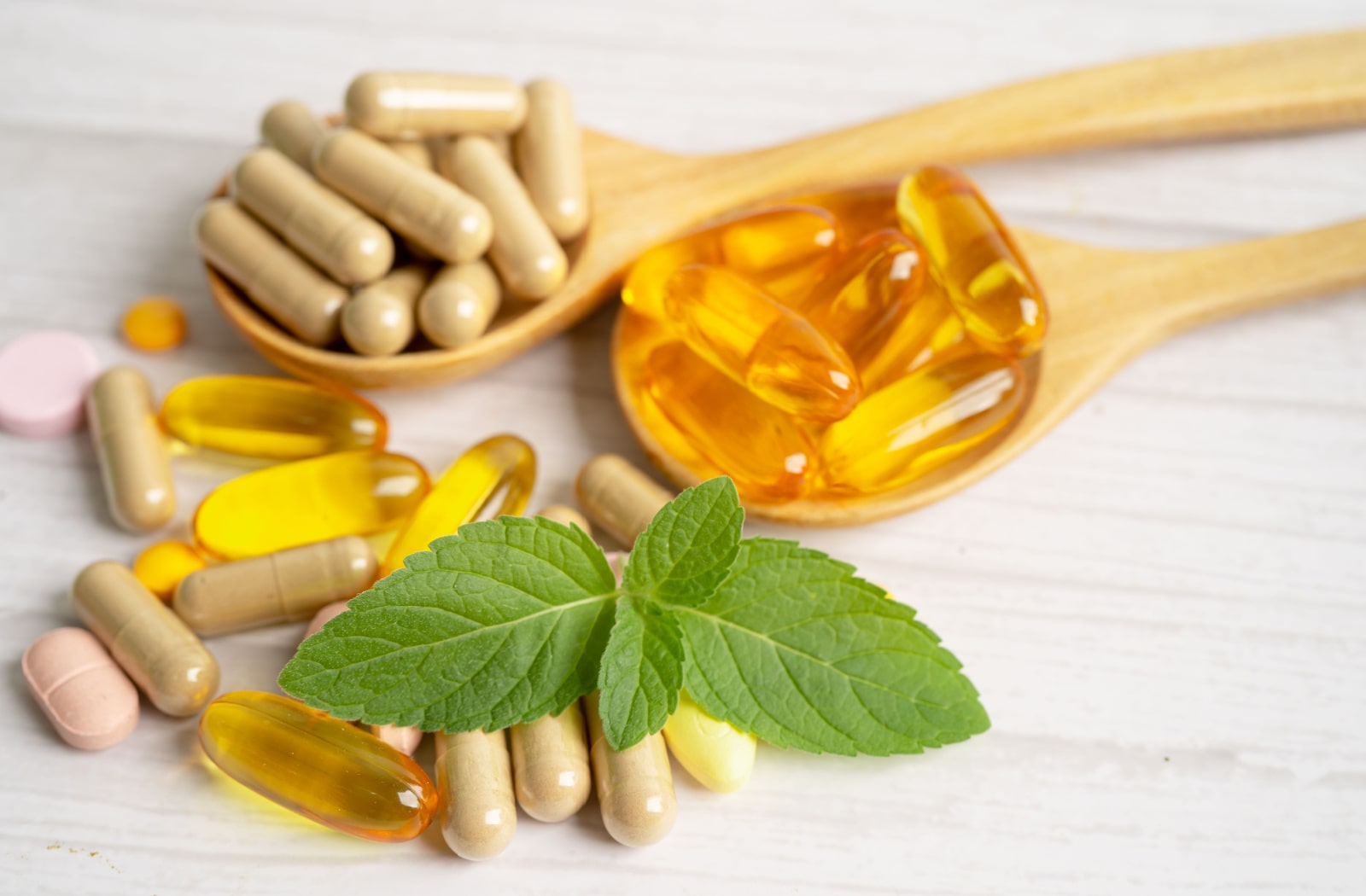
Omega-3
Omega-3s are polyunsaturated fatty acids that support cell membrane structure and help lower inflammation throughout the body.
A 2019 review indicates omega-3 fatty acids may reduce inflammation, easing symptoms such as irritation and discomfort.
However, evidence is mixed. A 2018 trial reported no benefit of omega-3 supplements for dry eye symptoms. Additional research is required.
There’s no official omega-3 recommendation for dry eye treatment. A 2023 study that used EPA and DHA, two principal omega-3s, suggests a combined daily intake between 500 and 3,000 mg of EPA plus DHA for dry eye symptom management.
12 nutritious foods high in omega-3s.
Other remedies for dry eyes
You can also try several home-based approaches to ease symptoms:
- Use artificial tears: Over-the-counter artificial tears lubricate the eyes. Physicians may prescribe medicated eye drops such as cyclosporine (Restasis) or lifitegrast (Xiidra).
- Use a humidifier: Dry, warm indoor air can worsen symptoms. A humidifier increases ambient moisture.
- Avoid direct airflow: Wind, fans, and air conditioning can further dry your eyes. Wear protective eyewear when needed.
- Steer clear of smoke: Avoid exposure to smoke, including cigarette smoke.
- Take breaks from screens: Limit prolonged screen time. Blink regularly to keep eyes moist, or follow the 20-20-20 rule.
- Stay hydrated: Drinking adequate fluids may help support tear production.
- Apply a warm compress: A warm compress on the eyes can bring relief.
- Gently massage your eyelids: Light eyelid massage may reduce symptoms and encourage lubrication.
When to see a doctor
If home measures don’t ease your symptoms, seek medical attention. Contact a doctor if you have:
- sudden vision changes
- worsening eye pain
- severe eye redness
- persistent or escalating eye irritation
These signs could indicate a more serious underlying problem.
In some situations, your clinician may suggest punctal plugs or surgical options. These approaches help retain tears on the eye’s surface.
The takeaway
For mild dry eye, certain supplements may be helpful. Vitamin A can aid tear production, vitamin B12 may ease burning sensations, and vitamin D and omega-3s may lower surface inflammation.
Always talk with your healthcare provider before starting vitamins or supplements for dry eye, because high doses can be harmful. Your doctor can advise the most appropriate nutrient and dose for your situation.
If you experience severe dry eye or sudden changes in vision, seek medical care right away.




















Leave a Reply
You must be logged in to post a comment.