
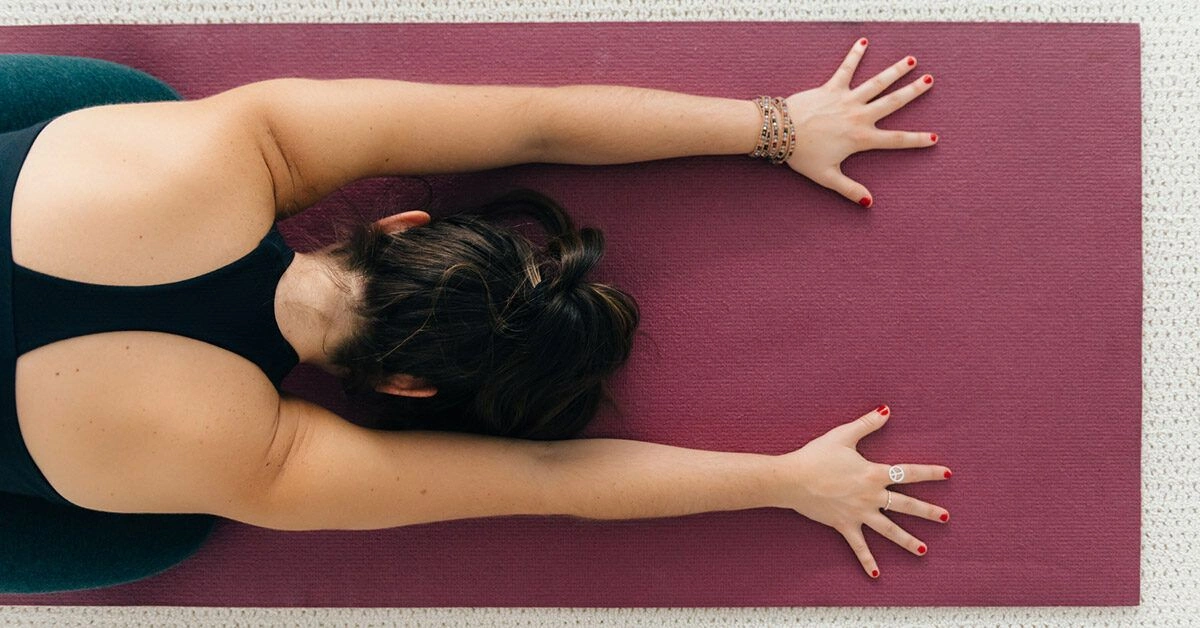
Certain movements can ease tightness in the shoulders. Even when the discomfort is mild, it’s worthwhile to address this area and work on releasing tension. Consult a physician for persistent or severe pain.
Tight shoulders may produce aching or stiffness in the neck, upper back, and chest area, and can interfere with everyday tasks. Stress, muscular tension, and repetitive use often make the shoulders feel stiff.
Prolonged sitting, awkward sleeping positions, and injuries can also lead to tight shoulders. Poor posture and misalignment of the body frequently contribute as well.
Continue reading to discover ways to relieve and avoid tight shoulders.
1. Shoulder raises
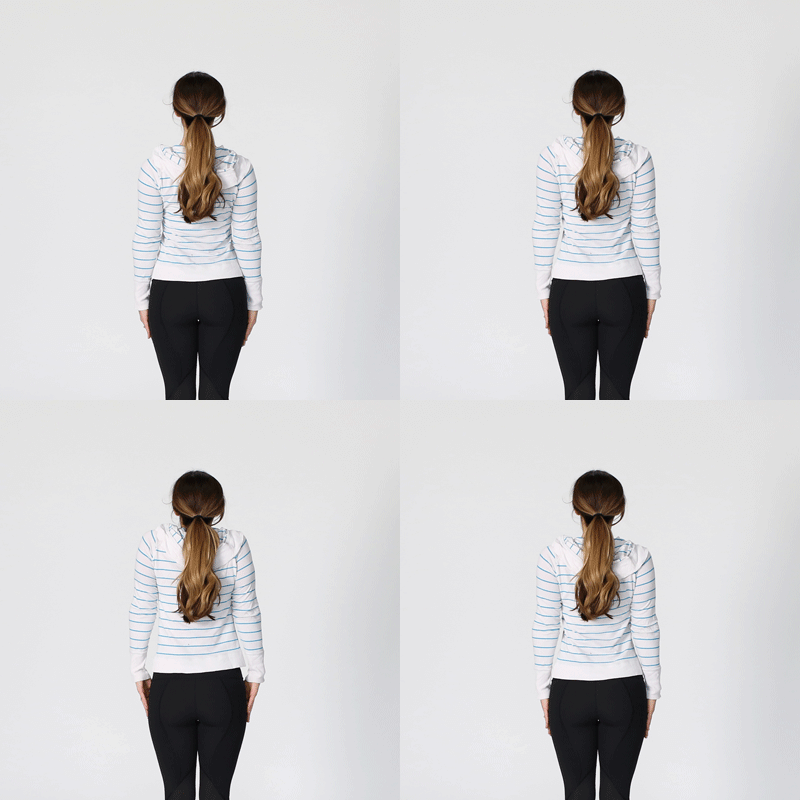
- While standing or seated with arms relaxed at your sides and a straight spine, slowly lift your shoulders up toward your ears.
- Hold that position for a couple of seconds.
- Gently lower your shoulders back down.
- Perform 5 repetitions.
2. Shoulder rolls
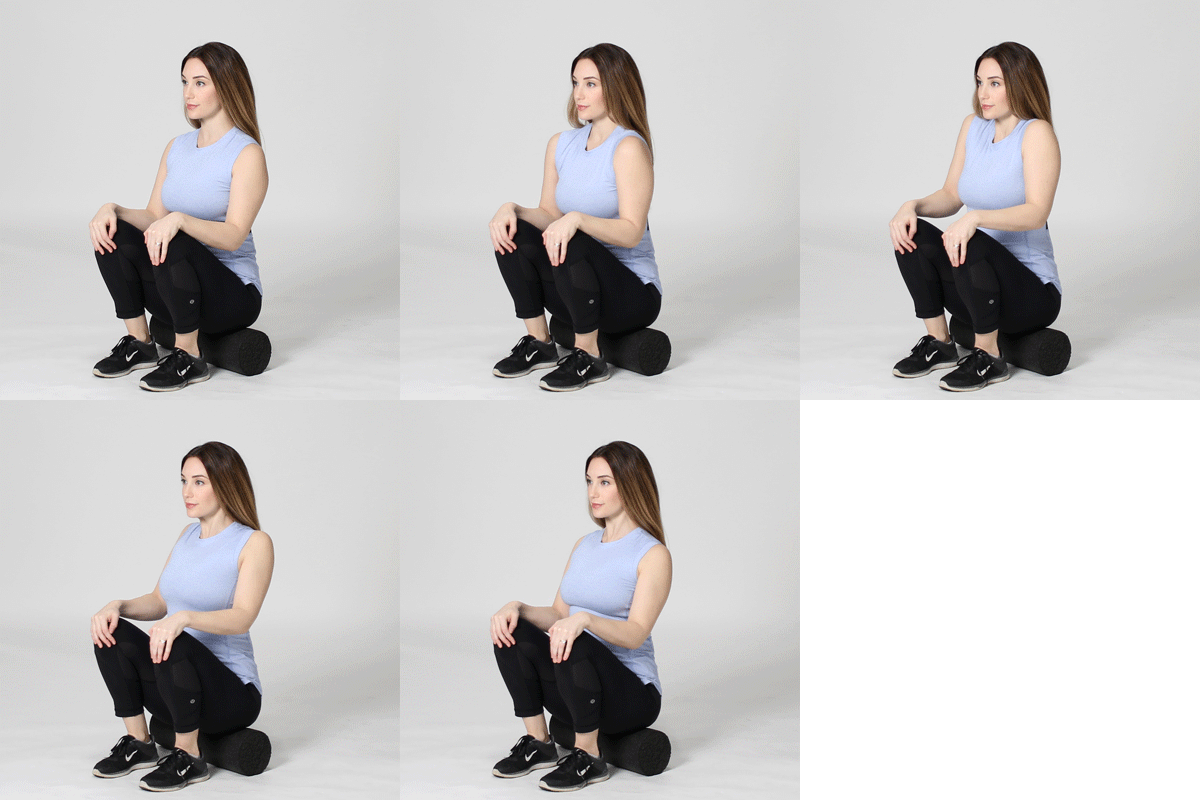
- Keep good posture while standing or sitting.
- Roll your shoulders upward, backward, and downward in a smooth motion.
- Repeat this movement 10 times.
- Then roll your shoulders upward, forward, and downward 10 times.
3. Ear to shoulder
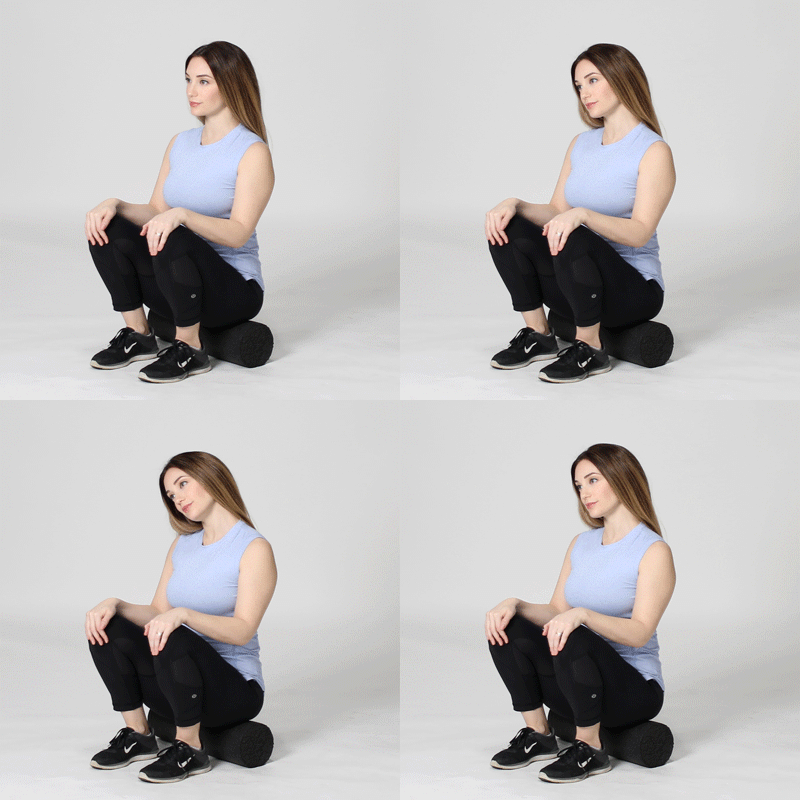
- Sit tall and tilt your head toward your right shoulder.
- Go only as far as is comfortable without lifting your left shoulder.
- To deepen the stretch, use your right hand to gently guide your head downward.
- Hold for 30 seconds.
- Repeat on the other side.
4. Cross-arm stretch
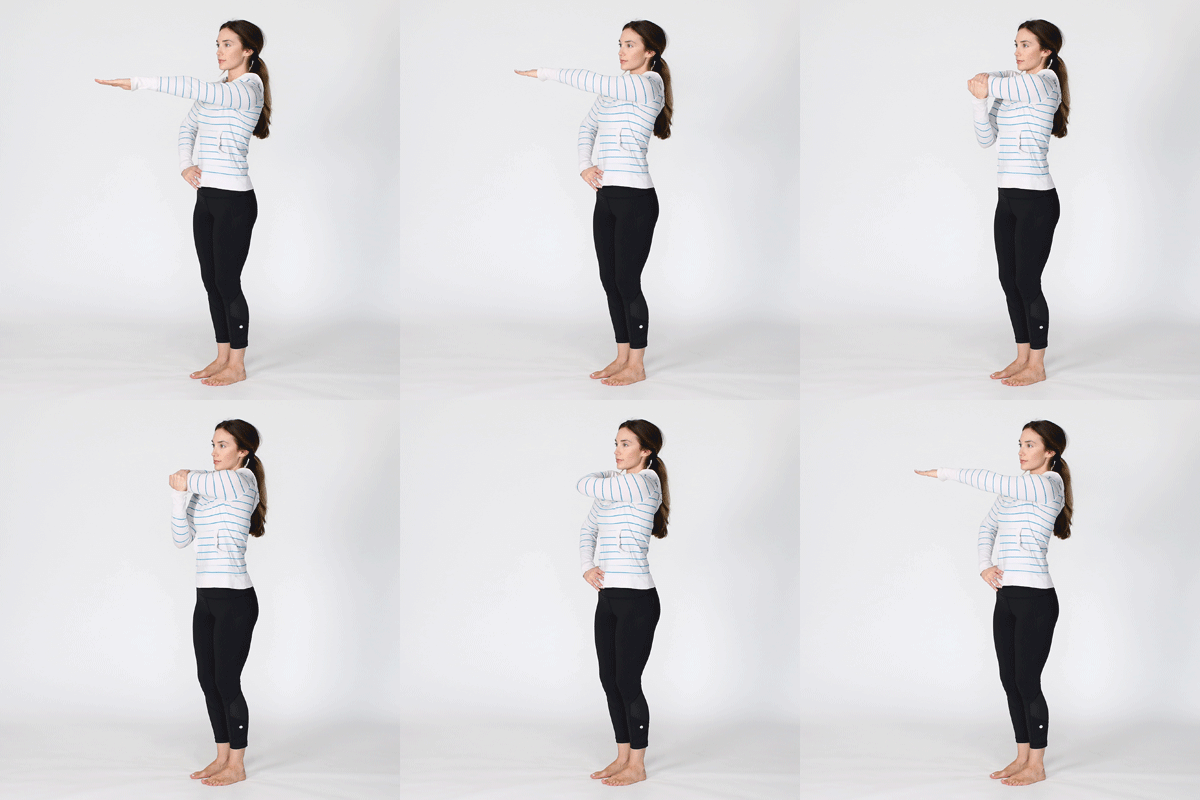
- Bring your left arm across your chest at about mid-chest level.
- Support the left arm with the crease of your right elbow or hold it with your right hand.
- Stretch the shoulder while keeping your torso facing forward.
- Maintain this position for 30 seconds.
- Switch sides and repeat.
5. Standing arm swings
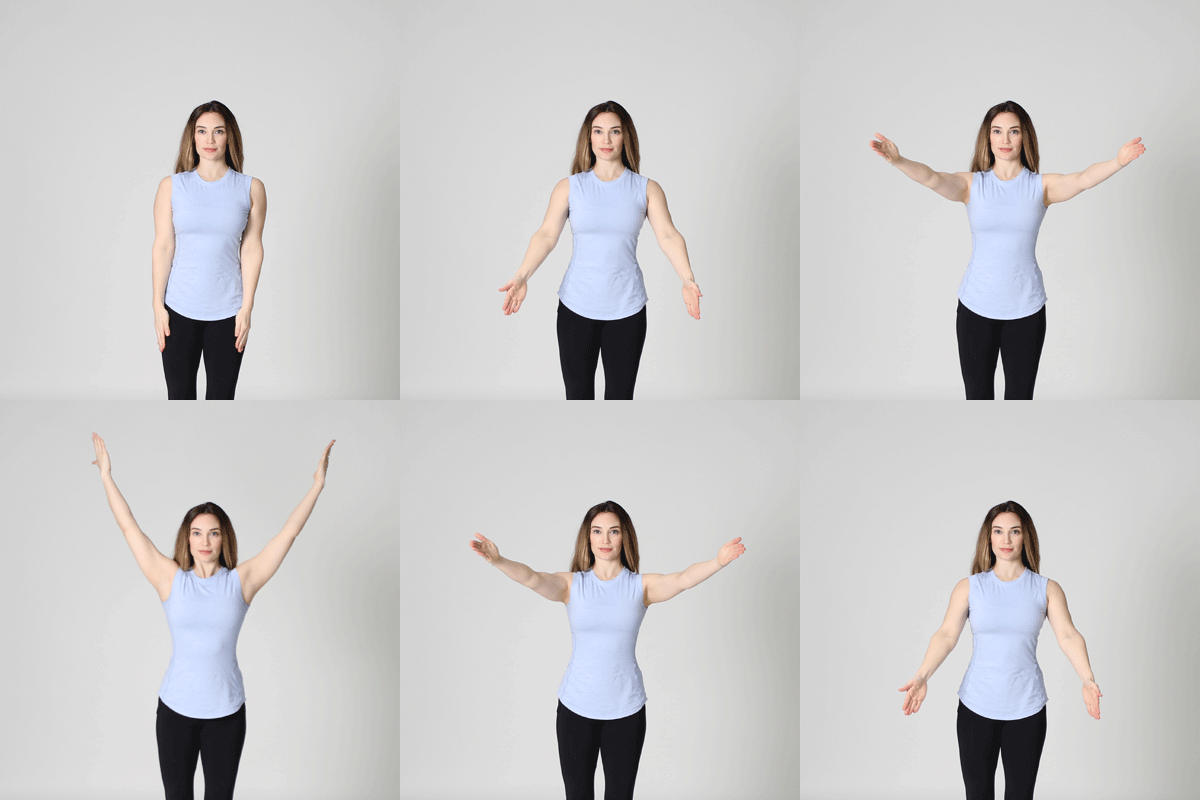
- Stand with arms at your sides, palms facing your body.
- Swing your arms forward until they reach as high as possible without shrugging your shoulders.
- Lower them and swing them back as far as comfortable.
- Keep your torso steady throughout.
- Continue for 1 minute.
6. Standing arm lifts
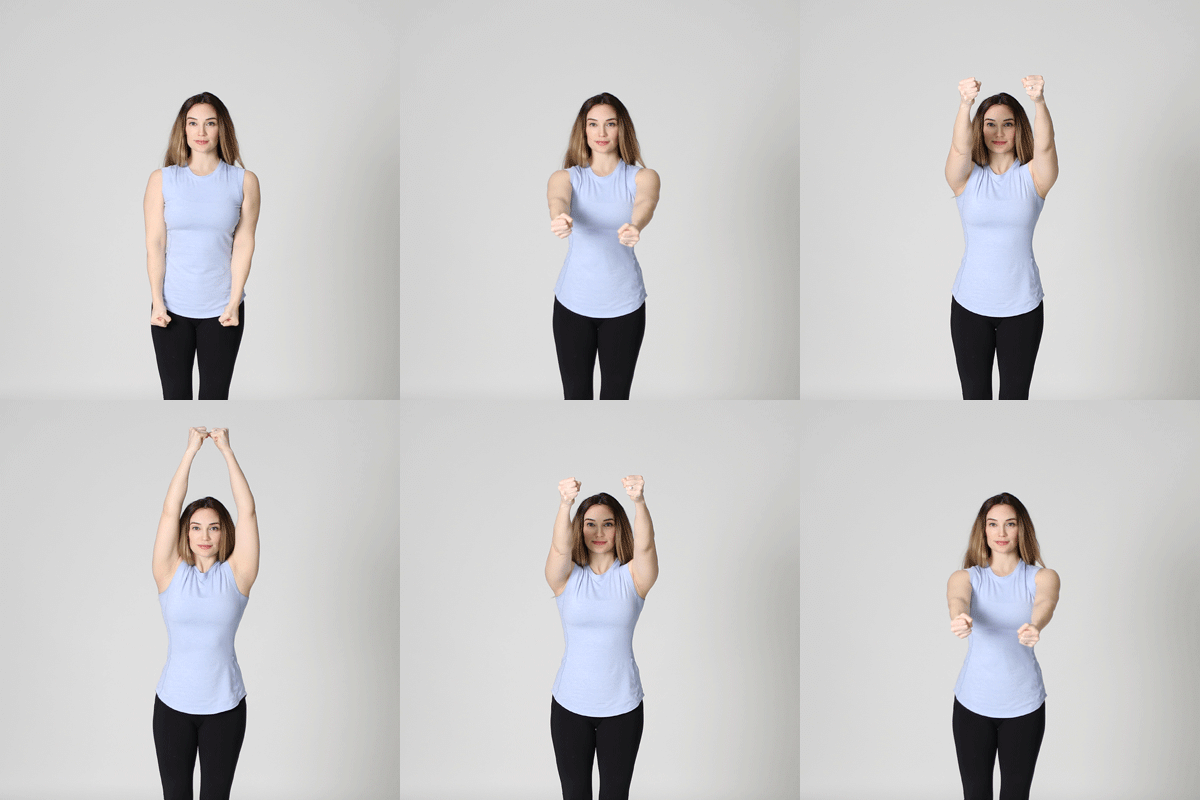
- Clench your hands into fists and position them in front of your hips.
- Inhale as you raise your arms overhead until your hands meet above your head.
- Lower back to the starting position.
- Repeat 10 times.
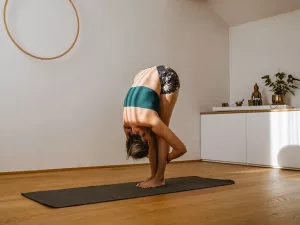
7. Wide-legged standing forward bend
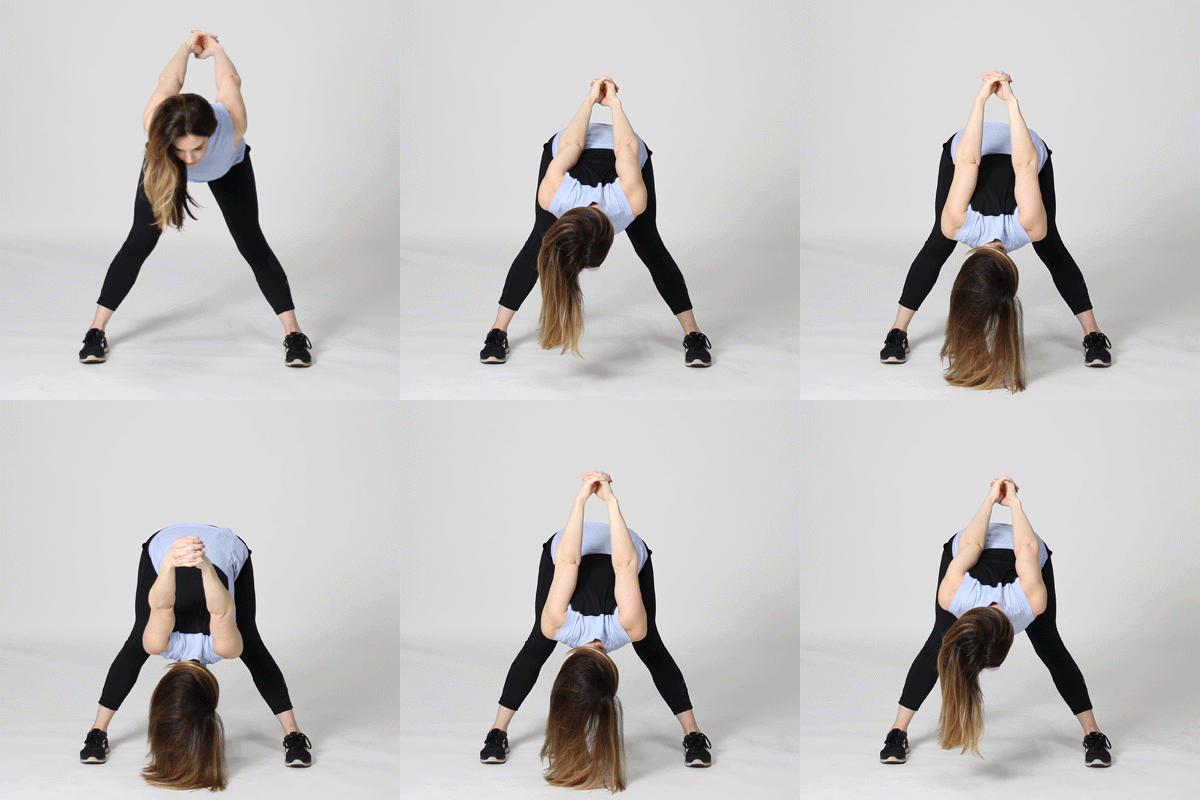
- Stand with feet wider than hip-width and toes pointing forward.
- Interlace your fingers behind your back and open your chest.
- Engage your legs and keep a slight bend at the knees.
- Hinge at the hips to fold forward, lifting your arms toward the sky.
- Let your head hang and tuck your chin slightly toward your chest.
- Stay here for up to 30 seconds.
8. Cat cow pose
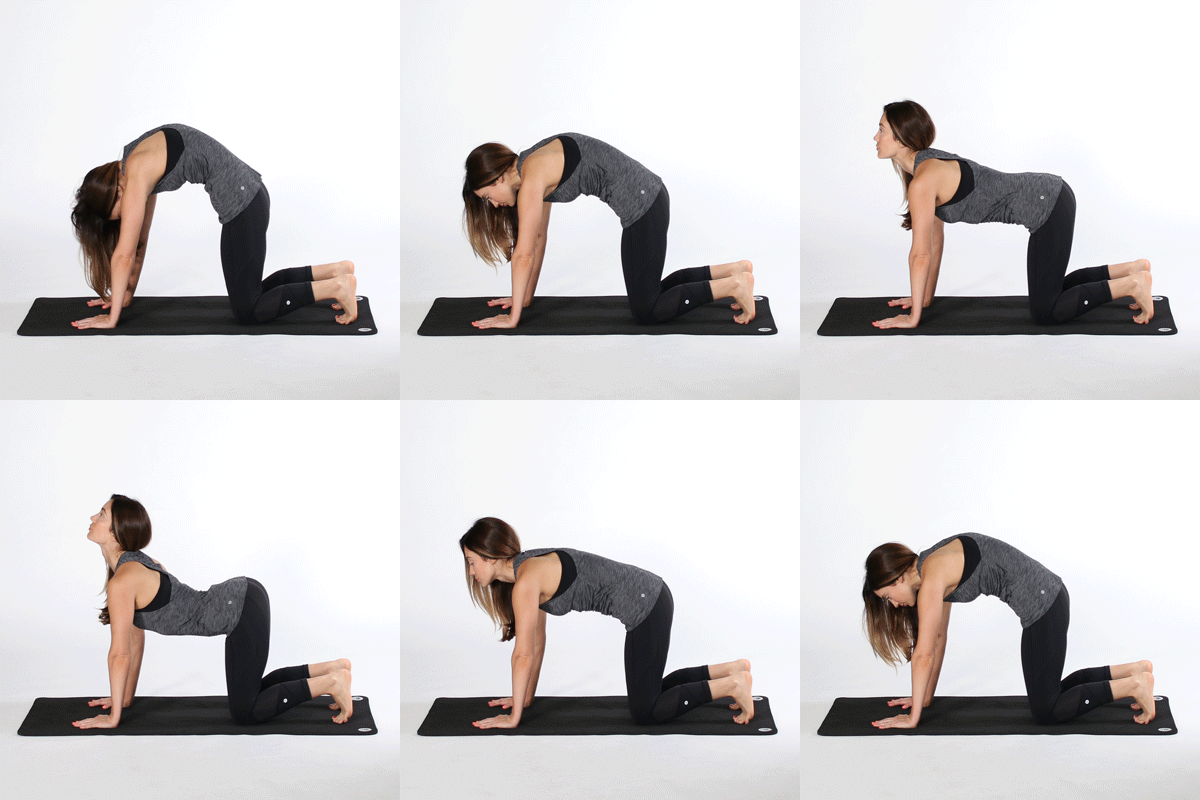
- Place your hands under your shoulders and knees under your hips.
- On an inhale, drop your belly, lift your chest, and gaze upward.
- Exhale as you draw in your core, tuck your chin toward your chest, and round your spine.
- Flow through this movement for several minutes, focusing on shoulder mobility.
- Alternate directions, holding each position for about 10 seconds.
9. Thread the needle
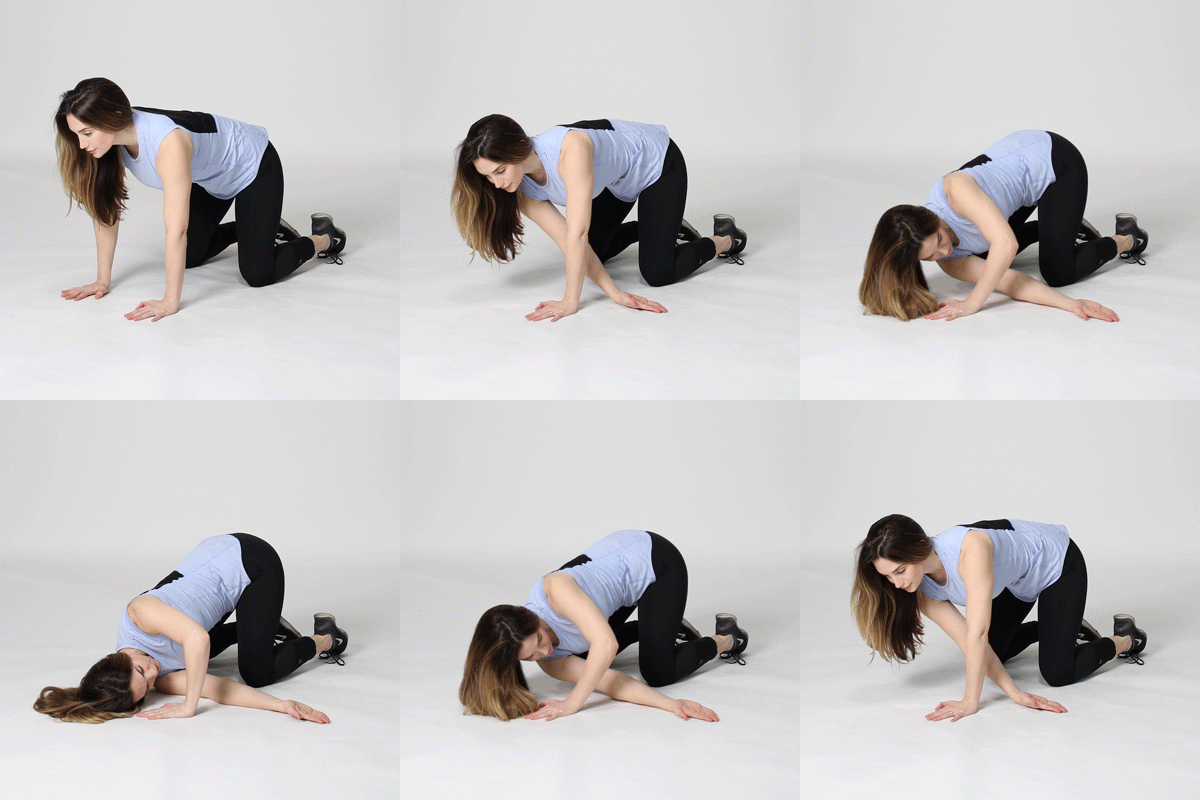
- Begin on all fours with hands beneath shoulders and knees beneath hips.
- Slowly slide your right hand to the left with the palm facing up.
- Lower your body onto your right shoulder and turn your head to the left.
- Avoid collapsing fully onto the shoulder.
- Hold for 30 seconds.
- Return to the starting position slowly.
- Repeat on the other side.
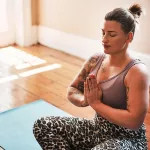
10. Reverse prayer pose
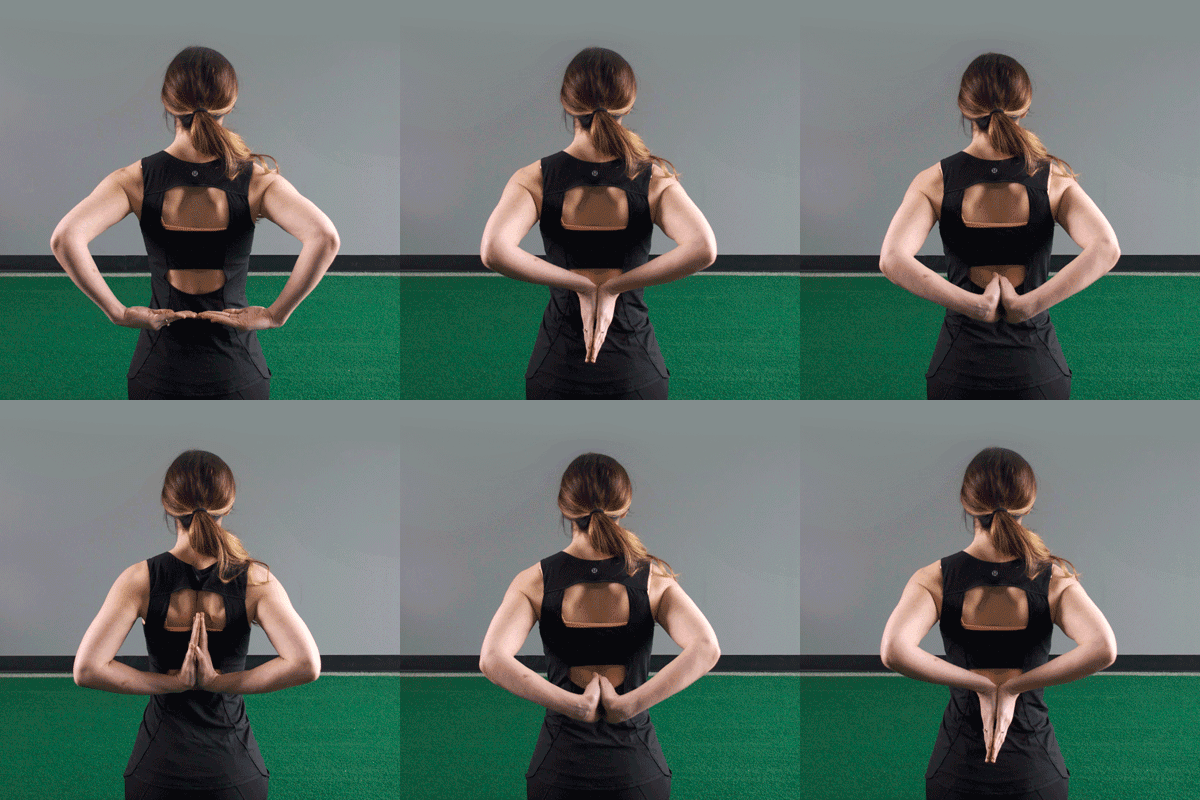
- This can be practiced seated, standing, or in tree pose.
- Reach your hands behind your back with the backs of the hands touching and fingers pointing down.
- Rotate your hands so the fingers point upward.
- Turn your palms to face one another.
- Press your palms together, pull your elbows slightly back, and open your chest.
- Keep your spine elongated.
- Hold for 30 seconds.
11. Cow face pose
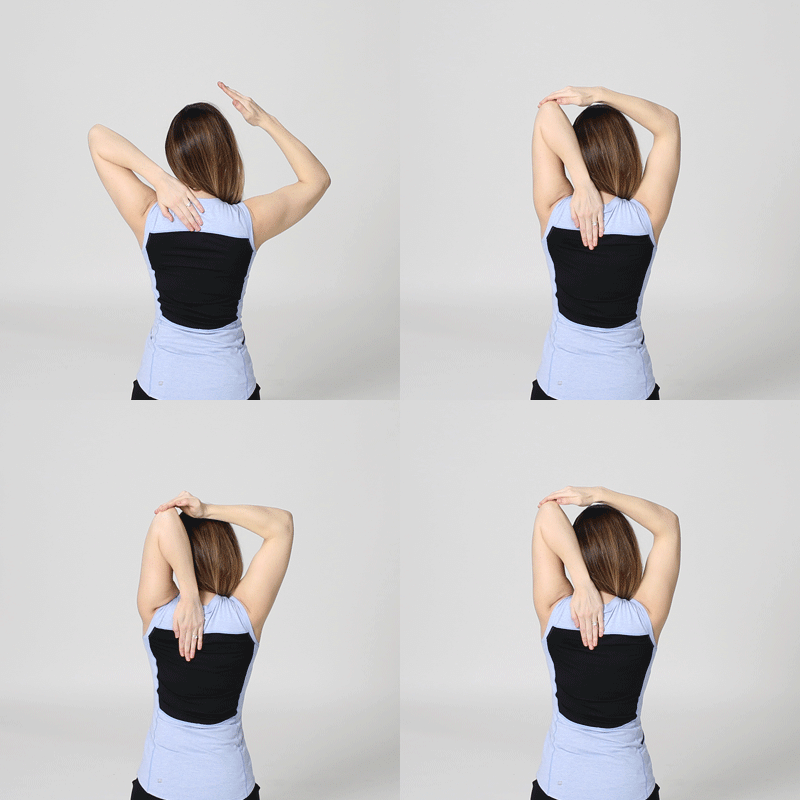
- Sit and lift your left elbow so your hand reaches down your spine with the palm facing inward.
- Use your right hand to pull the left elbow toward the right as your left hand moves further down your back.
- If comfortable, bend your right elbow and reach up to clasp your left hand.
- Hold for 1 minute.
- Switch sides and repeat.
Benefits
Regularly stretching the shoulders helps loosen and strengthen the muscles in that area. Letting go of bodily tension can also enhance your general sense of well-being.
In a 2016 study involving desk workers, researchers observed that routine neck and shoulder stretches over four weeks reduced pain in those regions.
These moves can boost flexibility, expand your range of motion, and lower injury risk. If you’re pressed for time, break them into short sessions throughout the day. As your strength and mobility improve, you can increase the number of sets.
Causes
Several factors contribute to tight shoulders, including aging. Daily activities often involve bending forward, which places stress on the shoulders, neck, and back.
Common routines such as texting, prolonged sitting, or carrying heavy items can build tension in the shoulders. Weak musculature, poor posture, and misalignment also play a role. Sometimes muscle tightness may stem from injury, chronic stress, or underlying conditions like:
- arthritis
- gout
- lupus
- Lyme disease
Prevention
It’s wise to care for your shoulders even when they feel fine. Regular exercise is crucial for prevention.
- Stay active and take part in activities that use the shoulders, such as swimming or yoga.
- Keep well hydrated, particularly during physical activity.
- Consider regular massages when possible, or spend a few minutes each day performing self-massage using diluted essential oils or a topical muscle rub.
- Avoid prolonged inactivity and remain as mobile as you can.
- Work on maintaining proper posture and body alignment. Notice your posture during daily tasks. If you sit a lot, shift positions often and take a brief break every 30 minutes.
- Manage and reduce stress.
Frequently asked questions
How do I reduce shoulder pain?
Visit your healthcare provider if shoulder tightness or pain persists despite stretching, or if you develop severe pain. Also seek medical advice if you notice arm weakness or other symptoms like fever.
What stretches can I do for shoulder pain?
Various exercises, including yoga poses such as child’s pose and downward dog, can be helpful. See our list of top 10 exercises to alleviate shoulder pain and tightness for more options.
How do you stretch your shoulder and rotator cuff?
Effective rotator cuff stretches include the doorway stretch and reverse fly. Learn more about these and other rotator cuff and shoulder exercises to improve mobility.
Takeaway
If you feel tension or tightness in your shoulders, address it promptly. Early attention can lower the chance of complications.
It’s beneficial to practice shoulder-releasing exercises even if discomfort is mild. Bring awareness to this region during the day and work on easing and releasing tension. For long-lasting or intense pain, consult your doctor who may suggest further treatments or specialized exercises.



















Leave a Reply
You must be logged in to post a comment.