

Have you ever dropped into a squat and felt a sudden ache or tightening in your hip? Whether you’re performing squats during a workout or bending down to pick something up, hip pain shouldn’t be part of the movement.
Keep reading to explore possible reasons your hip may hurt when squatting and practical steps to address the issue.
Reasons for hip pain during squats
One of the first steps is figuring out what’s producing the pain. A clinician will likely ask you about your symptoms and when they happen, then examine your hip to determine whether one of the following is responsible:
Impingement
Femoroacetabular impingement (FAI) happens when the bones forming the hip joint don’t align smoothly. With impingement you’ll often notice pain and stiffness in the groin, or a catching or clicking sensation in the inner hip. Prolonged sitting may also become uncomfortable.
Hip flexor strain
A pull or strain of the hip flexor muscles, which attach around the hip joint, can produce hip pain. This often presents as a sharp sensation in the hip or upper groin, and may also cause weakness or tenderness.
Osteoarthritis
Hip osteoarthritis develops as the joint cartilage wears down. It can lead to stiffness and pain in the hip, as well as discomfort in the groin, buttocks, and thighs. The pain typically worsens with weight-bearing activities.
Limited hip mobility
Restricted movement of the hip muscles can result in tightness and pain in the hip and groin regions.
Hip bursitis
Bursitis is inflammation of the bursae — small, fluid-filled sacs near the hip joint. It can cause sharp pain when standing from sitting or after lying on that side. The pain may radiate down the thigh from the hip.
Osteonecrosis
Osteonecrosis, or avascular necrosis, arises when blood flow to the head of the femur is interrupted. Over time, the femoral head and its cartilage can deteriorate and collapse.
Many people with this condition develop painful bone marrow swelling (edema) and may later develop hip osteoarthritis.
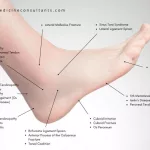
Poor ankle mobility
Limited mobility at the ankle is commonly linked to ankle and knee problems, but it can also contribute to hip discomfort during squats.
Posture or weak core stability
Weakness in core muscles (abdomen and lower back) can disrupt posture and place extra strain on the hips. As a result, hip muscles may become tight and sore.
How the problem is diagnosed
A clinician may perform a thorough exam to evaluate painful, tender, or swollen areas. Describe the sensations you’ve noticed, when the pain occurs, and how long it lasts.
Additional imaging or tests might be recommended, such as:
- X-ray
- CT scan
- MRI or MRA
- Bone scan
Treatment options for hip pain while squatting
Treatment depends on the diagnosis, but physicians often advise beginning with rest. Modify daily activities to give the sore hip time to recover and avoid movements — including squats — that provoke symptoms.
Other typical approaches include:
- using nonsteroidal anti-inflammatory drugs (NSAIDs) such as ibuprofen to control pain
- wearing a supportive brace
Physical therapy is commonly helpful. A physical therapist can point out activities to avoid that worsen hip pain and teach exercises to improve hip range of motion or strengthen surrounding muscles to better support the joint.
Surgery
Some hip problems may require surgical intervention. For instance, if bursitis doesn’t respond to conservative care, surgery to remove the inflamed bursa may be considered.
People with impingement sometimes discuss arthroscopic surgery with their doctor when nonoperative treatments fail.
A 2009 review reported that surgery can reduce pain and improve hip function, though the authors noted longer-term follow-up data would be valuable.
Likewise, a 2010 review found widespread pain relief after impingement surgery, but indicated roughly one-third of patients later required total hip replacement.
Surgical options for osteonecrosis include:
- bone grafting
- reshaping of bone
- joint replacement
- core decompression, which removes a core of bone to reduce pressure
Stretches and strengthening exercises
Physicians and physical therapists frequently prescribe specific exercises for people with hip osteoarthritis and other hip issues.
It can take time to see improvement because strengthening muscles and increasing mobility is gradual. Consult your doctor before starting new exercises to ensure they’re safe for you.
Hip flexion
This movement helps strengthen muscles that support the hip joint.
- Stand tall and hold onto a wall or chair for balance.
- Shift your weight onto one leg.
- Slowly lift the opposite leg with the knee bent up toward hip height.
- Hold the bent knee briefly, then lower it slowly.
- Return to your starting stance and switch legs.
- Repeat 5 to 10 times per leg.
You can also perform a variation lying on your back, bringing the bent knee toward your chest.
Side-lying leg lift
This move targets the hip abductor muscles. Use a yoga mat for cushioning if available.
- Lie on your side with legs stacked.
- Support your head with one arm.
- Place your other hand on the floor in front of you for stability.
- Slowly raise your top leg until you feel light resistance in the hip.
- Hold the lift for a few seconds.
- Lower the leg gently.
- Repeat 5 to 10 times.
- Switch sides.
Hip extension
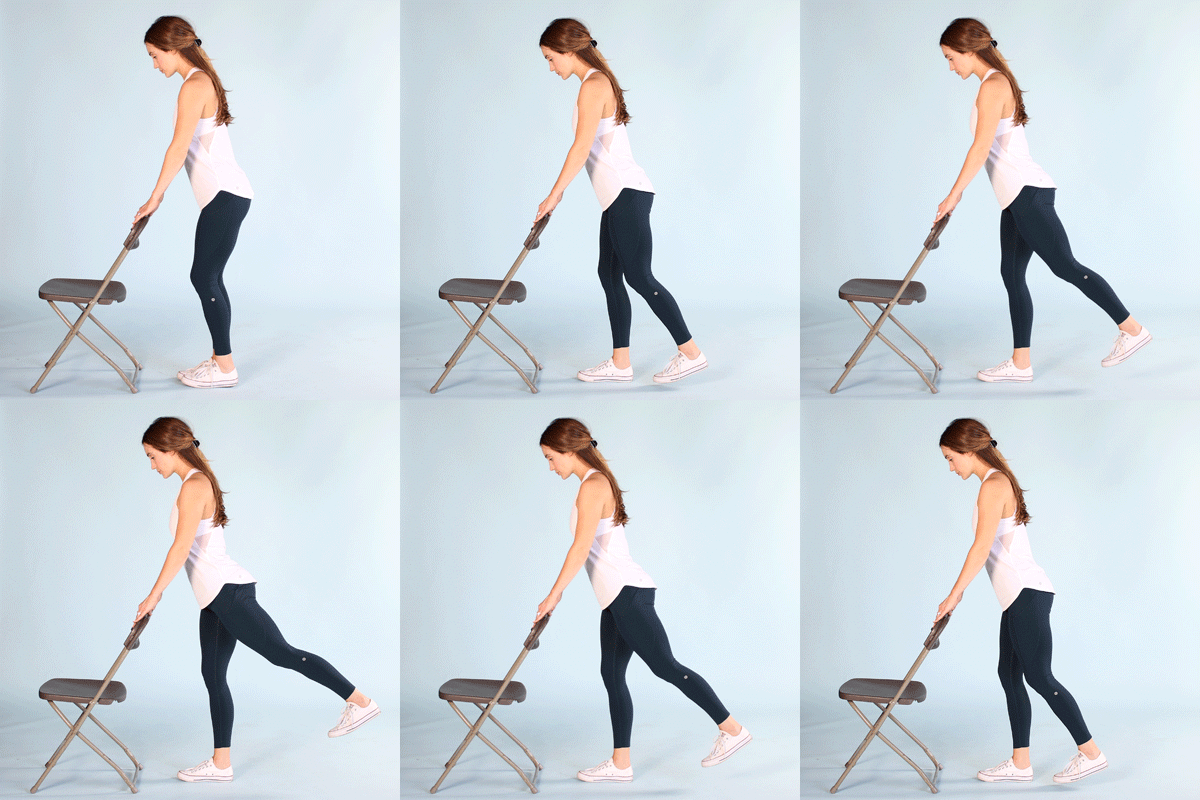
You can add resistance bands to this exercise if you’re ready and it doesn’t provoke pain.
- Stand with feet about hip- to shoulder-width apart.
- Hold a chair in front of you with both hands.
- Keep one leg straight and slowly lift the other backward without bending the knee.
- Hold the lifted leg for a few seconds, squeezing your glutes while maintaining the position.
- Lower the leg slowly until you’re standing on both feet again.
- Repeat 5 to 10 times per leg.
Bridge
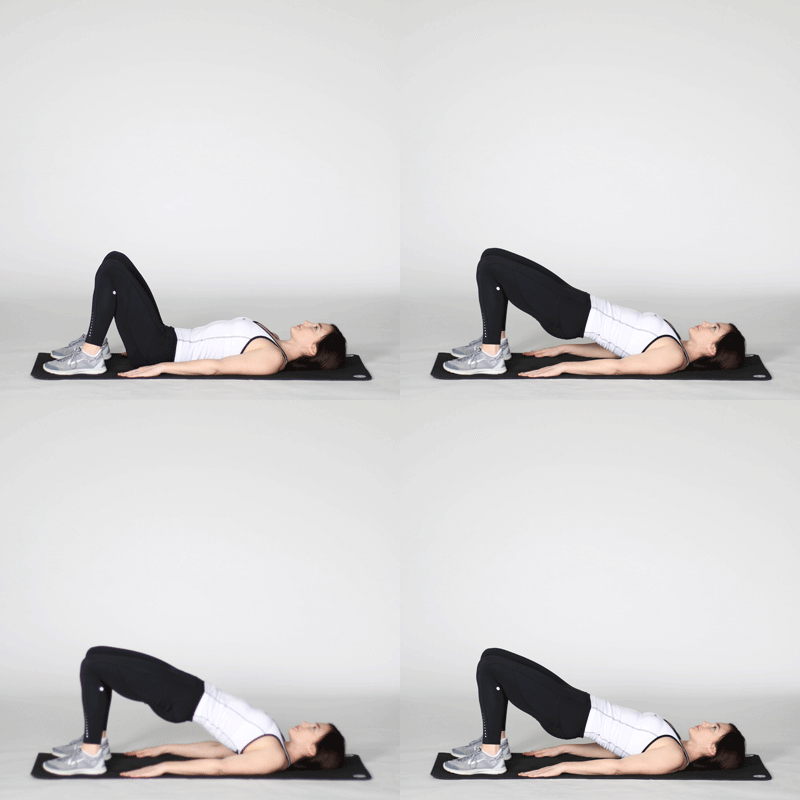
This exercise strengthens the gluteus maximus and hamstrings. Lay out a mat because you’ll be lying on the floor.
- Lie flat on your back.
- Bend your knees with feet flat on the floor and arms at your sides.
- Slowly lift your pelvis toward the ceiling, keeping shoulders and upper back on the ground.
- Hold for a count of five.
- Lower your pelvis and back until you’re flat on the floor again.
- Repeat 5 to 10 times.
When to consult a doctor
If hip pain during squatting is persistent or worsening, make an appointment with a healthcare provider for evaluation.
Bottom line
Various conditions can cause hip pain when you squat. Don’t ignore persistent discomfort — discuss your symptoms and when they occur with a doctor. An assessment can identify the cause and guide appropriate treatment.


















Leave a Reply
You must be logged in to post a comment.