
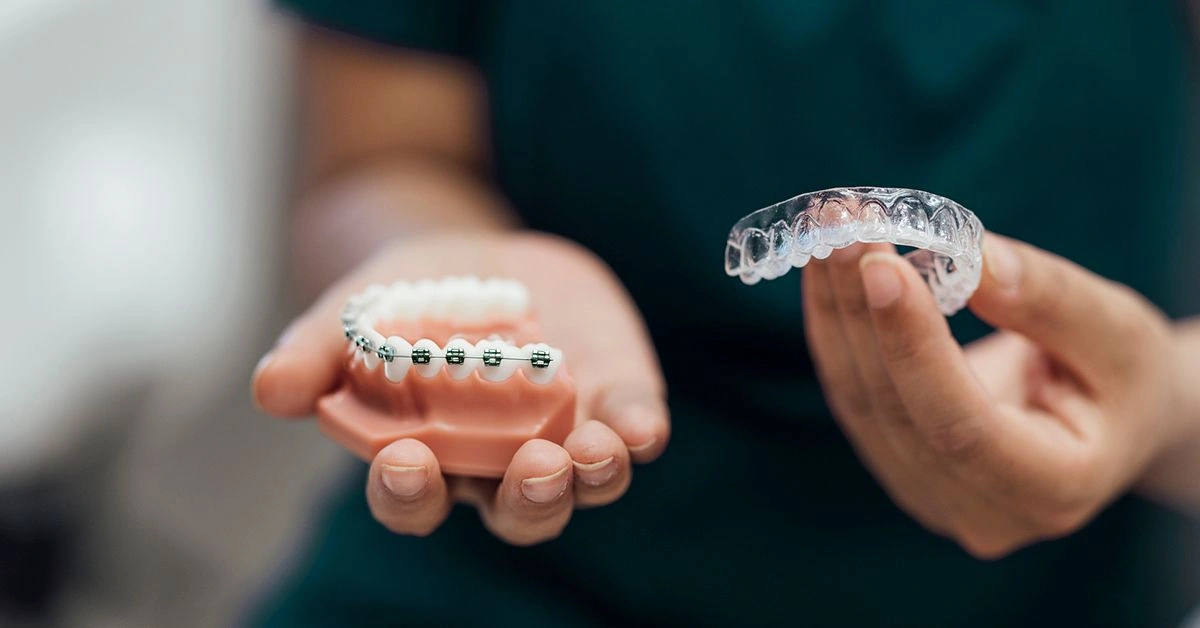
Aligners and traditional braces are two common orthodontic treatments used to correct problems related to tooth spacing and alignment. When weighing your options, factors such as comfort, appearance, treatment duration, and overall effectiveness can influence which solution is most appropriate for your needs. Many people researching orthodontic care also look into Clear aligners vs invisalign cost to better understand how pricing compares alongside clinical benefits.
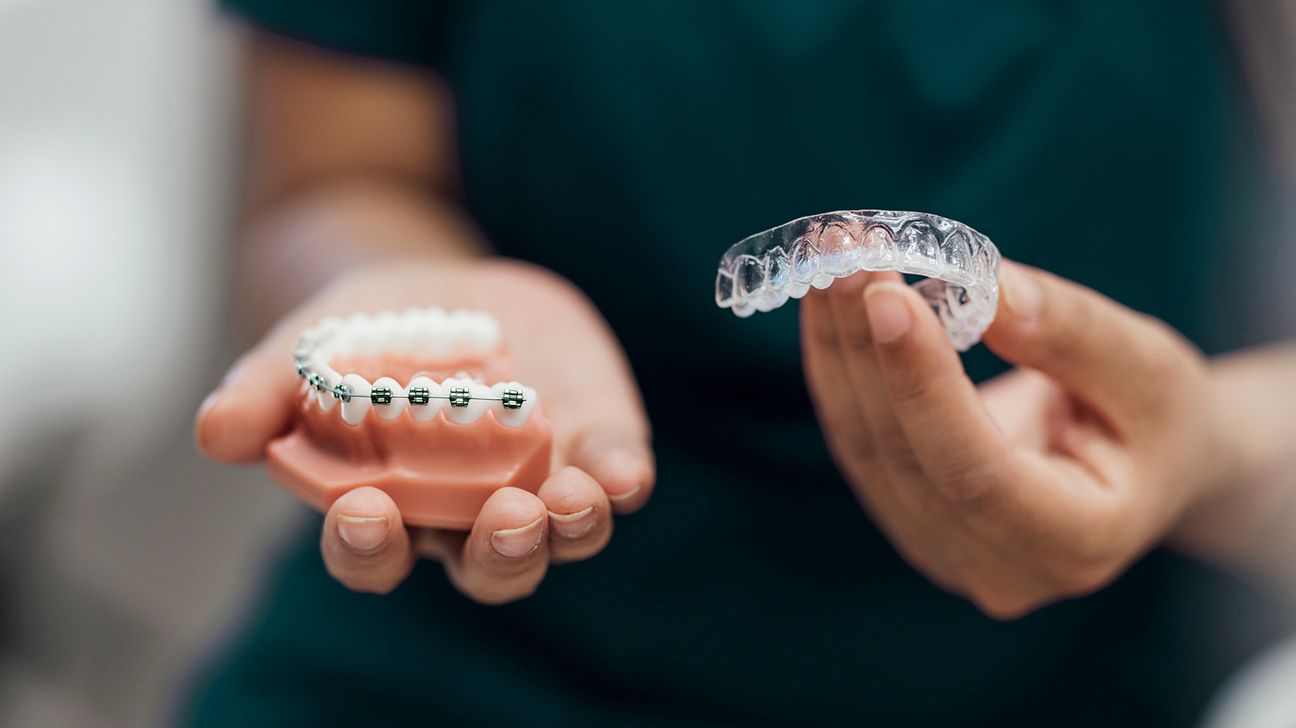
Braces and aligners are orthodontic appliances designed to treat malocclusion (misalignment of your teeth). Malocclusion may result from tooth overcrowding, overbite, underbite, or structural differences between the upper and lower jaw. Left untreated, these issues can affect chewing, speech, oral hygiene, and long-term dental health.
For decades, braces have been a standard treatment for malocclusion. They are made up of metal brackets bonded to each tooth and connected by archwires that guide teeth into proper alignment over time.

Elastic bands, also known as rubber bands, may be attached strategically to create targeted pressure and tension, helping teeth move into their intended positions with precision.
Depending on the severity and complexity of the case, braces come in various configurations. Some individuals may require additional orthodontic components such as expanders or spacers to achieve optimal alignment and bite correction.
Aligners represent another orthodontic option for treating malocclusion. Constructed from medical-grade plastic, these trays are custom-designed to fit snugly over your teeth and gradually shift them into alignment.
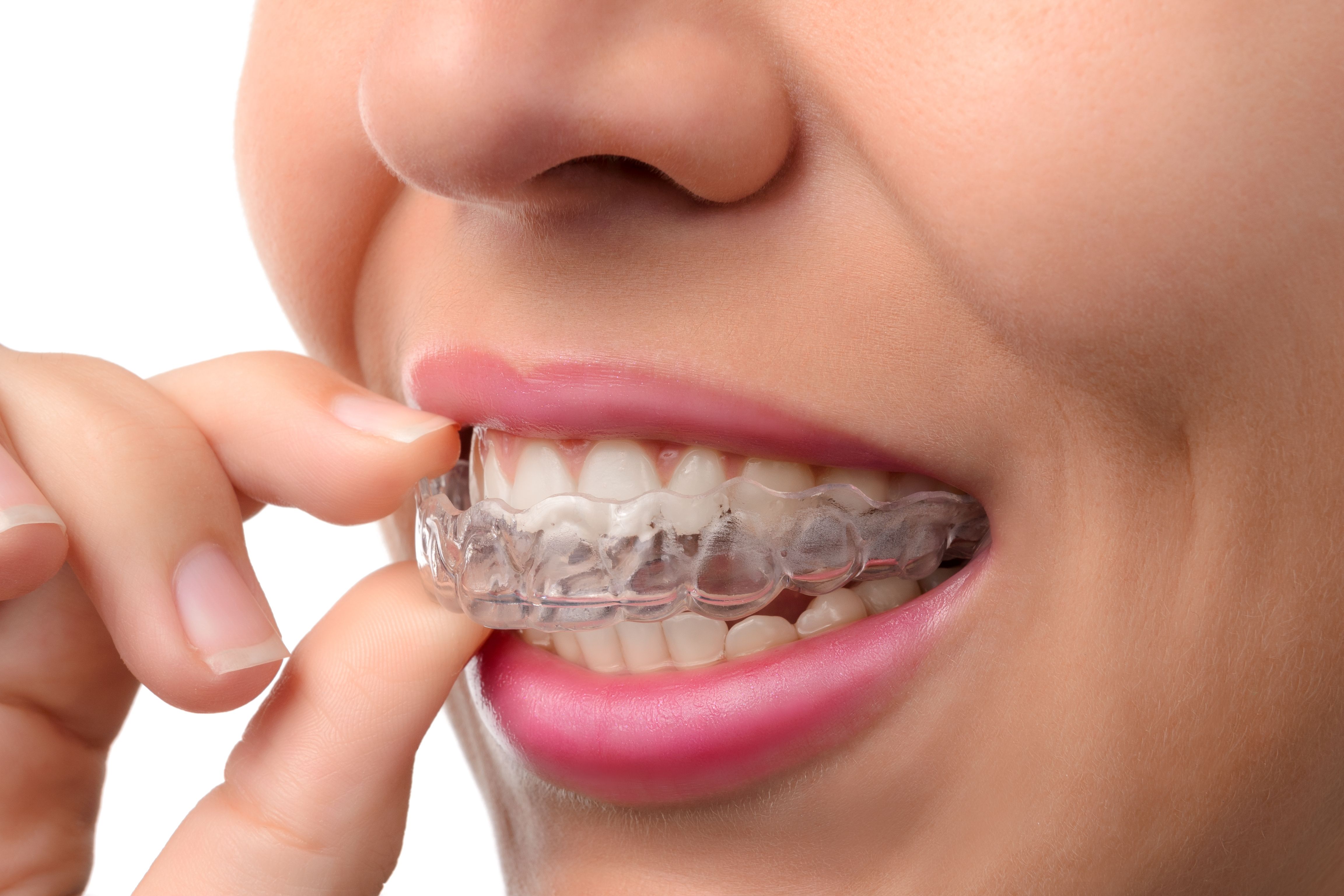
Unlike braces, aligners are removable. You can take them out briefly while eating, drinking certain beverages, or performing your regular oral hygiene routine. When comparing Clear aligners vs Invisalign, patients often evaluate flexibility, comfort, and overall Clear aligners cost in addition to clinical effectiveness.
What are the advantages of aligners?
One of the main reasons people choose aligners is their discreet appearance. They are clear, slim, and molded specifically for your mouth, making them far less noticeable than traditional metal braces. Typically, each aligner in your series is worn for at least 22 hours of the day, usually for 1 week before progressing to the next set.
Beyond aesthetics, aligners offer several additional benefits:
- You can remove them temporarily for meals, brushing, flossing, or special social occasions.
- They are generally more comfortable than braces and have less chance of causing oral irritation due to the absence of metal brackets and wires.
- They’re especially suitable if you have a co-occurring oral condition, such as gum disease, that requires thorough cleaning of the teeth and gums.
- They are considered a safer, gentler option for individuals at elevated risk of cavities or enamel problems.
- For mild alignment concerns, treatment time may be relatively short (approximately around 18 months).
- They are similar in cost to braces, depending on the brand and case complexity, which is an important factor when evaluating Clear aligners vs invisalign cost.
Because aligners can be removed, they may also support better day-to-day oral hygiene habits. Being able to brush and floss normally can reduce plaque buildup and lower the risk of gingivitis during orthodontic treatment.
Disadvantages
Aligners are not suitable for every individual or every type of malocclusion. Traditional braces allow for more precise control over complex tooth movements and may be required for more severe orthodontic cases.
Other potential drawbacks of aligners include:
- Their success depends heavily on consistent daily wear. Not wearing them as directed can delay or compromise results.
- Consuming sugary or carbonated beverages while wearing aligners can trap liquid against the teeth, increasing the risk of decay.
- They are not appropriate for teeth with short crowns, as there may not be enough surface area for proper grip and movement.
- They are not effective for severely crowded or significantly malaligned teeth.
Patients must also be disciplined about cleaning the aligners themselves to prevent staining, odor, and bacterial buildup, which can affect both oral health and aesthetics.
What are the advantages of braces?
Braces remain highly effective, especially when intricate or substantial adjustments are required. For complex orthodontic corrections, braces are often the preferred option because they provide detailed control over tooth positioning.
Although they are more visible than aligners, modern braces have evolved. Some options include tooth-colored brackets or less conspicuous designs, which may improve their appearance.
Additional advantages of braces include:
- They cannot be misplaced or accidentally discarded.
- Their effectiveness does not depend on daily patient compliance.
- They may provide greater long-term stability and reduce the recurrence of malocclusion.
- They are similarly priced to aligners, depending on the brand and complexity of treatment, which is another consideration when comparing Clear aligners vs invisalign cost.
Because braces apply continuous force, they may be particularly beneficial in cases involving significant bite correction or skeletal discrepancies between the jaws.
Disadvantages
Braces can successfully treat most orthodontic concerns, but they also have certain limitations:
- They are more noticeable than clear aligners.
- They cannot be removed during treatment.
- They may cause mouth soreness or irritation, particularly after adjustments.
- They require diligent brushing and flossing throughout the day.
- You must avoid sugary or carbonated beverages and steer clear of sticky, hard, crunchy, or chewy foods.
- Treatment duration is often longer (approximately around 24 months).
Food restrictions and hygiene challenges can increase the risk of plaque accumulation, so maintaining regular dental checkups during treatment is essential.
Differences between braces and aligners
The comparison below outlines key distinctions between braces and aligners, summarizing their main advantages and limitations.
| Braces | Aligners | |
|---|---|---|
| Appearance | more noticeable | less noticeable |
| Removability | can’t be removed until treatment is over | removable at any time |
| Comfort | may cause mouth irritation | less likely to cause mouth irritation |
| Material | metal and rubber bands | medical-grade plastic |
| Hygiene | require frequent brushing and flossing during the day | can be removed for your usual oral hygiene routine |
| Compliance | not dependent on daily compliance | highly dependent on daily compliance |
| Diet restrictions | • no carbonated drinks • no sugary beverages • no hard, crunchy, chewy, or sticky foods | no carbonated or sugary beverages while aligners are in |
| Treatment duration | around 24 months | around 18 months |
| Cost | similar but can vary by brand | similar but can vary by brand |
| Best for | • complex cases of malocclusion • people for whom compliance is a concern | • less complicated malocclusion cases • people who want discreet treatment without compliance concerns |
How to pick the best one for you
Your orthodontist plays a key role in determining whether braces or aligners are more appropriate for your condition. If you qualify for both, consider asking yourself the following questions:
- Which option does my orthodontist recommend, and what is the reasoning behind it?
- Will I consistently wear my aligners for the recommended number of hours each day?
- Is the ability to remove my orthodontic appliance important to me?
- How concerned am I about the visibility of braces or aligners?
- Am I willing to follow dietary restrictions if necessary?
- Does my insurance plan cover one treatment type more than the other?
It’s also wise to discuss long-term retention plans, follow-up care, and the potential need for retainers after active treatment ends, as these factors can influence overall satisfaction and stability.
Takeaway
Braces and aligners are both effective orthodontic appliances for correcting tooth misalignment and improving oral function. Each option has distinct advantages and potential drawbacks.
Braces provide highly controlled and precise adjustments, particularly for complex cases, but they are more visible and less flexible. Aligners offer a discreet and removable alternative, though they require strict daily compliance to achieve optimal results. Cost comparisons, including Clear aligners vs invisalign cost, often reveal similar pricing ranges depending on the brand and treatment complexity.
Ultimately, your orthodontist can guide you in selecting the treatment that best aligns with your dental health needs, lifestyle preferences, and long-term oral health goals.






















Leave a Reply
You must be logged in to post a comment.