
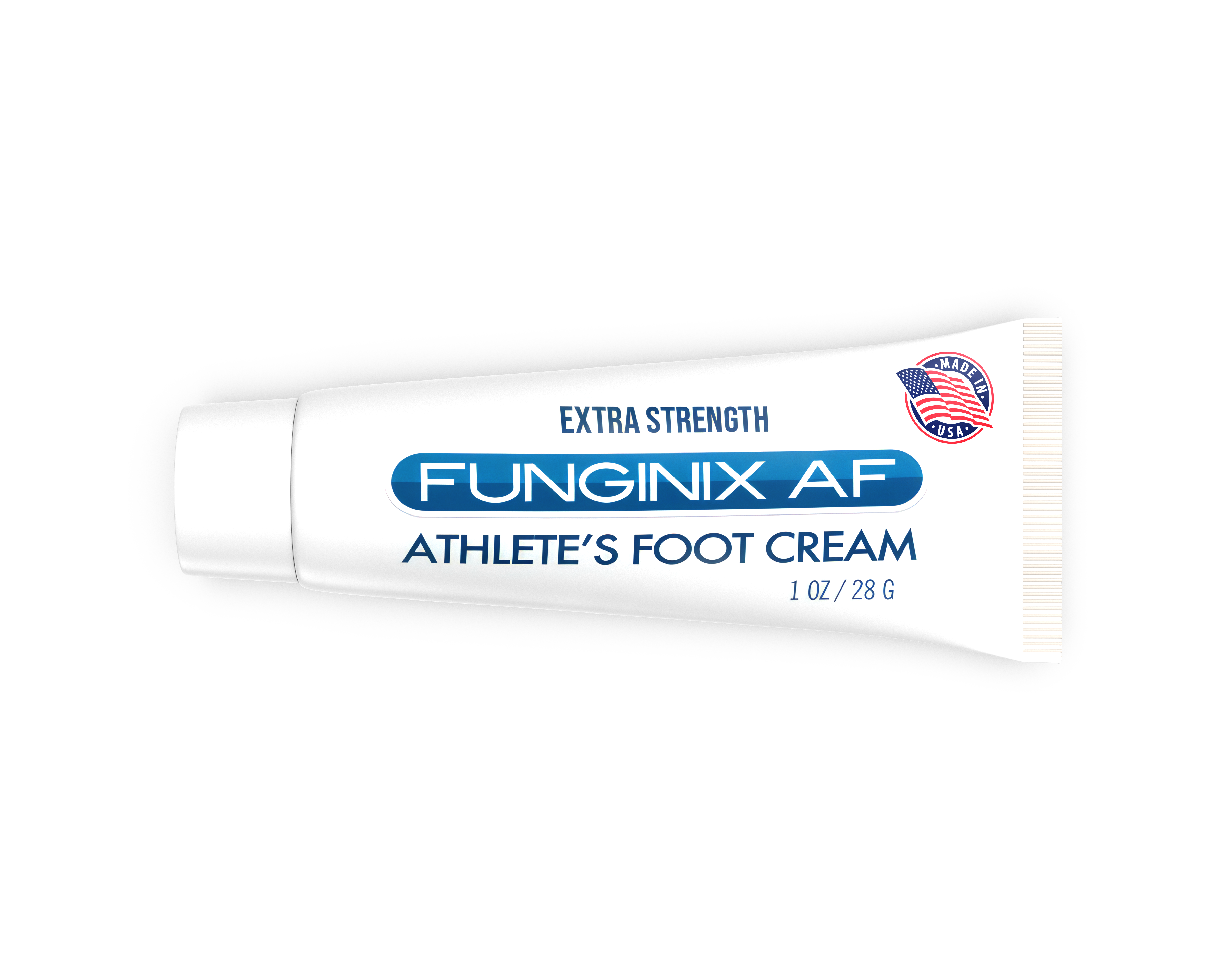
You may be able to manage athlete’s foot using over-the-counter products and items already found in your medicine cabinet, including certain oils and talcum powder. In many mild cases, a Foot fungus Cream purchased OTC can also play a key role in easing symptoms and limiting the spread of infection.
Athlete’s foot can be uncomfortable and frustrating to deal with, especially when symptoms include a scaly, itchy rash accompanied by burning or stinging sensations. The irritation may interfere with daily activities, particularly if the skin becomes cracked or tender. Fortunately, there are several at-home approaches that may provide relief, often using products you already have available.
Below are 10 home remedies for athlete’s foot that may offer symptom relief, along with a practical foot hygiene routine to help reduce the risk of recurrence. Understanding how to combine these options with an appropriate Foot fungus Cream may improve overall results.
A note on home remedies for athlete’s foot
Many individuals report that certain home remedies can help improve the symptoms of athlete’s foot.
However, it’s essential to recognize that only a limited number of scientific studies have evaluated the effectiveness of these remedies specifically for athlete’s foot.
If you notice persistent or worsening symptoms, consult a healthcare professional. They may recommend an antifungal medication, such as a prescription-strength or OTC Foot fungus Cream, to treat the infection effectively and prevent it from spreading to other areas.
How to find relief from athlete’s foot at home
The most common treatments for athlete’s foot are antifungal medications that are applied directly to the affected skin.
These treatments are widely available over the counter (OTC) in forms such as powders, sprays, ointments, lotions, and specialized Foot fungus Cream formulations designed to target fungal infections between the toes.
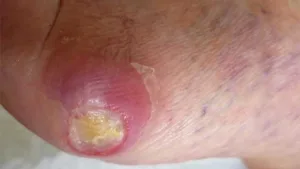
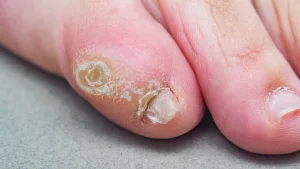
Many cases respond well to OTC therapies and may not require additional intervention. For best results, continue applying the OTC antifungal product for 1 week after visible symptoms clear to reduce the likelihood of recurrence. Reviewing Foot fungus pictures can also help you recognize improvement or determine whether the condition is progressing.
Hydrogen peroxide
According to 2013 research , hydrogen peroxide may effectively destroy fungus present on the surface of the foot, as well as surface bacteria that could lead to secondary infection.
Apply hydrogen peroxide directly to the affected area. A mild stinging sensation and bubbling may occur, particularly if there are small cracks or open areas in the skin. Use this method twice daily until symptoms improve.
Tea tree oil
Tea tree oil is known for its potential antifungal and antibacterial properties, making it a commonly used natural remedy for fungal infections such as athlete’s foot, ringworm, and candidiasis.
According to the National Center for Complementary and Integrative Health (NCCIH), several studies suggest tea tree oil may help reduce symptoms of athlete’s foot and combat the fungus responsible.
Even so, further research is necessary to fully confirm its effectiveness.
To use, combine tea tree oil with a carrier oil, such as warmed coconut oil, to achieve a 25% to 50% concentration. Apply to the affected skin twice per day. This may be used alongside a medically approved Foot fungus Cream if recommended by a healthcare professional.
Neem oil
Neem oil and neem leaf extracts have long been utilized as an alternative therapy because of their antifungal, antibacterial, and anti-inflammatory properties.
These characteristics may contribute to their potential to help manage athlete’s foot symptoms.
Apply neem oil or extract directly to the affected skin twice daily, gently massaging it in. It may also be beneficial for fungal involvement under the toenails, which can sometimes accompany athlete’s foot.
Rubbing alcohol
Like hydrogen peroxide, rubbing (isopropyl) alcohol is commonly kept at home for disinfecting minor cuts.
Research indicates that 70% isopropyl alcohol may eliminate certain bacteria and fungi. These antifungal effects may help reduce fungus present on the outer layer of the skin.
You can apply it directly to the affected area or soak your feet in a mixture of 70% rubbing alcohol and 30% water for approximately 15 minutes.
Garlic
Although garlic has a strong odor, research from 2014 suggests it possesses antifungal properties that may help in managing athlete’s foot.
A 1996 study found that a garlic derivative alone led to complete resolution in 79% of participants after 7 days.
To try this remedy, crush four to five garlic cloves and rub them onto the affected skin twice daily.
Talcum powder
Talcum powder, corn starch, or baby powder may assist in controlling athlete’s foot by keeping the area dry and reducing moisture. Since fungus thrives in warm, damp environments, maintaining dryness can limit its growth and spread.
Apply talcum or antifungal powder directly to clean, dry skin before putting on socks. Avoid inhaling talcum powder during application. Keeping feet moisture-free can enhance the effectiveness of a Foot fungus Cream and other topical treatments.
Does salt water help athlete’s foot?
Research from 2012 suggests that sea salt may have antibacterial and antifungal properties, which explains its popularity as a home remedy.
Some individuals combine sea salt with ingredients like vinegar to create a paste.
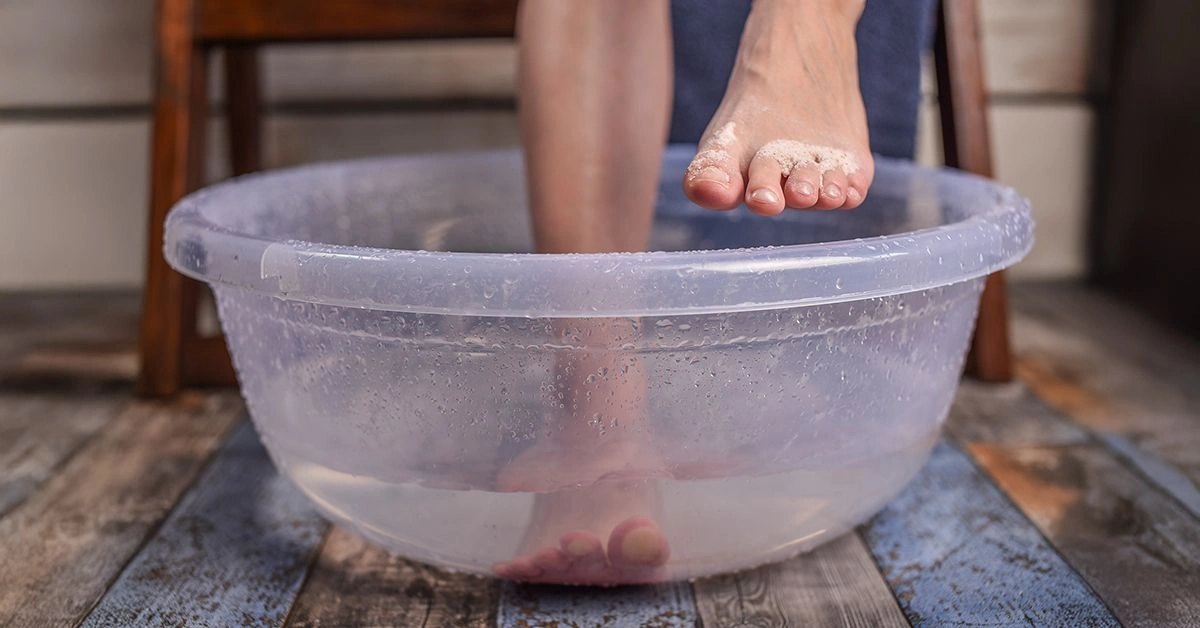
A simple method is dissolving one cup of sea salt in a warm foot bath and soaking your feet for at least 20 minutes. Be sure to dry your feet thoroughly afterward, especially between the toes.
Does Vicks VapoRub cure athlete’s foot?
Some research indicates that Vicks VapoRub may help relieve symptoms of toenail fungus, which is sometimes associated with athlete’s foot.
Vicks VapoRub is an OTC ointment used to ease coughing symptoms and contains menthol, camphor, and eucalyptus oil.
Apply a small amount to the affected area nightly, massaging it into the skin. Continue this routine for at least 1 month or until one week after symptoms resolve.
Foot hygiene routine: How to keep your feet dry and clean
Maintaining proper foot hygiene is essential for both preventing and managing athlete’s foot. Fungus grows best in dark, moist environments, making sweaty or damp feet particularly vulnerable.
Helpful strategies may include:
- changing socks frequently, especially after sweating
- washing feet daily with warm water and soap
- drying feet thoroughly before putting on fresh socks
- using a separate towel for affected feet
- carefully drying between the toes
- avoiding walking barefoot in public pools, gyms, or spas
- choosing breathable footwear, such as sandals or ventilated shoes
If you are unsure whether your symptoms match athlete’s foot or another condition, reviewing Foot skin diseases pictures may help you distinguish between fungal infections and other dermatologic issues.
Can athlete’s foot cause any complications?
If not treated, athlete’s foot may result in a bacterial infection, particularly if the skin becomes cracked from scratching or blistering. Bacterial infections can be serious and require prompt medical care.
Other potential complications include:
- impetigo
- toenail fungus
- cellulitis
- lymphangitis
- contact dermatitis to treatments
Athlete’s foot is highly contagious and may spread to the hands or groin if the affected area is touched and then another body part.
When to see a doctor for athlete’s foot
Consult a healthcare professional if symptoms do not improve after 1 week of home treatment or if you notice signs of infection, such as:
- skin discoloration
- itching
- pus
- swelling
- fever
This is especially important for individuals with conditions such as diabetes or peripheral vascular disease.
A healthcare provider can recommend an appropriate treatment plan, which may include prescription antifungal therapy or a stronger Foot fungus Cream.
The bottom line
Athlete’s foot is a fungal infection that can cause itching, discoloration, scaling, and discomfort between the toes.
While certain home remedies may help ease mild symptoms, scientific evidence supporting many of these methods remains limited. Combining proper hygiene, early treatment, and an appropriate Foot fungus Cream may provide the most reliable relief.
If you suspect you have athlete’s foot, consider seeking medical advice to ensure accurate diagnosis and effective treatment.









Leave a Reply
You must be logged in to post a comment.