
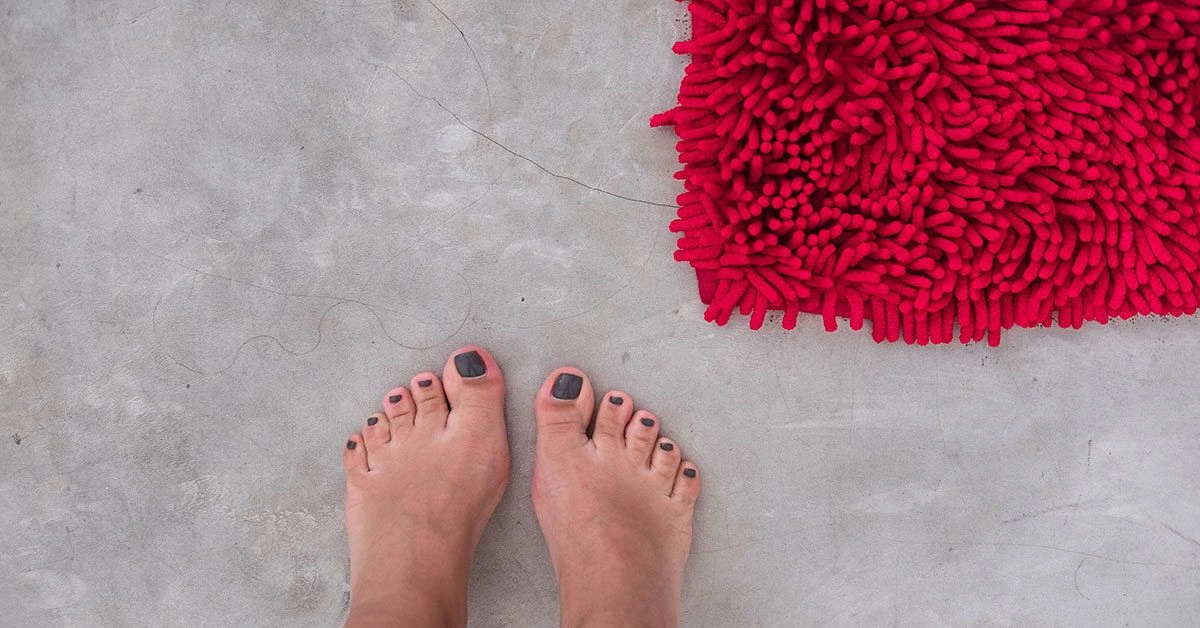
Gout is sometimes confused with a bunion. Gout develops when needle-like crystals collect in joints (most often the big toe). A bunion forms when a protruding bump appears at the joint where the big toe meets the foot.
People who notice pain, swelling, and redness in the big toe frequently assume they have a bunion. In many cases, what is self-labeled as a bunion turns out to be a different problem.
One condition commonly misidentified as a bunion is gout — perhaps because gout isn’t as widely recognized as other causes of big-toe discomfort like osteoarthritis or bursitis.
Symptoms: gout compared with bunions
There are overlapping signs between gout and bunions that can cause confusion when trying to determine which one you have.
Gout
- Joint pain. Gout most frequently involves the big toe joint but can affect other joints too.
- Swelling. Gout typically produces classic inflammation signs: swelling, redness, tenderness, and warmth around the joint.
- Range of motion. As gout worsens, normal movement of the joint can become limited and painful.
Bunion
- Big toe joint pain. Bunions can cause intermittent or ongoing discomfort at the base of the big toe.
- Visible bump. A bunion usually appears as a bulging bump on the outside of the big toe’s base.
- Swelling. The area around the big toe joint is often red, tender, and swollen.
- Calluses or corns. These may form where the first and second toes rub against one another.
- Motion. Movement of the big toe can become limited or painful.
Causes: what leads to gout or bunions
Gout
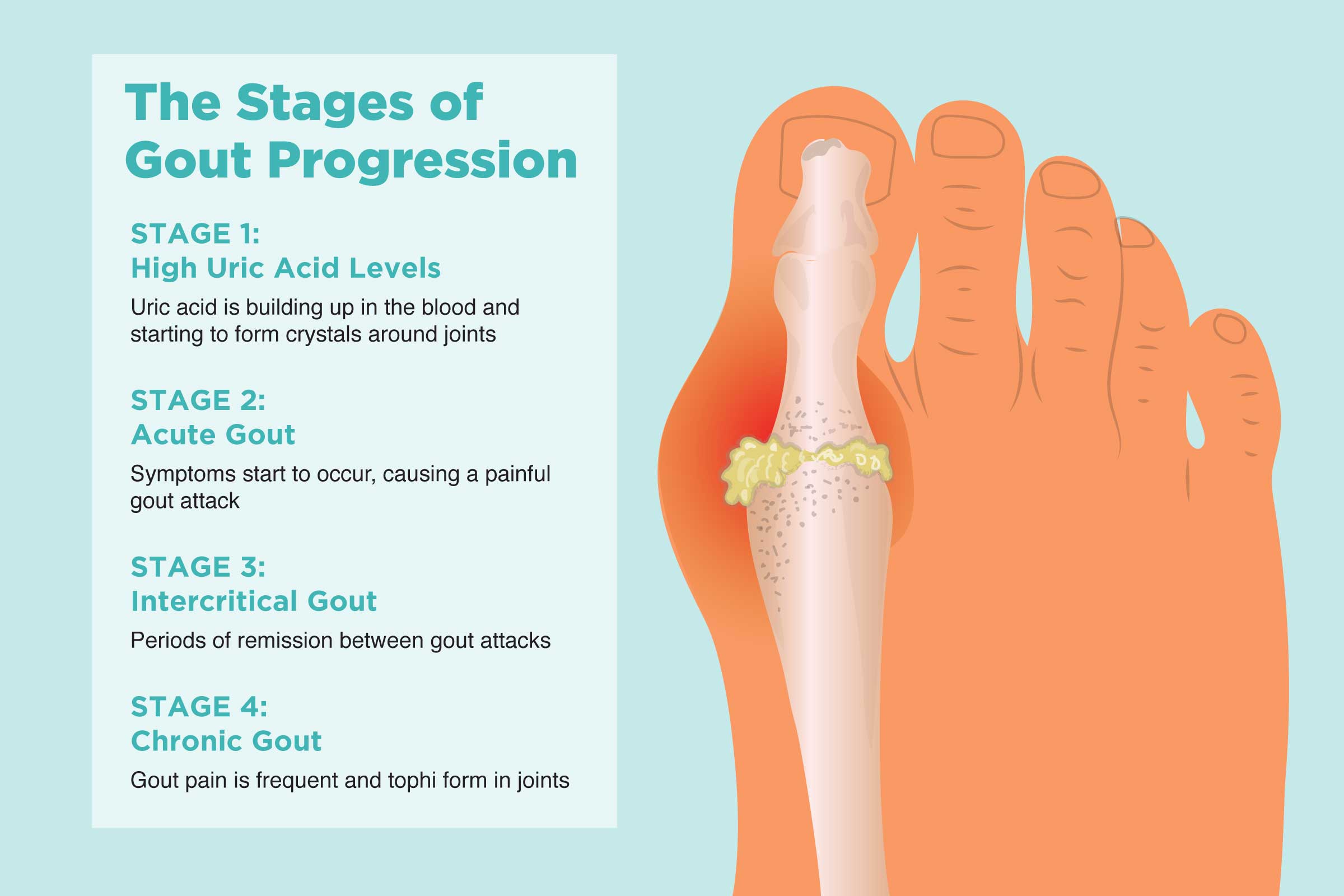
Gout results from deposits of urate crystals in one or more joints. These crystals form when uric acid levels in the blood become elevated.
Excess uric acid can accumulate if the body produces too much or the kidneys don’t excrete enough. When uric acid builds up, sharp, needle-like urate crystals can form and trigger joint pain and inflammation.
Bunion
A bunion is a bony bump on the joint at the base of the big toe. When the big toe pushes toward the second toe, the joint can jut outward and form a bunion.
.jpg)
There isn’t full agreement among clinicians on the precise cause of bunions, but contributing factors may include:
- heredity
- injury
- congenital (present at birth) deformity
Some specialists believe tight, narrow, or high-heeled shoes play a role in bunion formation. Others argue footwear may aggravate but not directly create bunions.
Diagnosing gout versus bunions
Gout
To confirm gout, a physician may use tests such as:
- blood testing
- joint fluid aspiration and analysis
- urine testing
- X-ray imaging
- ultrasound
For information about evaluating foot conditions, see gout diagnosis.
Bunion
A clinician will often diagnose a bunion through a physical foot exam. An X-ray may be ordered to gauge the bunion’s severity and to identify underlying causes.
Optum Now is operated by RVO Health. By clicking on this link, we may receive a commission. Learn more.
Treatment options
Gout
Treatment for gout commonly includes medications such as:
- nonsteroidal anti-inflammatory drugs (NSAIDs) like naproxen sodium (Aleve), ibuprofen (Advil, Motrin), or indomethacin (Indocin)
- Cox-2 inhibitors such as celecoxib (Celebrex)
- colchicine (Colcrys, Mitigare)
- corticosteroids, such as prednisone
- xanthine oxidase inhibitors (XOIs) like febuxostat (Uloric) and allopurinol (Aloprim, Lopurin, Zyloprim)
- uricosuric agents like lesinurad (Zurampic) and probenecid (Probalan)
Physicians may also suggest lifestyle adjustments, for example:
- regular physical activity
- reducing body weight if needed
- dietary changes, such as cutting back on red meat, certain seafood, alcoholic drinks, and beverages sweetened with fructose
Bunion
Nonoperative strategies are usually tried first to manage bunions, and may include:
- applying ice to ease inflammation and soreness
- using over-the-counter bunion cushions to reduce pressure from shoes
- taping the foot to maintain a more normal position and relieve pain
- taking OTC pain relievers, such as acetaminophen (Tylenol) or NSAIDs like ibuprofen (Advil, Motrin) or naproxen sodium (Aleve)
- wearing orthotic inserts to redistribute pressure more evenly
- choosing shoes with ample toe room
Surgical options may include:
- removing soft tissue around the big toe joint
- reshaping bone to straighten the big toe
- realigning the bone between the big toe and the rear of the foot to correct the abnormal angle
- fusing the bones of the big toe joint permanently
Takeaway
Telling gout and a bunion apart can be difficult for someone without medical training.
Gout is a systemic metabolic disorder, whereas a bunion is a localized deformity of the toe. Each is managed differently.
If you experience ongoing pain and swelling in your big toe or notice a bump at the base of the toe, see your doctor. They can determine whether you have gout, a bunion, or another condition and recommend appropriate care.




















Leave a Reply
You must be logged in to post a comment.