
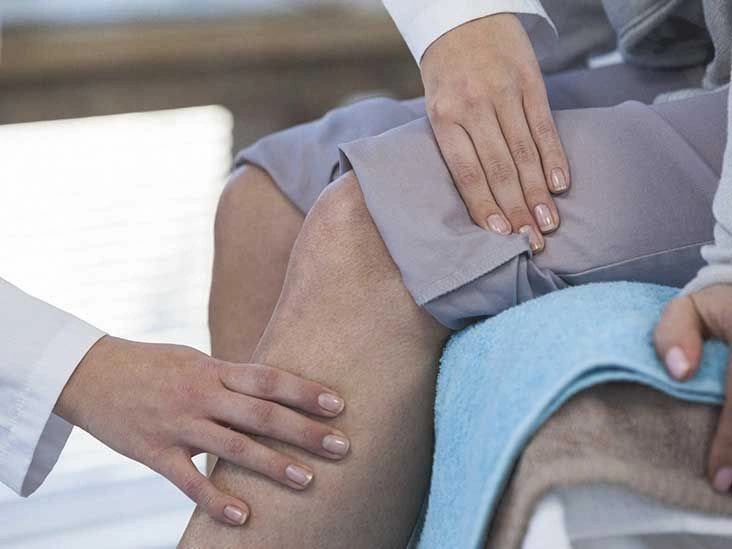
Gout is a type of arthritis that appears suddenly and with great intensity. It can strike anyone who has an accumulation of uric acid in their joints.
There are numerous kinds of arthritis. Most share overlapping symptoms, such as joint pain and swelling. Yet, different arthritis types need different approaches to treatment. What helps osteoarthritis may not be effective for gouty arthritis. Hence, an accurate diagnosis is crucial.
Signs of gout
Gout symptoms typically arise without warning, often during the night. Common signs include:
- Joint pain: Pain from gout is frequently severe. It’s worst in the first 12 hours after symptoms begin, and it commonly targets the large joint of the big toe. Other joints in the feet, hands, knees, ankles, and wrists can also be involved.
- Inflammation and redness: Affected joints often become red, swollen, and tender when touched.
- Reduced mobility: As a gout attack progresses, your range of motion may become limited.
- Ongoing discomfort: After the intense pain of an attack eases, you might feel lingering soreness and discomfort for days to weeks afterward.
These signs help your clinician determine whether gout is the cause.
Pictures of gout
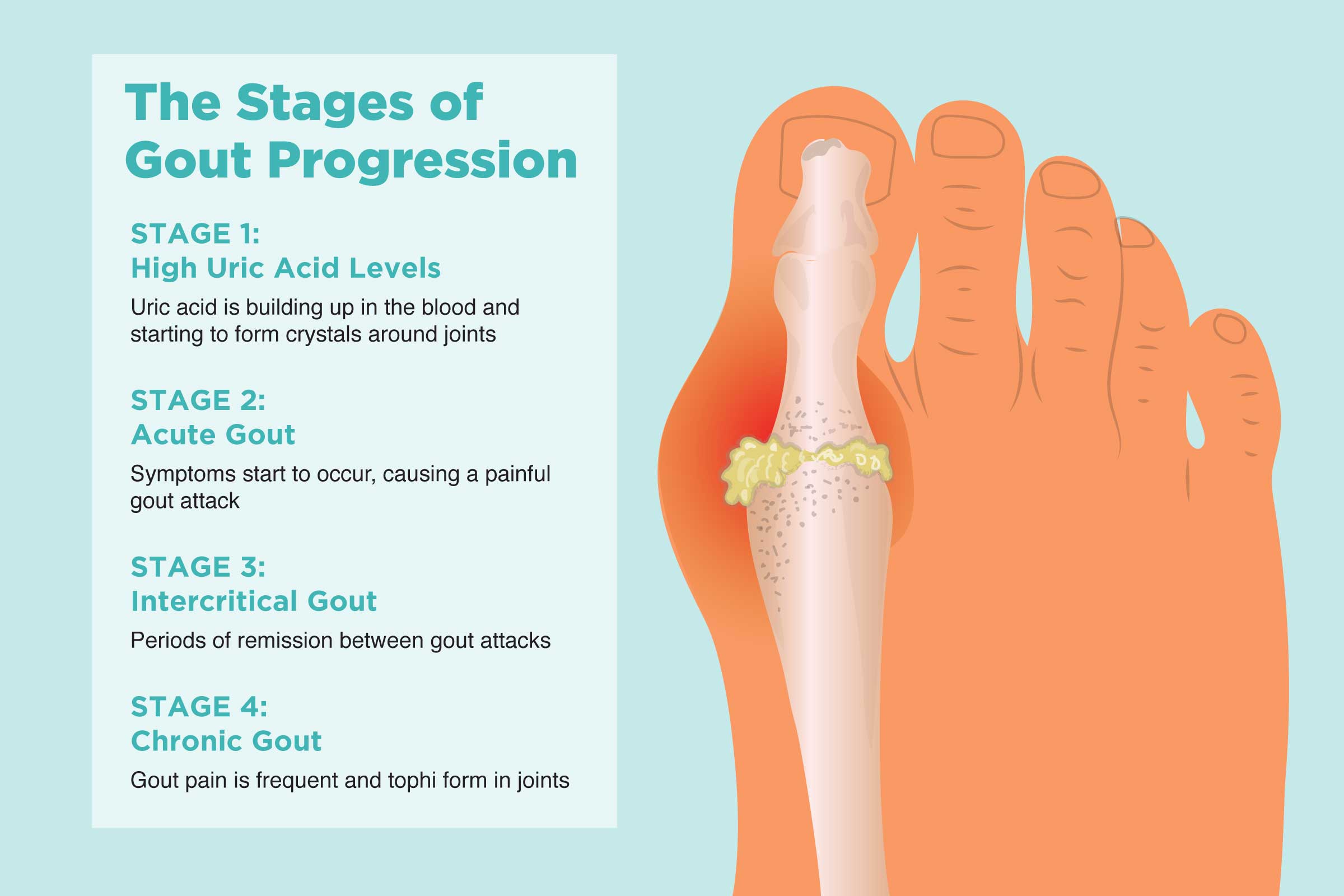
Testing and diagnosis of gout
Gout is most often diagnosed following an acute episode of symptoms. Many physicians prefer not to confirm a gout diagnosis until you’ve experienced at least two acute episodes.
Following a physical exam and medical history review, your doctor may request tests to verify the diagnosis.
Uric acid blood test
The initial step in diagnosing gout is typically a blood test for uric acid. Elevated uric acid levels are linked to gout. However, it’s important to remember that high uric acid doesn’t always mean you have gout, and levels may be normal during an acute attack. This test is a useful starting point and can track your progress in lowering uric acid, but it isn’t definitive on its own.
Joint aspiration
Joint aspiration is often the next diagnostic step. This involves withdrawing fluid from the affected joint and examining it under a microscope for urate crystals.
X-rays
If there is ongoing joint disease or visible tophi beneath the skin and your clinician suspects chronic gout, an X-ray can aid the diagnosis. It can reveal lesions or permanent joint damage.
Dual energy CT scan
This specialized CT can identify urate crystals in a joint. It isn’t used routinely because of the cost.
Ultrasound
Ultrasound can detect urate crystals in an affected joint. This method is more commonly used in Europe than in the United States.
Doctors who treat gout
Primary care physician
Your primary care doctor is often the first clinician to manage gout. They can order uric acid tests, perform joint aspirations, and prescribe medications to treat the condition.
Rheumatologist
A rheumatologist is a specialist trained in disorders of the joints and connective tissues. If your gout is particularly severe or has caused joint damage, a rheumatologist can offer more specialized management.
Optum Now is operated by RVO Health. By clicking on this link, we may receive a commission. Learn more.
Tips for staying healthy with gout
Altering your diet and some lifestyle behaviors can reduce the likelihood of future gout attacks. Consider these recommendations:
- Stay hydrated: Drink ample water and other beverages that are unsweetened or very low in sugar.
- Avoid alcohol: Limit or avoid alcohol when possible. Recent studies indicate that beer in particular may raise your risk of a gout flare.
- Limit meat intake: Consuming large amounts of meat, including certain fish and poultry, can increase uric acid levels and trigger a gout episode. For related foot concerns, see gout vs bunion.
- Maintain a healthy weight: Regular physical activity combined with a balanced diet helps you keep a healthy weight and lowers the chance of future gout attacks.

















Leave a Reply
You must be logged in to post a comment.