

Key takeaways
- Regurgitation occurs when stomach fluids and partially digested food travel back up into the mouth. In adults, it is most often associated with acid reflux or GERD, while in infants it can be a common developmental occurrence.
- In addition to acid reflux and GERD, rumination syndrome may lead to repeated regurgitation episodes. Babies may experience functional infant regurgitation. Diagnosis typically involves excluding other medical causes and, in some cases, specialized testing.
- Management depends on the underlying trigger and may include medications such as antacids for acid reflux or GERD, along with lifestyle modifications and feeding adjustments in infants.
In adults, acid reflux or GERD is the leading cause of regurgitation. Alongside the return of stomach contents, you may notice chest discomfort and a sour or bitter aftertaste in the mouth. For individuals researching Nasal regurgitation treatment, understanding whether symptoms stem from reflux-related conditions or another disorder is an essential first step.
In some instances, regurgitation can signal a rare disorder known as rumination syndrome. This condition results in the repeated return of undigested food, typically occurring soon after meals.
Below, we explore why regurgitation happens, how it presents, and which treatment strategies — including approaches relevant to Nasal regurgitation treatment — may help improve symptoms and overall digestive health.
Why it happens

When acid reflux occurs several times a week, healthcare professionals classify it as GERD. Both acid reflux and GERD commonly cause the backflow of stomach acid or partially digested food into the esophagus and mouth. In more pronounced cases, material may even reach the nasal cavity, prompting questions about Is nasal regurgitation dangerous and whether specialized Nasal regurgitation treatment is required.
Acid reflux is marked by the backward movement of stomach contents, often producing heartburn, unpleasant breath, and throat irritation. Frequent triggers include:
- consuming large portions
- eating specific trigger foods
- lying down shortly after meals
In babies
Regurgitation is particularly common among infants and young babies. While occasional spit-up is typically normal, some infants experience it more frequently.
If no additional symptoms are present, this pattern is referred to as functional infant regurgitation. It involves repeated regurgitation episodes — often more than once daily — during the first year of life, without signs of another illness.
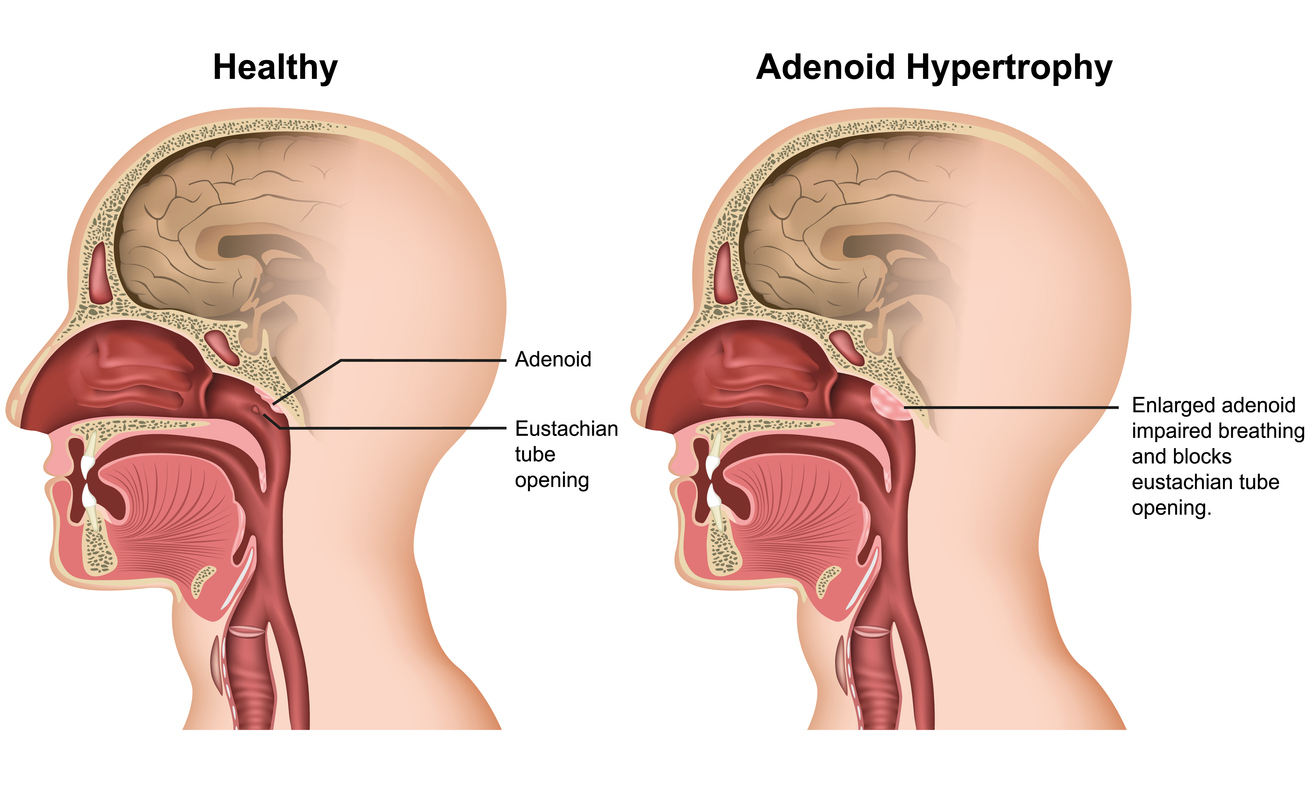
Although GERD can also develop in infants, it is less frequent than in adults. Because babies have shorter esophaguses, refluxed contents are more likely to come all the way up, resulting in visible regurgitation rather than just internal reflux. Parents concerned about feeding difficulties or milk exiting through the nose may seek guidance on Nasal regurgitation treatment tailored for infants.
Rumination syndrome
Rumination syndrome is an uncommon disorder characterized by effortless, repeated regurgitation of undigested food soon after eating. The exact cause remains unclear, but risk factors include stress and certain mental health conditions.
Because rumination syndrome is rare, persistent regurgitation is more often linked to acid reflux or GERD unless other distinguishing features are present.
Symptoms
Regurgitation most frequently appears as a symptom of acid reflux or GERD. Additional signs may include:
- heartburn or chest discomfort
- a sour or bitter sensation in the back of the throat
- trouble swallowing
- a feeling of a lump in the throat

Learning to recognize early Nasal regurgitation symptoms can help determine whether lifestyle changes or medical care are necessary.
If regurgitation occurs regularly without the typical reflux-related complaints above, rumination syndrome may be responsible. Other possible symptoms include:
- a sensation of fullness in the abdomen
- bad breath
- nausea
- weight loss
Babies
Because infants and young children have smaller and shorter esophaguses, reflux is more common during early development. In many cases, it improves naturally as the digestive system matures.
Often, regurgitation is the only noticeable symptom. However, when it is related to GERD, it may include:
- difficulty swallowing food or liquids, sometimes leading to gagging or choking
- irritability, arching of the back, or refusal to eat
- recurrent cough and pneumonia
Seek medical attention if you observe warning signs such as:
- blood or bile in the regurgitated material
- feeding difficulties
- persistent or excessive crying
- breathing problems
Diagnosis
Acid reflux is often temporary and may not need extensive testing. However, since GERD typically requires ongoing dietary and lifestyle management, a healthcare professional might recommend diagnostic evaluation.
To confirm rumination syndrome, your doctor will first exclude other causes, including GERD. Additional assessments may involve an EGD test and a gastric emptying test to evaluate upper digestive tract structure and function.
For individuals experiencing food or liquids entering the nasal passages, a thorough evaluation can guide appropriate Nasal regurgitation treatment and rule out structural or neuromuscular concerns.
Treatments
If regurgitation is linked to GERD or acid reflux, medication may provide relief. Selecting the right Nasal regurgitation treatment depends on the underlying cause rather than the symptom alone.
You can take over-the-counter (OTC) antacids for mild cases. If these fail to control symptoms, consult a doctor about prescription therapies such as H2 blockers or proton pump inhibitors, which reduce stomach acid production and promote healing of the esophagus.
There are currently no medications specifically approved for rumination syndrome. Instead, management focuses on behavioral and lifestyle-based strategies.
Likewise, no drugs are uniquely designated for regurgitation in infants. Pediatricians may occasionally recommend medications used in adults, adjusted carefully to appropriate pediatric dosages when GERD is diagnosed.
Lifestyle changes
Implementing lifestyle changes can significantly reduce symptoms. Helpful measures include:
- maintaining a moderate body weight
- reducing caffeine and alcohol intake, if applicable
- eating smaller, more frequent meals and chewing thoroughly
- elevating your head with extra pillows during sleep
- quitting smoking, if applicable
These practical steps are often considered first-line Nasal regurgitation treatment strategies when reflux is the underlying trigger.
For infants with repeated regurgitation, feeding adjustments may provide relief. Consider:
- feeding your baby in a calm, distraction-free setting
- thickening formula or expressed milk with cereal if advised by a pediatrician
- avoiding overfeeding by offering smaller, more frequent feeds
Keeping babies upright briefly after feeding may also help limit reflux episodes.
The bottom line
Regurgitation occurs when digestive contents move upward from the esophagus into the mouth and, in some cases, toward the nasal passages.
In adults, it is most commonly associated with acid reflux, GERD, or, less frequently, rumination syndrome. In infants, functional infant regurgitation and GERD are typical explanations.
A healthcare professional may use various diagnostic tools to determine the precise cause of persistent regurgitation and to guide Nasal regurgitation treatment decisions.
Medications, targeted lifestyle adjustments, and appropriate feeding strategies form the cornerstone of care. With proper management, many people experience meaningful symptom improvement and better day-to-day comfort.





















Leave a Reply
You must be logged in to post a comment.