

Key takeaways
- Brain games can help enhance focus, concentration, and memory. They may also contribute to slowing age-related cognitive decline, although they can’t completely prevent it.
- Select games that gradually increase in complexity and variety, and rotate in new routines or creative hobbies to continuously challenge your brain.
- Examples of effective brain games and puzzles include sudoku, jigsaw puzzles, crossword puzzles, and chess.
Maintaining mental sharpness becomes increasingly important with age. Yet many adults don’t receive enough daily cognitive stimulation to keep their brains performing at their best. Activities such as Play crossword puzzles memory exercise online free for adults offer a convenient way to engage in regular brain training from home.
If you’re looking to Play crossword puzzles memory exercise online free for adults, incorporating structured brain games into your routine can serve as a practical mental workout. Health professionals often recommend mentally engaging activities at home to promote neuroplasticity, support memory retention, and strengthen executive function.
Why it matters to exercise your brain
According to Rebecca Marcus, LCSW, a licensed psychotherapist in New York who specializes in mindfulness, brain games offer multiple cognitive and emotional benefits:
- They may improve focus, concentration, and memory performance.
- They can encourage greater presence and mindfulness in everyday life.
- Although brain games do not appear to prevent age-related cognitive decline or dementia, emerging research suggests they may help slow or delay progression.
“Without consistent mental exercise, we’re more likely to feel scattered, struggle with attention, or notice forgetfulness,” Marcus explains. “Just as you wouldn’t expect lasting muscle strength after only a few months at the gym, cognitive fitness also requires ongoing training.”
It’s essential that any game you choose increases in challenge and diversity over time. Repeating the same activity without variation may cause the brain to shift into autopilot, reducing its effectiveness as a cognitive stimulus.
Beyond traditional puzzles, varying daily habits can also stimulate the brain. For instance, if you walk your dog along the same path every day, change directions occasionally. Even small adjustments activate new neural pathways and encourage cognitive flexibility.
Choose activities that engage multiple mental domains. Analytical games like Sudoku or logic puzzles strengthen reasoning skills, while emotionally driven interactions build empathy and social cognition. “Keep your emotional intelligence sharp by engaging in conversations where you evoke and attune to the emotions of others,” says Sarah Schewitz, PsyD, a licensed psychologist in Los Angeles.
Creative pursuits can further support whole-brain stimulation. Consider hobbies such as:
- painting
- photography
- creative writing
- playing music or learning a new instrument
In addition, digital platforms offering Free online crossword puzzles provide accessible options for adults seeking daily cognitive challenges that support verbal fluency and long-term memory health.
How we picked games
When developing this list, we evaluated several important factors:
- Expert insight: We consulted two psychology professionals to determine what features make a game effective for cognitive stimulation.
- User experience: We reviewed customer feedback and ratings from reputable retail platforms to gauge enjoyment, engagement, and usability.
HealthEH’s 10 games and puzzles to exercise your brain
1. Scrabble

This timeless word game not only sparks friendly competition but also expands vocabulary and strengthens concentration. With countless word combinations possible, each session feels fresh. Since its debut in 1948, Scrabble has remained a powerful tool for verbal skill development and memory reinforcement.
2. Sagrada

Sagrada blends strategic planning with puzzle-solving. Players design stained glass windows by placing dice according to strict color and shade requirements. The layered constraints demand forward thinking, working memory, and spatial reasoning.
3. Rummikub

Rummikub combines elements of luck and strategy in a fast-paced tile game. Participants form number sequences and groups, continually adapting as the board evolves. This dynamic play can enhance pattern recognition, sequencing ability, and planning skills.
4. Jigsaw puzzles

Jigsaw puzzles stimulate both hemispheres of the brain simultaneously. Logical reasoning, visual-spatial processing, and creativity are all required to complete an image. Many modern brands showcase artwork from global artists, adding aesthetic enjoyment to cognitive engagement.
5. Rubik’s Cube

With over 43 quintillion possible combinations, the Rubik’s Cube is one of the most recognized puzzles worldwide. This compact brain teaser challenges problem-solving, spatial awareness, and persistence—making it a productive alternative to passive screen time.
6. Azul

Azul challenges players to strategically collect and arrange tiles to maximize points. The need for foresight and tactical adjustments strengthens executive functioning and decision-making skills.
7. Sudoku

Sudoku requires filling a grid with numbers 1 through 9, ensuring each digit appears only once per row, column, and box. This structured number puzzle sharpens logical reasoning and attention to detail. Whether on paper or digital platforms, Sudoku remains a powerful concentration booster.
8. Our Moments Couples: Conversation Starters for Great Relationships

“It’s also important to keep your emotional intelligence sharp,” says Schewitz. Engaging in meaningful discussions and actively observing how others feel strengthens social cognition and empathy.
This deck includes thought-provoking prompts such as, “What’s something that you’ll never try again?” and “What have you lost since childhood that you’d like to regain?”
9. Crossword puzzles

Research from 2022 suggests that crossword puzzles support knowledge retention. This mental exercise enhances verbal fluency, recall ability, and deeper thinking. Adults who regularly play crossword puzzles memory exercise online free for adults may experience improvements in language processing and long-term cognitive engagement.
10. Chess

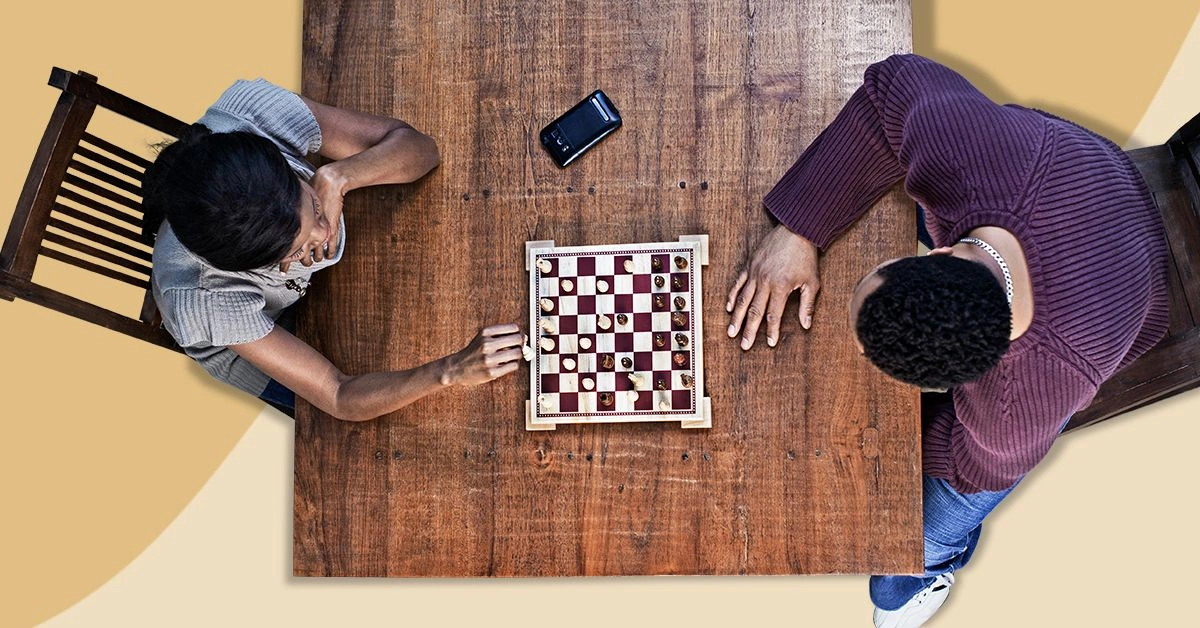
Inspired by “The Queen’s Gambit” or not, chess offers measurable cognitive advantages. It enhances strategic planning, working memory, attention span, and overall brain function. In a 2019 research review, researchers noted that the cognitive stimulation provided by chess may help protect older adults from dementia.
Takeaway
Games and puzzles provide an enjoyable yet powerful way to challenge the brain and support long-term cognitive health. Whether you choose board games, creative hobbies, or decide to Play crossword puzzles memory exercise online free for adults, consistent mental stimulation can promote sharper thinking, stronger memory, and sustained attention over time.
By integrating diverse and progressively challenging activities into your routine, you can help maintain cognitive resilience and nurture lifelong brain health.























Leave a Reply
You must be logged in to post a comment.