
Burning diarrhea can be distressing and uncomfortable. If you’re searching for How to stop burning poop after eating spicy food, you’re not alone. Although this symptom is often temporary and not a sign of something serious, identifying the underlying cause can make it much easier to find lasting relief and prevent it from happening again.
Diarrhea occurs when you pass loose, watery stools at least three times in a day. In certain situations, it may be accompanied by additional symptoms such as abdominal discomfort or a noticeable burning sensation around the anus. When this happens, it’s commonly described as burning diarrhea.
Causes of burning diarrhea
There are several potential reasons why you may experience burning diarrhea. Anytime you observe a change in your bowel patterns, it’s wise to consult a healthcare professional. Partnering with your doctor to pinpoint the cause can help guide the most effective treatment approach and rule out underlying digestive conditions.
Skin irritation
Frequent loose stools can irritate the sensitive skin around the anus. Repeated wiping, prolonged moisture, and contact with stool can cause redness, soreness, or even a mild rash. This irritation alone may trigger a stinging or burning feeling during and after bowel movements.
Injury or tearing
Passing stool can sometimes result in a small tear in the lining of the anus, known as an anal fissure. This condition often causes sharp pain or a burning sensation during bowel movements.
Although anal fissures are commonly linked to constipation, they are also linked to ongoing or severe diarrhea. Persistent irritation and frequent bowel movements can make the tissue more vulnerable to tearing.
Hemorrhoids
Long-term constipation or diarrhea may contribute to hemorrhoids, which are swollen veins located in the anus or rectum. When these veins become inflamed, they can produce pain, itching, and a burning sensation during bowel movements. Straining, repeated irritation, and increased pressure in the rectal area can all worsen symptoms.
Spicy foods
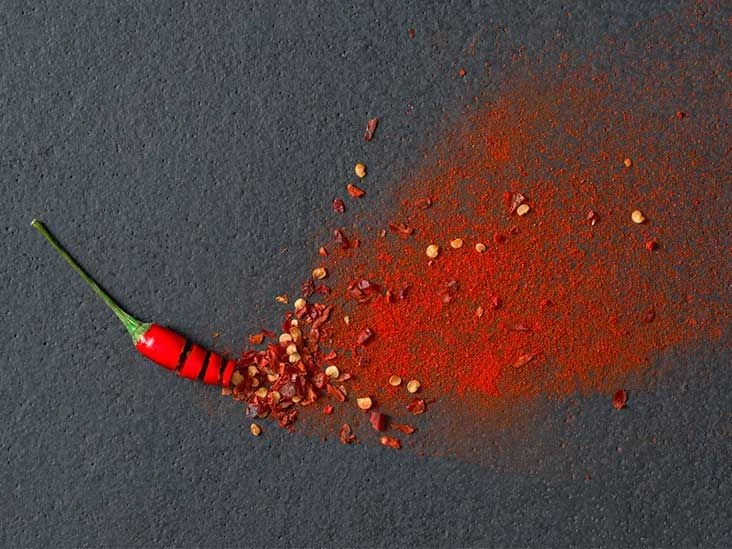
Spicy dishes—especially those containing peppers—often include capsaicin. This naturally occurring compound is also found in pepper spray, mace, and certain topical pain relievers. Capsaicin creates a burning sensation when it comes into contact with tissue.
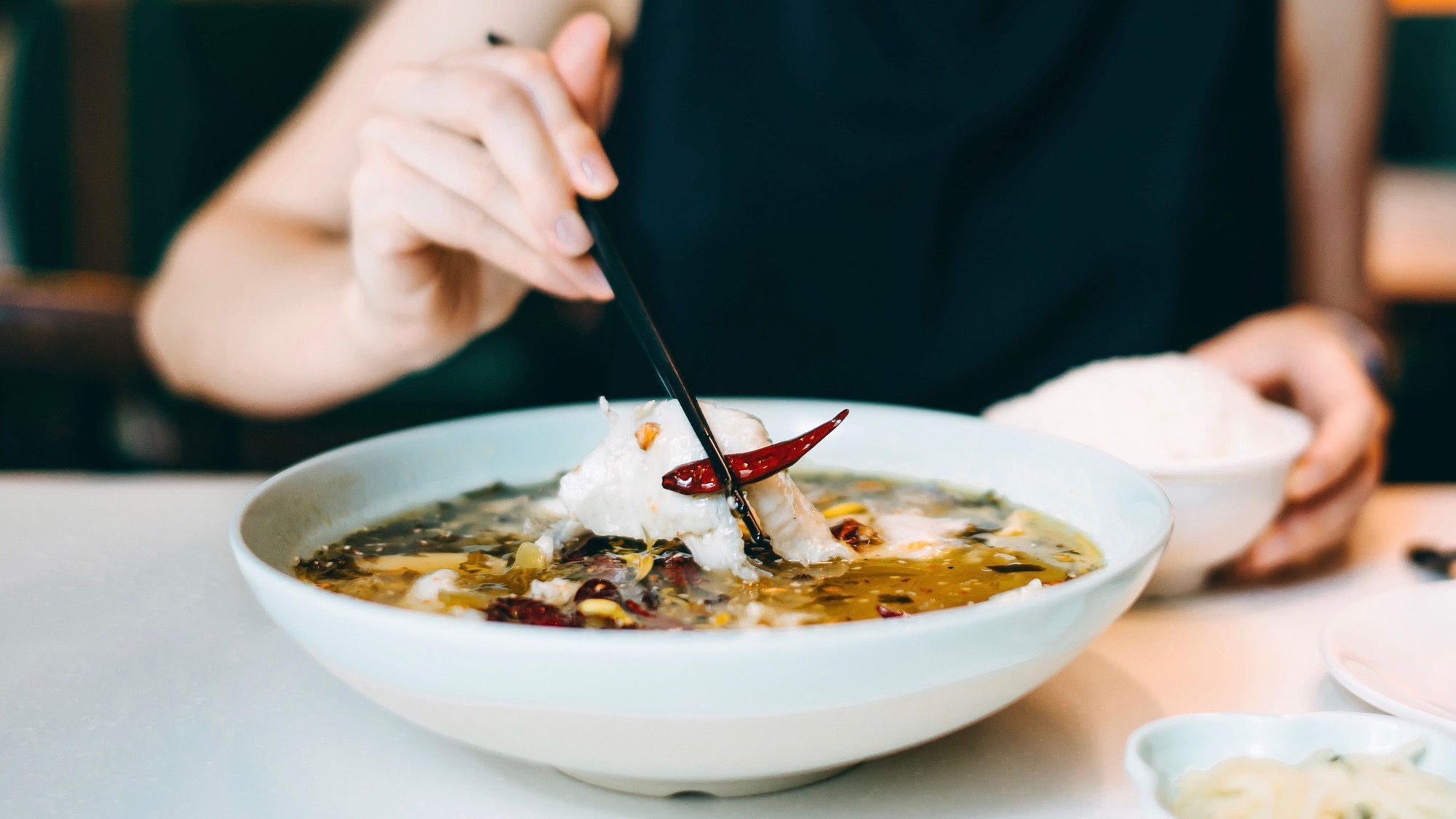
Consuming large amounts of spicy foods can trigger digestive discomfort, including burning diarrhea. Capsaicin isn’t fully broken down during digestion, so it can irritate the digestive tract on its way out, leading many people to wonder How to stop burning poop after eating spicy food. If you’ve recently enjoyed a particularly spicy meal, that may explain your symptoms. You may also notice burning in other areas, such as your lips or mouth. For relief strategies, you can read more about How to stop lips from burning from spicy food and How to stop chilli burn in mouth.
Irritable bowel syndrome
Irritable bowel syndrome (IBS) is a gastrointestinal condition that affects bowel function in different ways. A subtype called IBS-D is associated specifically with diarrhea. People with IBS-D may experience frequent loose stools, cramping, urgency, and sometimes a burning sensation due to repeated bowel movements and irritation.
Symptoms of burning diarrhea
Burning diarrhea can occur alongside a variety of other digestive or rectal symptoms, including:
- stomach pain or cramping
- gas
- bloating
- nausea
- vomiting
- itching
- swelling
- bloody stool
- mucus in stool
- frequency
- urgency
- stool leakage
Any noticeable shift in your bowel habits should be discussed with your doctor. Clearly describing your symptoms—including how long they last, what seems to trigger them, and whether you’ve recently eaten spicy food—can help your provider determine the root cause and recommend appropriate treatment.
Home treatment for burning diarrhea
In many instances, burning diarrhea is short-lived and improves with simple lifestyle adjustments and over-the-counter treatments. If you’re trying to figure out How to stop burning poop after eating spicy food, the following strategies may provide relief and protect sensitive skin:
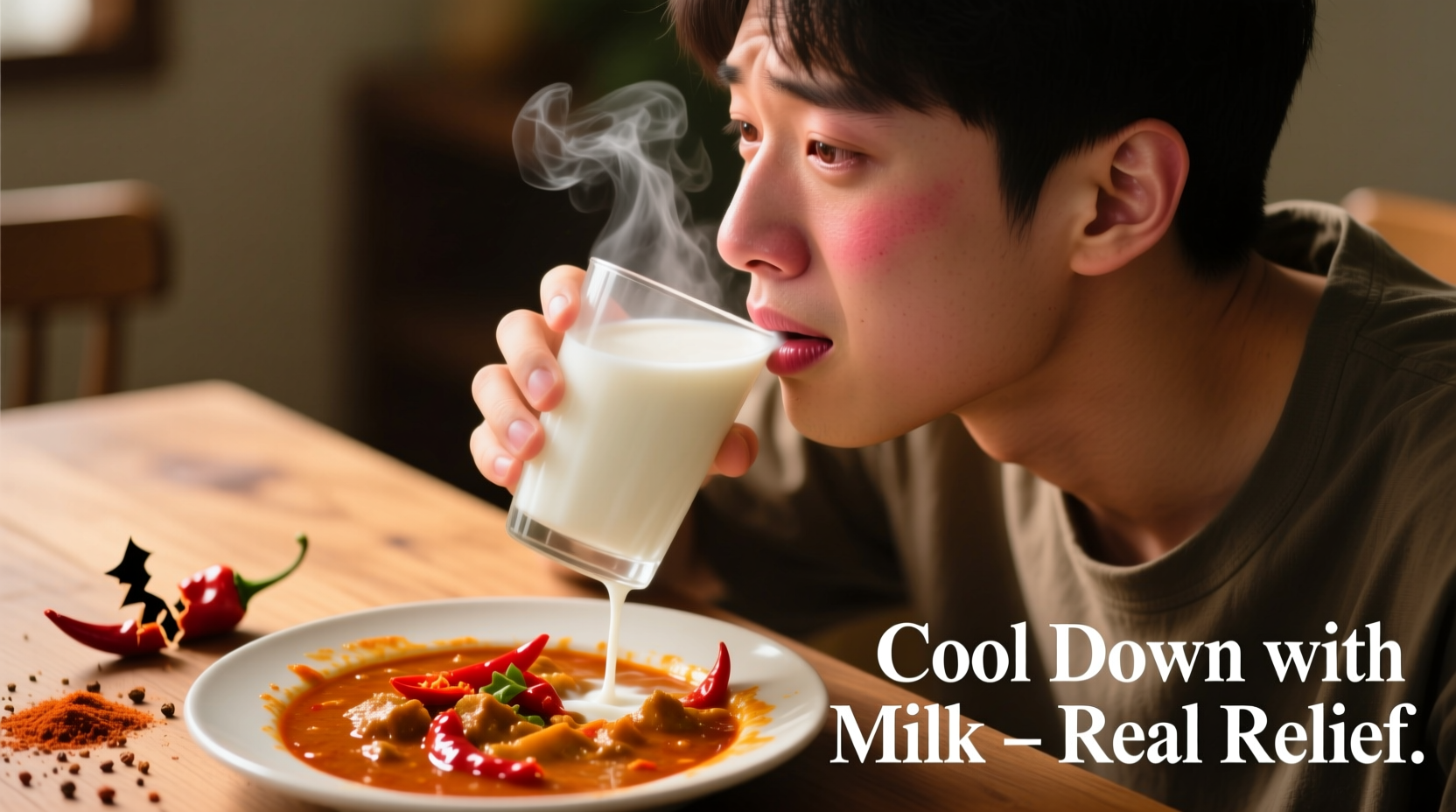
- Reduce or avoid foods that aggravate diarrhea, such as spicy foods, milk, and other dairy products.
- Keep a detailed food diary to identify possible dietary triggers and patterns.
- Eat smaller, balanced meals at regular intervals while symptoms persist to ease digestive strain.
- Stay well hydrated by drinking plenty of water to replace lost fluids and prevent dehydration.
- Sit in a warm bath or take a sitz bath to soothe irritation and calm inflamed tissue.
- Gently cleanse the anal area with water only. Avoid harsh soaps, scented wipes, or alcohol-based products.
- When drying off, pat the skin gently instead of rubbing to prevent further irritation.
- Wear loose-fitting clothing and breathable cotton underwear to minimize moisture buildup.
- Apply over-the-counter (OTC) ointments or barrier creams to relieve burning, itching, and discomfort.
- Consider OTC pain relievers such as acetaminophen or ibuprofen for temporary symptom relief, if appropriate for you.
- Talk to your doctor about antidiarrheal medications and ensure you understand proper dosing and usage.
In addition, applying a protective barrier such as petroleum jelly or zinc oxide before a bowel movement may help shield the skin and reduce post-spicy food burning. Limiting very hot or heavily seasoned meals for a period of time can also give your digestive tract a chance to recover.
When to see a doctor about burning diarrhea
Contact your doctor if you notice persistent changes in your bowel habits. While many causes of burning diarrhea are temporary and manageable at home, ongoing symptoms may signal an underlying digestive disorder that requires medical care.
Conditions such as IBS can contribute to chronic or recurring diarrhea and may need targeted treatment and long-term management strategies.
If your symptoms last for more than 2 days, schedule a medical evaluation. You should also seek medical attention if you experience:
- bleeding from your rectum
- abdominal pain that steadily worsens, particularly at night
- unexplained weight loss
During your visit, your doctor will likely review your medical history and ask detailed questions about your symptoms, diet, and recent changes. Writing down your concerns beforehand can help ensure you don’t forget important details.
Diagnostic testing may include:
- Stool tests: You may be asked to provide a stool sample so it can be analyzed for bacteria, parasites, or other abnormalities.
- Blood tests: Bloodwork can help detect infection, anemia, or nutritional deficiencies.
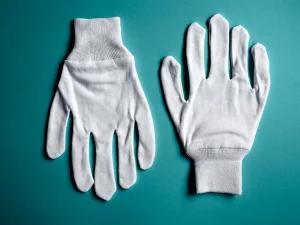
- Digital rectal exam: In this exam, your doctor inserts a gloved, lubricated finger into the rectum to check for growths, tenderness, or other irregularities that may require additional testing.
- Visual inspection: Because some issues, such as internal hemorrhoids, are not visible externally, your doctor may use an anoscope, proctoscope, or sigmoidoscope for closer examination.
- Colonoscopy: If you are over age 50 or have concerning symptoms, your doctor may recommend evaluating the entire colon using a colonoscope.
Outlook
Burning diarrhea can be uncomfortable and even alarming, especially after eating spicy foods. Fortunately, in most cases, it improves with dietary adjustments, proper hygiene, and OTC treatments. Understanding How to stop burning poop after eating spicy food often involves limiting trigger foods, soothing irritated skin, and staying hydrated.
If you remain concerned about your bowel habits or your symptoms do not resolve, reach out to your doctor for a professional evaluation and personalized treatment plan.

















Leave a Reply
You must be logged in to post a comment.