
Key takeaways
- Eliquis (apixaban) can interact with certain foods and dietary supplements, including grapefruit and St. John’s wort. These interactions may reduce how well Eliquis works or raise your risk of side effects.
- Eliquis may also interact with other medications, such as blood thinners and specific antidepressants. Taking these drugs together can increase the likelihood of bleeding and other side effects associated with Eliquis.
- Eliquis is not expected to cause unique side effects in most adults ages 65 years and older. However, older adults may have underlying medical conditions that can influence how Eliquis affects them. It’s important to review your full health history with your doctor before beginning treatment.
An interaction happens when one substance changes the way another substance works in your body. Interactions may also occur due to certain health conditions that alter how a medication is processed.
If you’re taking anticoagulants or researching Blood thinners and recreational drugs, understanding how Eliquis interacts with medications, supplements, and lifestyle factors is essential for safety. Continue reading to explore the potential interactions linked to Eliquis and how to manage them responsibly.
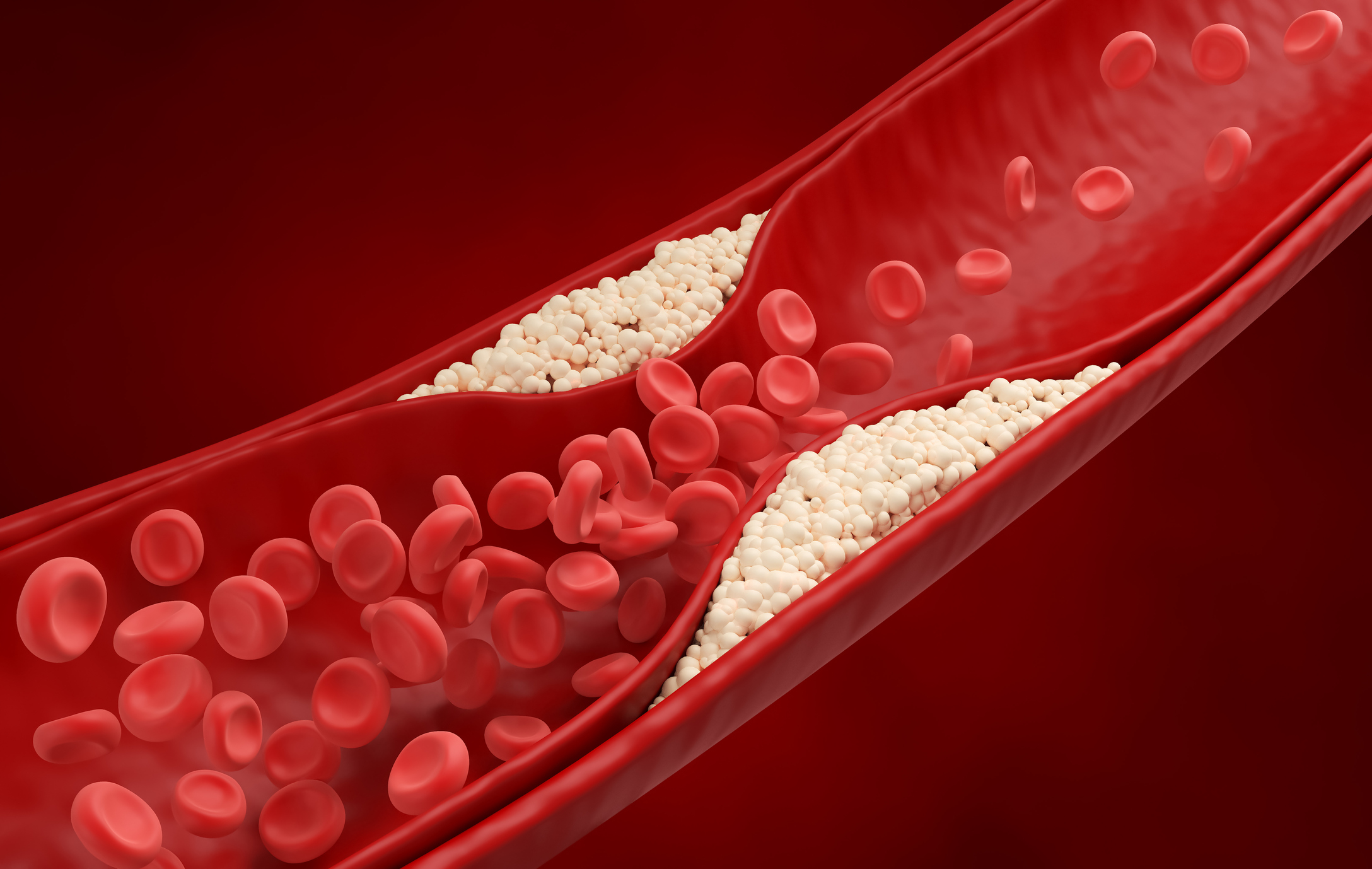
When should I avoid Eliquis?
Some medical conditions or circumstances can raise your risk of harm if you take Eliquis. If any of the situations below apply to you, your doctor may decide not to prescribe Eliquis. These are called contraindications. The list below outlines known contraindications for Eliquis.
If you have active bleeding: You should not use Eliquis if you currently have any type of bleeding, including internal bleeding. For example, gastrointestinal bleeding (bleeding in the stomach or intestines) is a serious concern. Because Eliquis affects blood clotting, it can heighten your bleeding risk and worsen existing bleeding.
If you’ve had an allergic reaction: If you’ve previously experienced an allergic reaction to Eliquis or any of its ingredients, your doctor will likely avoid prescribing it again. Ask your doctor about alternative treatment options that may be more appropriate for you.
If any of these apply, speak with your doctor before starting Eliquis. They can determine whether this medication is a safe option based on your medical background.
Does Eliquis interact with alcohol?
There are no known direct interactions between Eliquis and alcohol.
However, both Eliquis and alcohol can interfere with normal blood clotting. Drinking alcohol while taking Eliquis may increase your risk of bleeding complications, including serious internal bleeding.
If you consume alcohol, ask your doctor how much, if any, is considered safe during Eliquis therapy. This is especially important for individuals concerned about Blood thinners and recreational drugs, as combining substances can amplify health risks.
Does Eliquis interact with other drugs?
Before beginning Eliquis, inform your doctor and pharmacist about all prescription medications, over-the-counter (OTC) products, and other drugs you use. Providing a complete list helps reduce the chance of harmful drug interactions.

If you have concerns about how Eliquis may interact with other treatments, consult your healthcare provider.
The table below highlights medications known to interact with Eliquis. Keep in mind that this is not a complete list. Additional details appear in the “Drug interactions explained” section.
| Drug group or drug name | Drug examples | Interaction result with Eliquis |
|---|---|---|
| nonsteroidal anti-inflammatory drugs (NSAIDs) | • aspirin• ibuprofen (Advil)• naproxen (Aleve, Naprosyn)• meloxicam• celecoxib (Celebrex) | can increase the risk of side effects from Eliquis |
| anticoagulants | • rivaroxaban (Xarelto)• warfarin (Jantoven)• heparin• dabigatran (Pradaxa) | can increase the risk of side effects from Eliquis, as well as the other anticoagulants |
| certain antiepileptic drugs | • carbamazepine (Tegretol)• phenytoin (Dilantin) | can make Eliquis less effective than usual |
| certain antifungal drugs | • ketoconazole• itraconazole (Sporanox, Tolsura) | can increase the risk of side effects from Eliquis |
| any treatment that includes ritonavir | • ritonavir (Norvir)• ritonavir and lopinavir (Kaletra) • ritonavir and nirmatrelvir (Paxlovid) | can increase the risk of side effects from Eliquis |
| methyltestosterone (Methitest) | — | can increase the effect of Eliquis |
| rifampin (Rifadin) | — | can make Eliquis less effective than usual |
Drug interactions explained
Below is more detailed information about selected drug interactions associated with Eliquis.
Interaction with nonsteroidal anti-inflammatory drugs
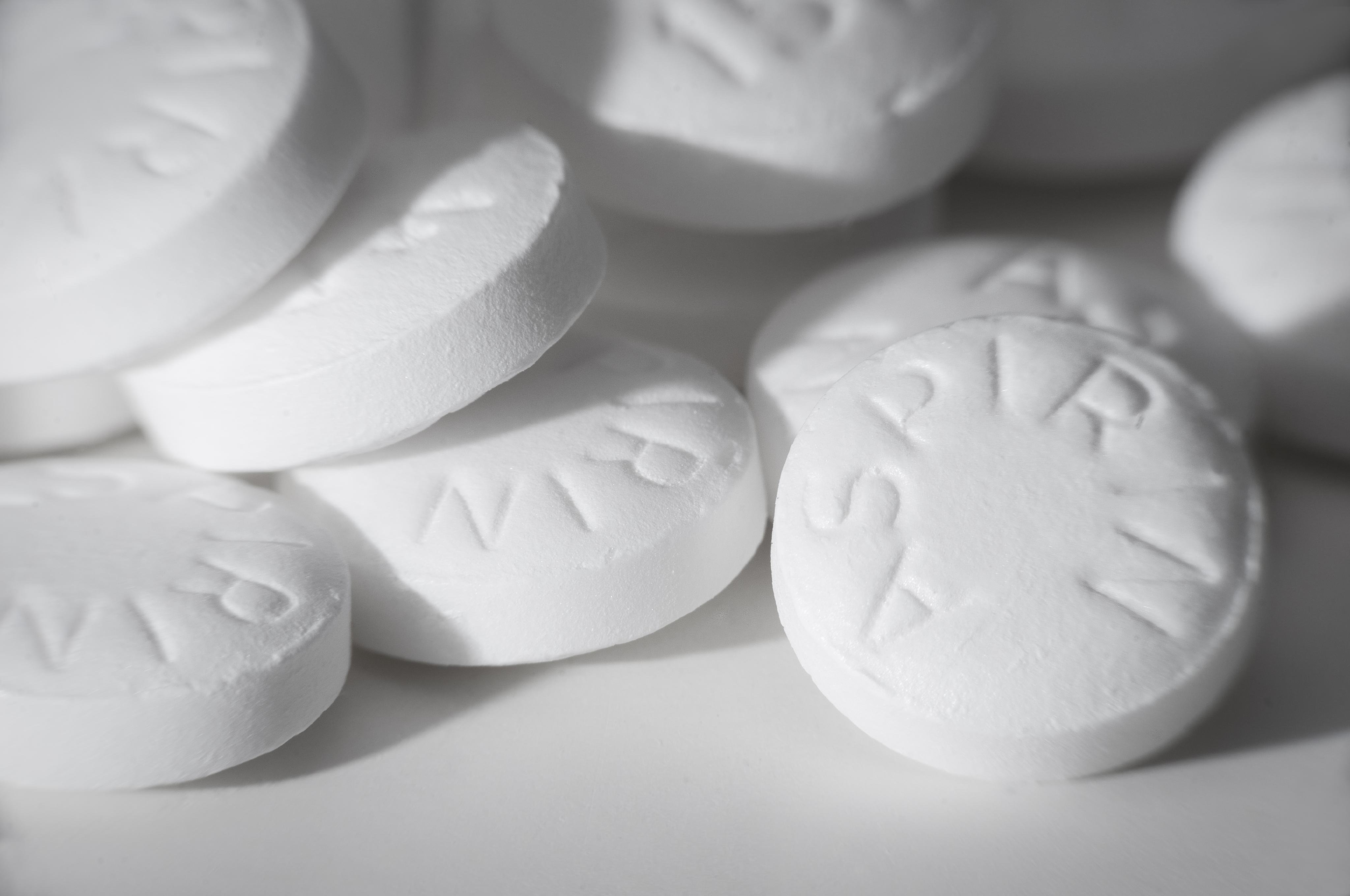
Nonsteroidal anti-inflammatory drugs (NSAIDs) are commonly used to relieve pain and inflammation. Eliquis may interact with NSAIDs as shown below.
| What could happen | Examples of NSAIDs | What you can do |
|---|---|---|
| can increase the risk of bleeding, including severe bleeding | • aspirin• ibuprofen (Advil) • celecoxib (Celebrex) • naproxen (Aleve)• meloxicam | Consult your doctor before combining NSAIDs with Eliquis. They may advise avoiding this combination due to bleeding risks. |
Interaction with methyltestosterone
Methyltestosterone (Methitest) is prescribed for low testosterone and certain types of breast cancer in people assigned female at birth. Eliquis may interact with methyltestosterone as described below.
| What could happen | What you can do |
|---|---|
| can increase the effect of Eliquis and increase your risk of bleeding | If both medications are necessary, your doctor will monitor you carefully for bleeding symptoms. |
Interaction with other anticoagulants
Eliquis is part of a medication class called anticoagulants, often referred to as blood thinners. Combining it with other anticoagulants can significantly elevate bleeding risk.
| What could happen | Examples of other anticoagulants | What you can do |
|---|---|---|
| can increase the effect of Eliquis and increase your risk of bleeding | • rivaroxaban (Xarelto) • warfarin (Jantoven)• heparin• dabigatran (Pradaxa) | Tell your doctor if you are already taking another anticoagulant. Doctors generally avoid prescribing Eliquis alongside another anticoagulant. |
Are there other interactions with Eliquis?
Yes. Eliquis may also interact with certain supplements, herbs, and foods.
Does Eliquis interact with supplements?
Before starting Eliquis, review any supplements, herbal products, or vitamins you take with your healthcare provider. This discussion is especially important for individuals exploring topics related to Blood thinners and recreational drugs, as combining substances can complicate anticoagulation therapy.
Eliquis interactions with herbs
St. John’s wort can interact with Eliquis by reducing its effectiveness. Because of this, doctors generally advise against using St. John’s wort while taking Eliquis.
Eliquis and vitamins
At present, there are no reports of Eliquis interacting with vitamins. However, absence of reports does not guarantee that interactions are impossible. Always check with your doctor before adding new supplements.
Does Eliquis interact with food?
Grapefruit can interact with Eliquis. Consuming grapefruit or grapefruit products may raise the risk of side effects, particularly bleeding.
It is generally recommended to avoid grapefruit during Eliquis treatment. If grapefruit is a regular part of your diet, your doctor may consider adjusting your dosage.
Does Eliquis interact with vaccines?
No known interactions exist between Eliquis and vaccines. Still, inform your healthcare provider about all medications you take before receiving a vaccine.
Does Eliquis interact with lab tests?
Eliquis is not known to interfere with laboratory tests. If you have concerns about test accuracy while on Eliquis, discuss them with your doctor.
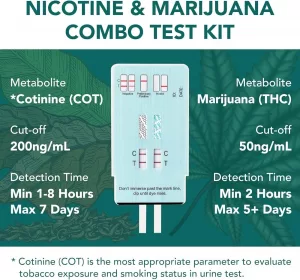
Does Eliquis interact with cannabis or CBD?There are currently no reports of Eliquis interacting with cannabis (marijuana) or cannabidiol (CBD). However, cannabis products may affect bleeding risk or liver metabolism in some individuals. Speak with your doctor before combining these substances with Eliquis. Note: Cannabis remains illegal at the federal level but is legal in many states to varying degrees.
Does my health history affect whether I should take Eliquis?
Your medical history can influence whether Eliquis is appropriate for you. Always provide your doctor with a complete health history before starting treatment.
- Active bleeding: Eliquis should not be used if you currently have bleeding.
- Antiphospholipid syndrome (APS): Eliquis can increase the risk of blood clots in people with APS. Alternative treatments are usually recommended.
- Heart valve replacement: Eliquis has not been proven safe or effective in people with prosthetic heart valves.
- Spinal cord procedures: Procedures such as epidural, spinal block, or lumbar puncture may increase the risk of spinal bleeding while on Eliquis, potentially leading to long-term or permanent paralysis.
- Kidney problems: Conditions like chronic kidney disease can cause Eliquis to accumulate in the body, raising side effect risk.
- Severe liver problems: Safety in severe cirrhosis is unknown.
- Pregnancy: It is unknown whether Eliquis is safe during pregnancy.
- Breastfeeding: It is unknown whether Eliquis passes into breast milk.
- Allergic reaction: Prior allergic reactions to Eliquis prevent future use.
How can I prevent interactions?
To lower your risk of interactions while taking Eliquis, consider these steps:
- Discuss alcohol, cannabis, nicotine use, and recreational substances with your doctor. If you smoke, review what happens if you smoke while on blood thinners? for more insight. You may also wonder, Can you vape while on blood thinners—these are important considerations when managing anticoagulant therapy.
- Keep an updated list of all medications, supplements, and herbal products you use.
- Notify your healthcare provider before starting any new medication during treatment.
Carefully read Eliquis’ label and prescribing information to understand potential warnings. Taking the medication exactly as directed also helps minimize risks.
What should I ask my doctor?
If you still have questions about Eliquis interactions, speak openly with your healthcare provider. You may consider asking:
- Does my Eliquis dosage affect interaction risk?
- If I have a specific health condition, is Eliquis still safe?
- Which pain relievers are safest if I develop a headache?
- What should I do if I’m prescribed a new medication?
Disclaimer: HealthEH has made every effort to ensure that all information is accurate, thorough, and current. However, this article should not replace the advice of a licensed healthcare professional. Always consult your doctor or another qualified healthcare provider before taking any medication. Drug information may change and is not intended to cover all uses, precautions, warnings, drug interactions, allergic reactions, or possible adverse effects. Lack of specific warnings does not mean a drug or drug combination is safe, effective, or appropriate for every patient.



















Leave a Reply
You must be logged in to post a comment.