

Vitamin C, naturally present in a wide variety of fruits and vegetables, offers numerous health advantages. It plays a central role in supporting the immune system and may also contribute to lower blood pressure levels.
As an essential vitamin, your body cannot manufacture vitamin C on its own. Because of this, consistent intake through diet or supplements is necessary. When discussing the broader Benefits of taking vitamins everyday, vitamin C is often highlighted for its wide-ranging protective effects and its role in overall wellness.
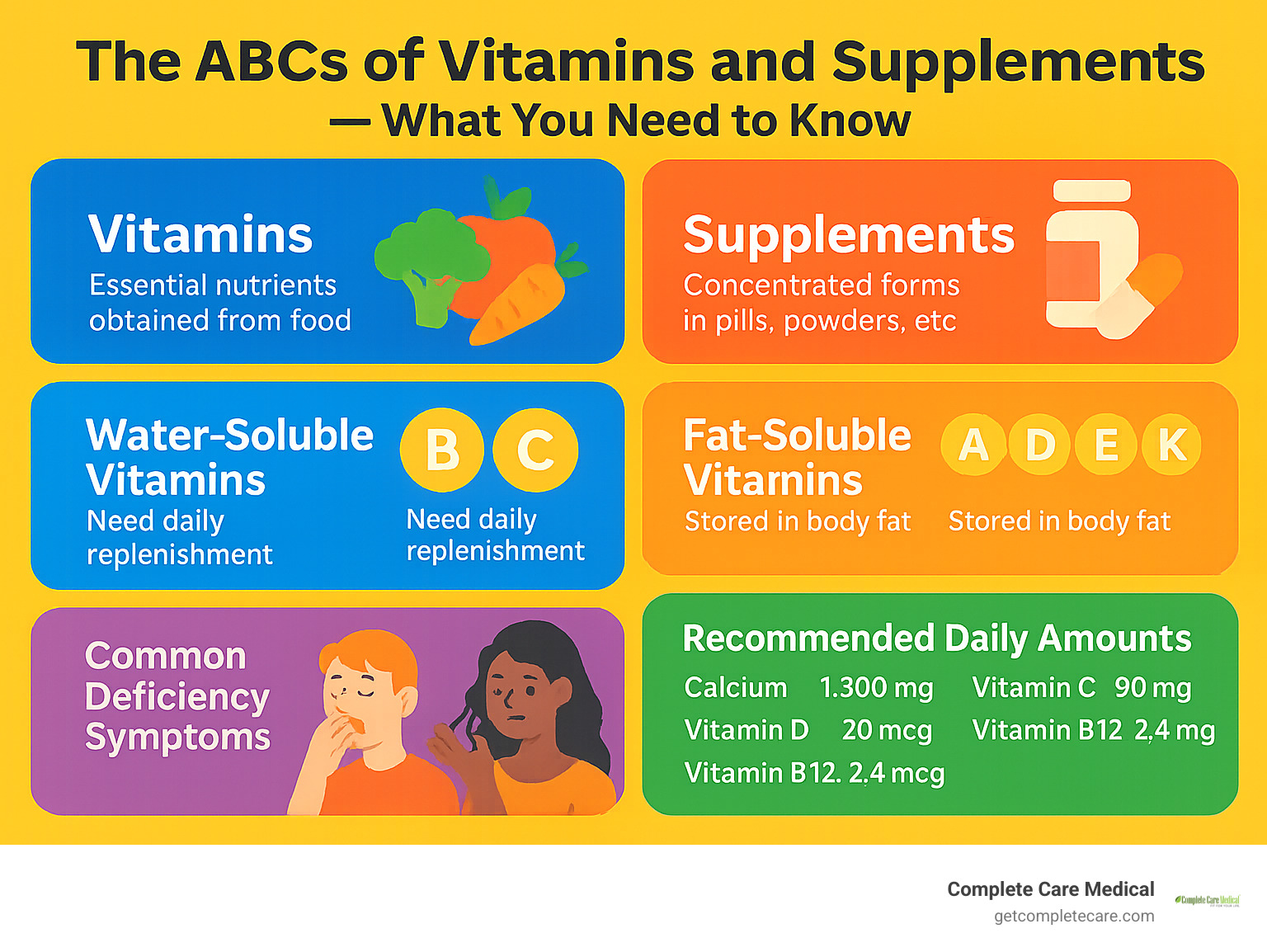
This water-soluble nutrient is abundant in foods such as oranges, strawberries, kiwi fruit, bell peppers, broccoli, kale, and spinach.

The recommended daily intake for vitamin C is 75 mg for women and 90 mg for men.
Although obtaining vitamin C from whole foods is typically encouraged, many individuals use supplements to help meet daily requirements—especially those with dietary gaps or increased nutritional needs. If you’re curious about how supplementation influences overall health, you may also explore What happens to your body when you start taking vitamins for a deeper understanding.
Below are 7 scientifically proven benefits of taking a vitamin C supplement.
May reduce your risk of chronic disease
Vitamin C functions as a potent antioxidant that reinforces the body’s natural defense systems.
Antioxidants enhance immune resilience by shielding cells from unstable molecules known as free radicals.
When free radicals build up in the body, they can trigger oxidative stress, a condition associated with the development of many chronic diseases.
A recent review of studies examining the importance and usefulness of vitamin C in preventing and treating various conditions emphasizes its value in supporting optimal health and preventing deficiencies and related disorders. Regular intake, as part of the broader Benefits of taking vitamins everyday, may therefore contribute to long-term disease prevention strategies.
May help manage high blood pressure
Almost one-half of American adults have high blood pressure.
High blood pressure significantly raises the risk of cardiovascular disease, the leading cause of death globally.
Research indicates that vitamin C may assist in lowering blood pressure in individuals both with and without hypertension.
An animal study demonstrated that vitamin C supplementation helped relax the blood vessels responsible for carrying blood away from the heart, contributing to reduced blood pressure readings.
Additionally, an analysis of 29 human studies found that vitamin C supplementation lowered systolic blood pressure (the upper value) by 3.8 mmHg and diastolic blood pressure (the lower value) by 1.5 mmHg on average in people with normal or elevated blood pressure.
While these findings are encouraging, it remains uncertain whether these blood pressure–lowering effects persist long term. Importantly, individuals with high blood pressure should not depend solely on vitamin C for management but instead use it as part of a comprehensive treatment plan that includes medical care and lifestyle modifications.
May lower your risk of heart disease
Heart disease remains the leading cause of death worldwide.
Several factors contribute to heart disease risk, including high blood pressure, elevated triglyceride or LDL (bad) cholesterol levels, and low HDL (good) cholesterol levels.
Vitamin C may help decrease these risk markers, potentially lowering the overall likelihood of developing heart disease.
For instance, an analysis of 9 studies involving 293,172 participants revealed that after 10 years, individuals taking at least 700 mg of vitamin C daily had a 25% lower risk of heart disease compared with those who did not supplement.
Interestingly, another analysis of 15 studies found that vitamin C obtained from foods—not supplements—was associated with a decreased heart disease risk.
However, researchers questioned whether people consuming vitamin-C-rich foods may have also practiced healthier lifestyle habits than those relying on supplements. As a result, it remains unclear whether the benefits were due solely to vitamin C or other aspects of diet and behavior.
Another analysis of 13 studies evaluated the impact of taking at least 500 mg of vitamin C daily on heart disease risk markers, including cholesterol and triglycerides.
The findings showed that supplementation reduced LDL (bad) cholesterol by about 7.9 mg/dL and lowered blood triglycerides by 20.1 mg/dL.
In summary, consuming or supplementing with at least 500 mg of vitamin C daily may reduce heart disease risk. However, if you already eat a vitamin-C-rich diet, supplements may not offer significant additional cardiovascular benefits. Those considering daily supplementation may also wonder, Is it good to take a multivitamin everyday, especially when evaluating overall nutrient intake.
May reduce blood uric acid levels and help prevent gout attacks
Gout is a form of arthritis affecting approximately 4% of American adults.
This condition is extremely painful and involves joint inflammation, particularly in the big toes. Individuals with gout often experience swelling and sudden, intense pain episodes.
Gout develops when uric acid levels in the blood become elevated. Uric acid is a waste product created by the body, and when levels rise too high, crystals can form and deposit in the joints.
Several studies suggest that vitamin C may help lower blood uric acid levels and, in turn, reduce the likelihood of gout attacks.
For example, a study of 1,387 men found that those with the highest vitamin C intake had significantly lower uric acid levels than those with the lowest intake.
Another study tracked 46,994 healthy men over 20 years to evaluate whether vitamin C consumption was associated with gout development. It concluded that those taking vitamin C supplements had a 44% lower risk of gout.
Additionally, an analysis of 13 studies showed that vitamin C supplementation for 30 days significantly reduced blood uric acid compared with a placebo.
Although the connection between vitamin C intake and uric acid levels appears strong, further research is necessary to fully understand its long-term effects on gout prevention.
Helps prevent iron deficiency
Iron is a vital nutrient involved in numerous bodily processes. It is essential for producing red blood cells and enabling oxygen transport throughout the body.
Vitamin C supplements can enhance the absorption of iron from food. Specifically, vitamin C converts iron that is poorly absorbed—such as plant-based iron—into a form that the body can absorb more efficiently.
This benefit is particularly valuable for individuals following a meat-free diet, since meat is a primary source of iron.
As a result, vitamin C may lower the risk of anemia in people susceptible to iron deficiency. Supporting nutrient absorption is another example of the Benefits of taking vitamins everyday, especially when dietary intake may not be optimal.
If you have low iron levels, increasing your intake of vitamin-C-rich foods or using a vitamin C supplement may help improve blood iron status.
Boosts immunity
One of the most common reasons individuals take vitamin C supplements is to strengthen their immune system, as vitamin C supports multiple immune functions.
First, vitamin C helps encourage the production of white blood cells such as lymphocytes and phagocytes, which help defend the body against infection.
Second, it enhances the effectiveness of these white blood cells while shielding them from damage caused by free radicals.
Third, vitamin C is a critical component of the skin’s defense system. It is actively transported to the skin, where it acts as an antioxidant and helps reinforce the skin barrier.
Studies have also demonstrated that vitamin C supplementation may shorten wound healing time.
Furthermore, low vitamin C levels have been associated with poorer health outcomes.
For instance, individuals with pneumonia often exhibit lower vitamin C levels, and vitamin C supplements have been shown to reduce recovery time.
Protects your memory and thinking as you age
Dementia is a general term describing symptoms related to impaired memory and cognitive function.
It affects 47 million people worldwide and is most common among older adults.
Studies suggest that oxidative stress and inflammation affecting the brain, spine, and nerves—collectively known as the central nervous system—may elevate dementia risk.
Vitamin C is a strong antioxidant, and low levels have been linked to diminished cognitive performance.
Moreover, severalstudies have reported that people with dementia often have lower blood concentrations of vitamin C.
Higher vitamin C intake from food or supplements has been shown to exert a protective effect on memory and cognitive function with aging.
Vitamin C supplementation may be beneficial against conditions such as dementia if dietary intake is insufficient. Nevertheless, more human studies are required to clarify the full impact of vitamin C supplements on nervous system health.
Unproven claims about vitamin C
Although vitamin C offers many evidence-based benefits, it is also associated with several claims that lack strong scientific backing.
Here are some claims that remain unproven:
- Prevents the common cold. While vitamin C appears to lessen cold severity and reduce recovery time by 8% in adults and 14% in children, it does not prevent colds.
- Reduces cancer risk. A few studies have associated vitamin C intake with lower cancer risk. However, most research indicates that vitamin C does not influence the likelihood of developing cancer.
- Protects against eye disease. Vitamin C has been linked to decreased risks of cataracts and age-related macular degeneration. Still, vitamin C supplements show no benefit and may even cause harm.
- May treat lead toxicity. Although individuals with lead toxicity often have low vitamin C levels, strong evidence from human studies demonstrating that vitamin C can treat lead toxicity is lacking.
The bottom line
Vitamin C is a water-soluble vitamin that must be obtained through diet or supplementation.
It has been associated with numerous impressive health benefits, including increasing antioxidant levels, reducing blood pressure, protecting against gout attacks, enhancing iron absorption, strengthening immunity, and lowering the risk of heart disease and dementia.
Overall, vitamin C supplements offer a practical and effective way to increase vitamin C intake, particularly for individuals who struggle to meet their needs through food alone. When evaluating the broader Benefits of taking vitamins everyday, ensuring adequate vitamin C intake is an important part of maintaining long-term health and nutritional balance.






















Leave a Reply
You must be logged in to post a comment.