

You may notice a range of symptoms after a concussion. In many cases, they improve with adequate rest and time. However, recovery might require stepping away from sports, school, or work responsibilities to allow the brain to heal properly.
A concussion is a mild traumatic brain injury (TBI) that happens after a blow or jolt to the head. It can also develop during a rapid acceleration-deceleration event, such as a whiplash-type injury that forces the head and brain to move swiftly back and forth. While discussions about Whiplash symptoms delayed often focus on neck pain and stiffness, it’s important to understand that similar mechanisms can also lead to a concussion.
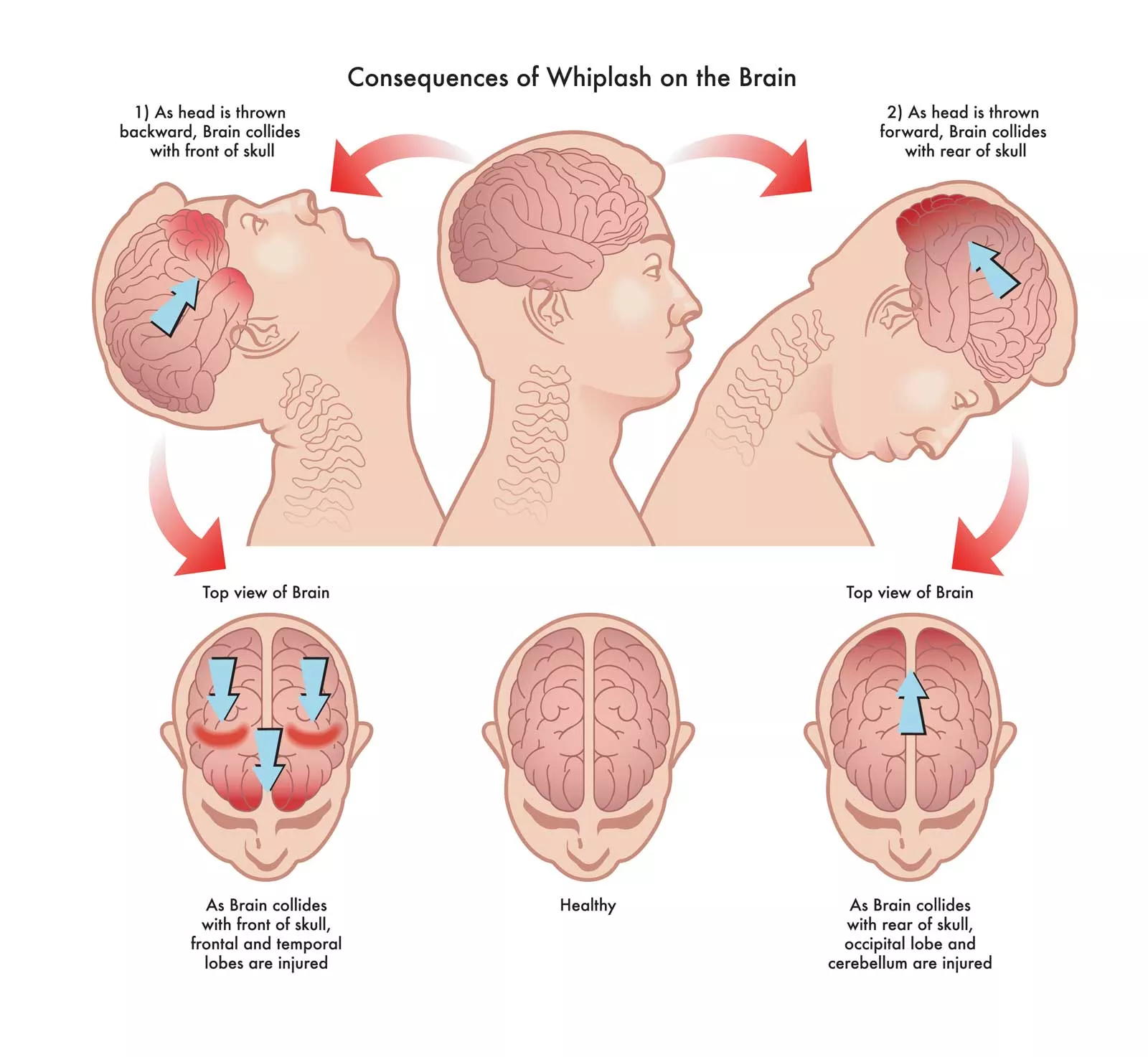
Not every impact to the head results in a TBI. Still, concussions may trigger noticeable symptoms that should never be dismissed. These can include headaches, changes in mental clarity, and in some situations, loss of consciousness.
Although concussions are typically not life threatening, they can produce serious effects that warrant medical evaluation. Management often involves physical and cognitive rest, temporary activity restrictions, and the use of pain-relieving medication when appropriate.
Head injuries can happen to anyone, whether from a household fall or a motor vehicle accident. Participation in contact sports such as football or boxing increases the likelihood of sustaining a concussion.
Below, we’ll review the primary signs and symptoms of a concussion, how they may differ by age group, what treatment generally involves, and additional considerations for recovery.
Concussion symptoms
Concussion symptoms differ depending on the injury’s severity and the individual affected. Loss of consciousness does not occur in every case. Some people faint briefly, while others remain awake throughout.
Even though concussions can be painful and disruptive, most are not life threatening. Nevertheless, you should always seek medical advice after a potential head injury, since proper assessment and guidance may be necessary.
Here’s a breakdown of different symptom categories for concussions:
| Physical symptoms (somatic) | You might experience sensitivity to light, dizziness, fatigue, headache, nausea and vomiting, trouble seeing |
|---|---|
| Emotional | Feeling particularly anxious, irritable, moody, or sad |
| Thinking and remembering (cognitive) | Having difficulty paying attention, problems with short- or long-term memory, feeling groggy |
| Sleep | Irregular sleeping patterns (too much or too little), trouble falling asleep |
Symptoms of a concussion in yourself
Recognizing the warning signs of a concussion in yourself is essential, especially after a fall, collision, or sudden head movement.
According to the Centers for Disease Control and Prevention (CDC), symptoms you may experience during a concussion include:
- headache
- nausea or vomiting
- confusion or feeling disoriented
- drowsiness or feeling sluggish
- dizziness
- double vision or blurred vision
- sensitivity to light or noise
- balance problems
Some individuals may also report neck discomfort after an accident. In situations involving rapid neck motion, it can be helpful to monitor for Whiplash nerve damage symptoms, since overlapping complaints such as headaches or dizziness may occur.

Symptoms of concussion in a loved one
At times, friends or family members may detect concussion symptoms more readily than the injured person.
Signs of a concussion observed by others include:
- memory problems
- a dazed look
- sudden mood, behavior, or personality changes
- losing consciousness
- slow reflexes and responses
These signs can appear immediately or may emerge hours or even days after the injury. Similar to how Whiplash symptoms delayed can surface after a car accident, concussion symptoms may also develop gradually. Ongoing monitoring is important to detect any worsening condition.
Recovery symptoms for concussion
As you move through the recovery phase, lingering symptoms can persist, though they usually lessen over time.
These include:
- irritability
- sensitivity to light or noise
- difficulty concentrating
- mild headaches
If you believe you or another person has experienced a head injury, seek medical assistance.
Concussion symptoms in babies
In infants, concussion symptoms may present differently and can be subtle. Babies cannot describe what they’re feeling, and they do not show signs like slurred speech or difficulty walking.
Common signs of a concussion in babies include:
- a visible bump or bruise on the baby’s head
- crying when you move the baby’s head or neck
- vomiting
- irritability
- drowsiness
- seizure
- dilated pupils
Although uncommon, concussions can lead to permanent brain damage in infants. Most recover fully, but prompt medical evaluation is critical. Seek emergency care if your baby loses consciousness.
Concussion symptoms in children
As children mature, they are often better able to describe their symptoms and may show clearer behavioral changes.
According to a 2020 study, common symptoms reported in children ages 5-11 with concussions were:
- trouble sleeping
- vision problems (including eye pain, double vision)
- headache
- dizziness
Additional warning signs in younger children may include:
- excessive crying
- staring into space
- behavioral changes
- trouble concentrating
Because children’s brains are still developing, they are uniquely at risk of TBI, particularly if they participate in sports.
Children should be assessed promptly after any suspected TBI and provided appropriate academic accommodations during recovery. This may include time away from sports, reduced schoolwork, scheduled rest breaks, or extended deadlines.
Emergency symptoms: When to see a doctor
Consult a doctor if you suspect a concussion. Although most cases resolve with supportive care, determining the injury’s severity is essential.
Concussions can occur alongside spinal injuries. If a neck or back injury is suspected, avoid moving the individual and call emergency services. If movement is unavoidable, keep the neck and spine as stable as possible to reduce the risk of further harm.
According to the American Association of Neurological Surgeons (AANS), seek urgent medical attention if someone with a concussion experiences:
- slurred speech
- trouble waking up, or you can’t wake them
- seizures
- consistent vomiting
- a history of multiple concussions
If symptoms fail to improve within a few days or begin to worsen, a medical evaluation is strongly recommended.
What causes a concussion?
Concussions result from a direct or indirect force applied to the head.
The brain is suspended in a jelly-like substance within the skull known as cerebrospinal fluid (CSF). A forceful impact can cause the brain and its protective membranes (meninges) to strike the inside of the skull. This motion can injure brain tissue and, in some cases, cause CSF to leak.
Common causes of concussion include:
- falling down
- getting hit in the head (especially when playing sports)
- being in a car accident
- being injured in a blast or explosion

In more severe head trauma, a skull fracture may occur. Broken bone fragments can damage delicate brain tissue.
Some traumatic brain injuries involve penetration of the skull by a foreign object, such as a bullet or shrapnel.
How a concussion is diagnosed
During a doctor’s visit or emergency evaluation, you’ll be asked about how the injury occurred and what symptoms you’re experiencing. You may complete a symptom checklist and rate their intensity.
A physical examination typically includes balance and vision testing. Clinicians assess pupil size, eye tracking, and sensitivity to light, as concussions can disrupt these functions.
If there are concerning symptoms or a significant mechanism of injury, your doctor may order an MRI scan or a CT scan to evaluate for structural damage.
If seizures occur after the injury, an electroencephalogram may be performed to monitor brain wave activity.
Concussions in athletes
Concussions frequently occur in contact sports. In the past, athletes sometimes returned to play quickly. Today, standardized assessment protocols are used to identify symptoms early and reduce the risk of a second injury.
Athletes should always inform coaches or medical staff about possible head injuries. Continuing to play without proper evaluation can increase the risk of complications, including those similar in seriousness to Untreated whiplash symptoms that persist when injuries are ignored.
Concussion treatment
Treatment depends largely on symptom severity. Most concussions improve with conservative care at home.
Treatment can include:
- Over-the-counter pain relievers.
- Drinking plenty of water. Concussions can cause nausea and vomiting, which may lead to dehydration.
- Getting enough rest.
- Taking a break from sports and other strenuous activities.
- Not driving a vehicle right away. Reaction time, balance, and concentration may be temporarily affected.
- Avoiding alcohol while recovering. Alcohol may delay healing and interact negatively with medications.
- Brain rest. Limiting screen time and exposure to bright lights or loud environments supports neurological recovery.
Surgical intervention or advanced treatment may be required if there is:
- bleeding in the brain
- swelling of the brain
- other serious injury to the brain
Q:
I’ve always heard that you should keep someone awake for 24 hours if they’ve suffered a significant head injury, but is that true? Why is it so important?
A:
Traditionally, people were advised to wake someone periodically after a traumatic brain injury (for example, after loss of consciousness or a severe concussion) to ensure they were not deteriorating. If a person cannot be awakened, this may signal a serious complication. However, sleep itself does not cause harm.
In hospital settings, individuals with significant injuries typically undergo a CT scan or MRI to identify bleeding, skull fracture, or other structural issues. Outside of a medical facility, it can be reasonable to check on someone every few hours to confirm that their condition is stable. There is no strict timeframe for monitoring, but adequate rest remains an essential part of recovery.
A warning about the long-term effects of multiple concussions
Anyone who has sustained a concussion should avoid returning to sports or strenuous activity without medical clearance. Experiencing a second concussion before the first has healed may result in second impact syndrome, a condition associated with severe brain swelling that can be fatal.
Allowing sufficient time for rest after any concussion is crucial. Even after medical approval to resume activities, the return should be gradual and closely monitored.
Other concussion complications
Potential long-term complications include:
- Post-concussion syndrome. Symptoms persist for weeks or months rather than resolving within days. If symptoms last longer than 3 months, this is known as persistent postconcussive syndrome. It is more common in individuals with multiple TBIs or those who resume activity too soon.
- Post-traumatic headaches. These may continue for several months.
- Post-traumatic vertigo. Ongoing dizziness can persist for months after injury.
- Brain injury or damage. Repeated TBIs increase the likelihood of lasting neurological effects.
How to prevent concussions
You can lower your risk of concussion by adopting key safety measures.
- wearing a properly fitted helmet
- using athletic safety gear
- following safety guidelines in sports and when operating vehicles or machinery
- allowing adequate recovery time after injuries
The CDC’s HEADS UP initiative offers free educational resources on prevention and management of head injuries for schools, families, coaches, and healthcare professionals.
Outlook
Concussions represent a mild form of traumatic brain injury (TBI), and most people recover completely without lasting complications.
With appropriate rest, symptoms frequently resolve on their own. Temporary adjustments to work, school, or sports participation may be necessary. Over-the-counter pain relievers can help manage discomfort when advised by a healthcare professional.
All head injuries should be assessed by a medical provider. If symptoms are severe, prolonged, or worsening, further imaging and evaluation may be required.
While most symptoms improve within weeks, some may persist for months. Rarely, individuals develop lasting emotional, cognitive, or physical changes. Repeated concussions raise the risk of permanent brain damage, underscoring the importance of prevention, early recognition, and proper recovery.




















Leave a Reply
You must be logged in to post a comment.