
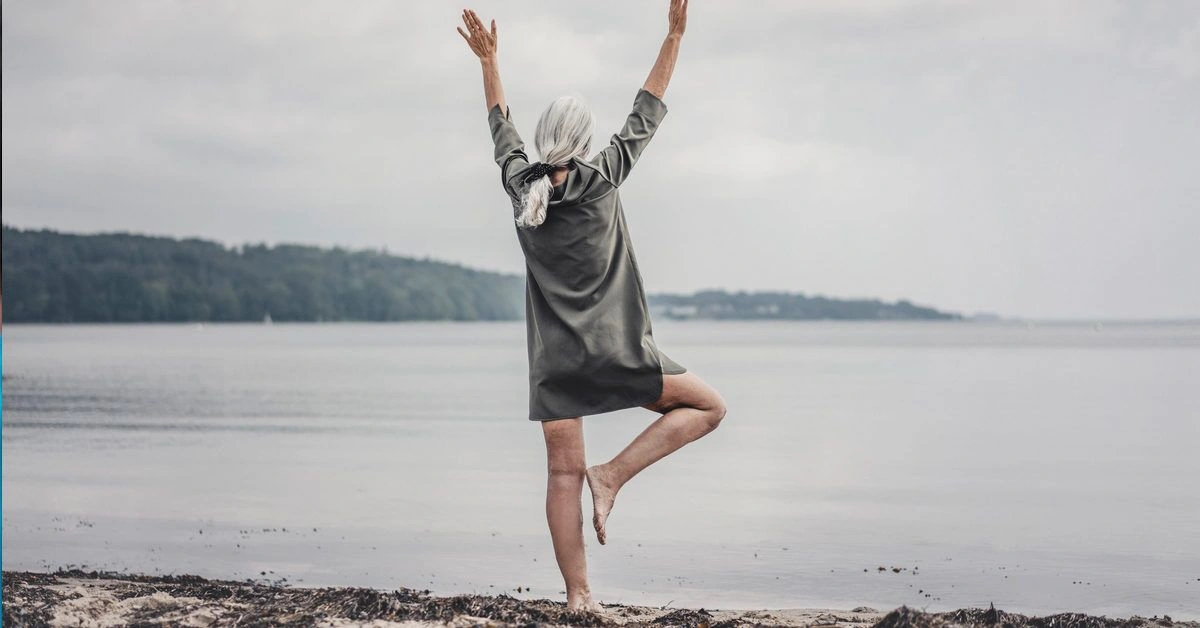
As we grow older, natural physical changes such as a decline in muscle mass and strength become more noticeable. These shifts can affect stability, coordination, and overall mobility. Incorporating balance and strength exercises, along with cardio and stretching, can help slow this progression and promote long-term functional health.
Remaining physically active in later years is essential when muscle mass and strength begin to decrease. Regular movement helps counteract these effects and supports joint flexibility, bone density, and cardiovascular health.
Staying mobile, strong, and steady on your feet promotes independence, enhances confidence, and supports emotional well-being. It also lowers your risk of falls and related injuries. Even everyday choices — such as wearing Low heel high heels for mature women or selecting Wide fit low heel high heels for mature women for improved foot support — can contribute to better balance and joint alignment as part of a broader fall-prevention strategy.
Tips to find your balance
Use these practical suggestions to help you begin safely and confidently:
- Identify your dominant leg. Start each movement with your nondominant side so the dominant side feels easier.
- Maintain proper posture and alignment while holding each position.
- Fix your gaze on a steady point straight ahead to enhance stability.
- If standing balance feels challenging, widen your stance slightly.
- Keep a soft bend in your knees to avoid hyperextension and improve steadiness.
- Distribute your weight evenly across both feet. Pay attention to whether you lean forward, backward, or favor one side.
- As your stability improves, increase difficulty by briefly closing one eye, looking upward, or adjusting your arm placement.
Exercises to try
You may perform these exercises barefoot or while wearing supportive shoes. Shoes can provide traction and added stability, whereas going barefoot helps strengthen the intrinsic muscles of the feet that contribute to balance.
Place a yoga mat beneath you for cushioning and to reduce slipping risk. When possible, have someone nearby to supervise or assist if needed.
Adapt each movement to your comfort level. With consistency, your balance will improve, allowing you to progress to more advanced variations.
Balance exercises
Rock the boat
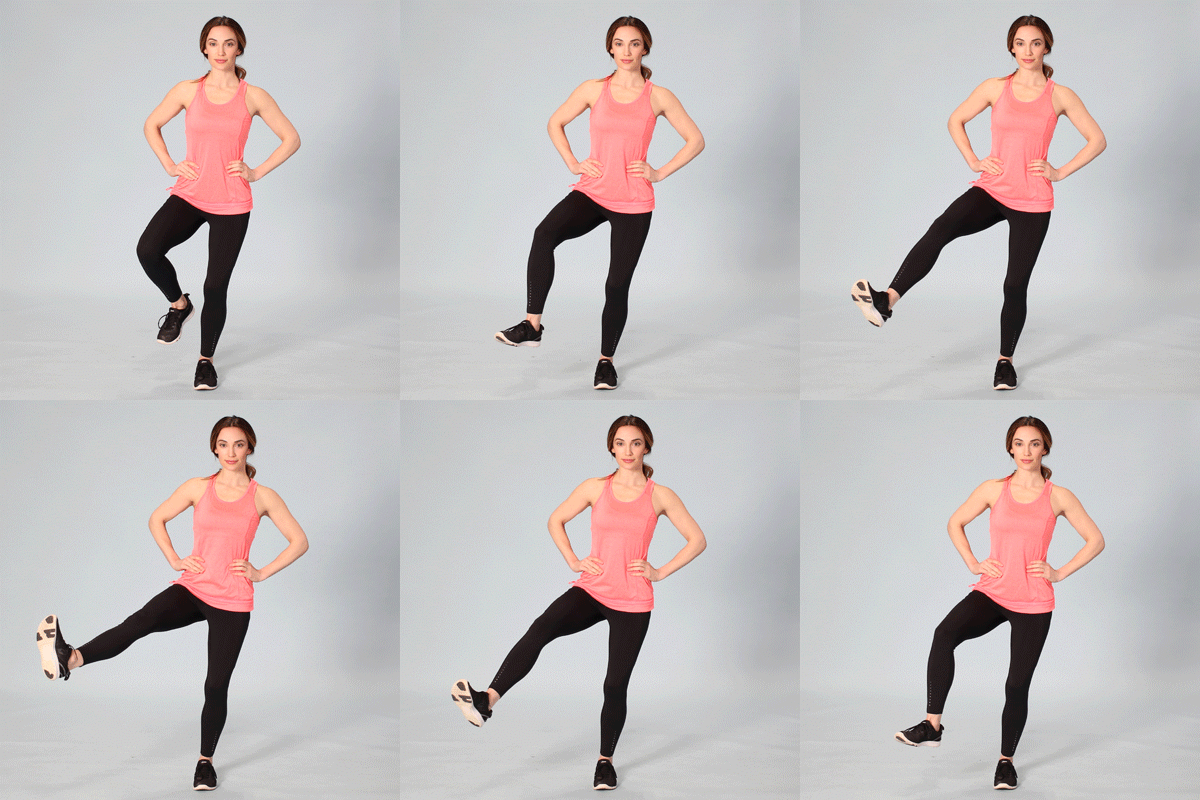
Muscles worked: quads, core, hips
- Stand with feet positioned hip-width apart.
- Extend your arms out to the sides or rest them on your hips.
- Lift your left foot off the floor and bend your knee, bringing your heel toward your glutes.
- Hold for up to 30 seconds.
- Repeat on the opposite side.
- Perform 3 rounds per side (fewer if you’re just beginning).
Weight shifts
Muscles worked: quads, calves
- Stand with feet hip-width apart.
- Transfer your weight onto your right foot.
- Lift your left foot off the floor.
- Maintain this position for up to 30 seconds.
- Switch to the other side.
- Repeat 3 times per side (modify as needed).
Core exercises
Tightrope walk
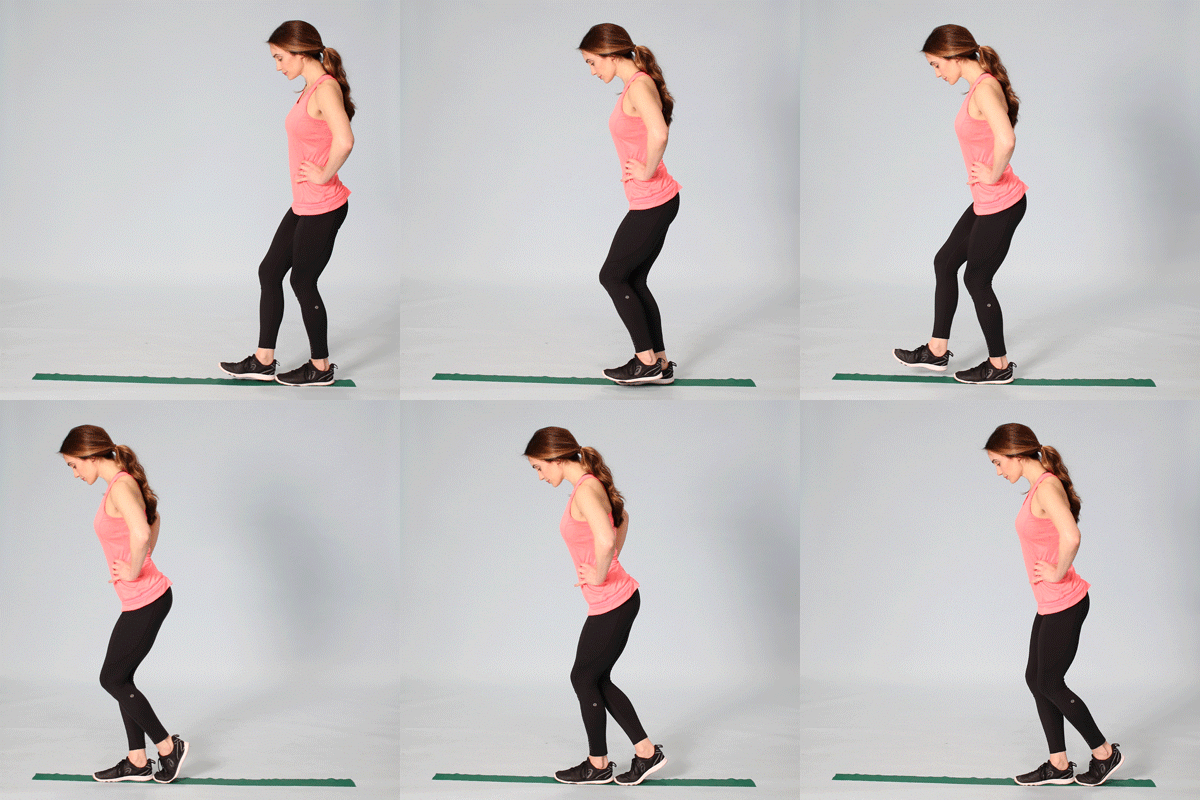
Muscles worked: core, quads, calves
- Extend your arms outward or place them on your hips.
- Walk forward in a straight line, focusing on a fixed point ahead.
- Each time you lift a foot, pause for 2 to 3 seconds before stepping forward.
- Complete 20 to 30 steps.
Flamingo stand
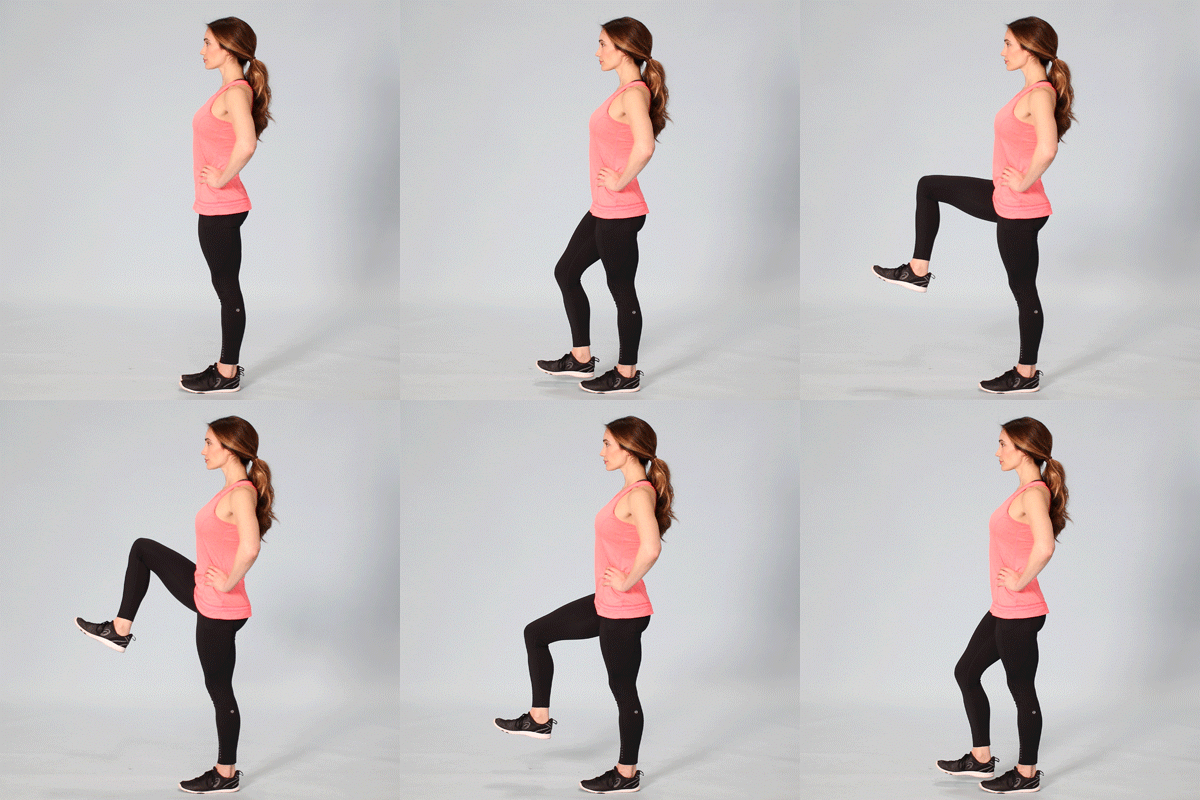
Muscles worked: core, calves, hips
- Shift your weight onto your right foot.
- Lift your left leg forward.
- Hold for 10 to 15 seconds.
- Increase difficulty by reaching toward your raised foot.
- Return to start and relax your legs.
- Repeat 3 times, then switch sides.
Posture exercise
Back leg raises
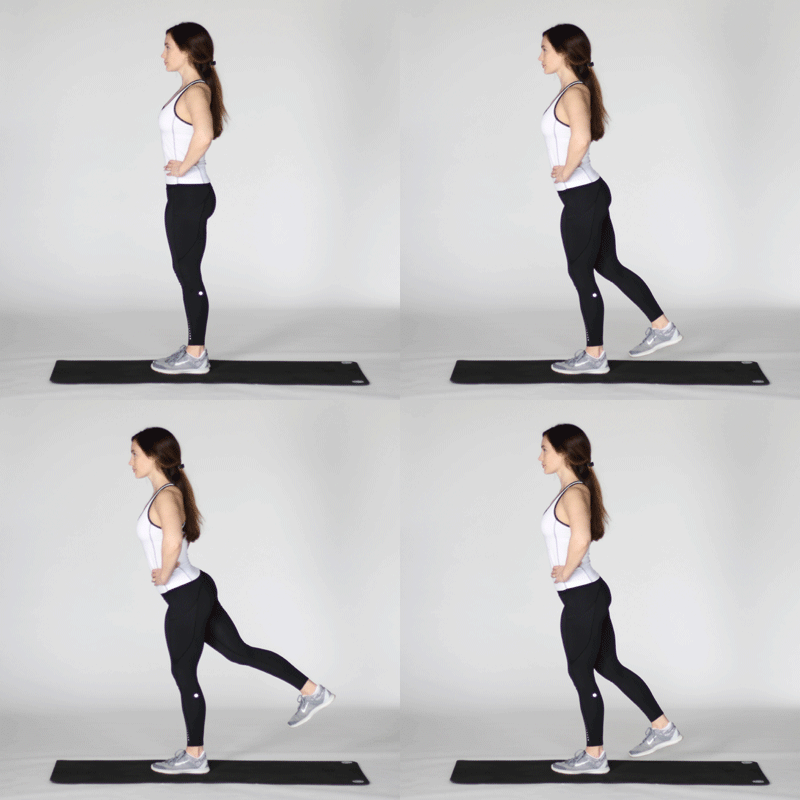
Muscles worked: lower back, glutes
- Place your hands on a stable surface such as a wall or chair.
- Shift weight onto your right foot.
- Slowly lift your left leg backward as high as comfortable.
- Hold for 5 seconds.
- Return to the starting position.
- Complete 10 repetitions, then switch sides.
Balance and strength exercises
Tree pose
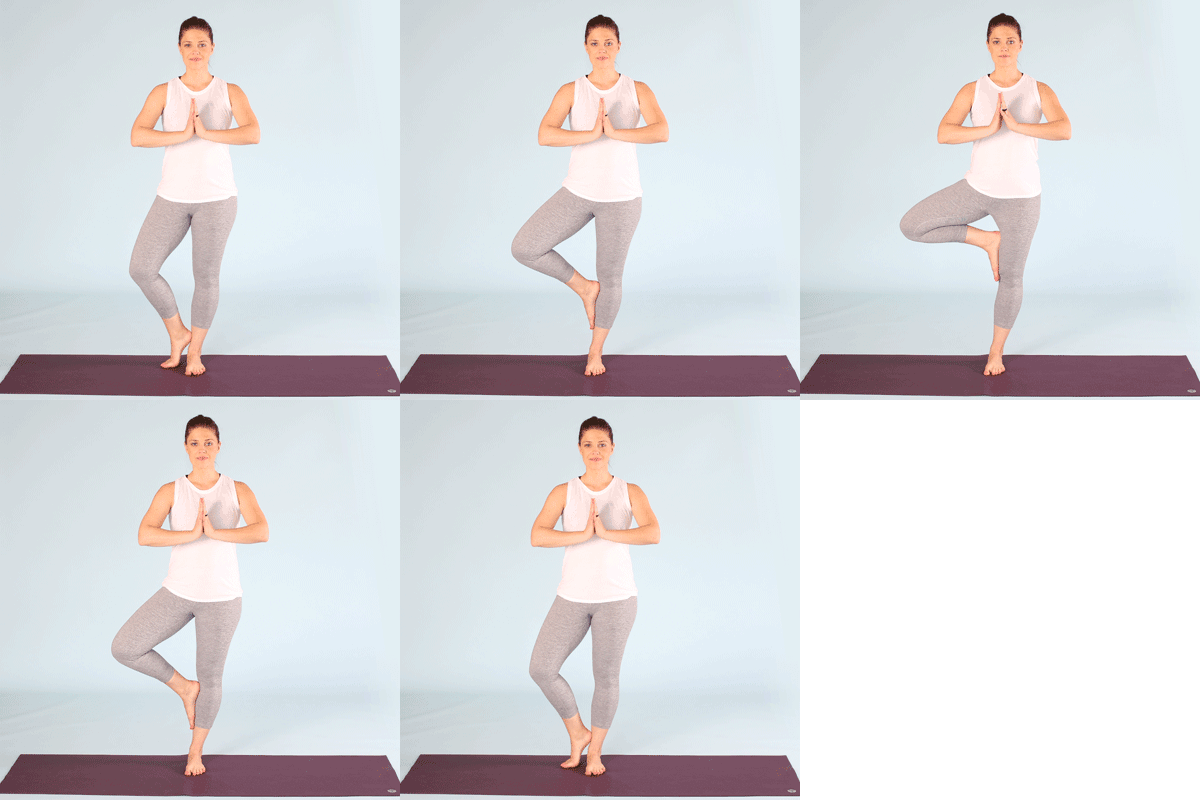
Muscles worked: hip, calves, quads
- From standing, place your weight on your right foot.
- Position your left foot against your ankle, shin, or thigh — avoid the knee.
- Rest your hands in a comfortable position.
- Hold up to 1 minute.
- Repeat on the opposite side.
Heel-to-toe walk
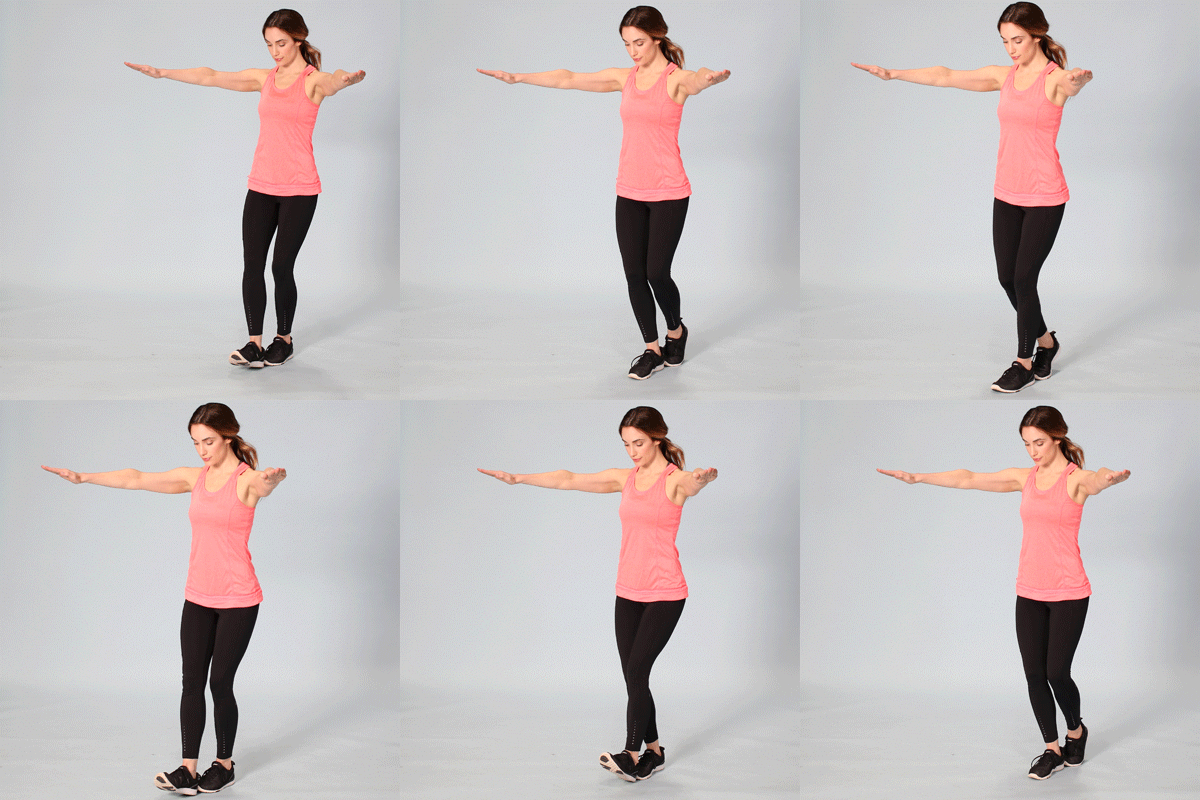
Muscles worked: calves, quads
- Stand upright with heels lightly touching a wall.
- Step your left foot directly in front of your right.
- Touch your left heel to your right toes.
- Bring your right foot forward.
- Touch your right heel to your left toes.
- Continue for 20 steps.
With a balance board
Forward and backward tilt
Muscles worked: calves, glutes, quads
- Stand with one foot near the front edge of the board and the other near the back.
- Shift weight forward until the front edge touches the floor.
- Hold briefly.
- Shift weight backward until the rear edge touches down.
- Hold again.
- Continue controlled tilting for 1 minute.
Single foot balance
Muscles worked: calves, hips
This movement mirrors the flamingo stand but is performed on a balance board for added challenge.
- Stand with your right foot centered on the board.
- Lift your left knee upward.
- Hold for up to 30 seconds.
- Switch sides.
- Perform 2 to 3 rounds per side.
With a walker or a chair
Marching
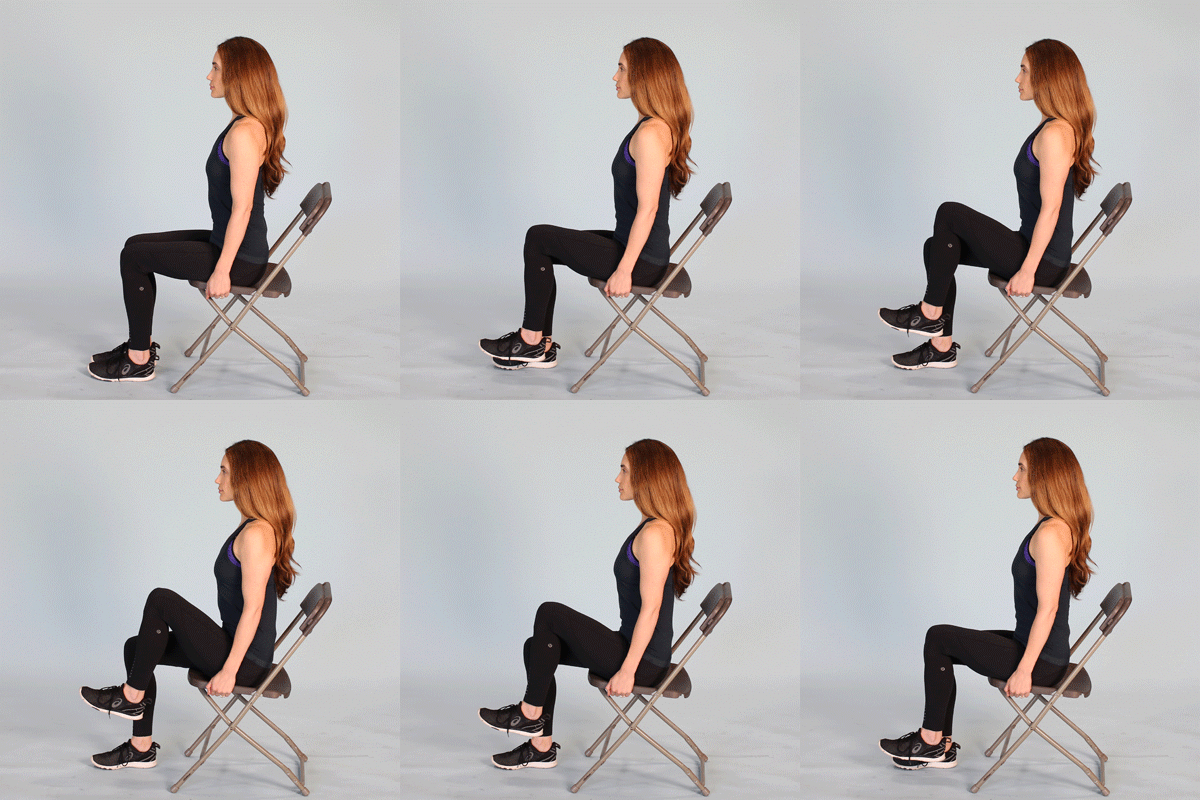
Muscles worked: hips, lower back, quads
This can also be performed seated if your walker includes a chair.
- Hold onto your walker with both hands.
- Raise your left knee comfortably high.
- Lower and lift your right knee.
- Alternate sides for 20 total repetitions.
Heel-toe raises
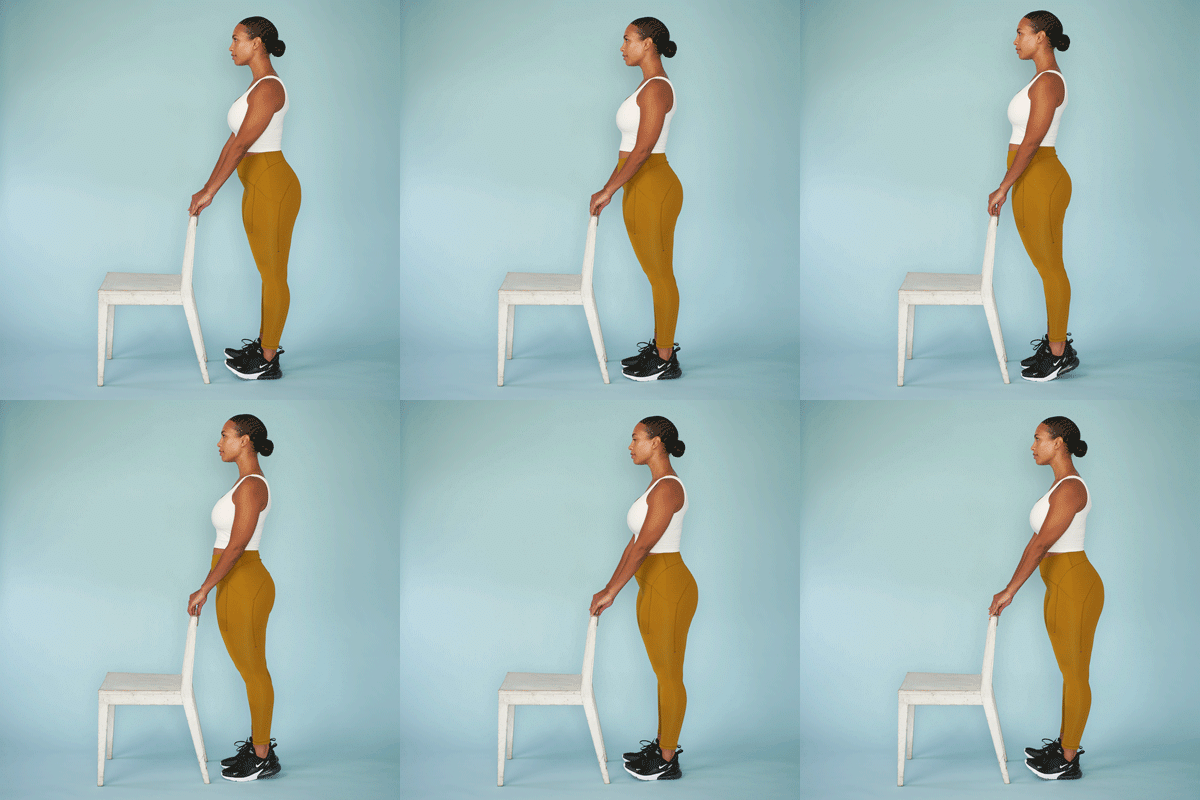
Muscles worked: calves
- Stand while holding a walker or chair.
- Rise onto the balls of your feet and hold for 3 seconds.
- Shift weight onto your heels and lift your toes.
- Perform 10 to 20 repetitions as tolerated.
Benefits of balance exercises
Practicing balance exercises regularly can enhance strength and improve:
- posture
- stability
- coordination
These improvements lower the likelihood of falls or collisions that may result in injury. Recovery from injuries may take longer with age, making prevention especially important.
Feeling secure in your movements can reduce anxiety related to falling and encourage a more active lifestyle.
Research from 2019 indicates that balance and coordination training may improve the overall quality of life in older adults.
Beyond physical benefits, balance work may also support mental sharpness, including memory and spatial cognition, by stimulating neuromuscular pathways.
The American Heart Association advises at least 150 minutes of moderate aerobic activity per week. If you are new to exercise, prioritize consistency and gradually build toward this target.
If you need help making healthy changes
Adjusting habits can feel overwhelming. To provide guidance, we created a three-day email series called “New Habits, New You.” Join today to get started.
Cautions
Approach balance training carefully. Use a wall or chair for support to reduce fall risk. Begin with simple exercises and progress gradually.
Rest when necessary. Stay hydrated and eat beforehand to prevent dizziness or lightheadedness.
If you are new to physical activity or have concerns about balance, consult your doctor before beginning a program.
Seek medical advice as well if you have underlying medical conditions or a history of stroke or heart attack.
When to seek professional help
Consider working with a physical therapist for personalized instruction. A physical therapist can design an individualized balance plan and supervise your technique.
Professional guidance can increase motivation and confidence while ensuring proper form and safe progression.
Takeaway
It’s never too late to begin exercising or refine your current routine. In addition to targeted balance training, activities such as walking, chair yoga, and tai chi can enhance stability.
Engage in some form of movement daily, even briefly, to maintain consistency.
Complement balance exercises with strength training, cardiovascular activity, and stretching. Follow a nutritious eating pattern that supports a moderate weight and overall health.
Above all, cultivate enjoyment as you make these positive lifestyle changes.
















Leave a Reply
You must be logged in to post a comment.