
Healthline diet score: 1.33 out of 5
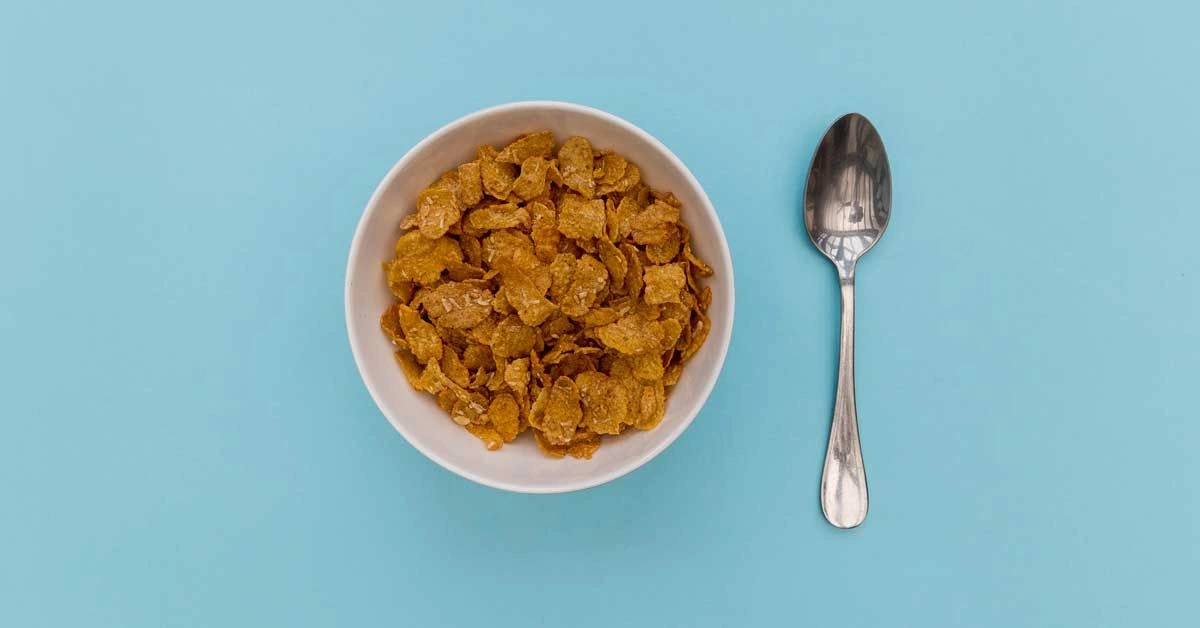
With the cereal diet, you swap out two daily meals for cereal and milk.
Although this eating plan has existed for years, it has recently experienced a renewed wave of popularity.
It may support short-term weight reduction and can be high in fiber and whole grains. However, it can also contain significant amounts of sugar and may be overly restrictive.
If you’re searching for a Healthy cereal for weight loss strategy, this detailed review will help you determine whether this approach aligns with your health goals and nutritional needs.

DIET REVIEW SCORECARDOverall score: 1.33 Weight loss: 1.5 Healthy eating: 1 Sustainability: 2 Whole body health: 0 Nutrition quality: 2 Evidence based: 1.5BOTTOM LINE: On the cereal diet, you replace two meals per day with cereal and milk while keeping your third meal and snacks low in calories. It may aid short-term weight loss but is not sustainable or nutritionally balanced.

What is the cereal diet?
The cereal diet became widely recognized through the “Special K Challenge.”
Special K cereal was long promoted as a wholesome option that could assist with weight loss, and some packaging even featured instructions for a two-week challenge.
However, Kellogg’s — the parent company of Special K — no longer advertises this challenge or formally endorses the cereal diet.
On this plan, breakfast and lunch are replaced with a portion of whole-grain cereal and skim or low-fat milk.
Dinner and snacks are intended to be modest in size, reduced in calories, and include lean protein along with whole grains, fruits, and vegetables.
Some variations encourage consuming only cereal and milk for an entire week. Still, these versions are best avoided because they may be extremely low in calories and protein and can contribute to fatigue, reduced concentration, and mood changes (1).
summaryOn the cereal diet, you replace two meals per day with a serving of whole-grain cereal and low-fat milk. One popular version was the “Special K Challenge.”
How to follow the cereal diet
The cereal diet is fairly straightforward to implement.
Simply substitute both breakfast and lunch with one serving of cereal plus 1/2–2/3 cup (120–180 ml) of skim or low-fat milk. Ideally, select a cereal that is low in added sugars and made from whole grains, such as Special K, Total, or plain Corn Flakes. Choosing options recognized as a Healthy cereal for weight loss can help improve nutrient intake while keeping calories controlled.

For dinner, opt for a meal centered on fruits, vegetables, and whole grains, while remaining low in fat and calories — preferably 450 calories or fewer.
Examples include grilled chicken salad with vinaigrette dressing and fresh fruit, or brown rice served with salmon and seasoned vegetables.
You may also have two snacks daily, each containing 100 calories or less.
If you adhere closely to this structure, your intake will likely total around 1,200–1,500 calories per day, which should promote weight loss for most individuals. Exact calorie intake depends on the cereal selected and portion sizes consumed.
It’s advised to consume one labeled serving of cereal at breakfast and lunch. The serving size is listed on the nutrition facts panel and typically ranges from 2/3–1 cup (approximately 28–42 grams).
Most individuals follow the cereal diet for five days up to two weeks. Extending the diet beyond this timeframe is not recommended, as it can be challenging to maintain, may be low in calories and protein, and could trigger increased cravings (2, 3, 4).
SummaryTo follow the cereal diet, replace breakfast and lunch with a serving of whole-grain cereal with low-fat milk. Your supper and snacks should be low in calories and contain lean protein, whole grains, and fruit or vegetables.
Does it aid weight loss?
Many individuals report losing weight on the cereal diet, largely due to the calorie deficit it creates (5).
In one study involving 24 adults participating in the 2-week “Special K Challenge,” participants reduced their daily intake by approximately 600 calories and experienced decreases in body weight and fat mass (2).
However, this research was funded by Kellogg’s — the manufacturer of Special K — which may introduce bias (2).
Additionally, weight loss achieved through significant calorie restriction is often difficult to sustain. Strict diets like this can make long-term weight maintenance more challenging (6, 7, 8).
For example, leptin — a hormone that signals fullness — decreases when calorie intake is restricted. Lower leptin levels can heighten hunger and intensify food cravings (3, 4).
At the same time, sharply cutting calories can slow your metabolic rate, meaning your body burns fewer calories (9).
More effective dietary strategies tend to emphasize gradual calorie reductions and balanced nutrition for sustainable results (10, 11). Exploring options like the Top 10 healthiest cereals for weight loss may offer more balanced alternatives.
summaryYou may lose weight on the cereal diet as a result of calorie restriction. Still, you may not be able to keep the weight off long term due to some of the effects that calorie restriction has on your metabolism.
Other possible benefits
If you select whole-grain varieties, the cereal diet can be a practical way to boost your intake of whole grains and dietary fiber.
Greater whole-grain consumption is associated with improved health outcomes and a reduced risk of death from all causes (12).
In a review including more than 1 million participants, each 28-gram daily increase in whole grains was linked to a 9% reduction in risk of death from any cause and a 14% lower risk of death from heart attack (12).
The fiber found in whole grains supports digestive health, promotes satiety, and may assist with weight management (13).
For those seeking a Healthy cereal for weight loss, prioritizing minimally processed, high-fiber cereals is key. You can also review the Top 10 healthiest cereals to compare nutrient-dense options.
That said, similar benefits can be achieved by incorporating a variety of whole foods, including vegetables, fruits, legumes, and whole grains, into your regular eating pattern.
summaryThe cereal diet can be rich in whole grains and fiber, which are associated with better health outcomes, including a lower risk of death from all causes and increased weight loss.
Potential downsides
Beyond being restrictive and difficult to maintain long term, the cereal diet presents additional concerns.
Can be high in sugar
Added sugars are associated with multiple health conditions and should be limited to less than 5% of total daily calories (14).
The cereal diet may contain substantial sugar. Even cereals that don’t taste particularly sweet often include added sugars.
Furthermore, cereal and milk are rich in carbohydrates, which break down into sugars that supply energy.
While these natural sugars are not inherently harmful, they may complicate weight loss and contribute to blood sugar fluctuations in some individuals (15, 16, 17).
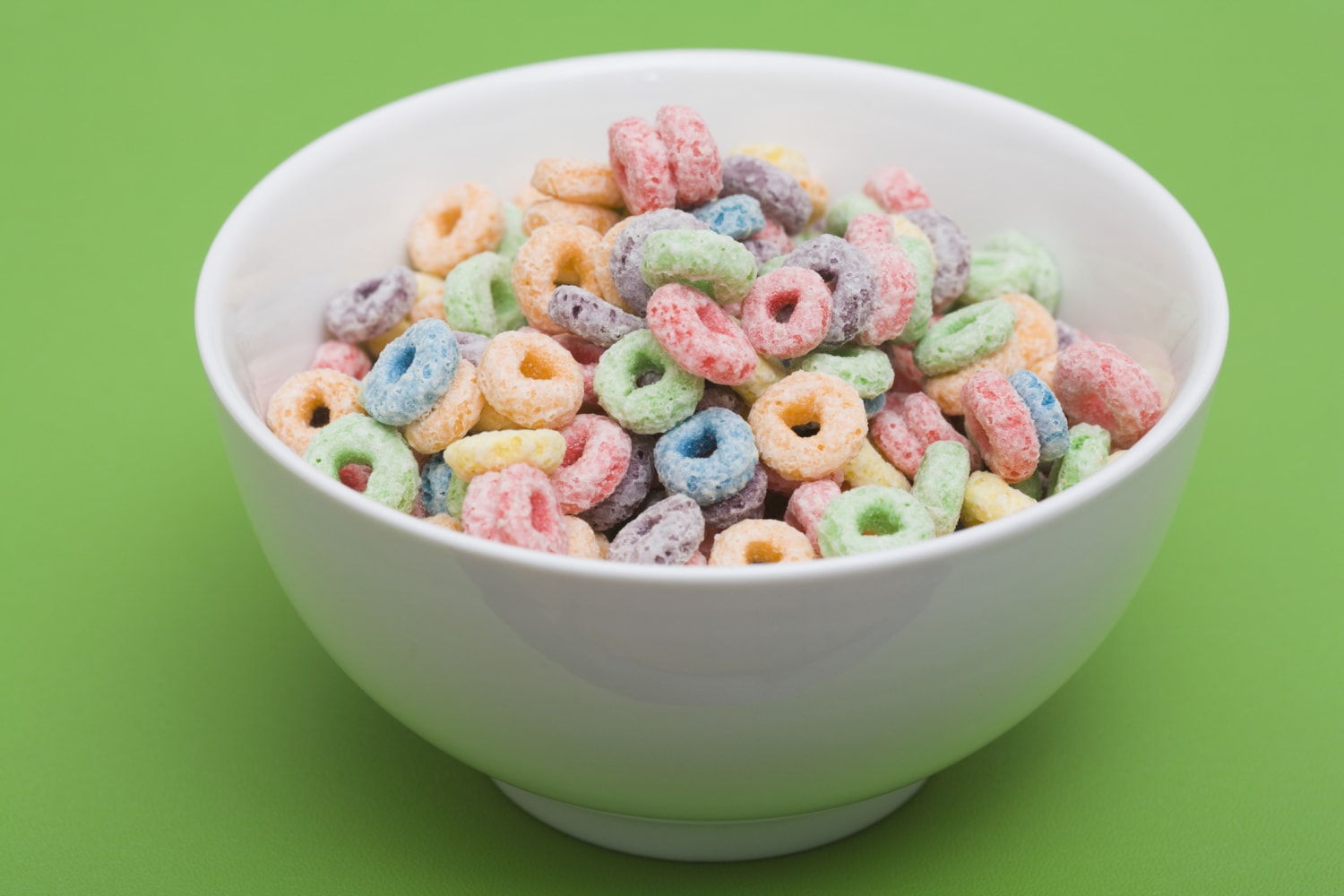
Selecting lower-sugar cereals, such as original Special K, is preferable to high-sugar varieties like Fruit Loops or Frosted Flakes.
Low in calories, protein, and healthy fats
Unless carefully structured, the cereal diet may lack sufficient protein, healthy fats, and total calories.
Protein is essential for building and preserving muscles, tissues, and enzymes — protein-based compounds that regulate many bodily processes. Like fiber, protein enhances satiety (18, 19).
This diet also promotes low-fat intake by recommending skim or low-fat milk to reduce calories.
However, although fat contains more calories per gram than protein or carbohydrates, current research indicates that dietary fats, including saturated ones, can fit within a healthy diet and may even support weight loss due to their satiating effect (15, 20, 21, 22).
Severe calorie restriction may also trigger metabolic adaptations that hinder weight maintenance and cause fatigue or reduced mental clarity (1, 6, 7, 8).
summaryThe cereal diet is high in sugar, which may make weight loss more difficult. Moreover, it can be low in protein and healthy fats.
Foods to eat
On the cereal diet, your primary foods are cereal and milk. However, lean proteins, fruits, vegetables, and whole grains are encouraged during dinner and snack times.
Here is a list of foods you can eat on the cereal diet:
- Carbs:whole-grain cereals, whole-wheat bread, whole-wheat pasta, oatmeal, grits, air-popped popcorn
- Fruits: any whole fruits, such as apples, bananas, oranges, strawberries, and watermelon
- Vegetables:any vegetables, including lettuce, spinach, carrots, bell peppers, and mushrooms
- Protein:beans, tofu, peanut butter, egg whites, lean meats like chicken or turkey breast
- Dairy:low-fat or skim milk, low-fat or fat-free yogurt, low-fat cheeses, Greek yogurt
- Fats:reduced-fat, oil-based spreads, olive oil (in moderation), cooking sprays, reduced-fat mayonnaise
summaryOn the cereal diet, you’re encouraged to choose whole-grain cereal and low-fat milk in addition to lean proteins, whole grains, fruits, and vegetables.
Foods to avoid
The following foods should be limited or avoided on the cereal diet due to their high fat, refined sugar, or calorie content:
- Sugary foods:cakes, cookies, pastries, candy, biscuits, pancakes, waffles
- Fruits:fruit juices, fruit-based desserts like banana pudding or cherry pie
- Vegetables:French fries, battered or fried vegetables
- Protein:fatty cuts of meat, egg yolks, battered or fried meats like fried chicken, pork sausage, and bacon
- Full-fat dairy:full-fat milk, full-fat yogurt, heavy cream, half-and-half, ice cream, whipped cream, sour cream, full-fat cheeses
- Fats:butter, oil in large amounts, full-fat mayonnaise
summaryWhile on the cereal diet, you should avoid foods that are high in fat, refined sugar, or calories, including cakes, fried foods, and full-fat dairy products.
3-day sample menu
Below is a 3-day sample menu for the cereal diet, which includes two snacks per day.
Day 1
- Breakfast: 1 cup (40 grams) of Total cereal (or another whole-grain cereal) with 1/2 cup (120 ml) of skim milk
- Snack 1: 3 mini sweet peppers with 1 tablespoon (10 grams) of low-fat cream cheese spread
- Lunch:1 cup (40 grams) of Total cereal (or another whole-grain cereal) with 1/2 cup (120 ml) of skim milk
- Snack 2: 1/2 cup (74 grams) of blueberries with 1/2 cup (123 grams) of low-fat yogurt
- Dinner:1 link of chicken sausage, 1/2 cup (93 grams) of red beans, 1/2 cup (50 grams) of brown rice, and 1/2 cup (80 grams) of cut okra cooked with olive oil cooking spray
Day 2
- Breakfast: 1 cup (40 grams) of Total cereal (or another whole-grain cereal) with 1/2 cup (120 ml) of skim milk
- Snack 1: 1 small apple with 1/2 cup (123 grams) of low-fat yogurt
- Lunch:1 cup (40 grams) of Total cereal (or another whole-grain cereal) with 1/2 cup (120 ml) of skim milk
- Snack 2: 1 ounce (28 grams) of low-fat cheese with 5 whole-wheat crackers
- Dinner:1/2 cup (70 grams) of whole-wheat spaghetti, 1 cup (250 grams) of spaghetti sauce with ground turkey, 1 ounce (28 grams) of low-fat mozzarella cheese, and 1 cup (160 grams) of steamed broccoli
Day 3
- Breakfast: 1 cup (40 grams) of Total cereal (or another whole-grain cereal) with 1/2 cup (120 ml) of skim milk
- Snack 1: 2 stalks of celery with 1 tablespoon (16 grams) of peanut butter
- Lunch:1 cup (40 grams) of Total cereal (or another whole-grain cereal) with 1/2 cup (120 ml) of skim milk
- Snack 2:1/2 of a large grapefruit with 1/2 cup (105 grams) of cottage cheese
- Dinner: 2 pieces of whole-wheat bread, 3 ounces (85 grams) of deli-style roasted turkey, 1 slice of Swiss cheese, 2 teaspoons (10 grams) of honey mustard, and a small side salad with 1 tablespoon (16 grams) of vinaigrette
summaryThe above 3-day sample menu for the cereal diet includes two meals per day of cereal and milk, a third balanced meal, and two low-calorie snacks each day.
The bottom line
With the cereal diet, cereal and milk are consumed twice daily, while dinner and snacks remain low in calories.
It is high in whole grains and fiber and may support short-term weight loss if followed carefully.
However, it can also be high in sugar and insufficient in calories, protein, and healthy fats. For lasting results and improved metabolic health, a more balanced and sustainable eating pattern may be a better long-term solution.























Leave a Reply
You must be logged in to post a comment.