Do Color Codes on a Tube of Toothpaste Mean Anything?

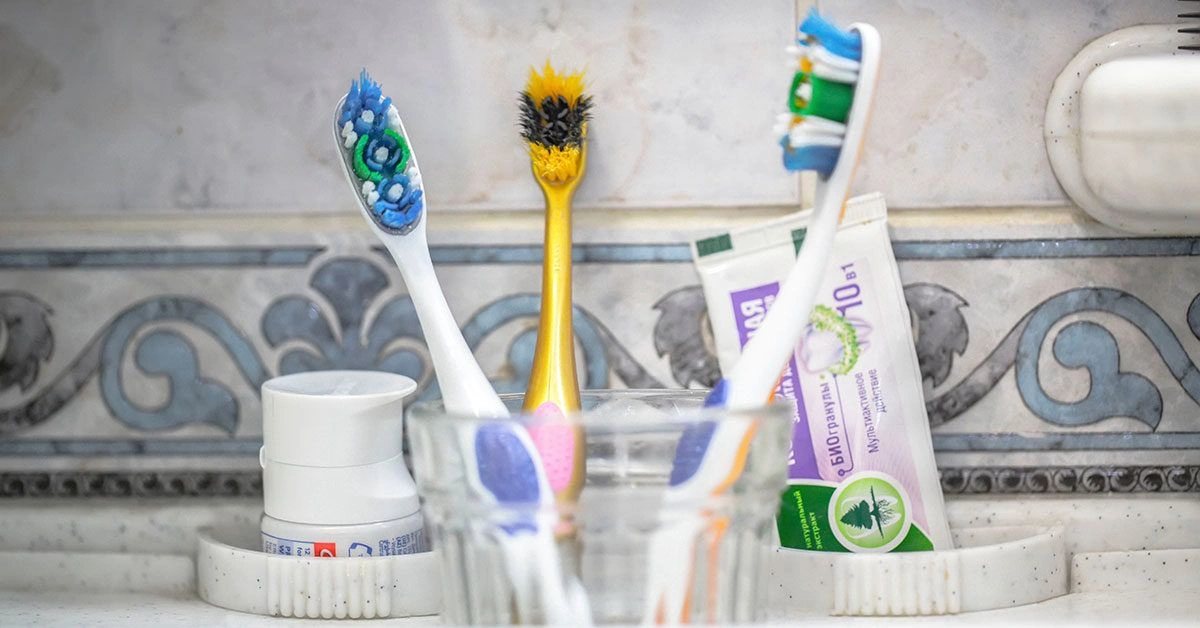
Toothpaste tubes often display small color markings, and some people mistakenly think these colors reveal the product’s ingredients — for example, green meaning all-natural. This belief is incorrect; those colored marks relate to the production process, not the formulation.
Maintaining oral hygiene is important for everyone, so it’s no surprise that the oral care aisle offers a wide variety of toothpaste choices.
When picking a toothpaste, most shoppers check the components, expiration date, claimed benefits, and sometimes the flavor.
Whitening! Cavity protection! Tartar defense! Fresh breath! These are common claims printed on toothpaste packaging.
There’s also a little colored square or bar near the base of toothpaste tubes. Some people insist the hue of this mark reveals a lot about what’s inside the tube. However, like many internet myths, that assertion is wrong.
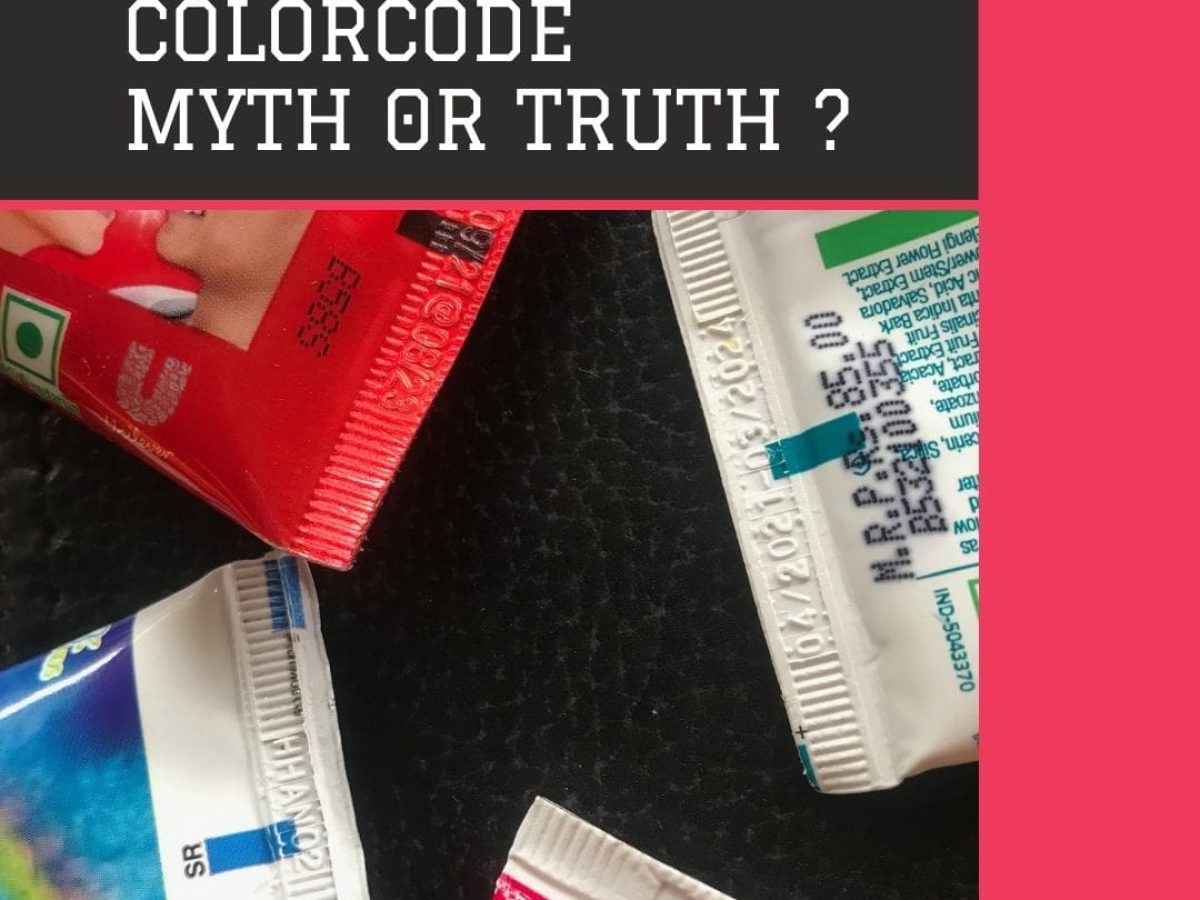
The color at the bottom of a toothpaste tube does not indicate which ingredients are present, so don’t rely on it when choosing a product.
What people say the color codes mean
A bogus consumer tip about toothpaste color codes has circulated online for years. The claim advises you to check the bottom of toothpaste tubes where a tiny colored square sits, asserting that the color — black, blue, red, or green — discloses the toothpaste’s contents:
- green: all natural
- blue: natural plus medicine
- red: natural and chemical
- black: pure chemical
Not surprisingly, this online “tip” is completely untrue.
The colored rectangle is unrelated to the product’s ingredients. It’s a mark used during manufacturing. Light sensors detect the mark, which tells machinery where to cut, fold, or seal the packaging.
These registration marks appear in various colors and are not confined to just green, blue, red, or black. Different colors are used for different packaging types or sensor systems. In short, the hues all serve the same mechanical purpose.

If you want to know what a toothpaste contains, check the ingredients list printed on the box or tube.
Common toothpaste ingredients
Most toothpastes include the following components.
- Humectant. Prevents the paste from drying out after opening. Typical examples are glycerol and sorbitol.
- A solid abrasive. Helps remove debris and polish the teeth. Common abrasives are calcium carbonate and silica.
- A binder or thickener. Keeps the mixture stable and prevents separation. Examples include carboxymethyl cellulose, carrageenans, and xanthan gum.
- A flavoring agent. Provides taste without causing cavities. Flavors include spearmint, peppermint, anise, bubblegum, or cinnamon.
- Fluoride is a naturally occurring mineral recognized for strengthening enamel and helping prevent cavities. It may be listed as sodium fluoride, sodium monofluorophosphate, or stannous fluoride.
The colored mark at the bottom won’t tell you which of the above ingredients are present, nor whether the product is “natural” or “chemical.”
If you’re concerned about components, read the ingredient list on the packaging. When unsure, opt for a product with the American Dental Association (ADA) Seal of Acceptance — that seal indicates the toothpaste has been evaluated and found safe and effective for oral health.
Different types of toothpaste
Beyond the typical ingredients, some toothpastes contain special additives for specific purposes. You can also look into remineralizing toothpaste options if you want formulas aimed at restoring mineral content to enamel.
Whitening
Whitening toothpastes often include carbamide peroxide or hydrogen peroxide to help remove stains and lighten tooth color.
Sensitivity relief
Toothpaste for sensitive teeth has desensitizing agents like potassium nitrate or strontium chloride. If hot or cold foods cause sharp pain, this kind of toothpaste may help.
Tartar and plaque control
Tartar is hardened plaque. Toothpaste promoted for tartar control may contain ingredients such as zinc citrate or triclosan. Some reviews have found that triclosan-containing formulations can reduce plaque, gingivitis, gum bleeding, and dental decay compared with toothpastes lacking triclosan.
Natural formulations
Natural or herbal toothpastes are often marketed as excluding fluoride and sodium lauryl sulfate. They might include baking soda, aloe, activated charcoal, essential oils, and other botanical extracts. However, many of their health claims remain unproven.
Bottom line
The colored mark on the bottom of your toothpaste tube generally has no relation to the product’s ingredients, so it shouldn’t guide your selection.
When picking a toothpaste, look for an ADA Seal of Acceptance, check the expiration date, and choose a flavor you like.
If you still have questions about which toothpaste is best for you, consult your dentist.
Frequently Asked Questions
No. The small colored squares or bars on toothpaste tubes are registration marks used in manufacturing to guide cutting, folding, or sealing—not indicators of ingredients.
Different colors help packaging sensors and machines detect where to cut or seal depending on the packaging type and production setup; colors do not correspond to product formulas.
Check the ingredients list printed on the tube or box. Look for active ingredients like fluoride and other listed components to understand the formula.
No. A green mark does not mean the product is all-natural. Marketing claims and ingredient lists, as well as certification seals, are what indicate formulation and safety.
Look for the ingredients list, any ADA Seal of Acceptance, expiration date, and claims that match your needs (whitening, sensitivity relief, tartar control), and consult your dentist if unsure.
Read Next

Hyperdontia: Do I Need to Have My Extra Teeth Removed?

How Long Will I Have to Sit in the Dentist Chair During a Root Canal?

What Are the Effects of Thumb Sucking on the Teeth and Mouth?

Debunking the Myth of Tooth Worms and Other Cavity Causes

What Should I Do About a Molar Broken Off at the Gum Line

How to Remove Nicotine Stains from Your Teeth
Related Posts

How Does Drinking Soda Affect Your Dental Health?
Aug 26, 2026 • 13 min read
What You Need to Know About Snap-In Dentures
Aug 12, 2026 • 21 min read
Veneers vs. Lumineers: What’s the Difference?
Sep 11, 2026 • 17 min read
How Regularly Should You Get Your Teeth Cleaned?
Aug 2, 2026 • 25 min read
Everything You Need to Know About Mini Dental Implants
Aug 24, 2026 • 22 min read