Lyly

Why Is My Jaw Swollen and How Can I Treat It?
A swollen jaw appears as a lump or puffiness on or near the jawline, making that area look fuller than normal. Depending on what’s causing it, you may notice stiffness, pain, or tenderness in the jaw, neck, or face. There are many possible reasons for a swollen jaw — from enlarged glands in the neck or jaw due to a viral illness like the common cold, to more serious conditions…

Healthy Cereal Brands for Diabetes
Kellogg’s All-Bran, Quaker Oatmeal, and Cream of Wheat rank among commonly chosen breakfast cereals that can be suitable for people managing diabetes. Many breakfast cereals are composed of rapidly digestible carbohydrates. These products tend to have a high glycemic index (GI), meaning they’re broken down quickly by the body and can prompt a fast rise in blood glucose. If you’re living with diabetes, that rapid increase can contribute to hyperglycemia…
Why Are My Toes Hairy?
Hair on the toes is fairly common. In most situations it’s primarily a cosmetic concern rather than a health problem. That said, in some instances toe hair can signal an underlying medical issue, such as an adrenal or ovarian imbalance. Read on to explore the possible reasons for hair on your toes. If you’d prefer less hair, we also outline both temporary and longer-lasting removal methods. (img by The Patient…
Swollen Big Toe
Your big toe plays a key role in helping you walk and maintain your balance, yet it’s not something most people think about often. The instant your big toe develops any unusual tenderness or sensitivity, however, it’s on your mind with every step. What’s making my big toe swollen? There are several potential reasons your big toe may be swollen. These include: an ingrown toenail a fracture a bunion gout…
9 Tips to Treat Swollen Feet from Diabetes
Diabetes can harm blood vessels, causing poor circulation that leads to fluid accumulation in the feet, ankles, and lower legs. This swelling is called edema. Wearing compression stockings, staying active, and using other strategies may help ease swelling. Edema refers to abnormal swelling of the feet and ankles when excess fluid collects in the tissues. It can be generalized or localized to a particular area. It’s normal to notice some…
Can Skinny People Get Diabetes?
Even individuals who appear thin or lean can develop prediabetes, type 2 diabetes, and gestational diabetes. Body weight is one possible risk element, alongside age, family medical history, and ancestry. Diabetes occurs when blood sugar levels are too high. When someone has diabetes, their body can’t control blood glucose effectively. It’s a widespread misconception that only people who are overweight or obese get diabetes, whether type 1 or type 2.…
How Rosacea Can Appear Differently on Black Skin
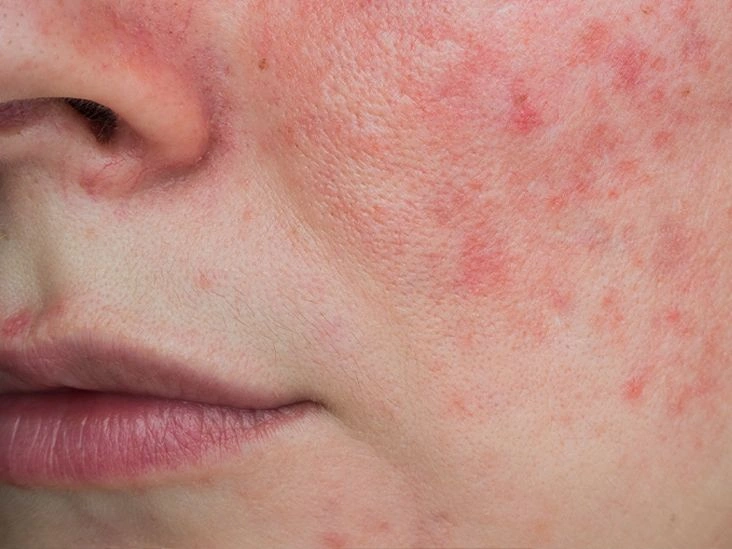
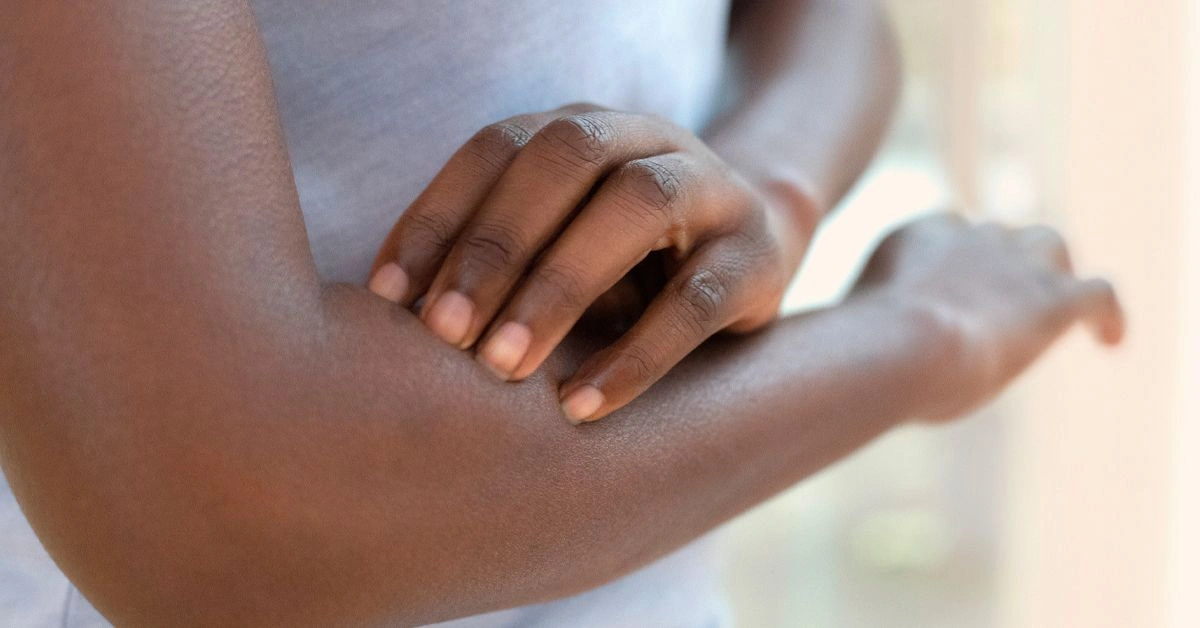
Rosacea can present distinct signs and may need tailored care in individuals with darker complexions. (img by Gladskin) Rosacea is a long-term skin disorder where the skin — most often on the nose, cheeks, and forehead — looks flushed and red and can develop pus-filled bumps. There are several rosacea subtypes, and some produce symptoms beyond mere redness. Below, we cover key information about rosacea in Black people and people…
Is It Safe to Use Coconut Oil for Tanning?
Studies indicate that although coconut oil filters out a portion of the sun’s ultraviolet radiation, it does not block sufficient amounts to safeguard your skin or serve as a dependable replacement for sunscreen. (img by Kapuluan Coconut Oil) You’ve likely heard about several health perks linked to coconut oil. Research suggests it might support brain function, raise HDL (good) cholesterol, and even assist with weight management. It’s also useful for…
Malar (Butterfly) Rash: Is It Lupus or Rosacea?
Key takeaways Both lupus and rosacea can produce a butterfly-shaped rash across the face. Rosacea usually affects only the face, whereas lupus can involve multiple organs and cause additional signs such as fatigue and aching joints. Determining the cause of a malar rash requires assessing the rash’s traits, reviewing other symptoms, and sometimes ordering tests to exclude certain diseases. Lupus is an intricate autoimmune condition in which the immune system…
How to Tell the Difference Between Eczema and Rosacea
Rosacea and eczema are both frequent skin disorders that can present with overlapping signs like itching, bumps, and changes in skin color. Still, there are important distinctions that can help you differentiate between the two. Eczema describes a collection of long-standing skin problems marked by dry, itchy, inflamed patches that can occur anywhere on the body. Rosacea is likewise a chronic skin disorder, most commonly producing facial flushing (blushing) and…