Lyly

7 Possible Health Benefits of Ginseng
Ginseng is an herb abundant in antioxidants. It might provide advantages for cognitive health, immune response, blood sugar control, and more. Nonetheless, additional research is required. Ginseng has a long history of use in traditional Chinese medicine (TCM). It’s a slow-growing, short plant with fleshy roots that, depending on the duration of cultivation, may be classified as fresh, white, or red. There are several types of this herb, including American…
Candida Test Options
Candida is a type of yeast — a fungus — that normally inhabits and exists on various parts of your body. The most common species among the more than 20 types of Candida is Candida albicans. When Candida multiplies excessively, it can produce a fungal infection known as candidiasis. Symptoms differ depending on which body region is affected. Continue reading to learn about how candidiasis is tested for and treated…
6 Symptoms of Candida Overgrowth and Tips to Get Rid of It
Signs of Candida overgrowth include mouth lesions, persistent tiredness, and gastrointestinal disturbances. Treating the root cause can relieve symptoms and reduce the likelihood of recurrent infections. Candida normally exists in small quantities in the mouth, intestines, and on the skin. When kept in check, this fungus is usually harmless. But if Candida multiplies excessively, it can lead to an infection called candidiasis. In fact, Candida ranks among the most frequent…
Shea Butter vs. Cocoa Butter: How Do They Compare?
Dry skin stands little chance against the rich, emollient qualities that both shea butter and cocoa butter provide. While each butter can soften and repair parched or damaged skin, they also possess distinct characteristics and advantages. Below we’ll compare shea and cocoa butter, outline how to use them, and help determine which might suit your skin best. (img by They Roar) What’s the difference between cocoa butter and shea butter?…
Cacao vs Cocoa: What’s the Difference?
Chocolate products often use the labels “cacao” and “cocoa” interchangeably. Both can be healthful in moderation and provide antioxidants, but they may also be calorie-dense. If you shop for chocolate, you’ve probably noticed some packages advertise cacao while others say cocoa. You may have spotted raw cacao powder or cacao nibs at health food stores and wondered how they compare with conventional cocoa powder and chocolate chips. Sometimes there are…
9 Health and Nutrition Benefits of Cocoa Powder
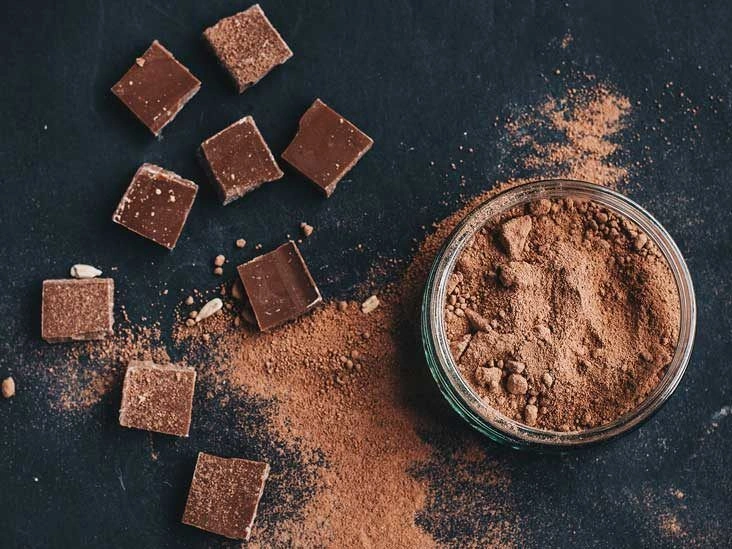
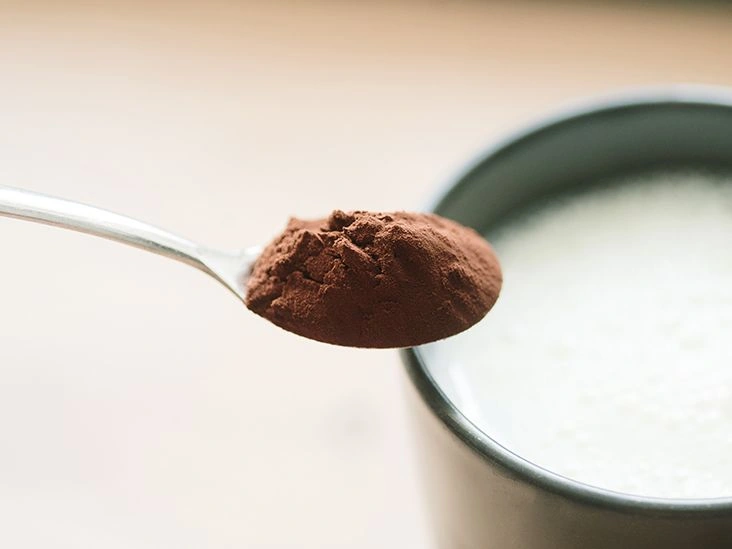
Potential advantages of cocoa powder for health include reduced inflammation, enhanced cardiovascular and brain function, and assistance with blood sugar and weight control. Cocoa powder is produced by grinding cocoa beans and removing the fat, known as cocoa butter. Today, cocoa is best known for its role in chocolate making. Although more human studies are needed, some research indicates it contains compounds that could be beneficial to health. Continue reading…
7 Natural Hair Dyes: How to Color Your Hair at Home
Conventional hair dyes often include harsh, potentially harmful chemicals. Opting for natural hair colorants can be a gentler choice, since many use ingredients you may already have in your kitchen. You can change your hair color in multiple ways — at a salon, with an at-home boxed dye, or using a temporary color spray. If you’re interested in more natural options, consider trying the following homemade dyes to tint your…
Everything You Need to Know About Getting a Brazilian Wax
A Brazilian wax means removing all pubic hair. If you’re concerned about discomfort, consider booking at a salon that uses hard wax, since hard waxes generally cause less pain than soft waxes. What is a Brazilian wax? A Brazilian wax removes hair from the front of the pubic area, around the external genitalia, between the upper thighs, and around the anus. Depending on what you prefer, you can opt to…
Waxing 101: What’s the Difference Between a Brazilian and a Bikini Wax?
A bikini wax generally removes hair along and just outside your bikini line. A Brazilian wax, by contrast, typically eliminates nearly all the hair in the pubic region or very close to it. If you’ve wondered how a Brazilian differs from a bikini wax, you’re in good company. Here’s a full rundown of Brazilian versus bikini waxing (and tips to help you decide which is best for you). (img by…
Do Zinc Carnosine Supplements Help With GERD Symptoms?
Gastroesophageal reflux disease, commonly abbreviated as GERD, is a digestive condition characterized by repeated episodes of acid reflux. If you frequently suffer from symptoms like heartburn, queasiness, or chest discomfort, you may be experiencing GERD. To lower the occurrence of GERD symptoms, a healthcare provider may suggest lifestyle adjustments, such as shedding excess weight if you are overweight or obese, quitting tobacco if you smoke, and modifying your diet. Various…