
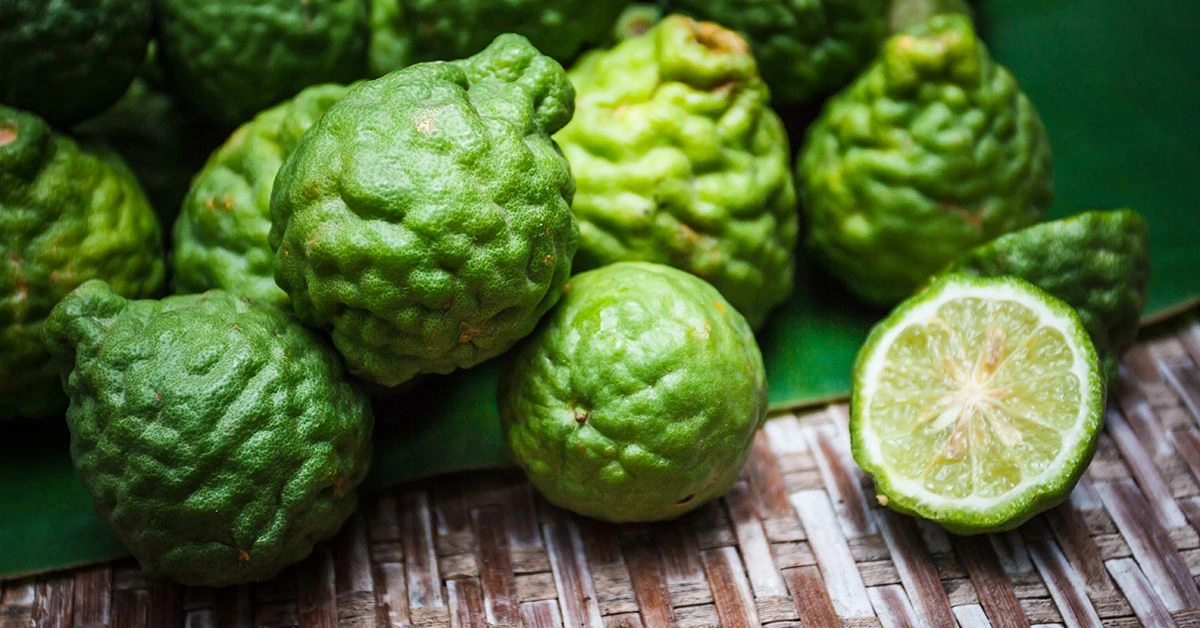
Bergamot, which contains compounds such as polyphenols and flavonoids, may lower total cholesterol and triglycerides while possibly raising beneficial (HDL) cholesterol.
This citrus fruit, primarily cultivated in Calabria in southern Italy, has long been used in traditional Italian remedies to treat fevers and infections.
Modern research has supported some of the fruit’s antioxidant and anti-inflammatory properties, and several studies highlight its potential to help reduce cholesterol.

Can bergamot improve cholesterol?
Clinical trials indicate that orally taken bergamot in different formulations may reduce total cholesterol and low-density lipoprotein (LDL) cholesterol. Laboratory research suggests bergamot’s polyphenols can affect enzymes involved in cholesterol metabolism.
A systematic review of 12 trials reported that supplementation with bergamot produced the following changes:
- Total cholesterol reduction: between 12.3% and 31.3%
- LDL cholesterol reduction: between 7.6% and 40.8%
- Triglyceride reduction: between 11.5% and 39.5%
Eight of the trials also recorded rises in HDL cholesterol following bergamot use. Findings suggested a possible dose-related response and additive effects when combined with statins, making bergamot a potential option for managing dyslipidemia, particularly in people who cannot tolerate statins.
In one study, investigators found that while bergamot fruit extract (BFE) did not directly inhibit a key enzyme in cholesterol synthesis, it lowered overall cholesterol in liver cells and reduced cholesterol uptake in intestinal cells.
Specifically, a component in BFE called neohesperidin reduced the activity of an enzyme involved in cholesterol production while enhancing the action of another enzyme linked to cholesterol regulation.
Another constituent, brutieridin, lessened cholesterol absorption in intestinal cells by affecting a transporter protein responsible for cholesterol uptake.
How long does it take for bergamot to lower cholesterol?
Clinical studies have observed cholesterol reductions after several weeks of consistent supplementation. Trial durations generally ranged from 1 to 6 months.
That said, the timeframe for bergamot or its extracts to lower cholesterol varies between individuals.
What form of bergamot is best for cholesterol?
There’s no definitive consensus on the optimal form of bergamot for cholesterol control. Clinical trials have used various preparations—bergamot fruit extracts, supplements, and juices—with reported potential to lower cholesterol.
How much bergamot should you take for cholesterol?
The appropriate bergamot dose depends on factors like the product form (extract, oil, supplement), its potency, and an individual’s health status.
Common dosages in studies examining bergamot’s cholesterol-lowering effects ranged roughly from 150 mg to 1500 mg of extract per day.
Potential side effects of bergamot
Bergamot may cause adverse effects in some people. Potential side effects include:
- Heightened sun sensitivity: Compounds in bergamot can make skin more sensitive to sunlight, raising the risk of sunburn or irritation.
- Drug interactions: Bergamot may interact with medications that cause photosensitivity, certain antibiotics, and diabetes drugs. Some studies indicate bergamot extract can amplify statin effects; taking both together could increase the chance of muscle-related side effects (myopathy).
- Allergic reactions: A minority of people may experience allergic responses such as rashes, itching, or breathing difficulties.
Always consult a healthcare provider before starting bergamot supplements, particularly if you are on other medications.
Who should not take bergamot?
Certain groups should avoid or be cautious about bergamot supplements:
- Pregnant or breastfeeding individuals: There is insufficient evidence regarding bergamot’s safety during pregnancy or lactation. Consult a healthcare professional prior to use.
- Children: Bergamot supplements are not recommended for children due to limited safety and dosing data for this age group.
- People sensitive to sunlight: Bergamot can increase photosensitivity. Those prone to sunburn or photosensitive reactions should use caution.
- Those taking certain medications: Bergamot may interact with or potentiate some drugs, notably statins prescribed for lowering serum cholesterol.
Bottom line
Evidence suggests that oral bergamot may help reduce total cholesterol. Before using bergamot supplements, consult a healthcare professional because of possible side effects and interactions—especially if you are taking medications. If you’re exploring natural options, also consider learning about bergamot oil and how different formulations might fit into your routine.











Leave a Reply
You must be logged in to post a comment.