
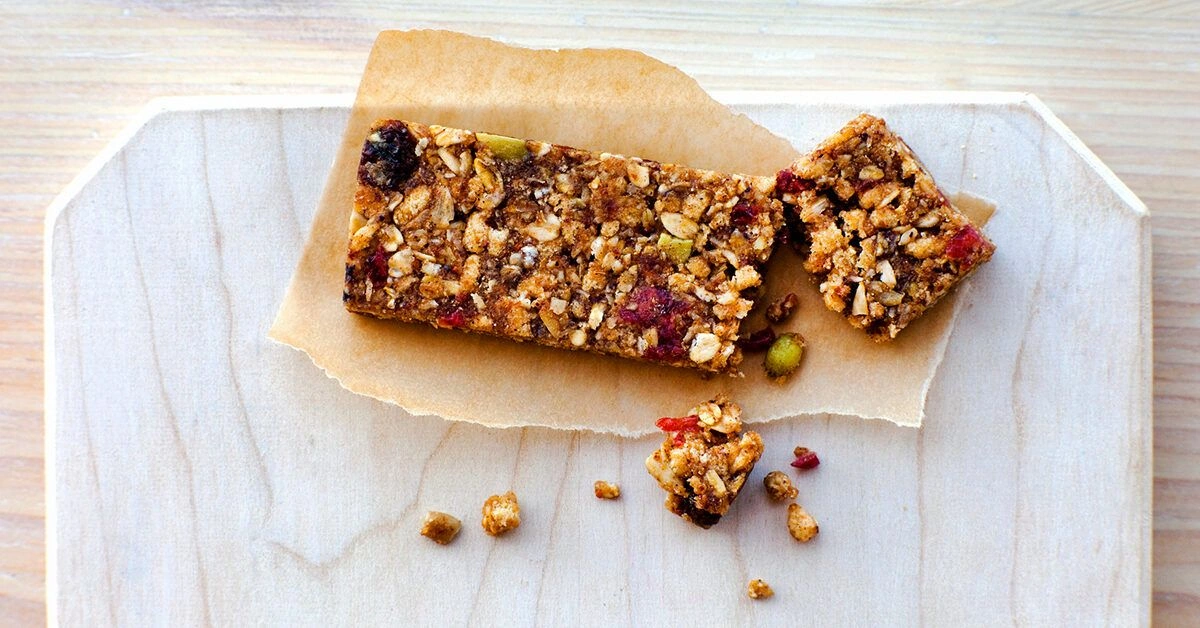
Many people describe a love-or-loathe relationship with fiber bars — though this often stems more from their digestive effects than their flavor.
Fiber bars provide an easy, convenient method to up your fiber intake, which can help regulate digestion and support general health.
That said, fiber bars vary widely in quality.
This piece examines what fiber bars are, their advantages and drawbacks, and how to pick a wholesome fiber bar brand.
What are fiber bars?
Fiber bars are one of the simplest ways to increase dietary fiber. They’re portable, concentrated sources of fiber, and shelf-stable.
These bars typically include fiber-rich whole ingredients like nuts, oats, seeds, and fruit.
Many products also contain processed fiber additives such as psyllium husk powder or chicory root fiber.
Some fiber bars also include other components — including protein, vitamins and minerals, botanicals, or probiotics — that may offer additional health perks.
Incorporating fiber bars into your routine
If you aren’t accustomed to high-fiber foods or to fiber bars specifically, introduce them gradually to avoid uncomfortable digestive reactions.
Some individuals report symptoms like abdominal pain, bloating, diarrhea, or constipation after trying a fiber bar initially (1).
Begin by eating one bar (or half a bar) per day and drink ample water, which may reduce some digestive problems linked to increased fiber intake (2).
Adequate hydration also supports regular bowel movements, so it’s beneficial whether you eat fiber bars or not.
Over time, your digestive system typically adapts to the added fiber.
Still, aim to obtain most of your fiber from whole, minimally processed foods when feasible. Reserve fiber bars for occasions when fresh, fibrous options aren’t available.
Summary: Fiber bars are a handy, portable option to increase fiber intake.
Benefits of fiber bars
Fiber bars can offer several health advantages, particularly if you struggle to meet daily fiber needs from fruits, vegetables, whole grains, nuts, seeds, and legumes.
Convenience
Fiber bars are a practical way to up fiber consumption. Many people grab them for a rushed breakfast or a work or school snack. They’re also handy for hikes, workouts, or camping.
Because most bars are shelf-stable and individually wrapped, you can keep them in a bag, car, or desk drawer, making them useful when whole, fiber-rich foods aren’t on hand.
 3).
3).Insoluble fiber, common in nuts, beans, and wheat bran, increases stool bulk, which may also relieve constipation (4).
Fiber also helps maintain digestive regularity by slowing the digestive process.
Moreover, fiber acts as a prebiotic — feeding beneficial bacteria in the large intestine (5).
Satisfaction and fullness
Fiber promotes satiety. It slows digestion and keeps contents in the gut longer, which contributes to feeling full (6).
Protein also increases fullness, and many bars combine fiber and protein. Numerous fiber bars include protein, and many protein bars include fiber (6).
Other fiber benefits
Fiber may offer additional advantages:
- Weight support. Fiber could modestly influence weight and body fat, aside from calorie intake (7).
- Lowers cholesterol. Soluble fiber can bind to dietary cholesterol and reduce its absorption, potentially lowering blood cholesterol (4).
- Blood sugar control. Fiber can blunt rapid rises in blood glucose after carbohydrate- or sugar-rich meals, helping regulate hormones like insulin (4).
Summary: Fiber bars are convenient, and their fiber may support digestion, fullness, weight management, cholesterol levels, and blood sugar control.
Drawbacks of fiber bars
Fiber bars also have potential downsides.
Some people experience digestive upset after consuming fiber bars.
Additionally, many bars are processed and include additives like sugar, preservatives, or artificial flavors. Processed foods have been linked to weight gain, obesity, and chronic illnesses (8).
Some fiber bars are high in added sugars. Excessive added sugar intake is tied to obesity, type 2 diabetes, heart disease, fatty liver, and other chronic conditions (9).
Also, certain bars include fiber types you wouldn’t normally eat in large amounts. Even natural additives like psyllium husk and chicory root fiber can cause digestive discomfort for some (10, 11).
Since these products aren’t whole foods, consume them in moderation and prioritize getting most of your fiber from whole sources like fruits, nuts, seeds, whole grains, legumes, and vegetables.
Summary: Some fiber bars are highly processed and contain added sugars; certain fiber additives may cause digestive issues for some people.
Healthy fiber bars to consider
I consulted other dietitians about top fiber bars and included a couple I personally like. If you’re buying fiber bars, here’s what to look for:
- At least 5 grams each of fiber and protein. Adults need roughly 25 grams of fiber daily, so a bar with 5 grams contributes meaningfully. Protein also promotes satiety (12). “The more fiber and protein,” says Dana Gardner, MS, RD, LDN, owner of Jax Fresh Mobile Market, “the fuller you may feel, which may curb appetite.”
- Minimal added sugars and sugar alcohols. Added sugars are linked to chronic disease while large amounts of sugar alcohols can upset digestion. Choose bars sweetened with whole ingredients like fruit rather than those with high added sugar or sugar alcohol content (9, 13).
- Whole food ingredients. Seek bars made with simple whole foods like nuts, seeds, oats, and fruit. “Whole food sources of fiber contain much more than just fiber,” notes Silvia Carli, MS, RD, of 1AND1 LIFE. “They provide vitamins, minerals, and antioxidants.”
Below are several fiber bar choices worth exploring.
Dietitian favorite: KIND Bar
Among dietitians I interviewed, KIND was often recommended for its lower sugar content and included protein. The Dark Chocolate Nuts & Sea Salt flavor was particularly praised.
“It has a rich flavor that satisfies a sweet craving,” says Cheryl Mussatto, MS, RD, LD, clinical dietitian, “but you know you’re eating a nutrient-dense mix of ingredients.”
One KIND Dark Chocolate Nuts & Sea Salt bar provides (14):
- Calories: 180
- Fat: 15 grams
- Protein: 6 grams
- Carbs: 16 grams
- Fiber: 7 grams
- Total sugar: 5 grams
- Added sugar: 4 grams
- Sugar alcohol: 0 grams
Keto option: CORE Keto Bar
CORE Bars are popular plant-based bars, and their keto line is flavorful and rich in prebiotic fiber and even includes probiotics.
These bars use allulose as a sweetener, a compound found in small amounts in some dried fruits. It supplies few calories and has minimal impact on blood glucose (15).
One CORE Peanut Butter Chocolate Keto Bar contains (16):
- Calories: 170
- Fat: 12 grams
- Protein: 7 grams
- Carbs: 17 grams
- Fiber: 7 grams
- Total sugar: 2 grams
- Added sugar: 0 grams
- Sugar alcohol: 0 grams
Child-friendly: Cerebelly Smart Bar
Kids often struggle to get enough fiber, especially if they avoid fruits and vegetables. Young children need about 17–20 grams daily, so even a modest amount of fiber in a bar helps (12).
Cerebelly bars are recommended by Angela Houlie, MS, RDN, CDN, founder of My Fruitful Body Nutrition, because “they provide a good source of fiber, contain no added sugar, and include extra vitamins and minerals.”
One Cerebelly Carrot Raisin Smart Bar provides (17):
- Calories: 90
- Fat: 3 grams
- Protein: 3 grams
- Carbs: 15 grams
- Fiber: 3 grams
- Total sugar: 6 grams
- Added sugar: 0 grams
- Sugar alcohol: 0 grams
Whole-food based: RX Bar
RX Bars are another dietitian-recommended choice. They’re crafted from whole ingredients only — no processed fibers or added sweeteners.
For example, the Mixed Berry RX Bar contains only dates, egg whites, almonds, cashews, cranberries, strawberries, raspberries, and natural flavors. Nutritionally it provides (18):
- Calories: 210
- Fat: 7 grams
- Protein: 12 grams
- Carbs: 24 grams
- Fiber: 5 grams
- Total sugar: 15 grams
- Added sugar: 0 grams
- Sugar alcohol: 0 grams
Budget pick: Fiber One Protein Bar
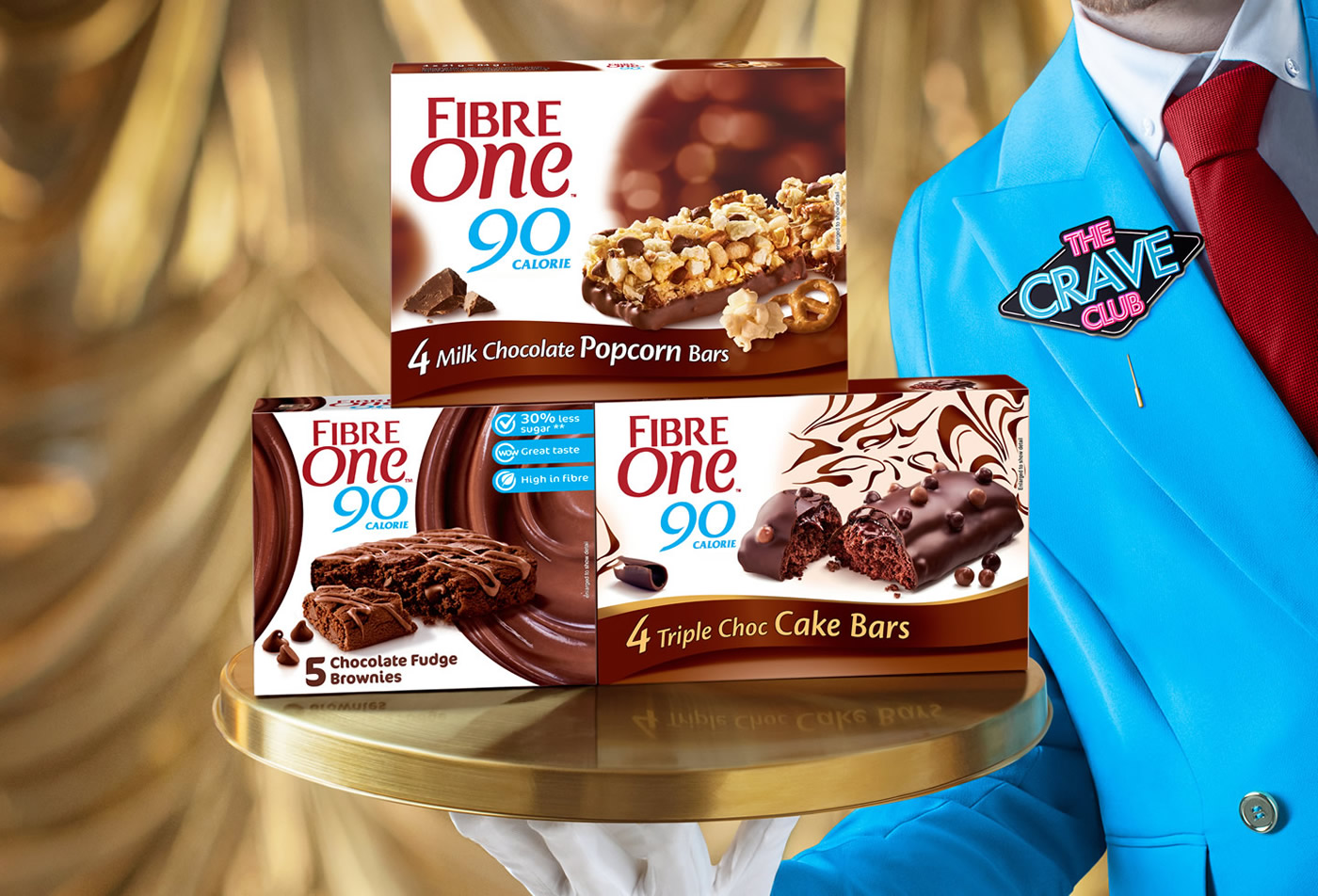
Fiber One Bars are very popular and affordable, and they’re widely available.
However, Fazio suggests that “relying on Fiber One bars isn’t the ideal way to meet overall dietary fiber needs.”
This is because they are heavily processed and contain sugar alcohols that can affect digestion.
The Peanut Butter Fiber One Protein Bar contains (19):
- Calories: 130
- Fat: 7 grams
- Protein: 6 grams
- Carbs: 15 grams
- Fiber: 7 grams
- Total sugar: 2 grams
- Added sugar: 2 grams
- Sugar alcohol: 3 grams
Summary: Choose fiber bars with at least 5 grams of fiber and 5 grams of protein, minimal added sugars and sugar alcohols, and ingredients derived from whole foods.
The bottom line
Fiber bars can be a helpful option when you struggle to get enough fiber or need a satisfying snack on the go. Yet some bars are highly processed and may include ingredients like added sugars or sugar alcohols that aren’t ideal.
The best choices combine fiber and protein, use whole-food ingredients, and have little to no added sugar or sugar alcohols.
One practical tip
Try this today: Seeds are an excellent way to add whole-food fiber to many meals.
Sprinkle them on soups, salads, and main courses for extra crunch. They’re tasty as a snack alone and blend well into smoothies and shakes. Besides fiber, seeds provide protein and healthy fats.
Here are six healthy seeds you should eat.






















Leave a Reply
You must be logged in to post a comment.