
Plastic is a man-made or semi-synthetic substance known for being sturdy, lightweight, and pliable.
Those qualities make it suitable for manufacturing a wide range of items, including medical equipment, car components, and everyday household products such as food storage tubs, drink bottles, and various dishware.
Still, you might be curious about whether it’s safe to put plastic in the microwave to cook food, warm a beverage, or reheat leftovers.
This article outlines whether microwaving plastic is safe.
Types of plastic
Plastic consists of long polymer chains made up of thousands of repeating units called monomers (1).
Although most plastics are sourced from petroleum and natural gas, they can also be produced from renewable feedstocks like wood pulp and cotton linters (1).
On the underside of many plastic items you’ll notice a recycling triangle with a digit — the resin identification code — from 1 to 7. This number indicates the type of plastic used (2).
The seven common categories of plastic and typical products made from them include (2, 3):
- Polyethylene terephthalate (PET or PETE): soda bottles, peanut butter and mayonnaise jars, and cooking oil bottles
- High density polyethylene (HDPE): detergent and hand soap containers, milk jugs, butter tubs, and protein powder canisters
- Polyvinyl chloride (PVC): plumbing pipes, electrical cable insulation, shower curtains, medical tubing, and synthetic leather items
- Low density polyethylene (LDPE): plastic bags, squeeze bottles, and food wrapping
- Polypropylene (PP): bottle lids, yogurt pots, food storage containers, single-serve coffee pods, baby bottles, and shaker bottles
- Polystyrene or Styrofoam (PS): packing peanuts and disposable food trays, plates, and cups
- Other: includes polycarbonate, polylactide, acrylic, acrylonitrile butadiene styrene, fiberglass, and nylon
Some plastics are formulated with additives to provide specific features for the final product (3).
These additives may be colorants, fillers, or stabilizers.
Summary: Plastics are typically derived from oil and gas. Multiple plastic types exist and serve many uses.
Is it safe to microwave plastic?
The chief worry when microwaving plastic is that additives — some potentially harmful — can leach into your food and drinks.
The main chemicals of concern are bisphenol A (BPA) and a group of compounds called phthalates, which are used to make plastics more flexible and durable.
These substances — particularly BPA — can interfere with hormonal systems and have been associated with obesity, diabetes, and reproductive issues (4, 5, 6, 7).
BPA is most commonly present in polycarbonate (PC) plastics (category 7), which have historically been used to make food containers, drinking glasses, and baby bottles (8).
BPA can migrate from these plastics into foods and beverages over time and when the plastic is exposed to heat, such as during microwaving (9, 10, 11).
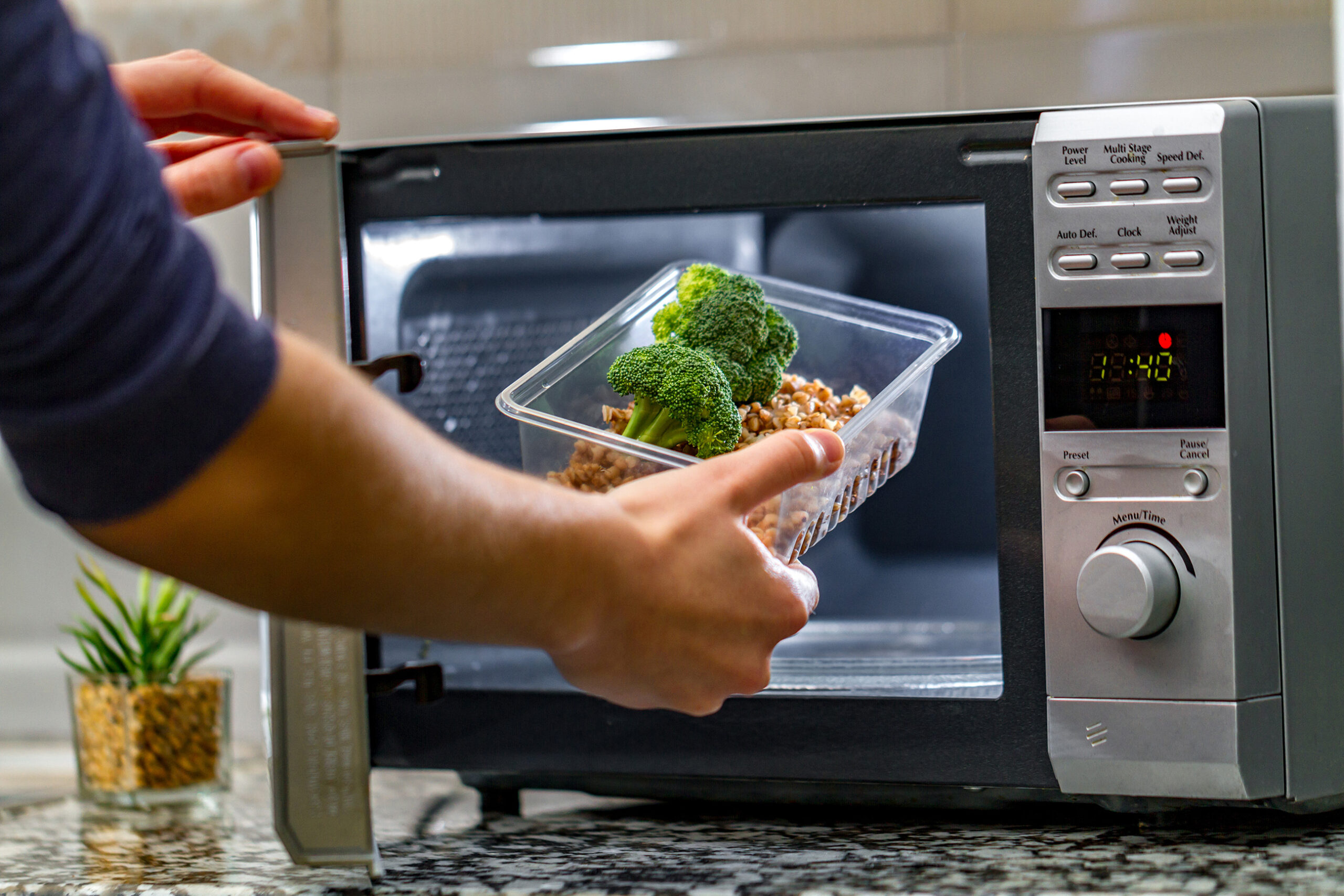
In response, some makers of food preparation and storage items have replaced PC with BPA-free plastics like polypropylene (PP).
The U.S. Food and Drug Administration (FDA) also bans the use of BPA-based materials in infant formula packaging, sippy cups, and baby bottles (8).
Nonetheless, research indicates that BPA-free plastics can still release other endocrine-disrupting chemicals such as phthalates, or BPA substitutes like bisphenol S and F (BPS and BPF), into food when heated in a microwave (12, 13, 14, 15).
Consequently, it’s generally prudent to avoid putting plastic in the microwave, unless the container is explicitly marked microwave-safe by the FDA (16).
Summary: Microwaving plastic can cause harmful compounds such as BPA and phthalates to leach into food and beverages. Avoid microwaving plastic unless it’s labeled for microwave use.
Other ways to reduce your exposure to BPA and phthalates
While microwaving speeds up the release of BPA and phthalates, it isn’t the sole route by which these chemicals can enter your food and drinks.
Other factors that can increase leaching include (14, 17):
- putting hot food into plastic containers
- cleaning containers with abrasive materials, like steel wool, that can scratch surfaces
- using a container for a very long time
- repeatedly exposing containers to the dishwasher over time
As a rule of thumb, plastic containers that are cracked, pitted, or visibly worn should be replaced with fresh BPA-free plastic or with glass containers.
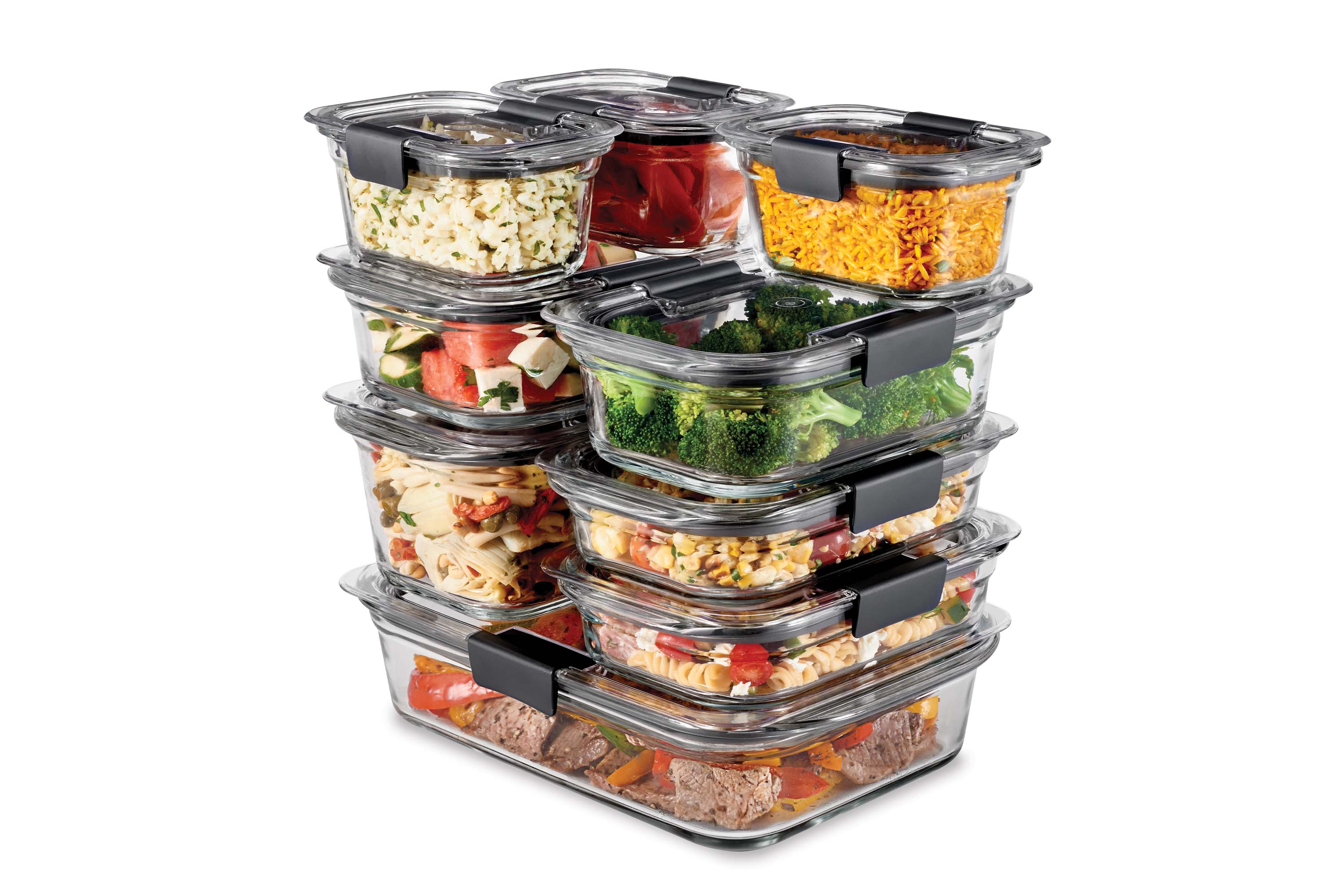
Many contemporary food storage products are made from BPA-free polypropylene (PP).
You can find PP items by looking for a “PP” label or a recycling triangle with the number 5 on the bottom.
Food wraps such as cling film may also contain BPA and phthalates (18).
Therefore, if you need to cover food in the microwave, opt for wax paper, parchment paper, or a paper towel instead.
Summary: Scratched, damaged, or overly used plastic containers carry a higher risk of chemical leaching.
The bottom line
Plastics are materials predominantly made from oil or petroleum and are used in many applications.
Although numerous food storage, preparation, and serving items are plastic, microwaving them can speed up the release of harmful chemicals such as BPA and phthalates.
Therefore, unless a plastic product is marked microwave-safe, avoid microwaving it and replace worn plastic containers with new ones.













Leave a Reply
You must be logged in to post a comment.