Bug Bites
Bug Bites features the latest articles on bug bites, offering tips, remedies, and helpful information to manage and prevent insect bites effectively.

What to Do for a Wasp Sting
A wasp sting usually produces an itchy, painful bump. While it can be unpleasant, most people recover quickly without lasting problems. Read on to learn how to manage a wasp sting. (img by Youngs Pest Control) Wasp stings are frequent, particularly in warmer weather when people spend more time outdoors. Like bees and hornets, wasps have a stinger they use defensively. The stinger delivers venom (a toxic compound) into humans…
What Bedbug Bites Look Like and How to Get Rid of Them
Bedbugs are small parasitic insects that feed on the blood of people or animals. Over-the-counter remedies can help ease itching and reduce inflammation. These pests can hide in mattresses, furniture, carpets, clothing, and other personal items, and they are most active at night. Bedbugs often enter a home after an overnight stay — they hitch a ride in suitcases or on clothing. They can also come in on used furniture…
What Do Mite Bites Look Like and How to Treat Them?
Dust mites are tiny arthropods related to ticks. They look somewhat like insects but do not have wings or eyes. Reactions to dust mites are usually non-threatening, though those with allergies may experience swelling, itching, or other hay fever and asthma-like symptoms. Because dust mites are so small, they’re difficult to spot. Many people don’t realize they’ve been exposed until they notice what appear to be small bites. Continue reading…

Bee Sting Treatment: 6 Home Remedies
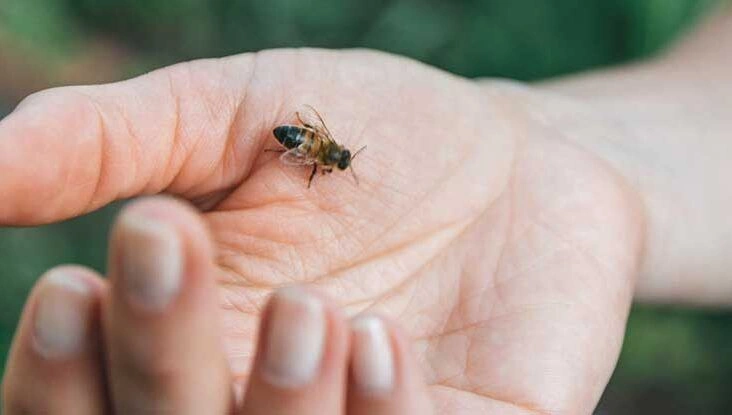
For many people, a bee sting is an annoyance that causes brief pain and itching at the spot of the sting. Home treatments can ease symptoms, but seek immediate medical care if signs of anaphylaxis appear. If you are stung by a bee, stay calm, remove the stinger, wash the area, and apply ice to reduce swelling. Unless you’re allergic to bee venom or showing symptoms of a severe allergic…
10 Natural Ingredients That Repel Mosquitoes
DIY mosquito repellents made from household ingredients can help keep insects away. Be aware that some natural components may irritate sensitive skin. (img by SummerWinds Nursery) What to consider when choosing natural mosquito repellents People attract mosquitoes for reasons including scent, light, body heat, and humidity. If you seem to draw mosquitoes, you’re likely fed up with itchy, raised welts. Various mosquito species — for example those that transmit malaria…

Bug Bite with Bruise Around It Pictures: What That Mark Means for Your Health
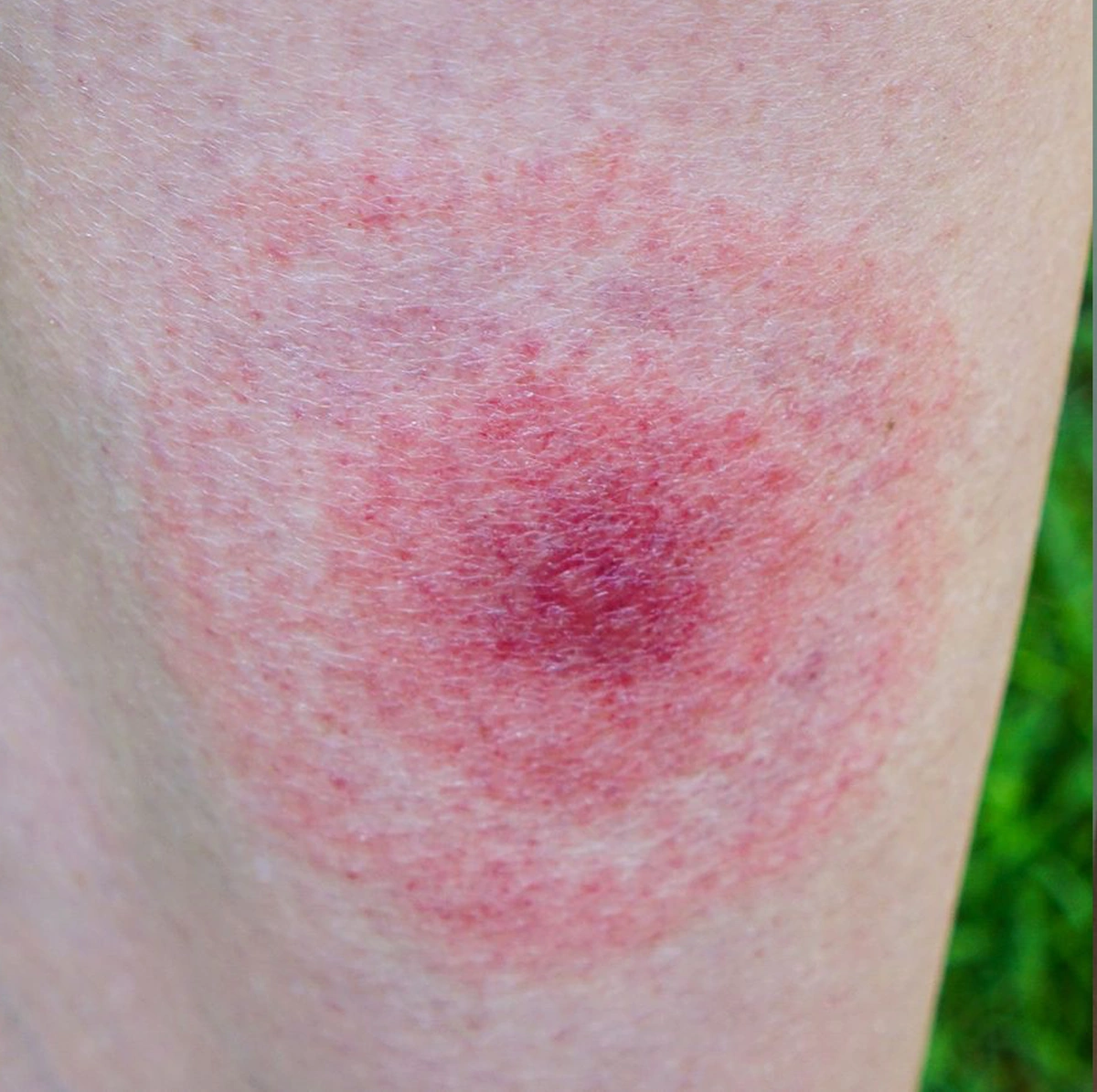
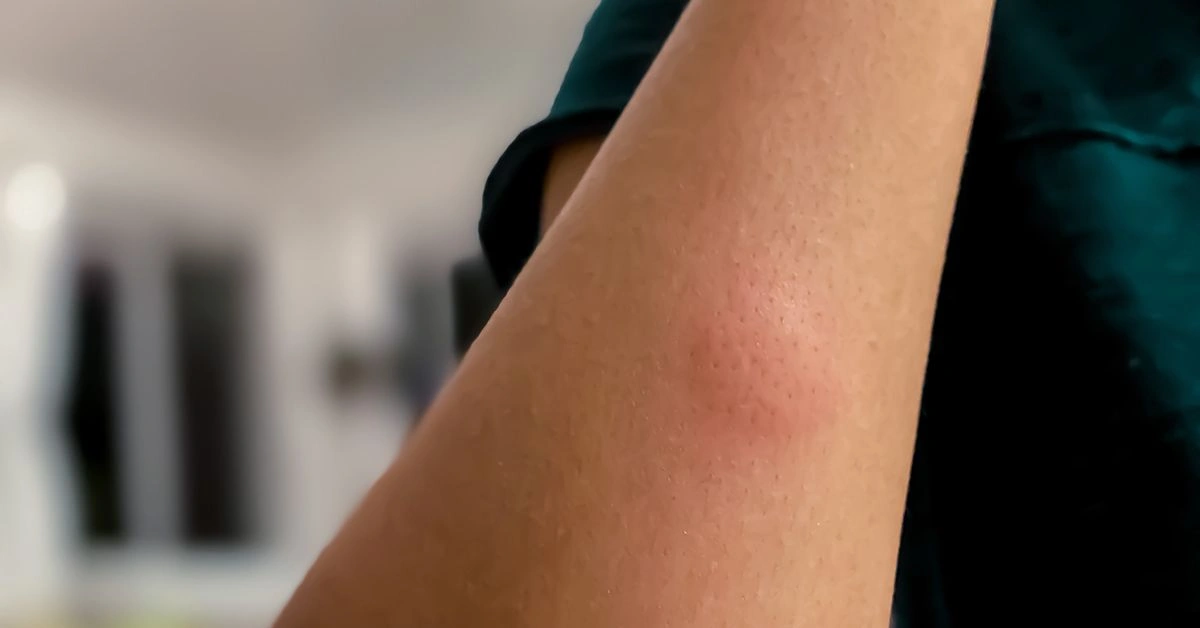
Ever Woken Up Wondering? Have you ever rolled out of bed, caught a glimpse of your arm, and thought, “What on earth is that?” Not just a basic, itchy dot—nope. It’s a bug bite, but this time… there’s a bruise around it. That scary, purple-ish, mystery mark that sends you straight to overthinking land? Been there. Sometimes it’s after a weekend at the lake; sometimes it’s just a random Tuesday.…

Why Would a Bug Bite Turn Into a Bruise After Applying Hydrocortisone Cream?
All About That Odd Bruise Okay, so imagine you’re out at a picnic or—let’s be honest—just minding your own business in your backyard, when suddenly… BAM! You feel that unmistakable tingle. Classic bug bite. It’s annoying, sure, but you know the drill by now. Quick rinse, maybe a little itch (or a lot, if self-control isn’t your strongest trait), and you reach for that trusty tube of hydrocortisone cream. Next…

Do Flying Ants Bite? What Really Happens When They Swarm
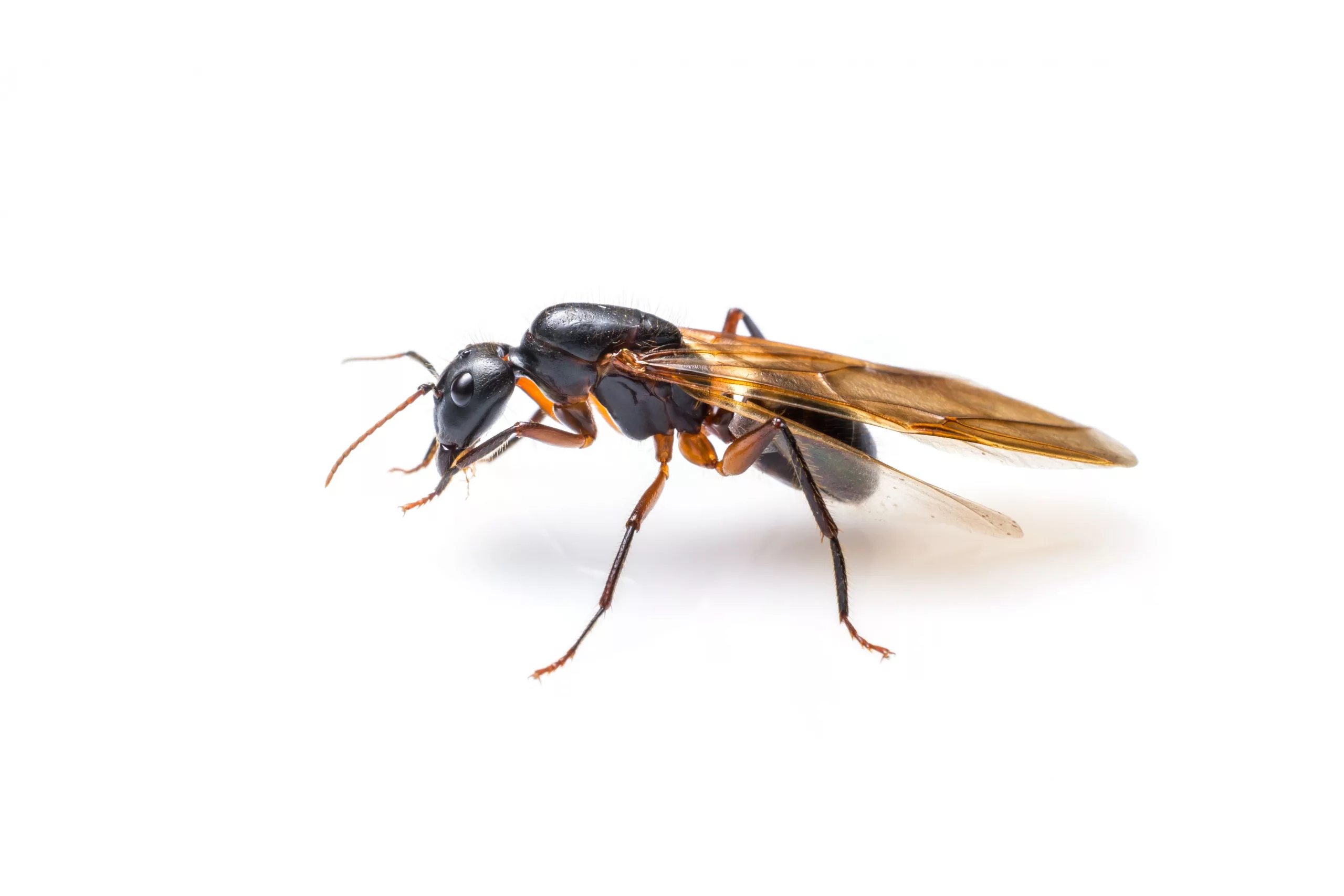
(img by GoodtoKnow) Summer Buzz, Truth Bombs Let’s set the scene: You’re finally chilling in the garden, soaking up some UK sunshine (yes, it happens!), when—bam—out come clouds of flying ants. Suddenly, everyone’s ducking, flapping their arms, launching straight into “Do flying ants bite? Are they after us?!” It’s a classic panic moment. And honestly, it doesn’t matter how tough you are; those swarms freak people out. But let’s ditch…

Chiggers Bites Pictures: What They Really Look Like (And Why You’ll Want to Avoid Them)
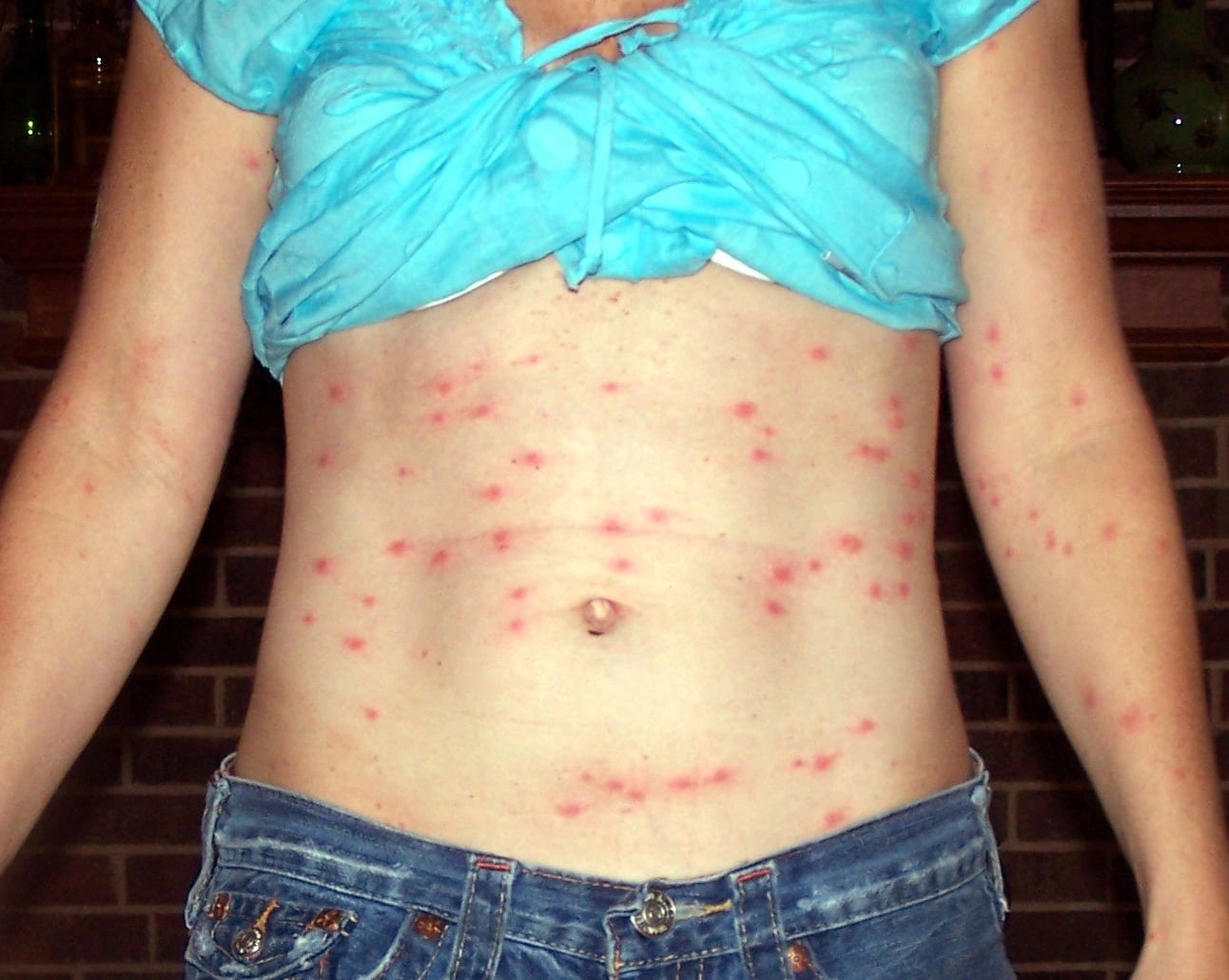
Why That Itch? Ever had one of those days where you come home from a hike or working in the yard, feeling great—until hours later the itching starts? Not just a little “oh, that’s annoying” itch. We’re talking relentless, almost can’t-sleep kind of itchiness that makes you wonder if you fell into a secret patch of poison ivy. Let me tell you: chiggers might be to blame, and those little…

What States Have Chiggers in the Winter? Your Itch-Proof Guide
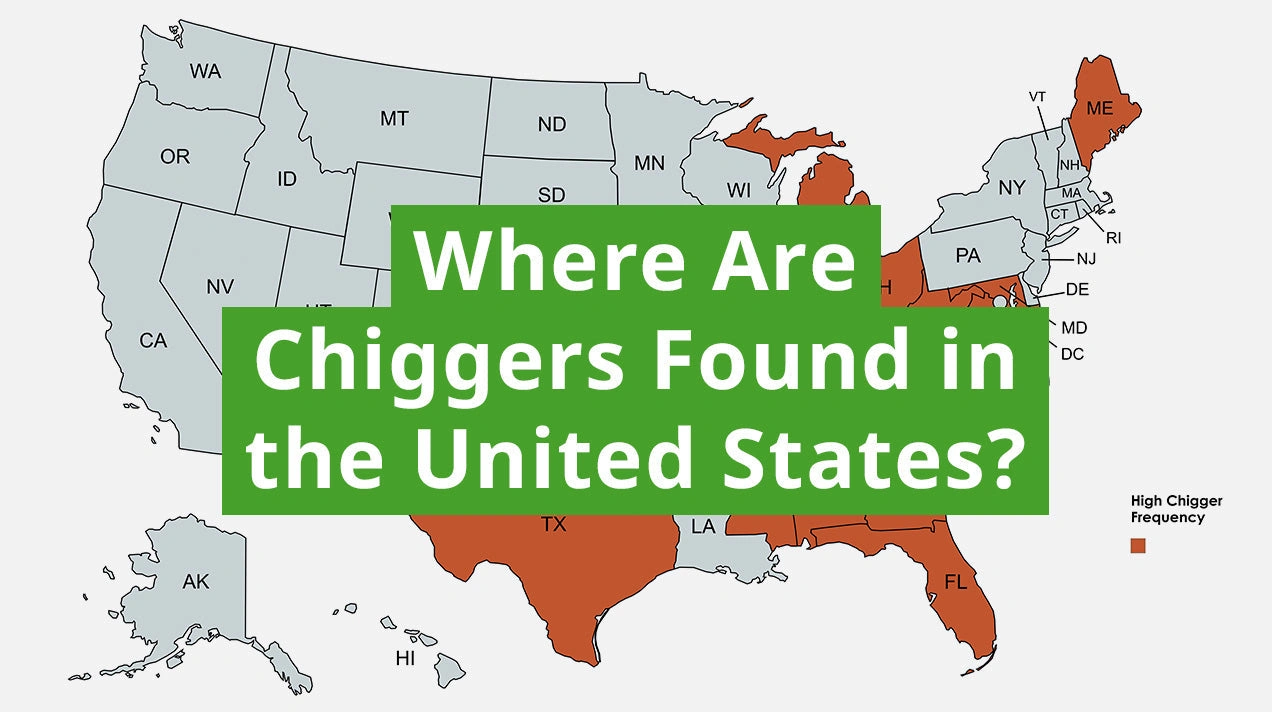
(img by The New York Times) Chiggers in Winter? Seriously? Picture this: It’s December. You’re bundled up for a nature walk, dog bounding ahead, and you’re savoring the bite in the air. You’re thinking—mosquitoes? Gone. Ticks? Snoozing. Every annoying bug, safely off-duty until spring. Right? Well … not exactly. (Go ahead, scratch your ankle. I won’t judge.) A few winters ago, I learned this the, uh, itchy way. I’d spent…