Digestive Health
Find helpful articles on digestive health, with tips on improving gut health, preventing issues, and managing common digestive problems for better well-being.

Can You Eat Gummy Bears Before Colonoscopy? The Real Prep Story No One Tells You
(img by Popular Science) But…Gummy Bears? You know that feeling when you think a “little thing” won’t matter… only to have it snowball into something much bigger? Like, ignoring a tiny leak until it becomes a flooded kitchen? That’s kind of what a botched colonoscopy prep can lead to—except, instead of a mess on your floor, it’s a mess in your gut, and your doctor can’t see a thing. Which…

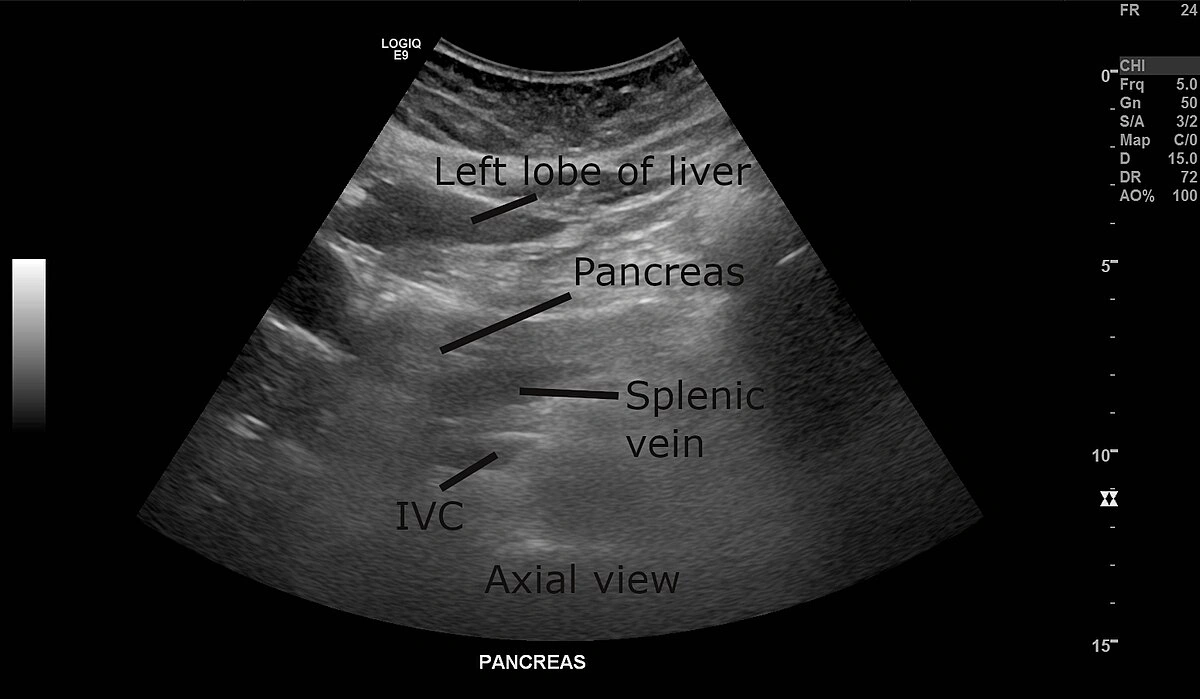
Pancreas Obscured by Bowel Gas Treatment: A Real Talk Guide
Ultrasound Says “Obscured”—Now What? You know that weird feeling when something’s off with your digestion, and you finally get up the nerve to see your doctor? Ultrasound time arrives. You climb onto the table, jelly on belly, trying not to giggle. And then the results come back: “Pancreas obscured by bowel gas.” That’s it? Feels like you did all that prep just for a blurry, inconclusive photo. I hear you—it…

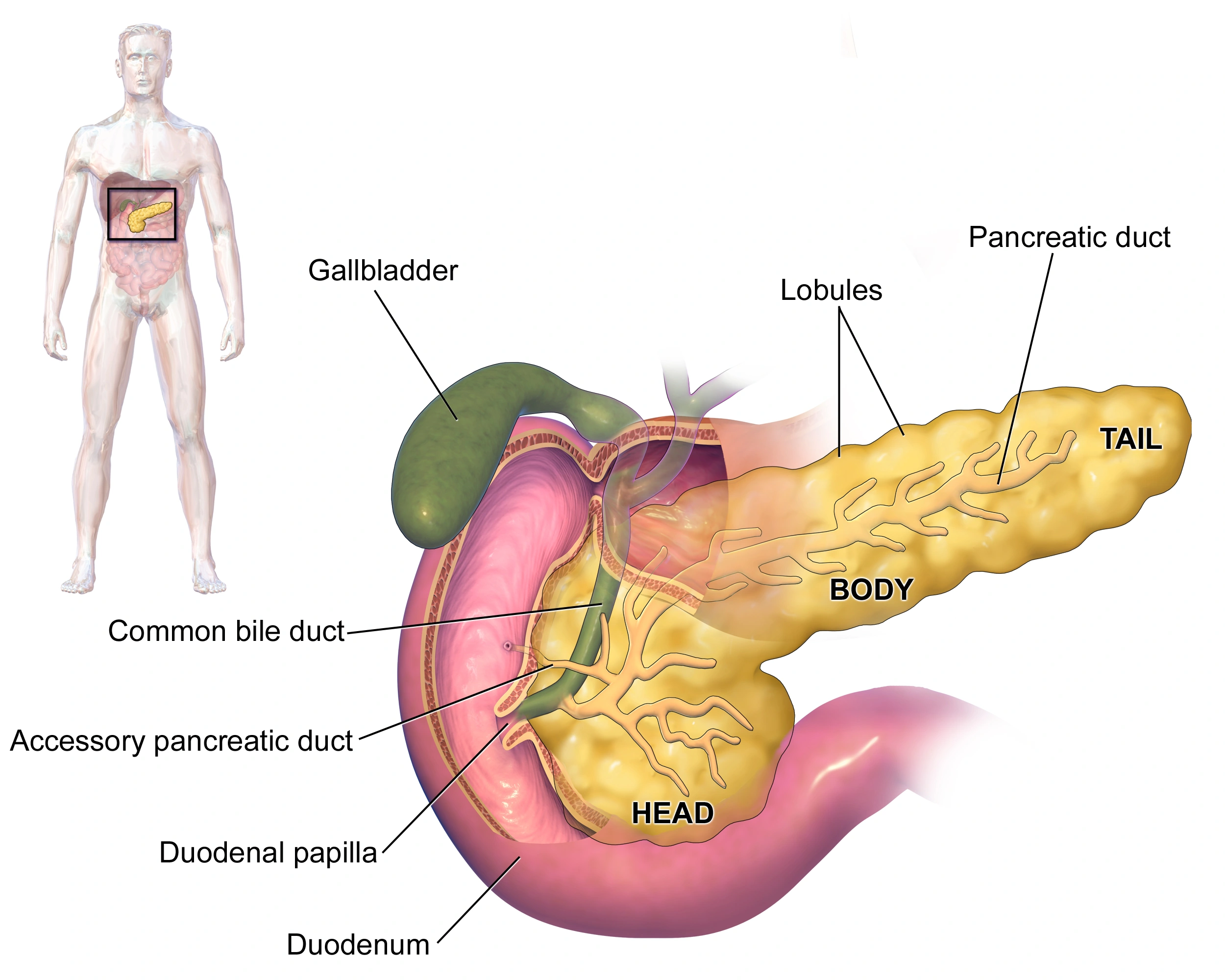
Pancreatic Tail Is Obscured by Bowel Gas: When Gut Feelings Get Foggy
(img by Pancreatic Cancer Action) Wait, Why Can’t They See It? Have you ever opened up your imaging report, spotted a phrase like “pancreatic tail is obscured by bowel gas,” and just… stared? Maybe your stomach dropped for a second. “Is this a big deal?” “Do I need to panic?” Or maybe you—like a lot of us—shrugged it off and thought, well, doctors know what they’re doing…right? You’re not weird…

Lactobacillus rhamnosus: A Probiotic With Powerful Benefits
Lactobacillus rhamnosus (L. rhamnosus) is a beneficial gut microbe sold as a supplement and added to many foods, particularly dairy. It may ease diarrhea and IBS symptoms, support gut health, and help protect teeth from decay. The human body hosts roughly 10–100 trillion bacteria. The majority reside in the gastrointestinal tract and are collectively called the gut microbiota. They play a crucial role in overall health. While a balanced microbiota…
Green, Yellow, Brown, and More: What Does the Color of My Vomit Mean?
Expelling green, brown, or other-colored vomit can signal a variety of issues. Vomiting itself is a symptom that accompanies many conditions, from short-lived infections to long-term illnesses. Vomiting that lasts only one or two days is usually not regarded as serious. Often it’s your body’s way of reacting to irritation in the digestive tract or clearing harmful substances from the stomach. Brief episodes of vomiting are commonly linked to acute…
What You Should Know About Abdominal Binders
An abdominal binder is a broad compression band that wraps around the midsection. It’s often used to help accelerate recovery following abdominal operations. Abdominal binders are available in various diameters and lengths. Most are constructed from stretchable fabric and fasten with Velcro or hook-and-loop closures. Some models include extra lumbar support, while others incorporate straps to secure surgical drainage tubing. Your physician may suggest using an abdominal binder after: a…
How to Use Castor Oil to Relieve Constipation
Castor oil can act as a stimulant laxative to ease constipation. Still, certain individuals—such as those taking particular medicines or who have specific health issues—may need to avoid it. When you’re constipated, you have bowel movements less often than usual, or your stool is difficult to pass. Keep in mind that bathroom habits vary from person to person. Some people have several bowel movements a day, while others may have…
Candida Test Options
Candida is a type of yeast — a fungus — that normally inhabits and exists on various parts of your body. The most common species among the more than 20 types of Candida is Candida albicans. When Candida multiplies excessively, it can produce a fungal infection known as candidiasis. Symptoms differ depending on which body region is affected. Continue reading to learn about how candidiasis is tested for and treated…
Do Zinc Carnosine Supplements Help With GERD Symptoms?
Gastroesophageal reflux disease, commonly abbreviated as GERD, is a digestive condition characterized by repeated episodes of acid reflux. If you frequently suffer from symptoms like heartburn, queasiness, or chest discomfort, you may be experiencing GERD. To lower the occurrence of GERD symptoms, a healthcare provider may suggest lifestyle adjustments, such as shedding excess weight if you are overweight or obese, quitting tobacco if you smoke, and modifying your diet. Various…
What Happens When You Eat Poop?
Contaminated food, a child inadvertently consuming animal or human stool, or other mishaps can result in someone accidentally ingesting poop. Although this is alarming, it generally does not lead to an immediate medical emergency. While it’s best to avoid eating feces, here’s what can occur if it happens and how to manage it. (img by Poison Control) Per the Illinois Poison Center, eating feces is “minimally toxic.” Nevertheless, stool naturally…