Pain Management
Pain Management offers strategies, treatments, and tips for alleviating chronic and acute pain, helping individuals improve their quality of life and manage discomfort effectively.

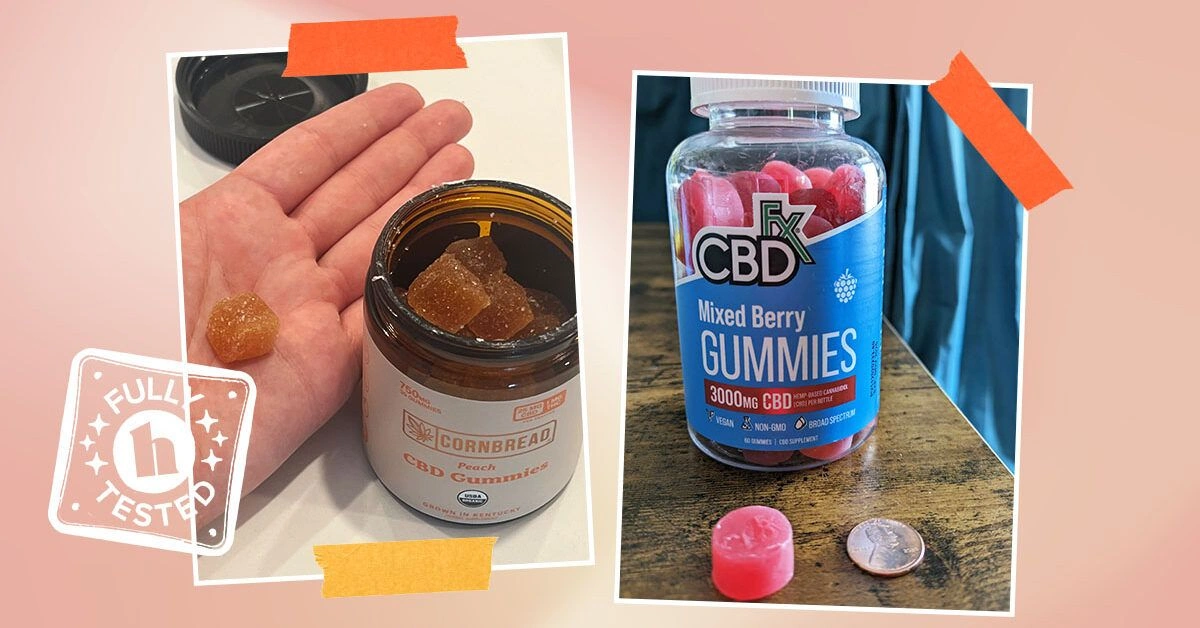
Best CBD Gummies for Pain: 4 Options If You Don’t Like Topicals
The Fast Facts Topical CBD products are often favored for discomfort, but our CBD testers discovered that certain gummies were helpful for head and neck pain, as well as pain linked to fibromyalgia. Research on CBD’s effectiveness for pain shows mixed findings. Some studies suggest it may ease pain related to cancer, fibromyalgia, and neuropathy, while others indicate only mild benefits. More comprehensive research across diverse populations is still needed.…
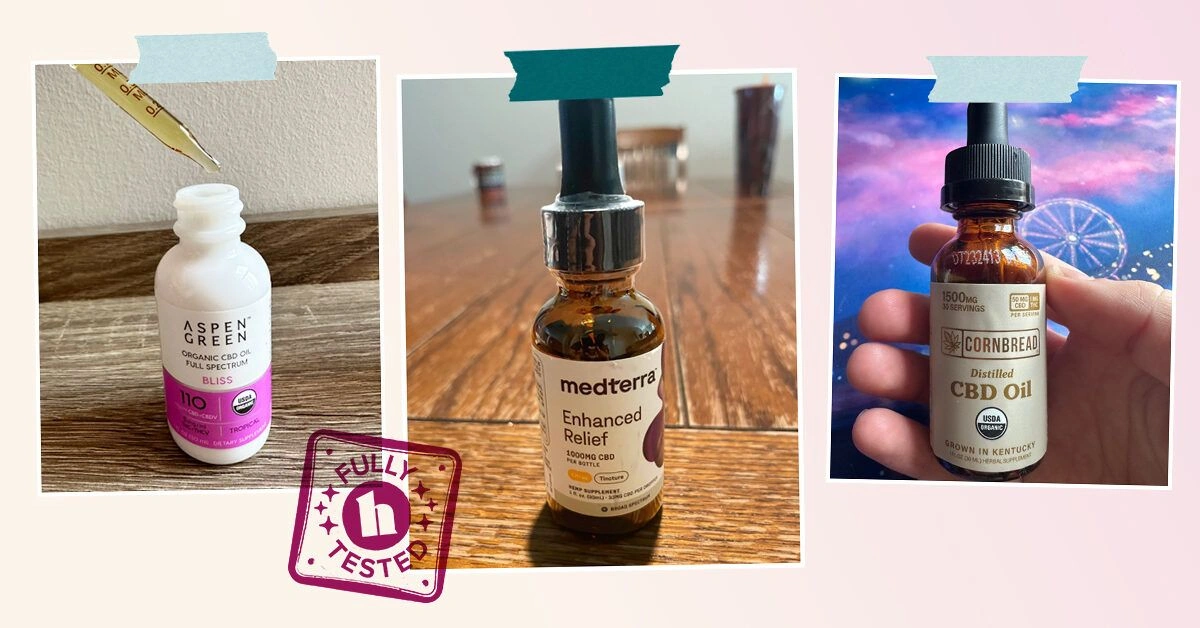
Best CBD Oils for Joint Pain and Arthritis in 2026: Tested and Approved
The Fast Facts Emerging research on CBD oil for joint and arthritis pain indicates it may offer potential benefits. Our editors personally tested CBD oils for pain management. Explore their firsthand experiences and learn more about these products. Our testers’ leading choices are Medterra Enhanced Relief for its rapid pain-relieving effects and Cornbread Hemp for its quality and performance, with reviewers noting both eased tension and supported relaxation. (Photos by…
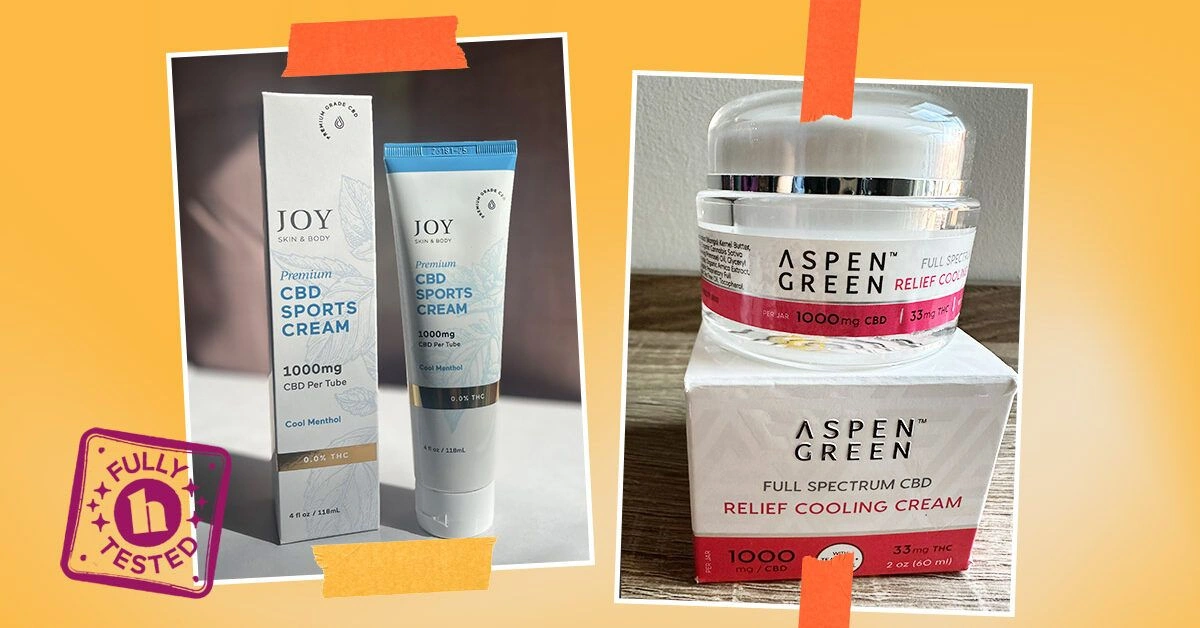
4 Best CBD Creams for Pain Relief: Tested and Reviewed
The Fast Facts Topical CBD products can offer short-term pain relief for some people, though more studies are needed. Our evaluators experienced temporary relief with several CBD creams, but they tended to work best when paired with other pain-relief strategies. We recommend Joy Organics for everyday muscle soreness and Aspen Green for higher-strength needs. A quick look at the best CBD creams for pain The CBD topicals that have performed…
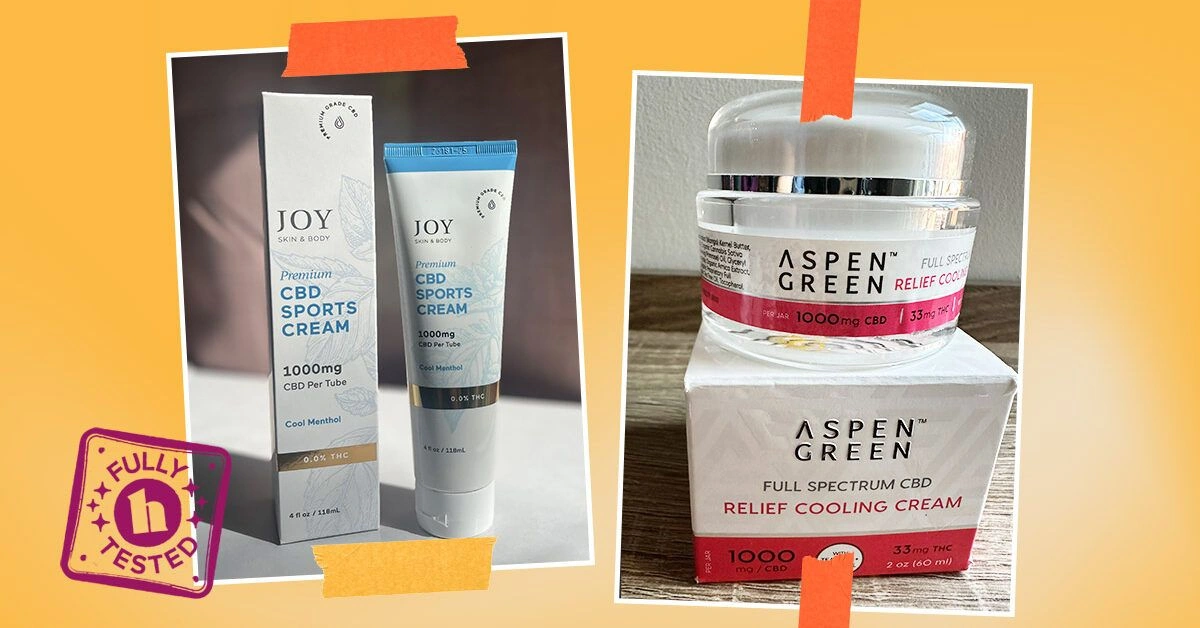
4 Best CBD Creams for Pain Relief: Tested and Reviewed
The Fast Facts Topical CBD creams can offer short-term relief from pain, though more research is necessary. Our evaluators experienced temporary relief from several CBD pain creams, with the best results when combined with other pain-management strategies. We favor Joy Organics for everyday muscle soreness and Aspen Green when extra potency is needed. A quick look at the best CBD creams for pain The CBD topicals that tended to help…

The 11 Best Treatments for Restless Legs Syndrome
Key takeaways Usually, the initial approach to managing restless legs syndrome (RLS) is to determine any underlying cause. Frequent contributors include everyday behaviors, medication side effects, and coexisting medical problems. Treatment options for RLS range from iron supplementation and prescription drugs to lifestyle adjustments, like establishing consistent sleep habits. RLS can markedly reduce quality of life by disrupting sleep and daily activities, so timely treatment is important. Restless legs syndrome…
Xanax Hangover: What Does It Feel Like and How Long Does It Last?
This medicine includes boxed warnings. These represent the FDA’s most serious cautions. Boxed warnings inform clinicians and patients about drug effects that can be dangerous. Combining benzodiazepines with opioids increases the chance of profound drowsiness, respiratory depression, coma, and even death. Xanax should not be used with an opioid unless no safer alternatives exist. Using benzodiazepines, even as directed, can cause physical dependence and withdrawal if the medication is stopped…

Xanax Interactions: Alcohol, Medications, and Others
Key takeaways Using Xanax with alcohol, opioids, or other central nervous system (CNS) depressants can greatly heighten the chance of severe adverse effects, including extreme drowsiness, slowed respiration, or coma. Xanax can interact with some antifungals, antibiotics, and herbal remedies like St. John’s Wort, potentially increasing side effect risk or reducing Xanax’s effectiveness. Certain medical issues — such as advanced age, kidney or liver impairment, and breathing disorders — can…
Guide to Tattoo Pain by Body Part and What to Expect
Getting a tattoo usually involves some discomfort, but how much it hurts depends on where it’s placed and your individual pain tolerance. Areas with little cushioning, lots of nerve endings, or very thin skin are generally more painful to tattoo. Tattooing works by repeatedly piercing the top layer of your skin with a fine needle carrying pigment. Because of this, most people feel pain to some degree, though the intensity…
Which Body Piercings Hurt the Most?
Some piercings are noticeably more painful than others, and a few have recovery periods that can be uncomfortable for weeks or even months. Body piercings have become more mainstream and widely accepted. What used to be associated with subcultures now appears in corporate environments and executive settings. You might be considering getting pierced yourself. But which placements are the most painful? There’s no simple universal answer. Everyone experiences some level…
Relajantes musculares: Una lista de medicamentos con receta
Introducción Los relajantes musculares son fármacos empleados para controlar los espasmos musculares o la espasticidad. Los espasmos musculares, o calambres, son contracciones súbitas e involuntarias de uno o varios músculos. Pueden originarse por tensión excesiva en el músculo y producir dolor. Estos episodios están asociados a problemas como dolor lumbar, dolor cervical y fibromialgia. Por su parte, la espasticidad muscular es un tipo de espasmo que provoca endurecimiento, rigidez o…