Pain Management
Pain Management offers strategies, treatments, and tips for alleviating chronic and acute pain, helping individuals improve their quality of life and manage discomfort effectively.

What Is Radiating Pain and What Can Cause It?
Radiating pain describes discomfort that originates in one area and moves to another. It starts at a focal point and then extends across a wider region. For instance, a herniated spinal disc may produce lower back pain that tracks along the sciatic nerve into the leg. As a result, the leg becomes painful because of the compromised disc. There are numerous reasons radiating pain can occur, and sometimes it signals…
What Causes Growing Pain Sensations in Adults?
Overview Growing pains are aching or throbbing sensations in the legs or other extremities. They most often occur in children between ages 3 to 5 and again between 8 to 12. Typically, growing pains affect both legs, commonly the calves, the front of the thighs, and the area behind the knees. Actual bone growth isn’t painful. Although the exact cause of growing pains is unclear, they may be connected to…
7 Possible Causes for Anus Pain
Pain in your anus can develop from prolonged sitting, injury, pregnancy, or various underlying health conditions. Addressing the root cause is often the most effective way to ease discomfort and understand How to stop anus pain immediately using safe, practical strategies. Anus pain, medically referred to as proctalgia, can stem from many different triggers. The anus is the opening at the end of your large intestine, located within the buttocks…
Diosmin: Benefits, Dosage, Side Effects, and More
Diosmin is a flavonoid primarily present in citrus fruits. Flavonoids are plant-based compounds known for their antioxidant effects, helping shield the body from inflammation and unstable molecules called free radicals. Diosmin was first extracted from the figwort plant (Scrophularia nodosaL.) in 1925 and has been utilized since 1969 as a natural therapy for conditions such as hemorrhoids, varicose veins, venous insufficiency, leg ulcers, and other circulatory disorders (1, 2). It’s…
What’s the Difference Between Swedish Massage and Deep Tissue Massage?
Swedish and deep tissue massage are both well-liked massage therapies that vary in pressure, technique, intended outcomes, and focal areas. Here’s additional detail on the main distinctions between these two massage styles, along with tips for selecting the right therapist for you. (img by Spa Theory) Deep tissue massage is most appropriate for: athletes runners individuals with injuries It may also be effective for those dealing with chronic pain conditions…
Benzodiazepines
Benzodiazepines are a group of medications most often prescribed to manage anxiety in both children and adults. They may also provide relief for individuals experiencing conditions such as insomnia and panic attack disorder. (img by GoodRx) These drugs are designed to reduce symptoms that can include: reduced need for sleep racing thoughts excessive talkativeness heightened activity levels agitation distractibility Because benzodiazepines carry a significant risk of dependence and addiction, healthcare…
Dosage Details for Ambien
Key takeaways Ambien (zolpidem) is a prescription medication used for the short-term treatment of insomnia in adults. It is available as immediate-release and extended-release oral tablets. The highest recommended dose of Ambien is 10 milligrams (mg) per day. For Ambien CR, the maximum recommended dose is 12.5 mg per day. Your exact Ambien dosage depends on multiple factors, such as your age, the specific formulation prescribed, your sex assigned at…
Can Acupuncture Help with Anxiety?
Key takeaways Acupuncture may help ease certain anxiety symptoms, but larger and more rigorous studies are still required to determine how effective it is for various anxiety disorders. To reduce potential risks, always choose a licensed acupuncturist who uses sterile, single-use needles; individuals with specific medical conditions should speak with a healthcare professional before beginning treatment. Acupuncture is usually delivered in a series of sessions, and improvements are often gradual…
Does Getting Acupuncture Hurt?
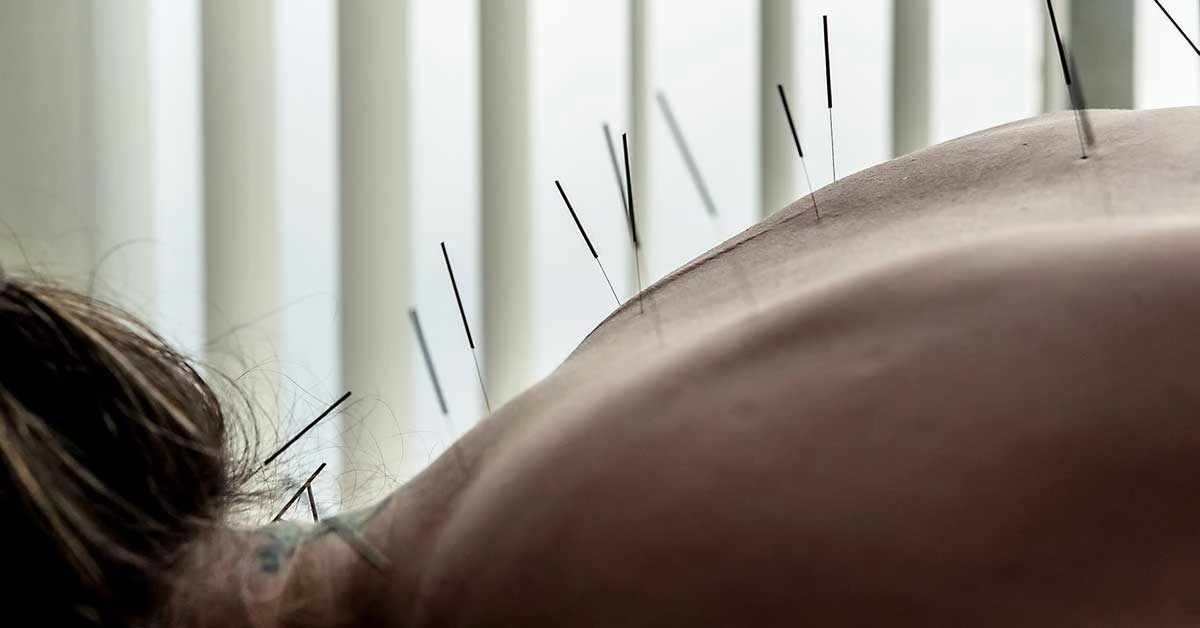
Acupuncture typically is not painful when carried out by a licensed acupuncturist. Even so, although it’s uncommon, some individuals may notice mild needle site discomfort or other reactions. When discussing the long-term side effects of acupuncture, it’s important to understand that serious complications are rare, especially when treatment is performed by a properly trained professional. This traditional therapy involves stimulating precise points on the body with thin, solid metal needles…
Is Acupuncture the Miracle Remedy for Everything?
Acupuncture, the practice of addressing health conditions by stimulating specific points on the skin with thin needles, may provide relief for allergies, migraines, or insomnia. When exploring the Long-term benefits of acupuncture, many people are surprised to learn that acupuncture is an evidence based medicine supported by literally thousands of studies. (Aubrie LeGault/Stocksy) If you’re unfamiliar with holistic healing approaches, acupuncture might feel a little intimidating at first. How can…