

Overview
Growing pains are aching or throbbing sensations in the legs or other extremities. They most often occur in children between ages 3 to 5 and again between 8 to 12. Typically, growing pains affect both legs, commonly the calves, the front of the thighs, and the area behind the knees.
Actual bone growth isn’t painful. Although the exact cause of growing pains is unclear, they may be connected to children’s daytime activity levels. A diagnosis of growing pains is made after excluding other possible conditions.
Although growing pains are primarily associated with childhood, similar discomfort can sometimes persist past puberty into later life.

Growing pains symptoms
The classic signs of growing pains are muscular aches that usually occur in both legs. Additional symptoms may include:
- intermittent leg pain
- pain that often begins in the late afternoon or evening (and may wake a child at night, but typically subsides by morning)
- headaches
- abdominal discomfort
What causes growing pains in adults
People generally finish growing a few years after puberty. For girls this tends to be around 14 or 15, and for boys typically by about 16. Still, adults can experience sensations similar to growing pains.
Possible explanations for growing-pain–like sensations in adults include:
Delayed onset muscle soreness
Delayed onset muscle soreness (DOMS) is muscle discomfort that appears several hours to days after physical activity. It can range from mild tenderness to intense pain.
The precise reason for DOMS is not certain, but it’s most common when beginning a new exercise routine or returning to strenuous activity after a break. The length and intensity of activity also influence the chance of developing DOMS.
DOMS can reduce your range of motion and make it difficult to place full weight on an affected leg. This may cause you to overload other parts of the limb, increasing injury risk.
Treatments such as nonsteroidal anti-inflammatory drugs (NSAIDs), massaging the sore area, and temporarily reducing activity can help recovery from DOMS.
Rheumatoid arthritis
Rheumatoid arthritis is an autoimmune disorder in which the immune system attacks healthy tissues, leading to inflammation of the joint lining.
Common symptoms of rheumatoid arthritis include:
- pain in multiple joints, often mirrored on both sides of the body (for example, both knees)
- joint stiffness
- fatigue
- weakness
- joint swelling
Osteoarthritis
Osteoarthritis is the most prevalent form of arthritis. It develops when a joint deteriorates and the bone beneath it changes. It’s more likely in older adults.
Symptoms involve joint pain and swelling, stiffness, and reduced mobility.
Other causes of similar symptoms
A variety of conditions can mimic growing pains, though they usually present with additional signs. Conditions that may produce similar symptoms include:
Restless legs syndrome
Restless legs syndrome causes an overwhelming urge to move the legs due to uncomfortable sensations. Moving often provides short-term relief.
Symptoms of restless legs syndrome include:
- uncomfortable feelings in the evening or at night, particularly while sitting or lying down
- leg twitching and kicking during sleep
If you suspect restless legs syndrome, consult a physician. It can disrupt sleep and negatively affect overall quality of life.
Joint hypermobility
Joint hypermobility describes an unusually wide range of motion in the joints, often called being double-jointed.
Many people with joint hypermobility have no problems. However, some experience:
- joint pain
- clicking joints
- fatigue
- digestive symptoms like diarrhea and constipation
- recurring soft tissue injuries such as sprains
- joints that dislocate easily
When these symptoms accompany hypermobility, it’s termed joint hypermobility syndrome. If you have such symptoms, see a doctor, as there may be underlying connective tissue concerns.
Lyme disease
Lyme disease is caused by bacteria transmitted by ticks. Typical symptoms include:
- fever
- headache
- fatigue
- a bullseye or circular rash
Lyme disease responds to antibiotics. If untreated, it can spread to joints, the heart, and the nervous system. Seek medical care if you have fever and persistent symptoms, particularly after potential tick exposure or a bite.
Cramps
Cramps are involuntary muscle contractions that can make muscles feel tight or knotted. Leg cramps often affect the calves and occur at night. They arise suddenly and are more common in middle-aged and older adults.
Occasional leg cramps are common and usually harmless, but frequent or severe cramps warrant medical evaluation.
Blood clots
Deep vein thrombosis (DVT) is a blood clot that forms in major veins, most often in the legs. Some cases produce no symptoms. When symptoms occur they may include:
- leg pain
- redness
- warmth in the affected area
- swelling
Blood clots often stem from an underlying health issue and can also result from prolonged immobility, such as after surgery.
If you suspect a blood clot in your leg, seek immediate medical attention. A clot can dislodge and travel to the lungs, causing a life-threatening emergency.
Shin splints
Shin splints are inflammation of muscles, tendons, and bone tissue around the tibia. Pain is felt on the inner part of the shin where the muscle attaches to the bone.
Symptoms arise during or after exercise. The pain is typically sharp and throbbing and worsens when pressing on the inflamed area. Minor swelling may also be present.
Shin splints often improve with rest, ice, and stretching. If symptoms persist or pain is severe, see a physician.
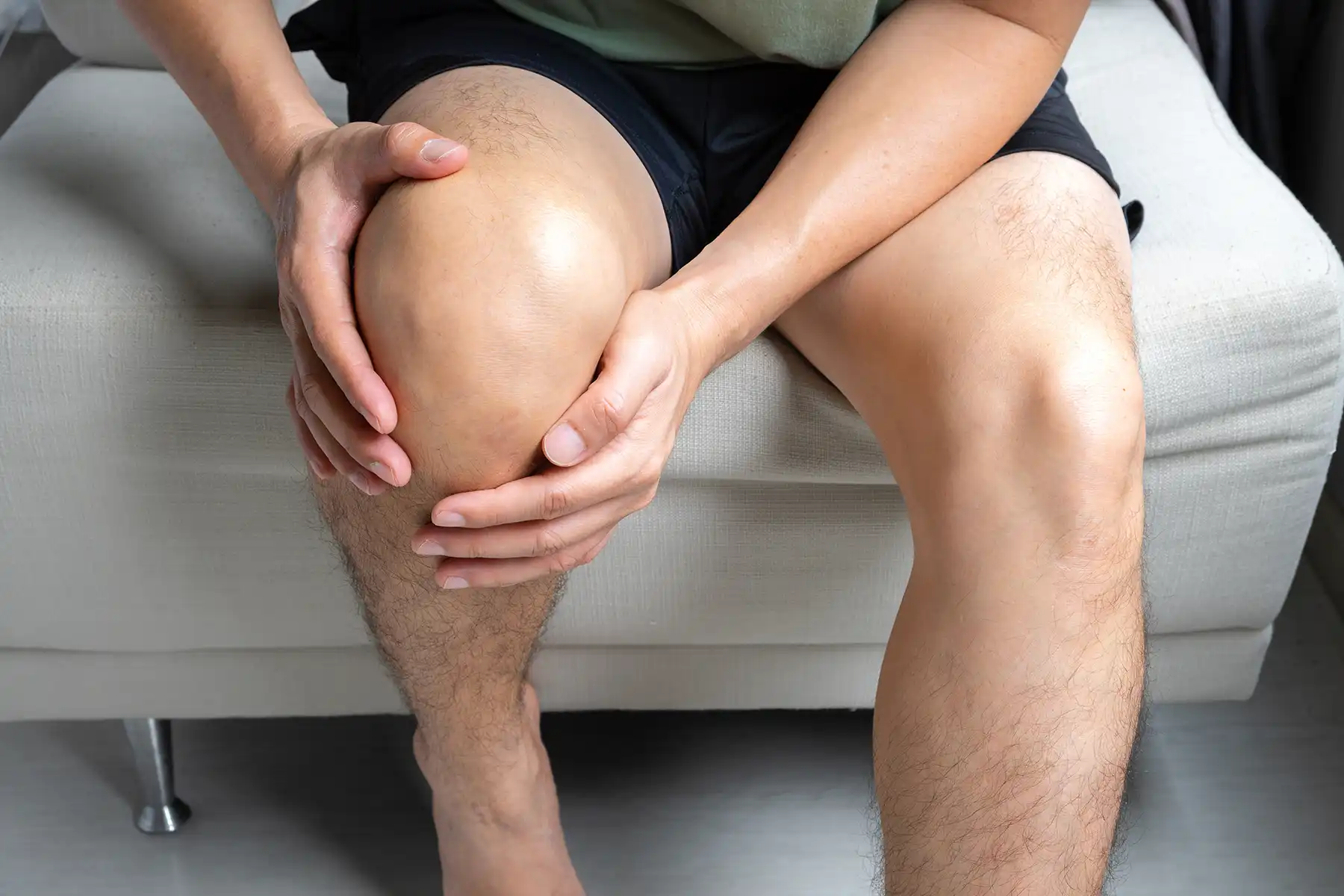
Fibromyalgia
Fibromyalgia causes widespread aches and pains throughout the body. It can also lead to:
- fatigue
- mood disturbances, such as depression or anxiety
- memory difficulties
- irritable bowel syndrome
- headaches
- numbness or tingling in hands and feet
- heightened sensitivity to sound, light, or temperature
If multiple symptoms of fibromyalgia affect your daily life, consult a doctor. Diagnosis may require visits to several specialists.
Bone cancer
Bone cancer (osteosarcoma) is a malignancy that affects bone tissue. The most common symptom is bone pain, which often begins as tenderness and progresses to a persistent ache that doesn’t improve with rest.
Other signs may include:
- swelling
- redness
- a lump over the affected bone
- increased susceptibility to fractures in the affected bone
See a physician if you have persistent or worsening bone pain.
Stress fractures
Stress fractures are small cracks in the bone, typically caused by repetitive overuse. Symptoms include:
- pain that grows worse over time
- localized tenderness at a specific spot
- swelling
Most stress fractures heal with rest. If pain remains severe or does not improve with rest, seek medical advice.
Osteomyelitis
Osteomyelitis is an infection of the bone. It can originate within the bone or spread there via the bloodstream. Symptoms can include:
- pain
- swelling
- redness
- warmth over the affected area
- fever
- nausea
- general malaise
If you experience these signs, especially if you’re older, have diabetes, a weakened immune system, or are at high risk for infection, see a doctor. Osteomyelitis is treatable with antibiotics, but if ignored it can lead to bone tissue death.
Takeaway
Adults can experience sensations like growing pains, but they’re usually not true growing pains. Such sensations can be benign but may also indicate an underlying health issue. If your pain is severe, persistent, or accompanied by other concerning symptoms, consult a healthcare professional.



















Leave a Reply
You must be logged in to post a comment.