

Clover honey is favored for its sweet, gently floral flavor.
Unlike refined sweeteners such as table sugar, it contains antioxidants and anti-inflammatory components that may support health.
This article examines the uses, nutritional profile, and potential health advantages of clover honey.
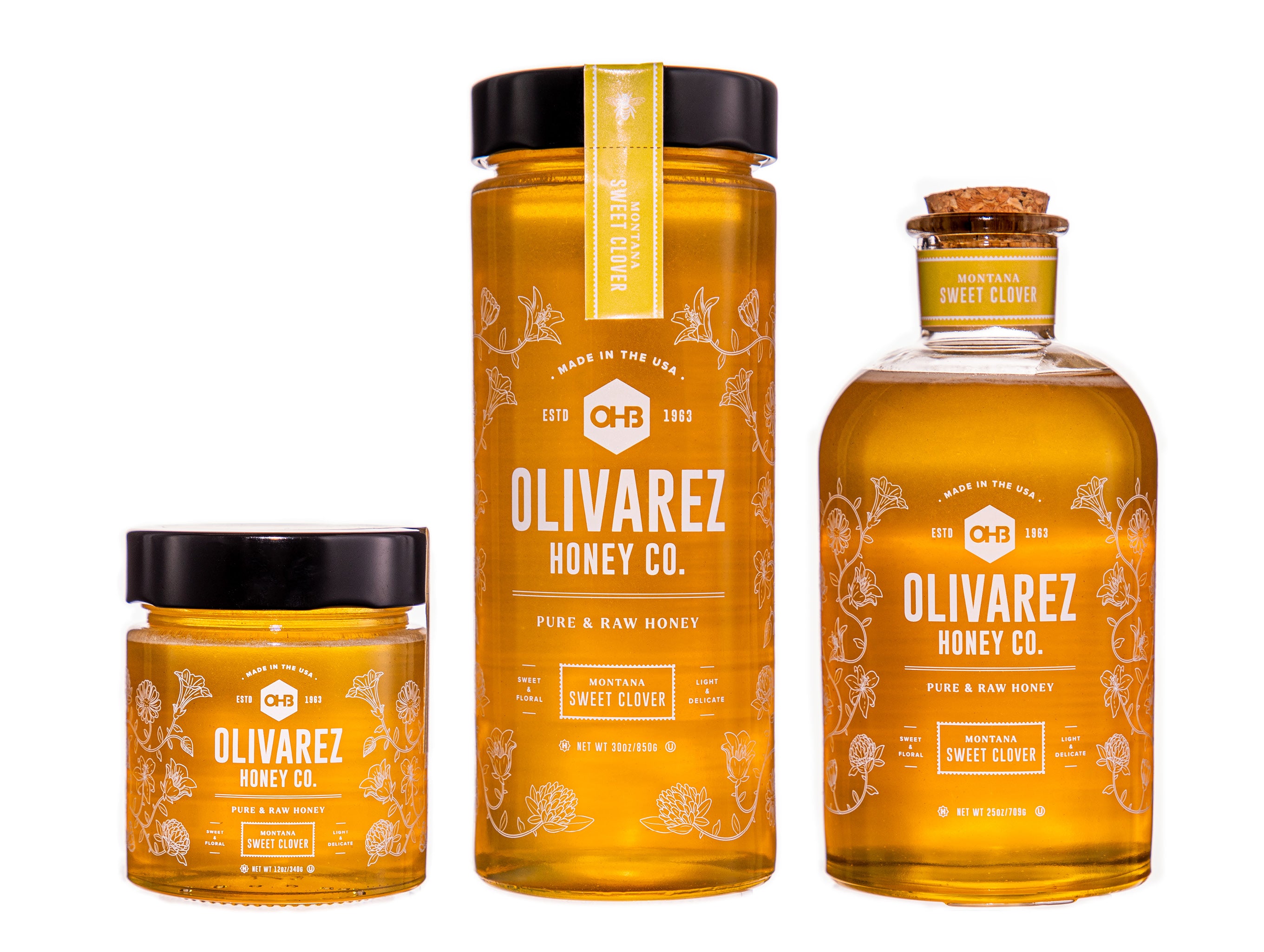
Origin and uses
Clover honey is a viscous, sweet liquid produced by honeybees that gather nectar from clover blossoms. Its delicate flavor and pale hue make it a frequent pick among honey lovers.
Clover plants are widespread, tolerant of various conditions, and a top nectar source for bees, which contributes to the broad availability of clover honey (1, 2).
With a more nuanced taste than plain table sugar, many people use clover honey to sweeten tea, coffee, and baked treats.
Moreover, as demand for healthier sugar substitutes grows, manufacturers are increasingly offering products sweetened with honey (3).
Clover honey is also frequently included in cough remedies and cold treatments because of its healthful properties, such as antibacterial activity and its soothing effect on irritated throats (4).
Summary: Clover honey is a common, easy-to-find honey variety. It’s used both as a sweetener and as a natural aid for coughs and colds.
Clover honey nutrition
Clover honey is high in sugars but does supply some nutrients.
One tablespoon (21 grams) of clover honey provides (5):
- Calories:60 calories
- Protein: 0 grams
- Fat:0 grams
- Carbs:17 grams
This honey is predominantly carbohydrates in the form of natural sugars. Still, it contributes trace amounts of minerals and vitamins, including magnesium, potassium, iron, and zinc (6).
Additionally, it contains antioxidant substances that can be advantageous for health (7).
Summary: Clover honey is mostly natural sugars but also offers some vitamins, minerals, and antioxidant compounds.
Potential benefits of clover honey
Clover honey may provide several health-related benefits.
Antiviral and antibacterial potential
Clover and other honeys display antiviral and antibacterial activities.
In research comparing the antibacterial strength of 16 honey types, clover honey showed the most potent activity against harmful Staphylococcus aureus — comparable to a 2.2 mg dose of the antibiotic kanamycin (8).
It can also serve as an effective antibacterial wound dressing for injuries like burns and abrasions, since bacteria do not develop resistance to honey (9).
In one three-month trial using clover honey as a dressing on 30 diabetic foot ulcers, 43% healed fully and another 43% showed major reductions in size and bacterial load (10).
Clover honey may also act against viruses.
A laboratory study found that applying a 5% clover honey solution to cells infected with the chickenpox virus greatly reduced the virus’s survival (11).
Bear in mind that fresh, raw honey may possess stronger antibacterial effects than honey that has been pasteurized or stored for extended periods (12).
Rich in antioxidants
Clover honey contains many antioxidants, which help prevent or limit cellular damage caused by free radicals. This action may reduce disease risk (7, 13, 14, 15).
In a rodent study, clover honey extract reversed liver damage caused by free radicals, likely owing to the extract’s antioxidant properties (16).
Clover honey is notably rich in anti-inflammatory flavanol and phenolic acid antioxidants. Flavanols may support cardiovascular and respiratory health, while phenolic acids may bolster the central nervous system (17, 18, 19).
Fewer downsides than table sugar
Although honey is primarily sugar, it has distinctive benefits that can make it preferable to table sugar or other sweeteners like high-fructose corn syrup (HFCS).
Some research suggests honey may be more favorable for heart health and weight management than table sugar (20, 21, 22).
In a six-week trial of 60 participants consuming either 70 grams of honey or table sugar daily, those in the honey group had lower total cholesterol, LDL (bad) cholesterol, and triglycerides, and increased HDL (good) cholesterol (23).
Also, a study of 80 children found that a single dose of honey caused a smaller blood glucose spike than an equivalent amount of table sugar — even among participants with type 1 diabetes (24).
Still, despite being healthier than table sugar in some respects, honey remains an added sugar and should be limited.
Diets high in added sugars — regardless of source — are linked to obesity and elevated risks of type 2 diabetes, cardiovascular disease, and some cancers (25, 26, 27).
For best health, under 5% of your daily calories should come from added sugars (28).
Summary: Research suggests clover honey has antiviral and antibacterial actions and contains anti-inflammatory antioxidants. Nevertheless, it remains an added sugar and should be consumed sparingly.
Comparison with other types of honey
The flavor, color, and nutrient profile of honey are influenced by the nectar source, as well as processing and storage.
Along with clover honey, other pale, mild varieties include alfalfa, orange blossom, and wildflower honey. These honeys are similar in antioxidant levels (29).

By contrast, buckwheat and manuka honeys, which are often used for medicinal reasons, are much darker and more robust in flavor, likely due to higher mineral and antioxidant concentrations (29, 30, 31).
Manuka honey, derived from a plant native to New Zealand, is especially valued for its strong medicinal properties (32, 33).
Although manuka typically contains more antioxidants than clover honey, a laboratory study found that 5% solutions of manuka and clover honey were similarly effective at inhibiting the chickenpox virus (11).
Still, if you’re using honey for therapeutic purposes, you might prefer a darker type like buckwheat or manuka.
Raw honey
Unprocessed, unpasteurized raw honey of any variety is a nutritious option for many, as it tends to retain more vitamins, minerals, and antioxidants than heat-treated honey (12, 34, 35).
Raw honey also contains pollen, which may provide benefits such as boosting immune responses, reducing inflammation, and protecting the liver from oxidative stress (36).
Raw clover honey can be bought online and in retail stores. Locally produced raw honey is also commonly sold at farmers’ markets.
Note that people with weakened immune systems should avoid raw honey. In addition, honey should not be given to infants under 12 months because of the risk of severe illness (37, 38).
Summary: Clover honey is one of several light-colored, mild honeys. Darker types like buckwheat and manuka tend to be higher in antioxidants. Raw honey, including raw clover honey, may offer more benefits than processed honey.
The bottom line
Clover honey is a widely enjoyed, pale, mild honey that supplies some vitamins, minerals, and antioxidants.
It may exhibit notable antiviral, antibacterial, and anti-inflammatory properties.
While marginally healthier than table sugar in some ways, it remains an added sugar and should be used in moderation.





















Leave a Reply
You must be logged in to post a comment.