
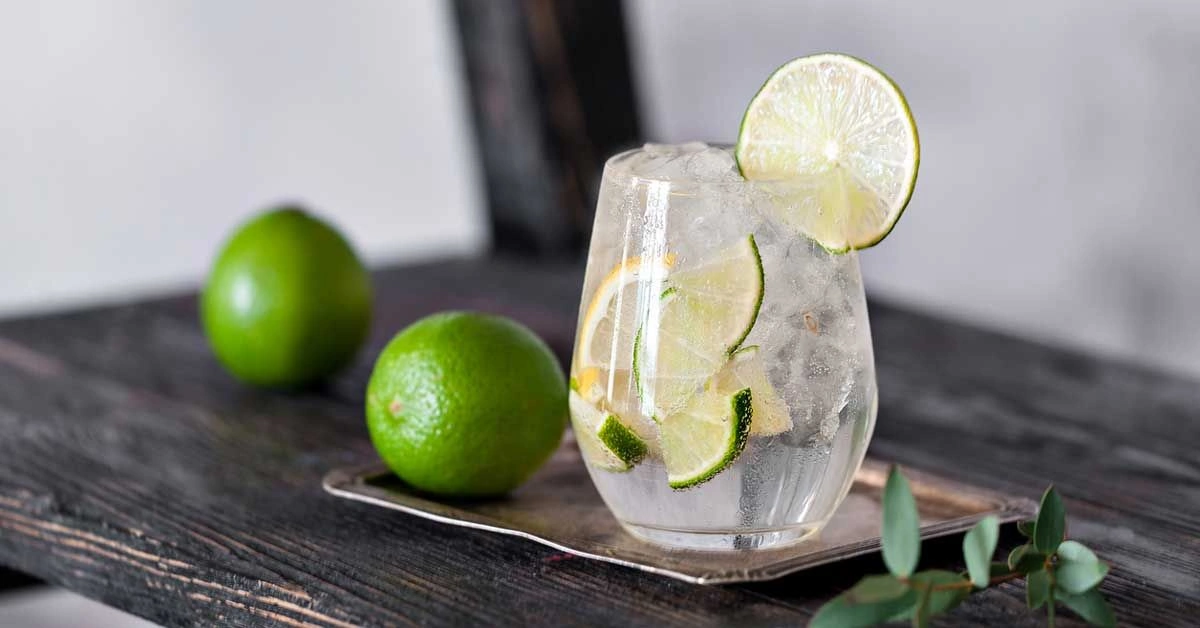
Tonic water, club soda, seltzer, and sparkling mineral water are all fizzy waters, yet they differ in mineral composition and flavor.
Many people aiming for healthier habits are paying closer attention to what they eat and drink.
Carbonated water has emerged as a popular swap for soda and other sweetened soft drinks, which helps explain its rising popularity. It’s appealing because it hydrates while providing effervescence (1).
Still, with several varieties available, it’s natural to ask what distinguishes each one.
This piece outlines the distinctions between club soda, seltzer, sparkling mineral water, and tonic water.
:strip_icc()/GettyImages-668395788-3c7cdafd536149e6b7c7f6cb30b54813.jpg)
All are forms of carbonated water
In short, club soda, seltzer, sparkling mineral water, and tonic water are all carbonated waters.
They differ in how they’re processed and what’s added to them, which leads to varied mouthfeels and tastes — and why some people prefer one over another.
Below are simple descriptions of each (2).
Club soda
Club soda is water that’s been carbonated by introducing carbon dioxide (CO2) and then enhanced with minerals.
Common additives in club soda include:
- potassium sulfate
- sodium chloride
- disodium phosphate
- sodium bicarbonate
Quantities vary by brand. These salts can boost flavor, often lending a faint salty note to club soda.
Seltzer
Seltzer, like club soda, is carbonated water and can be used interchangeably with club soda in mixed drinks.
However, seltzer usually lacks added minerals, giving it a more neutral taste — though this depends on the manufacturer.
Seltzer traces its roots to Germany, where naturally carbonated waters were bottled before becoming popular in the United States.
Sparkling mineral water
Sparkling mineral water is naturally effervescent, with carbonation originating from a spring or well.
Spring waters contain minerals such as sodium, magnesium, and calcium, but the amounts differ depending on the source.
The U.S. Food and Drug Administration (FDA) defines mineral water as having at least 250 parts per million (ppm) of dissolved solids — minerals and trace elements — from the source (3).
The mineral profile can noticeably affect flavor, so each brand of sparkling mineral water often tastes distinct.
Some brands also boost carbonation by adding CO2, creating more pronounced bubbles.
Tonic water
Tonic water stands out as the most distinctive in flavor among the four.
It is carbonated water with added minerals like club soda, but it also contains quinine — a bitter compound derived from cinchona bark — which gives tonic its trademark bitterness (4).
Tonic water was once used to ward off malaria in regions where the disease was common and therefore contained much higher levels of quinine (4).
Today, quinine is present only in tiny amounts to provide bitterness, and manufacturers typically mask that flavor by sweetening the drink with sugar or high-fructose corn syrup (4).
Tonic water is commonly used as a mixer in cocktails, particularly with gin or vodka.
Summary: Club soda, seltzer, sparkling mineral water, and tonic water are all carbonated beverages. Variations in processing and added minerals or compounds create distinct flavor profiles.
What they have in common
Club soda, seltzer, sparkling mineral water, and tonic water are all very low in nutrients.
The following comparison shows nutrients in 12 ounces (355 mL) of each beverage (5, 6, 7, 8):
| Club soda | Seltzer | Sparkling mineral water | Tonic water | |
|---|---|---|---|---|
| Calories | 0 | 0 | 0 | 120 |
| Protein | 0 | 0 | 0 | 0 |
| Fat | 0 | 0 | 0 | 0 |
| Carbs | 0 | 0 | 0 | 31 grams |
| Sugar | 0 | 0 | 0 | 31 grams |
| Sodium | 3% of the daily value (DV) | 0% of the DV | 2% of the DV | 2% of the DV |
| Calcium | 1% of the DV | 0% of the DV | 9% of the DV | 0% of the DV |
| Zinc | 3% of the DV | 0% of the DV | 0% of the DV | 3% of the DV |
| Copper | 2% of the DV | 0% of the DV | 0% of the DV | 2% of the DV |
| Magnesium | 1% of the DV | 0% of the DV | 9% of the DV | 0% of the DV |
Notice that tonic water is the sole option that contributes calories, all from added sugars.
Although club soda, sparkling mineral water, and tonic water contain trace nutrients, the quantities are minimal. Largely, those minerals are included for flavor rather than meaningful health effects.
Summary: Club soda, seltzer, sparkling mineral water, and tonic water provide very little in the way of nutrients. Tonic water is the only one with calories and sugar.
Key differences
Differences in taste among club soda, seltzer, sparkling mineral water, and tonic water mostly come down to the types and levels of minerals or additives.
Club soda is enhanced with mineral salts to alter flavor and carbonation characteristics — such as potassium sulfate, sodium chloride, disodium phosphate, and sodium bicarbonate.
Seltzer is produced like club soda but typically lacks those added salts, resulting in a blander flavor.
Sparkling mineral water’s mineral content depends on its natural source; each spring or well has its own mineral balance.
Tonic water contains minerals similar to club soda but also includes quinine and sweeteners, giving it a distinct bitter-and-sweet profile.
Summary: Flavor differences among these fizzy waters stem from varying mineral and additive content. Tonic water additionally contains quinine and sugar.
Which is best for your health?
Club soda, seltzer, and sparkling mineral water have comparable nutrient profiles and are all good for hydration.
If you find plain water unappealing, these fizzy alternatives can help you meet your daily fluid needs.
Some people also find carbonated water soothing for an upset stomach (9, 10).
That said, tonic water is high in sugar and calories, so its consumption should be limited given associations between sugary drinks, obesity, and type 2 diabetes (11, 12).
Summary: Club soda, seltzer, and sparkling mineral water are excellent alternatives to still water for staying hydrated. Limit tonic water because of its sugar content.
The takeaway
Club soda, seltzer, sparkling mineral water, and tonic water are different varieties of carbonated water.
Club soda is artificially carbonated and enhanced with mineral salts. Seltzer is carbonated similarly but usually has no added minerals. Tonic water is carbonated and contains quinine plus sweeteners, giving it calories.
Sparkling mineral water is naturally carbonated at the source (a spring or well).
Among these, club soda, seltzer, and sparkling mineral water are all sensible choices and can be part of a healthy routine; choosing among them is mainly a matter of taste. If you drink tonic water, consider cutting back because of its added sugar.
For more options without added sugars or calories, see alternatives like non carbonated drinks.
One last tip
Try this today: On a warm day I love mixing club soda with fresh lemon juice and a pinch of salt — it’s incredibly refreshing and makes a simple mocktail!

















Leave a Reply
You must be logged in to post a comment.