

You can often recover from throwing out your back with rest and self-care at home. In some situations, imaging or further medical intervention may be necessary.

When you throw out your back, you’ll notice a sudden onset of lower back pain. If you already have chronic lower back issues, the pain might present differently or be more severe.
Frequently, this pain follows strenuous activity, such as shoveling or lifting heavy items, or after an injury.
Throwing out your back can limit your activities for several days, and you may wonder whether you need urgent medical care.
Read on to learn what you can do at home to help your back and when it’s time to consult a physician.
Symptoms
Throwing out your back can lead to the following signs:
- stiffness in the back that restricts movement
- severe lower back pain
- muscle spasms, meaning strong intermittent tightening and relaxing of muscles
- difficulty keeping proper posture
When the injury is acute, the pain typically resolves within 10 to 14 days. If it persists beyond that, it could indicate a chronic back problem.
Causes
Throwing out your back most often refers to a muscle strain in the back. Common causes include lifting heavy objects or bending forward in an awkward way. Pain from a muscle strain is generally confined to the lower back area.
Typical activities that can lead to throwing out your back include:
- twisting the torso, such as when swinging a golf club
- lifting items that are too heavy
- overextending the back
- using poor posture or incorrect body mechanics while lifting
Performing one or more of these actions can injure structures that support your back, including:
- ligaments
- muscles
- blood vessels
- connective tissues
Even small damage, like tiny tears in the spinal discs, can irritate nerves in the back and trigger inflammation and pain.
Diagnosis
Many people can pinpoint the activity or moment when they threw out their back.
Your doctor will begin by asking about your symptoms, what you were doing when the pain started, and which movements make it worse or better. These details help guide diagnosis and treatment decisions.
If your pain is severe or you have alarming symptoms — for example, numbness down the legs or loss of bladder control — your physician will often order further testing. Conversely, if a back strain is suspected, imaging may not be necessary.
Imaging can sometimes uncover other causes of back pain, such as a tumor. Examples of imaging tests a doctor might order include:
- X-ray
- CT scan
- MRI
If your back pain has not improved after two weeks or it worsens, contact your doctor to arrange further evaluation.
Treatments
The initial step after throwing out your back is rest. Rest helps the body heal and reduces inflammation. Pain often limits your activities immediately after the injury, too.
Pay attention to how your body feels during recovery and avoid overexerting yourself. Along with rest, consider these strategies:
- Apply cloth-covered ice packs to the lower back for 10–15 minutes at a time. Do not place ice directly on the skin, as it can cause damage.
- Take over-the-counter anti-inflammatory drugs like ibuprofen (Advil) or naproxen sodium (Aleve). Acetaminophen (Tylenol) can relieve pain but does not reduce inflammation.
- Use supportive pillows or lumbar supports to relieve pressure. For example, roll a towel and place it behind the curve of your lower back (a lumbar roll).
- Sleep with a lumbar roll behind your back or with a pillow between your knees if you sleep on your side. These positions can ease back strain. Avoid sleeping on your stomach, which may aggravate pain.
- Discuss with your physician whether chiropractic care might be useful for your injury.
When to start moving again
After about one to three days of rest, begin gentle movement to prevent stiffness and promote blood flow to injured muscles.
Slow, easy stretches and short walks can be helpful. Try walking or performing gentle stretches for 10-minute intervals, such as bringing knees toward the chest or lying and pulling straight legs toward the torso.
While some activities support recovery, others can worsen pain. Avoid motions that involve:
- heavy lifting
- bending at the waist
- twisting the spine, such as during a golf or tennis swing
Your physician may also recommend additional treatments, which could include:
- physical therapy
- stronger anti-inflammatory drugs, muscle relaxants, or prescription pain medications
- steroid injections
In uncommon cases, surgery might be advised to address the injury, particularly if chronic back pain was aggravated by the event.
Prevention
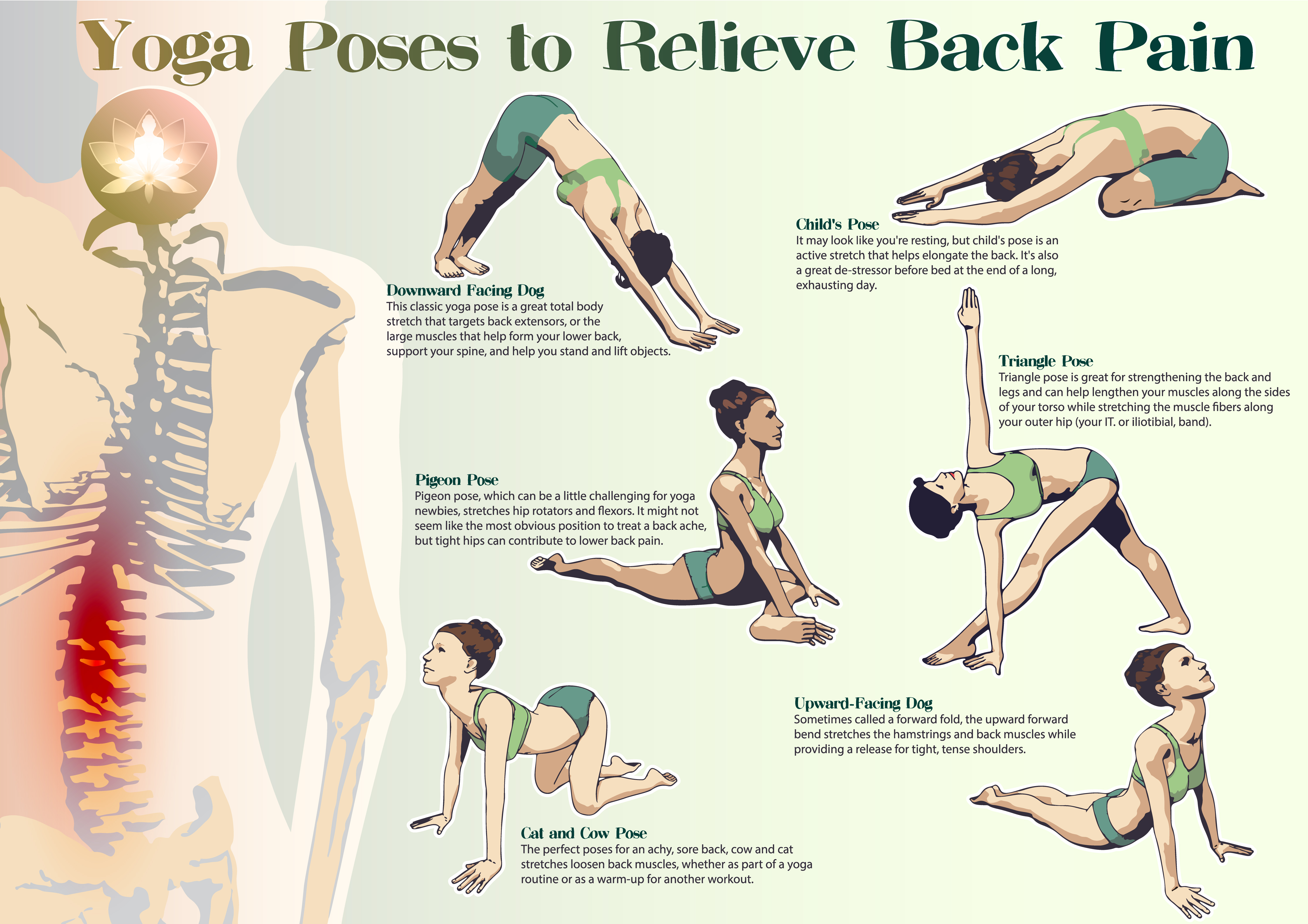
Strong back and core muscles reduce the risk of throwing out your back. Activities that build strength and flexibility, such as Pilates, yoga, and tai chi, can be helpful.
Besides exercise, using protective gear when appropriate can lower the chance of back injury. Options include a weightlifting belt or a back brace that provide added support. These come in various sizes and styles.
For more tailored guidance, consult a certified personal trainer or physical therapist about optimal posture and safe exercise techniques.
Always use proper lifting form to prevent back injuries. Remember to:
- keep your elbows and arms close to your body
- bend your knees and lift with your legs rather than your back
- avoid twisting your spine while lifting
- refrain from jerking motions during lifts
- stop and rest if the load becomes too heavy
Use common sense when lifting heavy items. If something feels too heavy, it likely is. Get help from another person or use mechanical aids like carts or specialized carriers.
When to see a doctor
Seek emergency care for these symptoms associated with throwing out your back:
- loss of bladder or bowel control
- numbness down one or both legs
- weakness in the legs that makes standing difficult
- fever above 101.5°F (38.6°C)
Symptoms that are urgent but not immediate emergencies include:
- an injury that hasn’t improved with home care
- pain or discomfort that continues to disrupt daily activities
If something doesn’t feel right with your back, it’s best to see a doctor sooner rather than later. Discuss with your provider whether chiropractic care could be beneficial. If you don’t have a primary care clinician, you can search for one in your area via the Healthline FindCare tool.
The bottom line
Per the American Association of Neurological Surgeons, about 90 percent of people with lower back strain or sprain recover within a month.
In most cases, you can manage your back injury at home. However, if pain worsens or prevents you from carrying out everyday tasks, seek medical evaluation.






















Leave a Reply
You must be logged in to post a comment.