

Contrave (naltrexone/bupropion) is a prescription medication approved for weight reduction and long-term weight control in certain adults. It’s intended to be used along with dietary changes and increased physical activity. Contrave is only available as a brand-name product — there is no generic version.
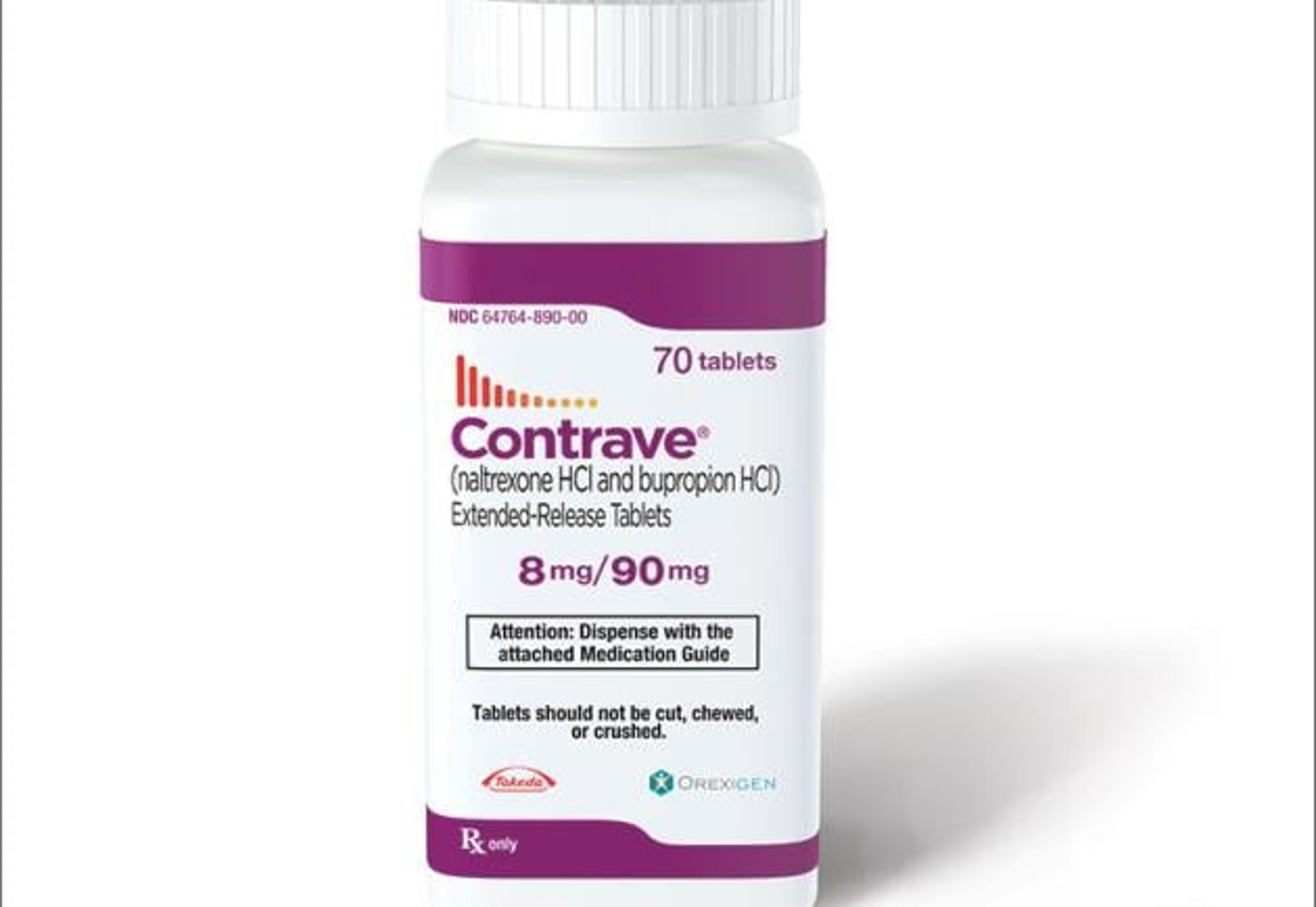
The medication is formulated as an extended-release oral tablet, meaning the active ingredients are released gradually into the body over several hours.
Contrave’s active components are naltrexone and bupropion. Naltrexone is classified as an opioid antagonist, while bupropion is an antidepressant. For a more detailed overview, see this in-depth article.
Contrave carries a boxed warning, the FDA’s most prominent safety alert. See the “What should I know before using Contrave?” section for more information.
What do weight loss and long-term weight management mean?
Weight loss and ongoing weight management are approaches designed to help you reach and keep a healthier body weight.
Your ideal body weight can vary based on factors such as:
- age
- height
- sex assigned at birth
- ethnicity
- muscle mass
- other medical conditions you may have
- family medical history
Clinicians commonly use body mass index (BMI) when evaluating weight. BMI is calculated from your height and weight and provides a simple classification of weight status:
| BMI | Weight status |
|---|---|
| below 18.5 | underweight |
| 18.5 to 24.9 | healthy weight |
| 25 to 29.9 | overweight |
| 30 and above | obesity |
If your BMI falls in the overweight or obesity range, your clinician may advise weight loss to improve long-term health. Losing weight can, in many cases, reduce the risk of heart disease, stroke, type 2 diabetes, joint issues, and some cancers.
For some people, eating fewer calories and increasing exercise can achieve and sustain a healthier weight. For others, lifestyle changes alone may be insufficient.
If you have obesity, or are overweight with certain medical conditions, your doctor might prescribe Contrave to support weight loss and long-term management. The medication should be combined with a reduced-calorie diet and physical activity plan.
Who may be prescribed Contrave?
Healthcare providers may consider Contrave for adults who have:
- a BMI of 30 or higher
- a BMI of 27 or higher plus at least one weight-related health issue, such as high blood pressure, elevated cholesterol, or type 2 diabetes
How does Contrave support weight loss and management?
Contrave helps with weight loss and maintenance by decreasing appetite and helping control food cravings.
How does Contrave work?
Contrave’s formulation includes two active agents: naltrexone and bupropion.
While the precise mechanisms by which naltrexone and bupropion promote weight loss aren’t completely understood, both influence certain brain neurotransmitters, including dopamine and beta-endorphin. Neurotransmitters are chemical messengers that transmit signals between nerve cells.
Naltrexone and bupropion act on brain regions involved in cravings and the drive to eat.
Their combined action can reduce hunger sensations and lessen the rewarding feelings associated with high-fat, high-sugar, or high-salt foods, which may curb cravings for those items.
By helping you eat fewer calories, Contrave can contribute to weight loss over time.
Is Contrave approved for children?
No. Contrave is not approved for individuals under 18 years old. The manufacturer has not evaluated its safety or efficacy in pediatric populations.
How effective is Contrave?
Contrave has demonstrated effectiveness for weight reduction and long-term weight control.
In clinical trials, Contrave combined with diet and exercise produced greater weight loss than diet and exercise alone. For specifics on the clinical trial results, consult the drug’s prescribing information.
Results vary between individuals. Discuss with your healthcare provider what results you might expect.
How is Contrave administered?
Contrave is supplied as an extended-release oral tablet, which dispenses medication gradually over several hours.
What is the standard Contrave dosing schedule?
Each Contrave tablet contains 8 milligrams (mg) of naltrexone and 90 mg of bupropion.
The typical dosing progression for Contrave is shown below:
| Week | Morning dose | Evening dose |
|---|---|---|
| 1 | 1 tablet | — |
| 2 | 1 tablet | 1 tablet |
| 3 | 2 tablets | 1 tablet |
| 4 and after | 2 tablets | 2 tablets |
How should I take Contrave?
Swallow Contrave tablets whole; do not split, crush, or chew them. If swallowing tablets is difficult, consult your doctor or pharmacist for advice. You may also find guidance in articles about pill-swallowing techniques.
Contrave can be taken with or without food. However, avoid taking it with high-fat meals, as fatty meals can increase the drug’s absorption and raise the chance of side effects.
How frequently is Contrave taken?
During the first week, take one tablet each morning. Afterwards, Contrave is taken twice daily — once in the morning and once in the evening.
What side effects can Contrave cause?
Some people may experience side effects while using Contrave for weight loss. Side effects range from mild to severe.
The lists below summarize some commonly reported side effects. For a more complete list, consult your clinician or pharmacist.
More information is available in the Contrave side effects article or the drug’s prescribing information.
What are common (mild) side effects of Contrave?
Some people taking Contrave report mild side effects, such as:
- nausea and vomiting
- constipation
- diarrhea
- headache
- dizziness
- insomnia
- dry mouth
- hot flashes
- tiredness
- tremor
Mild side effects may be temporary or manageable in many cases. If symptoms persist, worsen, or become severe, contact your doctor or pharmacist.
What serious side effects can Contrave cause?
Although uncommon, Contrave can cause serious adverse effects, including:
- elevated blood pressure
- rapid heart rate
- closed-angle glaucoma
- seizures
- liver injury, such as hepatitis
- psychiatric effects, including depression, anxiety, mania, psychosis, and aggression
- suicidal thoughts and behaviors*
Seek medical attention promptly if you experience any serious side effects. If you believe you are having a life-threatening reaction, call 911 or local emergency services immediately.
*A boxed warning is included for this reaction. See the “What should I know before using Contrave?” section for details.
Allergic reactionContrave can cause allergic reactions in some people. Symptoms may be mild or severe.
What may help: If you have mild allergic signs, such as a minor rash, contact your clinician. They may recommend treatment for symptoms and advise whether you should continue Contrave. If you have signs of a severe allergic reaction, such as swelling of the face or difficulty breathing, call 911 or local emergency services immediately — these reactions can be life threatening and need urgent care. If a serious allergic reaction is confirmed, your doctor will likely switch you to a different treatment.
What should I consider before using Contrave?
There are important safety considerations before starting Contrave. It may not be appropriate if you have certain medical issues or other risk factors. Some of these are listed below.
Boxed warning: Suicidal thoughts and behaviors
Contrave carries a boxed warning regarding the risk of suicidal thoughts and behaviors. This is the FDA’s most serious safety alert and highlights potentially dangerous effects.
Contrave includes bupropion, an antidepressant.
Clinical data indicate that antidepressants like bupropion can raise the risk of suicidal thoughts and behaviors in some individuals with psychiatric conditions such as depression, particularly in people under 24 years of age. The risk may be greater when starting treatment or after dose adjustments.
In trials of Contrave for weight loss, the medication did not increase suicidal thoughts or behaviors. Nevertheless, because of the potential risk associated with bupropion, monitor for changes in mood, behavior, or thoughts while taking Contrave. It’s useful to have close contacts watch for changes as well. Report any concerning changes to your doctor promptly.
What other warnings apply?
In addition to the boxed warning, Contrave has other precautions. If any of the following health conditions or factors apply to you, speak with your clinician before using Contrave:
- high blood pressure
- heart disease
- kidney or liver impairment
- a history of seizures
- a past stroke or head injury
- a history of an eating disorder, such as anorexia or bulimia
- a history of psychiatric conditions such as depression or bipolar disorder
- use of other medications, especially opioids, monoamine oxidase inhibitors (MAOIs), diabetes drugs, or other bupropion-containing products like Auvelity, Aplenzin, or Wellbutrin
- recent discontinuation of benzodiazepines, barbiturates, or seizure medications
- pregnancy or breastfeeding
- alcohol use
- recent cessation of heavy alcohol consumption
- previous allergic reaction to Contrave or any of its components
Help is available
If you or someone you know is in crisis and considering suicide or self-harm, seek immediate support:
- Call or text the 988 Suicide and Crisis Lifeline at 988, or chat at 988lifeline.org. Trained counselors are available 24/7 to provide free, confidential assistance.
- Text HOME to the Crisis Text Line at 741741 to connect with a volunteer crisis counselor for free, confidential support 24/7.
- Outside the United States? Find a local helpline via Befrienders Worldwide.
- If you are in immediate danger, call 911 or your local emergency number.
If you’re calling for someone else, remain with them until help arrives and, if safe, remove items that could be used to self-harm. If you’re not with them, stay on the phone until assistance arrives.
FAQ about using Contrave
Below are answers to common questions about Contrave use.
Are there foods I should avoid while taking Contrave?
Avoid taking Contrave with high-fat meals. Fatty foods can increase the drug’s absorption, which may raise the likelihood of side effects.
Examples of high-fat foods include:
- eggs
- avocado
- cheese
- certain meats, such as bacon, chicken wings, and ribs
While on Contrave, adhere to a balanced eating plan that likely reduces sugar, salt, and saturated and trans fats. Your clinician can help devise an appropriate dietary plan.
Will I notice results from Contrave after one month?
It’s possible. Contrave commonly begins to reduce calorie intake soon after starting, which can lead to weight loss over time.
In clinical trials, many participants taking Contrave saw some weight loss within one month and continued to lose weight over the following 8 to 9 months.
Individual results differ. If you haven’t achieved sufficient benefit after 3 to 4 months, your doctor may suggest stopping Contrave and discussing alternative treatments.
Cost of Contrave and savings options
The cost of Contrave varies based on factors like your treatment plan, insurance coverage, pharmacy, and location.
Because Contrave is a brand-name medication without a generic equivalent, it often costs more than generic drugs.
To reduce out-of-pocket costs, consider exploring Optum Perks coupons. (Note: Optum Perks coupons cannot be combined with insurance copays or benefits.)
Disclaimer: Every effort has been made to ensure the accuracy and completeness of the information presented. This article is not a substitute for professional medical advice. Always consult a licensed healthcare professional before starting any medication. Drug information can change and may not cover all uses, directions, precautions, interactions, allergies, or adverse effects. The absence of specific warnings does not mean a drug or combination is safe or appropriate for all patients.
Optum Now is operated by RVO Health. By using this link, we may receive a commission. Learn more.


















Leave a Reply
You must be logged in to post a comment.