
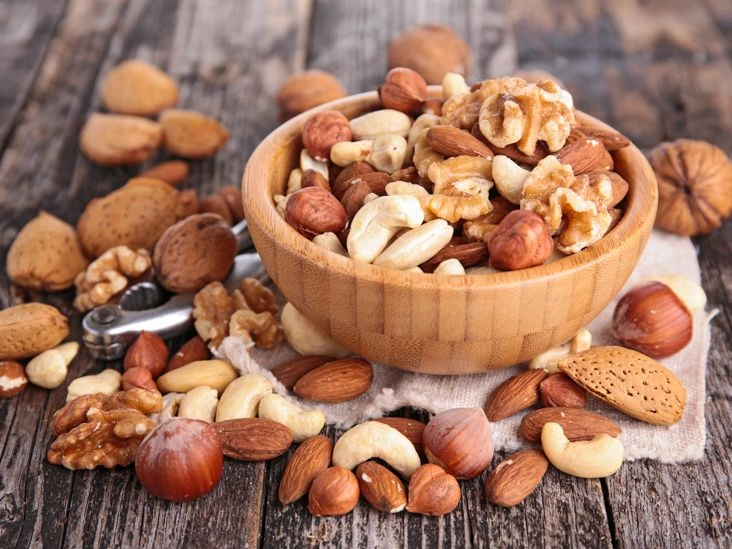
Nuts are often viewed with suspicion because they are rich in fat and calories. However, despite their energy density, they are exceptionally nutrient-dense. When consumed in moderate portions as part of a balanced eating pattern, they are unlikely to cause weight gain. In fact, evidence suggests they may even support weight management. This is especially relevant when discussing Eating nuts before bed weight loss, a topic that raises questions about nighttime snacking, metabolism, and fat storage.

Nuts are incredibly nutritious, providing healthy fats, plant-based protein, fiber, vitamins, minerals, and powerful antioxidants (1).
Research has connected regular nut intake with a variety of health benefits, including protection against heart disease and diabetes (2).
Still, because they are calorie-dense and high in fat, many people avoid nuts out of concern that they might promote weight gain—particularly when eaten in the evening.
This article reviews the scientific evidence to clarify whether nuts contribute to weight gain or whether they can be included in a weight loss plan—even at night.
Nuts Are High in Fat And Calories
Nuts are calorie-dense foods.
This is largely due to their fat content, which is a concentrated source of energy. One gram of fat supplies 9 calories, whereas one gram of carbohydrates or protein provides just 4 calories.
The majority of fat found in nuts is unsaturated fat. This type of fat has been associated with protection against various conditions, including heart disease (3).
The calorie and fat content per one-ounce (28-gram) serving of several commonly consumed nuts are listed below:
- Walnuts: 183 calories and 18 grams of fat (4)
- Brazil nuts: 184 calories and 19 grams of fat (5)
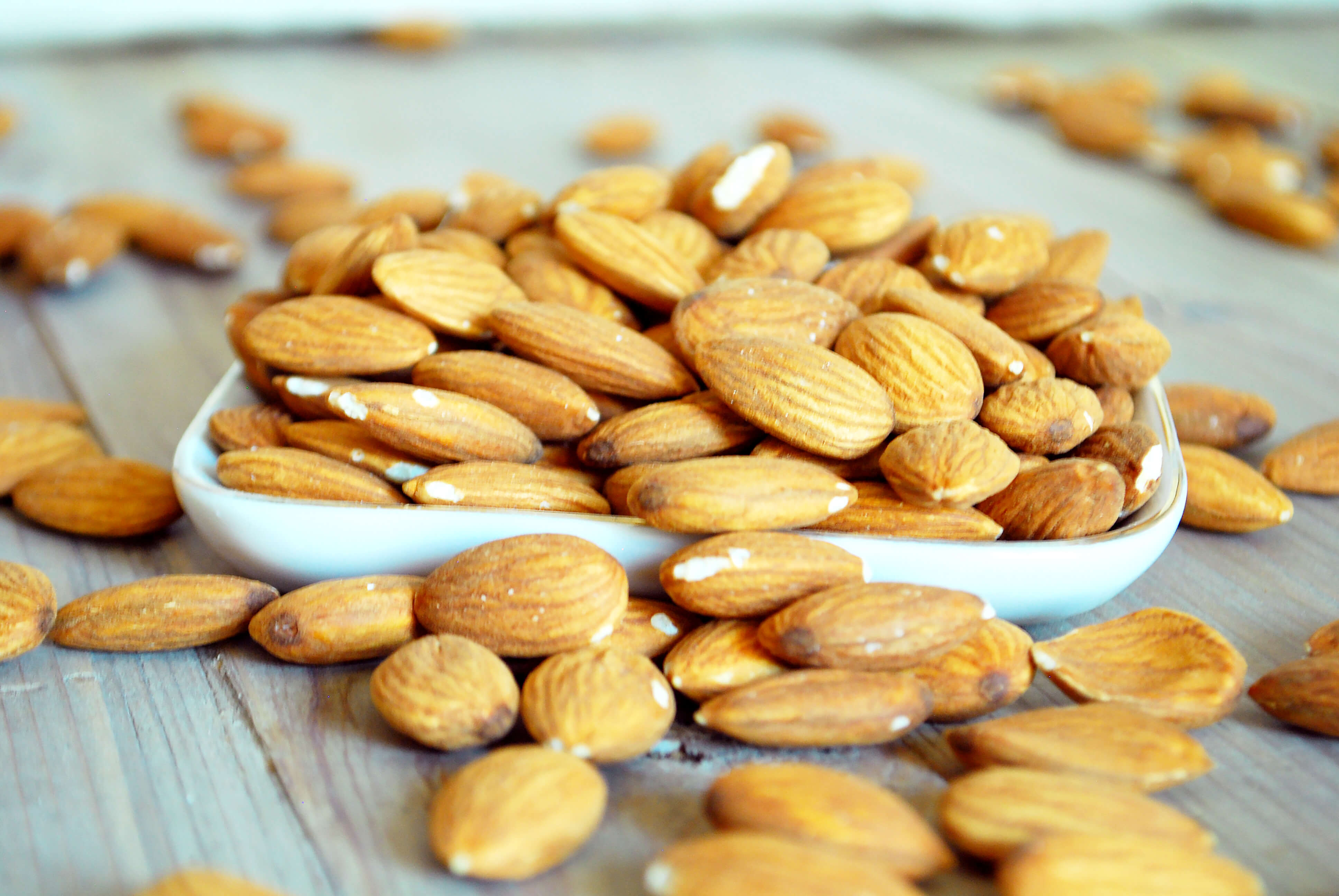
- Almonds: 161 calories and 14 grams of fat (6)
- Pistachios: 156 calories and 12 grams of fat (7)
- Cashews: 155 calories and 12 grams fat (8)
Given their fat and calorie content, it’s understandable why many assume that incorporating nuts into the diet—particularly as an evening snack—would automatically lead to weight gain.
However, as outlined below, scientific findings do not support this concern.
Summary: Nuts are calorie-dense because they are high in fat, a concentrated energy source. Even small servings contain significant amounts of fat and calories.
Regularly Eating Nuts Is Not Linked to Weight Gain
Multiple observational studies have reported that frequent nut consumption is not associated with weight gain and may even help prevent it (9, 10, 11, 12, 13).
For instance, one study followed 8,865 men and women for 28 months.
Those who consumed two or more servings of nuts weekly had a 31% lower risk of weight gain compared to individuals who rarely or never ate nuts (10).
Additionally, a review of 36 studies concluded that regular nut intake was not associated with increases in weight, body mass index (BMI), or waist circumference (14).
In controlled feeding trials where participants adhered to structured diets, adding different varieties of nuts did not result in body weight changes (15, 16).
Importantly, even in studies allowing participants to eat freely, adding nuts did not promote weight gain (17, 18).
While a small number of studies have observed slight increases in body weight (19, 20), these changes were minimal, less than predicted, and generally not significant over the long term.
This evidence is particularly relevant to those concerned about Does eating nuts before bed make you gain weight, as overall dietary patterns appear to matter more than the timing alone.
Summary: Research shows that regular nut consumption does not cause weight gain, whether individuals follow structured diets or eat freely. In some cases, nuts may help prevent weight gain.
Eating Nuts May Even Boost Weight Loss
Several large observational studies have linked higher nut intake with lower body weight (12, 13, 21, 22).
While part of this relationship may reflect overall healthier lifestyle habits among nut consumers, clinical trials demonstrate that nuts can fit well into calorie-controlled weight loss plans.
For example, a study involving 65 overweight or obese adults compared a low-calorie diet enriched with almonds to a low-calorie diet enriched with complex carbohydrates.
Both groups consumed equal amounts of calories, protein, cholesterol, and saturated fat.
After 24 weeks, participants in the almond group experienced a 62% greater reduction in weight and BMI, a 50% greater reduction in waist circumference, and a 56% greater reduction in fat mass (23).
Other calorie-restricted diets that included nuts showed comparable or greater weight loss than nut-free diets. Notably, improvements in “bad” LDL cholesterol and triglycerides were observed in the nut-consuming groups (26, 27).
This suggests that incorporating nuts—even as part of an Eating nuts before bed weight loss strategy—does not undermine fat loss and may provide additional cardiometabolic benefits.

Other calorie-restricted diets that included nuts showed comparable or greater weight loss than nut-free diets. Notably, improvements in “bad” LDL cholesterol and triglycerides were observed in the nut-consuming groups (26, 27).
Summary: Including nuts in a calorie-controlled diet can enhance weight loss and improve cholesterol levels.
Nuts Can Help Reduce Your Appetite and Increase Feelings of Fullness
Adding nuts to meals or snacks has been associated with reduced hunger and prolonged satiety (28, 29).
For example, almonds have been shown to decrease hunger and cravings when eaten as a snack (28).
In one study, more than 200 participants consumed a portion of peanuts as a snack.
As a result, they naturally reduced their calorie intake later in the day—particularly when peanuts were eaten between meals rather than during a main meal (30).
This appetite-regulating effect may be linked to increased production of peptide YY (PYY) and cholecystokinin (CCK), hormones involved in appetite control (31).
The combination of plant protein, fiber, and unsaturated fats likely contributes to these effects (31, 32).
Studies estimate that 54–104% of the additional calories from nuts are offset by spontaneous reductions in other food intake (18, 19).
For individuals considering nighttime snacking, understanding Are nuts hard to digest at night can also help address concerns about digestion and sleep comfort.
Summary: Nuts may reduce hunger and increase fullness, which can naturally decrease overall calorie intake.
Only Some of The Fat Is Absorbed During Digestion
The physical structure of nuts and their fiber content mean that unless they are thoroughly chewed or ground, some portions pass through the digestive tract intact.
Consequently, a fraction of the fat is not absorbed and is excreted in feces.
Research indicates that fat loss in feces increases by 5% to over 20% after nut consumption (33, 34, 35, 36).
For example, one study showed that fat excretion was higher after consuming whole peanuts (17.8%) compared with peanut butter (7%) or peanut oil (4.5%) (35).
Roasting may enhance nutrient absorption (37), meaning whole nuts likely result in the lowest fat absorption.
Summary: A portion of nut fat is not fully absorbed and is eliminated in feces, which may help explain why nuts do not promote weight gain as expected.
Nuts May Boost Fat and Calorie Burning
Some evidence suggests that eating nuts may increase resting energy expenditure (17, 18).
In one study, participants burned 28% more calories after consuming a walnut-containing meal compared to a meal containing fat from dairy sources (38).
Another trial found that supplementation with peanut oil for eight weeks increased calorie burning by 5% in overweight individuals (39).
Additionally, some research indicates increased fat oxidation among overweight and obese individuals who consume nuts (40).
Although findings are mixed and further high-quality studies are needed, these results suggest that nuts may modestly support metabolic rate.
Summary: Certain studies indicate that nut consumption may enhance calorie burning and fat oxidation, particularly in overweight or obese individuals.
The Bottom Line
Despite their high fat and calorie content, nuts are exceptionally nutritious.
Regular nut intake as part of a healthy dietary pattern is not linked to weight gain and may even assist with weight loss.
For those exploring Eating nuts before bed weight loss, the evidence indicates that portion size and overall calorie balance are more important than timing alone.
Practicing portion control is essential. Public health recommendations suggest consuming a one-ounce (28-gram) serving of nuts on most days.
Choose plain, unsalted varieties for optimal health benefits, and incorporate them thoughtfully into a balanced diet.






















Leave a Reply
You must be logged in to post a comment.