

An enlarged uterus can result from pregnancy, fibroids, adenomyosis, or certain malignancies. Management may involve rest, medications, or surgical procedures.
The typical uterus, often called the womb, measures roughly 3 to 4 inches long and about 2.5 inches wide, resembling an inverted pear. Several medical issues can lead to uterine enlargement, most commonly pregnancy or uterine fibroids.
As the uterus grows, you might sense pressure or heaviness in the lower abdomen or observe a noticeable abdominal bulge. Some people, however, experience no clear symptoms.
Continue reading to explore the reasons behind an enlarged uterus, its signs, and available treatments.

Causes and symptoms
A variety of frequent conditions can cause the uterus to expand beyond its usual size.
Pregnancy
In nonpregnant individuals, the uterus typically rests within the pelvis. During pregnancy, the developing fetus causes the uterus to grow dramatically — roughly 1,000-fold — progressing from the size of a closed fist to that of a watermelon or larger by delivery.
Fibroids
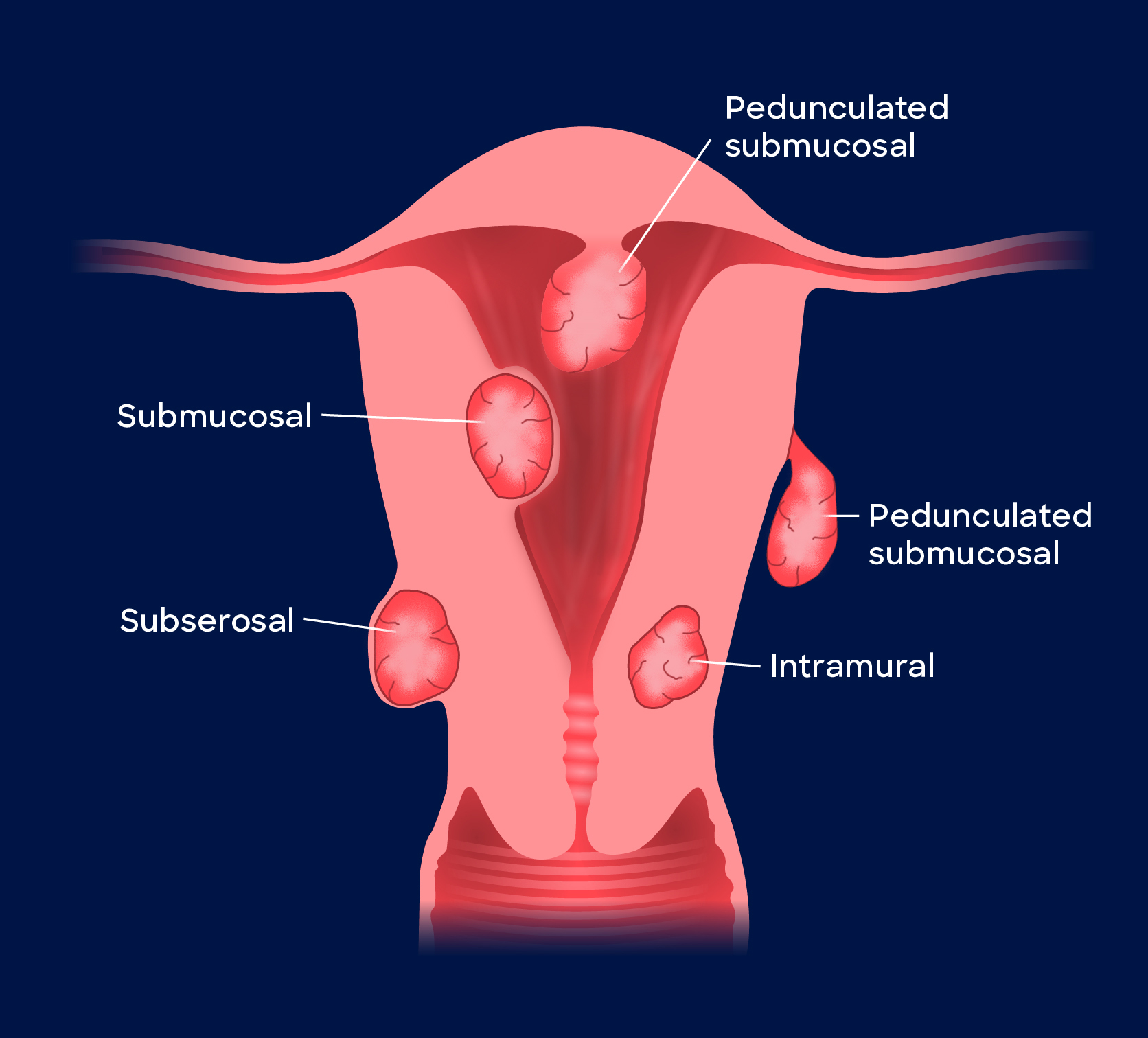
Fibroids are benign tumors that can form inside, on, or outside the uterine wall. Their exact cause is unclear, though hormonal influences and heredity likely play roles. The Office on Women’s Health at the U.S. Department of Health and Human Services estimates that as many as 80 percent of women will develop fibroids by age 50.
Although fibroids are seldom malignant, they can lead to:
- very heavy menstrual bleeding
- painful periods
- discomfort during intercourse
- lower back pain
Some fibroids remain small and asymptomatic.
Others can become enormous, weighing several pounds and expanding the uterus so much that a person appears months pregnant. For instance, a case report from 2016 described a woman whose fibroid-laden uterus weighed 6 pounds. By comparison, an average uterus is about 6 ounces — roughly the mass of a hockey puck.
Adenomyosis
Adenomyosis occurs when the endometrial tissue (the uterine lining) infiltrates the muscular wall of the uterus. The precise trigger is unknown, but adenomyosis is associated with estrogen levels.
Many people notice symptom relief after menopause, when estrogen production declines and menstruation stops. Symptoms often mirror those of fibroids and may include:
- heavy menstrual bleeding
- severe cramping
- pain during sexual activity
Tenderness and swelling in the lower abdomen may also be present. Adenomyosis can enlarge the uterus to two or three times its normal size.

Reproductive cancers
Tumors arising from the uterus, endometrium, or cervix can enlarge the uterus depending on their size.
Other warning signs may include:
- abnormal vaginal bleeding, such as bleeding unrelated to regular menstrual cycles
- pain during intercourse
- pelvic discomfort
- pain with urination or a sensation of incomplete bladder emptying
Diagnosis and treatment
An enlarged uterus is often discovered incidentally. For example, your clinician might detect uterine enlargement during a routine pelvic exam as part of a well-woman visit. It may also be noticed when evaluating other complaints, such as irregular menstrual bleeding.
If pregnancy is the cause, the uterus will progressively shrink after childbirth. Within one week postpartum, the uterus typically reduces to about half its immediate postdelivery size, and by four weeks it usually returns near its pre-pregnancy dimensions.
Other causes of uterine enlargement often require medical attention.
Fibroids
Fibroids large enough to expand the uterus typically call for treatment.
Your provider might recommend hormonal therapies, such as combination estrogen-progestin birth control pills or a progestin-only device like a hormonal IUD. Hormonal treatments can slow fibroid growth and reduce menstrual bleeding.
Another option, uterine artery embolization, involves threading a thin catheter into the pelvic arteries and injecting tiny particles to block blood flow to the fibroids. Deprived of blood, the fibroids shrink and eventually die.
Some patients will need surgery. Removing fibroids is called a myomectomy and can be performed laparoscopically or via an open procedure, depending on their size and location. A laparoscope is a slender instrument with a camera inserted through a small incision to guide the surgery.
Complete removal of the uterus, a hysterectomy, may be recommended in some cases. Fibroids are the leading reason for hysterectomies. These are typically offered to people with severe symptoms, those who do not desire future fertility, or those approaching or past menopause.
A hysterectomy can be performed laparoscopically, even for very large uterine sizes.
Adenomyosis
Nonsteroidal anti-inflammatory drugs (NSAIDs) like ibuprofen (Advil, Motrin) and hormonal contraceptives such as the birth control pill can alleviate pain and reduce heavy bleeding linked to adenomyosis. These treatments typically do not reduce uterine enlargement. In severe or refractory cases, a hysterectomy may be suggested.
Reproductive cancers
Treatment for cancers of the uterus or endometrium usually includes surgery, radiation therapy, chemotherapy, or a combination of these modalities.
Complications
An enlarged uterus itself does not always cause complications, but the underlying conditions can. For instance, beyond pain and discomfort from fibroids, these growths can impair fertility and complicate pregnancy and delivery.
A study in Obstetrics and Gynecology Clinics of North America found fibroids in up to 10 percent of women evaluated for infertility. Furthermore, up to 40 percent of pregnant people with fibroids may face pregnancy-related complications, including a higher likelihood of cesarean delivery, preterm labor, or significant postpartum bleeding.
Outlook
Many causes of uterine enlargement are not life-threatening, though they can be bothersome and warrant evaluation. Consult your gynecologist if you experience abnormal, heavy, or prolonged:
- vaginal bleeding
- cramps
- pelvic pain
- sensation of fullness or bloating in the lower abdomen
Also contact your provider if you have a frequent urge to urinate or pain during sex. Effective treatments are available, especially when conditions are diagnosed early.






















Leave a Reply
You must be logged in to post a comment.