
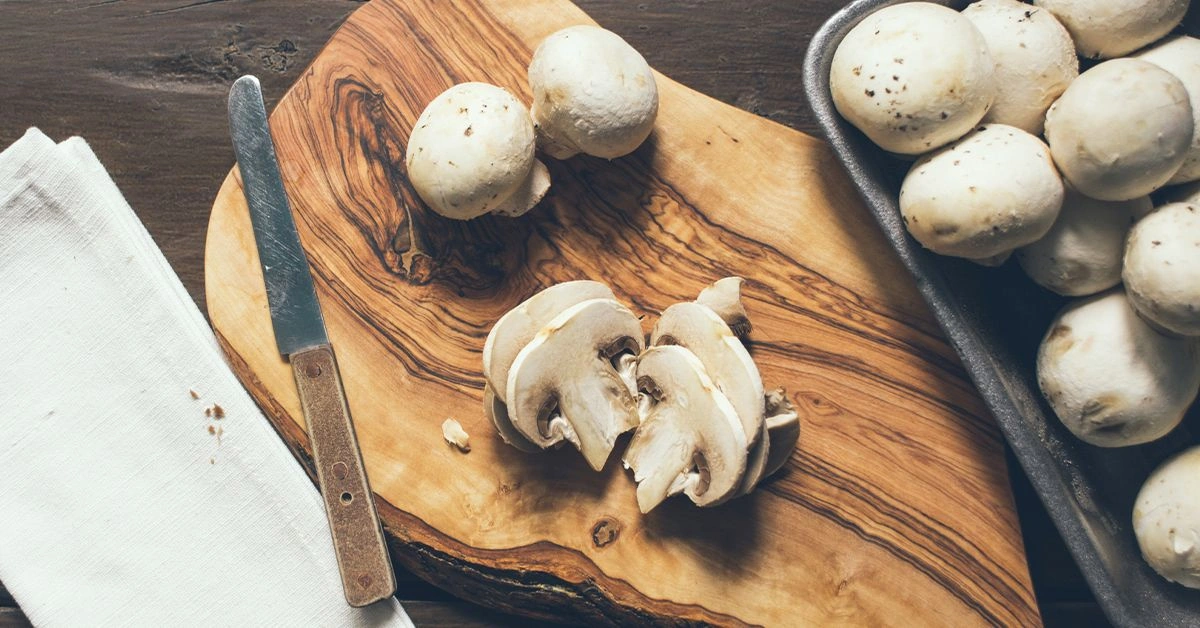
White mushrooms are the most widely farmed mushroom variety worldwide (1).
Besides being very low in calories, they deliver numerous health-supporting effects, including benefits for heart health and potential cancer-protective actions.
This piece covers everything you should know about white mushrooms, from potential advantages to tasty ways to consume them.
What are white mushrooms?
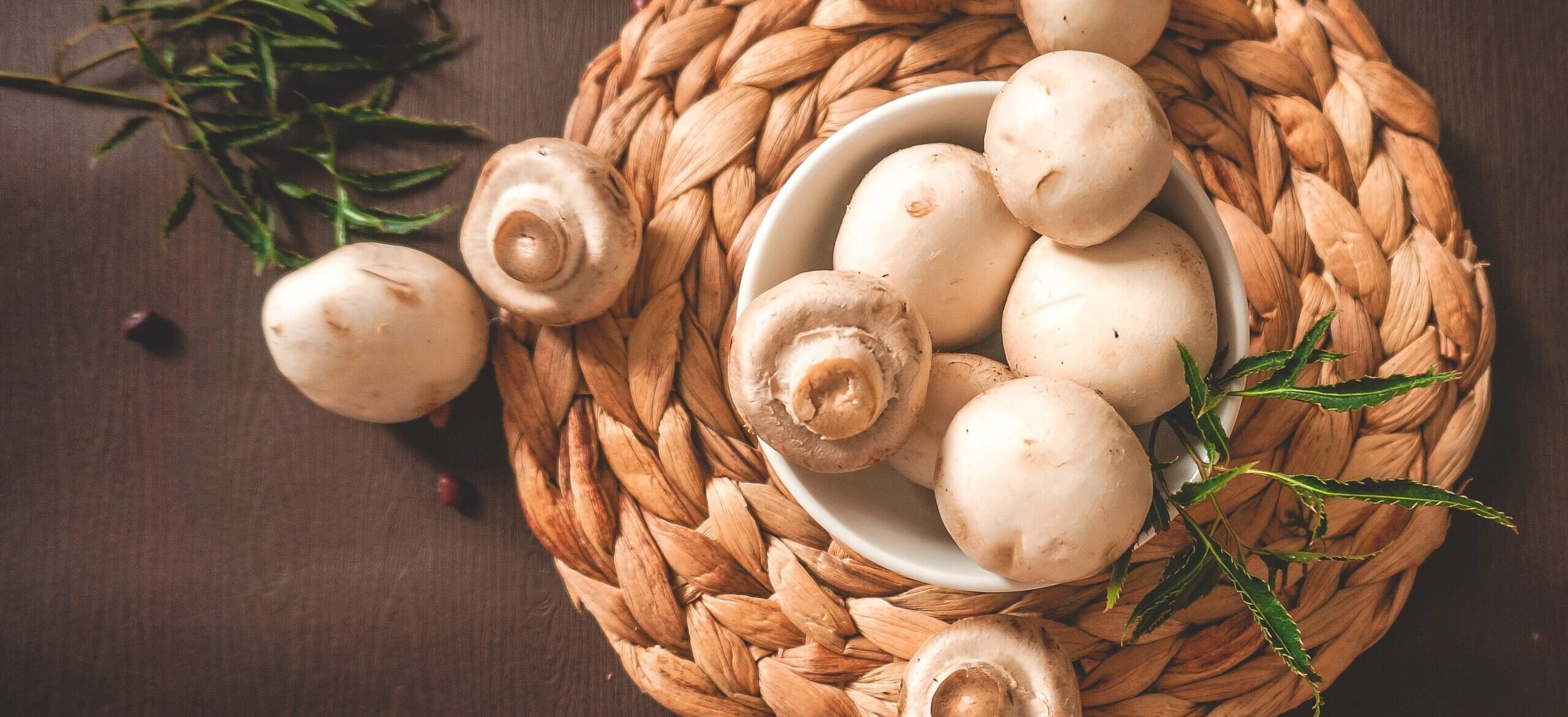
White mushrooms (Agaricus bisporus) are members of the Fungi kingdom and make up roughly 90% of mushrooms eaten in the United States (2).
Agaricus bisporus can be picked at various growth stages. When young and light-colored they’re called white or button mushrooms; when slightly brown they’re referred to as crimini.
At full maturity they’re called portobello mushrooms — larger and darker in color.
White mushrooms are also termed table, common, button, or champignon mushrooms. They have a short stalk, smooth cap, and a gentle flavor that complements many recipes.
They grow in composted substrates alongside many species of fungi and bacteria, which are important for breaking down raw materials before mushrooms develop (3, 4).
You can buy them fresh, frozen, canned, dried, or in powdered form.
Summary: White mushrooms are extremely common in the United States and elsewhere. They have a mild taste and smooth cap, and are available fresh, frozen, canned, dried, or powdered.
Nutritional profile
Like many fungi, white mushrooms are low in calories yet rich in several nutrients.
One cup (96 grams) of whole white mushrooms contains (5):
- Calories: 21
- Carbs: 3 grams
- Fiber: 1 gram
- Protein: 3 grams
- Fat: 0 grams
- Vitamin D: 33% of the Daily Value (DV)
- Selenium: 16% of the DV
- Phosphorus: 12% of the DV
- Folate: 4% of the DV
Because they can be exposed to UV light or sunshine, mushrooms provide a non-animal source of vitamin D2 that can raise blood vitamin D levels comparably to supplements — white mushrooms included (6, 7).
Your body converts vitamin D2 into the active vitamin D form needed to absorb calcium and support bone health.
Insufficient vitamin D can contribute to osteoporosis, defects in bone mineralization, and muscle weakness, increasing the risk of falls and fractures (8).
Research also indicates white mushrooms may supply some vitamin B12. Since this nutrient is typically sourced from animal foods, this could be helpful for people on plant-based diets (9, 10).
Moreover, they have more protein than many vegetables, which may help those on vegetarian or vegan diets boost their protein intake (11, 12).
Summary: White mushrooms are low in calories and sugar, yet relatively high in protein and vitamin D, and they may provide some vitamin B12 — making them a useful food for plant-based eaters.
Benefits of eating white mushrooms
People commonly consume white mushrooms not only for their nutrient content but also for several reported health-promoting properties.
They may help fight cancer
Several antioxidant constituents — such as polyphenols, polysaccharides, ergothioneine, glutathione, selenium, and vitamin C — are thought to contribute to mushrooms’ potential anticancer effects (13).
These antioxidants counteract oxidative stress, which causes cellular damage that can accelerate aging and raise the risk of cardiovascular disease and certain cancers (14).
The principal phenolic constituents in white mushrooms include flavonoids and phenolic acids, which may function as antioxidants or pro-oxidants.
As antioxidants, they support cell viability; as pro-oxidants, they can promote cell death to help prevent tumor progression (15).
Polysaccharides — another major bioactive group in white mushrooms — may also exert notable anticancer effects.
Beta glucan, a specific polysaccharide, activates the immune system by stimulating macrophages and natural killer cells that defend the body from infections, harmful agents, and diseases including cancer (15, 16, 17, 18, 19).
White mushrooms also contain substantial amounts of glutathione and ergothioneine.
Glutathione works as both an antioxidant and a detoxifier, helping remove potentially harmful foreign compounds. Ergothioneine helps protect DNA from oxidative harm (15, 20, 21, 22).
Additionally, vitamin C and selenium may support anti-cancer defenses by boosting immune cell production, including natural killer cells that can help prevent cancer formation (23, 24).
Vitamin C may also inhibit certain enzymes, limiting cancer spread (24).
Although findings are promising, most research has examined isolated compounds from white mushrooms rather than the impacts of consuming whole white mushrooms on cancer outcomes, so more studies are required.
May support heart health
Oxidative stress, inflammation, and elevated cholesterol and triglycerides are closely tied to cardiovascular disease, and compounds in white mushrooms — such as ergothioneine and beta glucan — might help lower this risk.
Beta glucan is a soluble fiber that can reduce blood cholesterol by forming a gel-like matrix during digestion that traps triglycerides and cholesterol, hindering their absorption (25, 26).
Research also suggests ergothioneine may help lower post-meal triglyceride levels.
In a small study of 10 men, consuming 2 teaspoons (8 grams) or 1 tablespoon (16 grams) of mushroom powder with a meal significantly lowered blood triglyceride levels versus a control (14, 27).
Investigators credited this effect to the powder’s ergothioneine content.
Ergothioneine may also help prevent the formation of arterial plaques, a risk factor for cardiovascular disease that can contribute to hypertension and stroke (28, 29).
Other potential benefits
White mushrooms may offer additional health advantages, such as:
- Blood sugar regulation. Their polysaccharides may help lower blood glucose and improve insulin sensitivity (30, 31, 32).
- Enhanced gut health. The polysaccharides also act as prebiotics, feeding beneficial gut bacteria and supporting intestinal health (33, 34, 35).
Summary: White mushrooms contain several bioactive substances that could help guard against cancer and heart disease, and may improve blood glucose control and gut health.
How are white mushrooms used?
White mushrooms are available in many formats, including fresh, frozen, canned, dried, and powdered.
Fresh mushrooms last only 3–4 days, so freezing, canning, and drying are common approaches to prolonging shelf life while retaining nutritional value (36).
You can eat fresh and dried mushrooms either raw or cooked. Dried mushrooms can be rehydrated by soaking in water if you prefer.
Frozen and canned mushrooms are best cooked before eating, since processing can change their texture.
Powdered white mushrooms are primarily used to boost the nutritional profile of foods, often to raise protein levels in baked goods (37).
Summary: White mushrooms can be enjoyed fresh, dried, canned, frozen, or as a powder.
How to add them to your diet
With their mild taste and tender texture, white mushrooms are easy to incorporate into many meals.
Both caps and stems are edible, and they can be eaten cooked or raw.
Here are some ideas for including them in your meals:
- Thinly slice and toss them raw into salads.
- Sauté in olive oil with garlic, rosemary, salt, and pepper for a simple cooked side.
- Add to stir-fries with other veggies and your favorite protein.
- Mix into scrambled eggs or use as an omelet filling for a nutritious breakfast.
- Roast at 350°F (176°C) with rosemary and thyme for a crunchy snack.
- Sauté with carrots, leeks, garlic, and onions, then simmer in water to make a flavorful mushroom broth.
You can also use powdered mushroom to fortify baked goods.
Summary: Both caps and stems of white mushrooms are edible and can be enjoyed in breakfasts, snacks, main dishes, and even baked treats.
The bottom line
White mushrooms contain a variety of bioactive compounds that may provide health advantages, including potential anticancer activity, cholesterol-lowering effects, and benefits for gut health.
They’re very low in calories and offer a decent amount of protein.
Easily added to most meals, they let you enjoy flavorful dishes while gaining their nutritional perks.























Leave a Reply
You must be logged in to post a comment.