

- GLP-1 medications like Ozempic and Wegovy are intended for long-term use. However, some individuals discontinue them due to side effects, financial concerns, or limited availability.
- Evidence shows that weight regain frequently occurs after stopping treatment.
- Specialists advise continuing these medications long-term when possible. Still, they offer strategies to help lower the risk of regaining weight if treatment is discontinued.
GLP-1 medications such as Ozempic and Mounjaro (approved for treating type 2 diabetes but sometimes prescribed off-label for weight loss), along with Wegovy and Zepbound (approved for overweight and obesity), have gained widespread attention for their effectiveness in supporting weight reduction.

Although many individuals experience meaningful weight loss while using these medications, a significant portion notice rapid weight regain once they stop — a pattern often referred to as Ozempic rebound. For those wondering How to not gain weight after stopping Ozempic, understanding why this happens is the first step toward prevention.

A clinical trial published in 2022 found that participants regained two-thirds of the weight they had lost within one year after discontinuing 2.4 mg of semaglutide (the highest Wegovy dose).
“Anti-obesity medications like Wegovy are designed for long-term management, not short-term weight loss. Obesity is a chronic disease that requires lifelong treatment,” explains Dr. Katherine H. Saunders, MD, DABOM, co-founder of Intellihealth and physician at Weill Cornell Medicine.
Still, patients may choose — or need — to stop these medications for various reasons.
“Cost plays a major role,” says Dr. Mir Ali, MD, bariatric surgeon and medical director of MemorialCare Surgical Weight Loss Center at Orange Coast Medical Center in California. “Even with insurance coverage, out-of-pocket expenses can be high. Additionally, supply shortages have been common. Some individuals also stop once they reach their goal weight.”
So, is weight gain unavoidable after discontinuing a GLP-1 medication?
According to experts, while weight regain is common, it is not entirely inevitable. There are practical, evidence-based strategies that can help reduce the likelihood of regaining weight and support long-term metabolic health.
Why people regain weight after stopping drugs like Ozempic
Today, obesity is recognized as a chronic medical condition, similar to diabetes or hypertension.
“Because of that, it should be managed as a chronic disease, meaning patients often need ongoing therapy,” Ali explains.
For example, discontinuing insulin may cause a rise in A1C levels, and stopping beta blockers can elevate blood pressure. The same principle applies to GLP-1 medications.
Importantly, there is no definitive “cure” for obesity.
“These medications are treatments, not cures,” notes Dr. Daniel B. Maselli, MD, ABOM, bariatric endoscopist and obesity medicine physician at True You Weight Loss in Georgia.
GLP-1 medications like Ozempic work by influencing the body’s biochemistry.
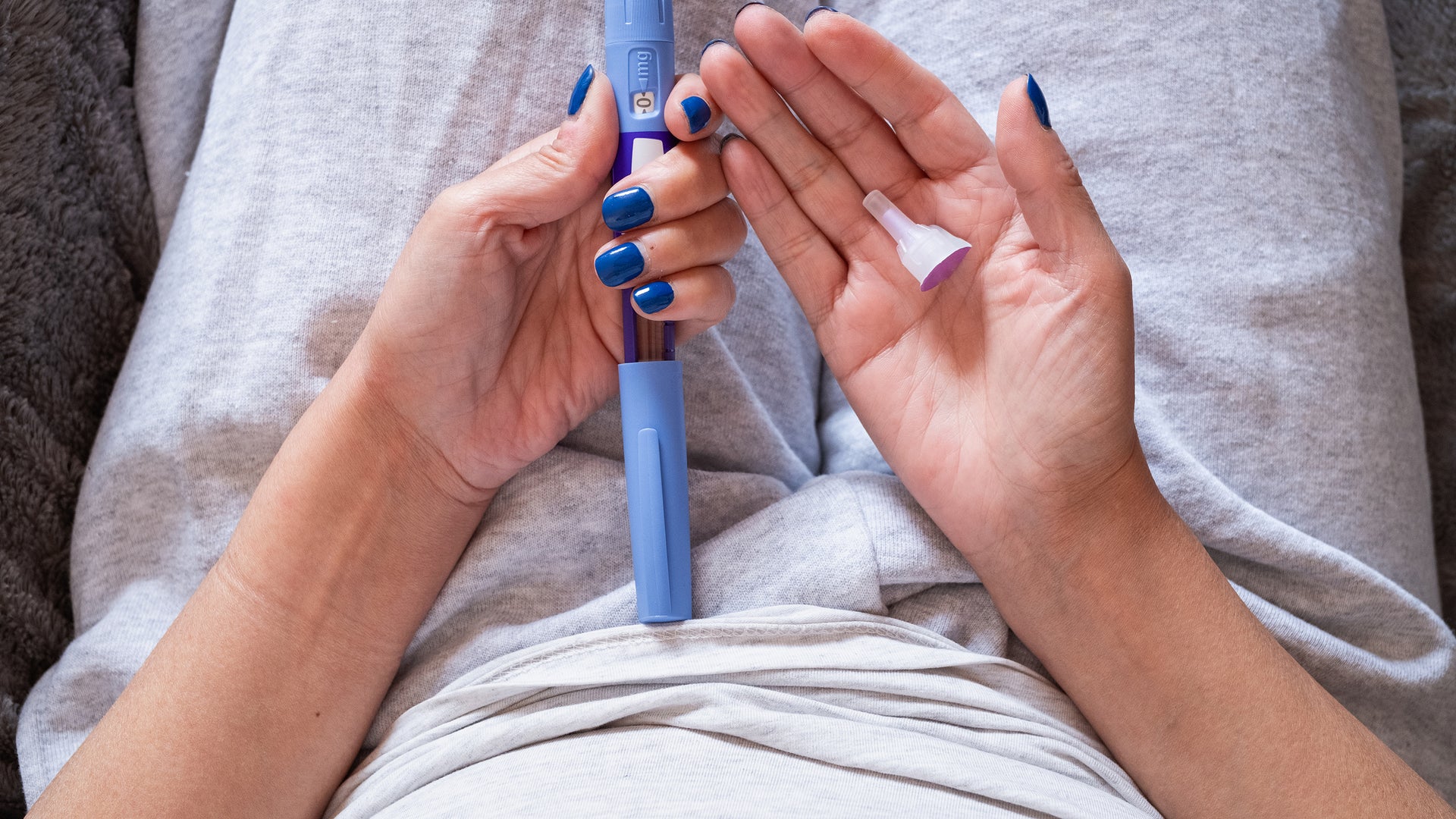
“They bind to and activate receptors — GLP-1 receptors in the case of semaglutide,” Maselli explains. “This activation triggers pathways involved in appetite regulation, insulin sensitivity, and metabolism, contributing to weight reduction and improved metabolic health.”
Ali adds that these drugs also slow gastric emptying, helping individuals feel full longer and naturally consume fewer calories.
However, the underlying biological pathways that promote weight gain do not disappear.
“GLP-1 medications can dampen obesity-promoting pathways or enhance obesity-fighting ones, but those pathways still exist,” Maselli says. “Once the medication is removed, the body may revert to a trajectory of weight increase.”
Without the medication’s appetite-suppressing and metabolic effects, individuals may gradually return to previous eating patterns and calorie intake. Some people also experience increased hunger, cravings, or other Side effects of Ozempic after stopping, which can make weight maintenance more challenging.
Maselli emphasizes that this pattern is not unique to GLP-1 drugs. “We see similar effects when stopping medications for high blood pressure, asthma, or inflammatory bowel disease,” he says.
How to reduce your risk of weight gain after stopping drugs like Ozempic
Although these medications are intended for long-term use, not everyone can continue them indefinitely. Concerns about side effects, cost, or access may lead some individuals to discontinue treatment. Others may consider Stopping and restarting Ozempic for weight loss under medical supervision.
It’s also important to remember that even in clinical trials, weight loss occurred alongside lifestyle changes such as improved nutrition and increased physical activity.
If you’re exploring How to not gain weight after stopping Ozempic, the following expert-backed strategies can support long-term weight maintenance and metabolic stability.
Seek support
Even if your healthcare provider advises against discontinuing the medication, they remain a valuable resource. Open communication can help you anticipate challenges and create a transition plan.
“Anyone who has achieved significant weight loss will encounter obstacles,” Saunders says. While she considers stopping anti-obesity medication a major hurdle, she notes that life transitions and new medications can also complicate maintenance.
“Patients who do best are those who contact their care team early when issues arise,” Saunders adds.
If possible, consider working with a weight-inclusive registered dietitian.
“A strong support system can help you manage the emotional and psychological aspects of weight fluctuations while promoting sustainable habits without returning to restrictive dieting,” says Cara Harbstreet, MS RD LD of Street Smart Nutrition.
Eat mindfully
Maselli explains that no dietary pattern can fully replicate the biochemical effects of Ozempic or Wegovy. However, certain foods can enhance satiety and help control calorie intake.
“Fiber and protein take longer to move through the digestive system — similar to the delayed stomach emptying seen with GLP-1 medications — making them more filling,” he says.
Harbstreet agrees and highlights the importance of balanced meal timing.
“Because protein promotes satiety, distribute your intake evenly throughout the day,” she advises. “Avoid consuming minimal protein during the day and then eating a large amount at dinner.”
Legumes such as beans provide both fiber and protein. Whole grains and leafy greens are rich in fiber, while foods like avocado offer healthy fats that can extend feelings of fullness. Staying hydrated and eating slowly can further support appetite awareness and portion control.
Exercise regularly
Routine physical activity remains essential for cardiovascular health and weight maintenance, regardless of medication use.
“Exercise improves cardiovascular fitness, increases calorie expenditure, and supports muscle growth,” Ali says. “It’s important to choose activities you enjoy and can sustain.”
He recommends aiming for at least 30 minutes of activity per day, five days per week, gradually building up as needed.
“Starting at a comfortable pace and progressing steadily is completely acceptable,” Ali notes. Strength training may be particularly beneficial, as preserving lean muscle mass can help maintain metabolic rate after weight loss.
Seek out another type of therapy
Anti-obesity medications are only one treatment option.
“As with any chronic condition, if one therapy isn’t feasible due to cost, access, side effects, or lack of effectiveness, exploring alternative treatments is reasonable,” Maselli says.
Options may include endoscopic bariatric therapies such as endoscopic sleeve gastroplasty, a same-day outpatient procedure that does not require long-term medication use.
Treat other underlying conditions
Obesity and overweight are associated with more than 200 conditions, including hypertension and type 2 diabetes, Maselli explains.
Individuals taking medications like Wegovy may have one or more of these conditions, making continued management essential after discontinuation.
“If left untreated, these conditions can lower energy levels and reduce tolerance for physical activity,” Maselli says. “Regular medical follow-up and appropriate treatment are critical.”
He also advises reviewing other medications with your healthcare provider, as weight gain is a common side effect of many drugs.
“In many cases, weight-neutral alternatives are available,” Maselli adds.
Set realistic expectations
Harbstreet emphasizes the importance of realistic outlooks. Even with careful planning, some weight regain may occur.
“It may be difficult to accept, but weight regain is highly likely,” she says. “Weight cycling can negatively impact metabolic health, body image, and self-esteem. Avoid jumping into fad diets or severe restriction, as this raises the risk of disordered eating or an eating disorder.”
Instead, focus on consistent, sustainable behaviors that support long-term health rather than rapid weight changes.
Takeaway
Weight regain commonly occurs after stopping GLP-1 medications, and emerging survey data suggest that individuals who discontinue anti-obesity treatment may increase their calorie intake.
GLP-1 drugs alter biochemistry by enhancing satiety and slowing digestion, but they do not cure obesity.
Once the medication is stopped, these physiological effects diminish, and previous appetite patterns may return.
For those researching How to not gain weight after stopping Ozempic, a combination of medical guidance, nutrition strategies, physical activity, and ongoing support can reduce — though not entirely eliminate — the risk of weight regain. Ultimately, experts agree that long-term use offers the strongest protection against rebound weight gain when it is safe and accessible for the patient.














Leave a Reply
You must be logged in to post a comment.