
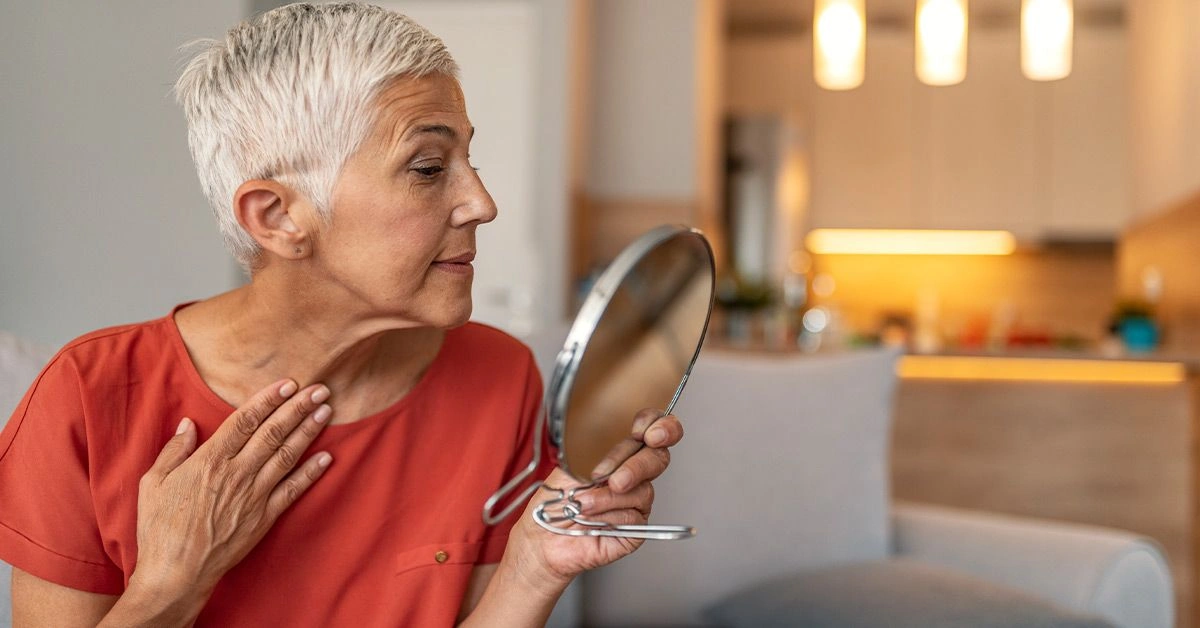
A decline in estrogen during menopause can reduce your skin’s collagen and natural oils, which may lead to itching. Both at-home measures and medical options can help relieve the discomfort.
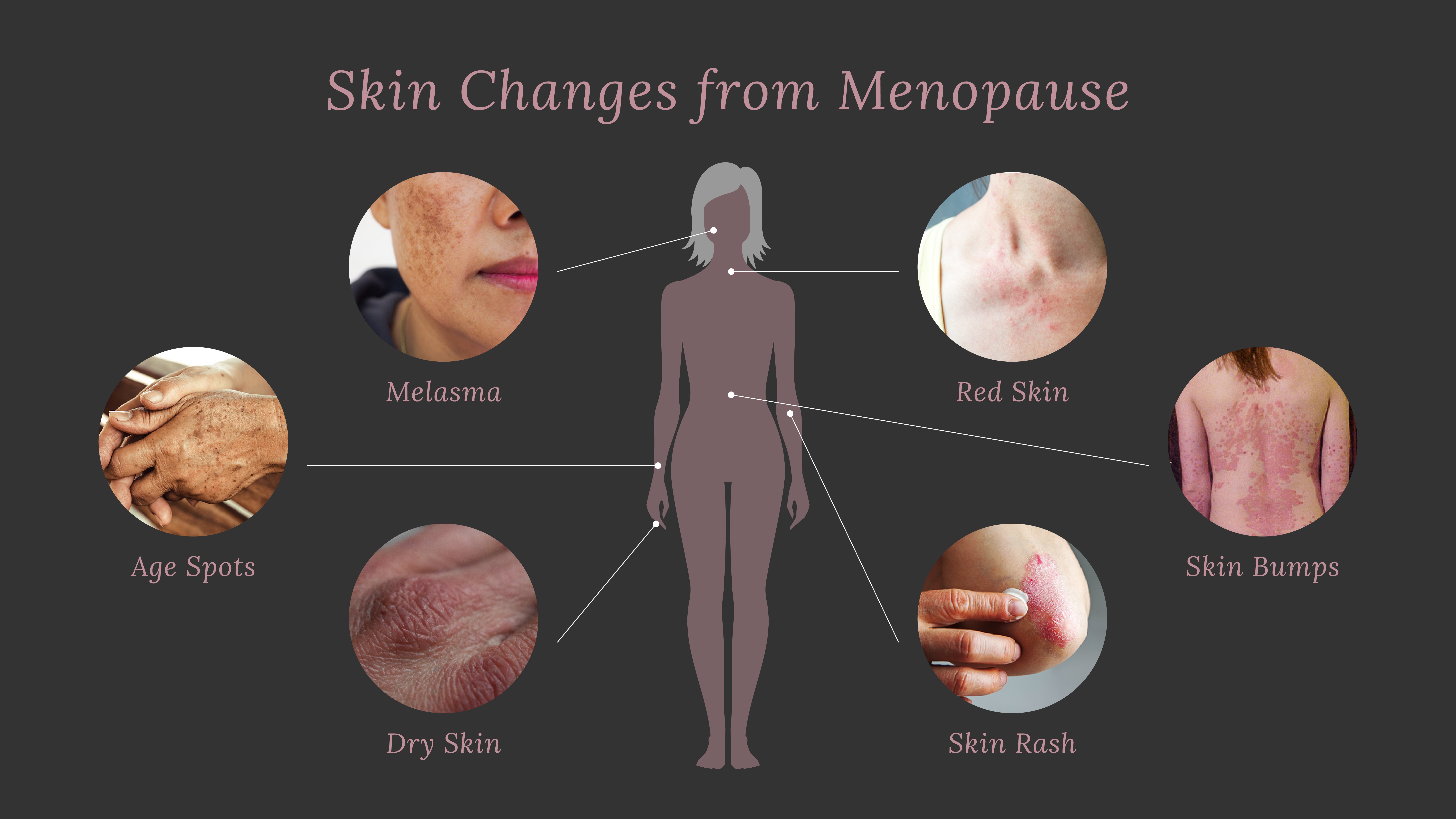
The hormonal shifts of menopause bring many familiar physical symptoms, including hot flashes, mood swings, vaginal dryness, and night sweats.
Some individuals may also notice skin changes such as itchiness. Medically called “pruritus,” itchy skin can appear in perimenopause (the transition phase) and persist into the period after menopause.
Why does menopause cause itching?
Dry, itchy skin is often cited as the most frequent dermatologic complaint among those going through menopause.
Menopause involves a drop in estrogen. Estrogen supports collagen formation — a key structural component of skin — and stimulates production of natural oils that keep skin hydrated. When collagen and oils diminish, skin can become thinner and prone to itchiness.
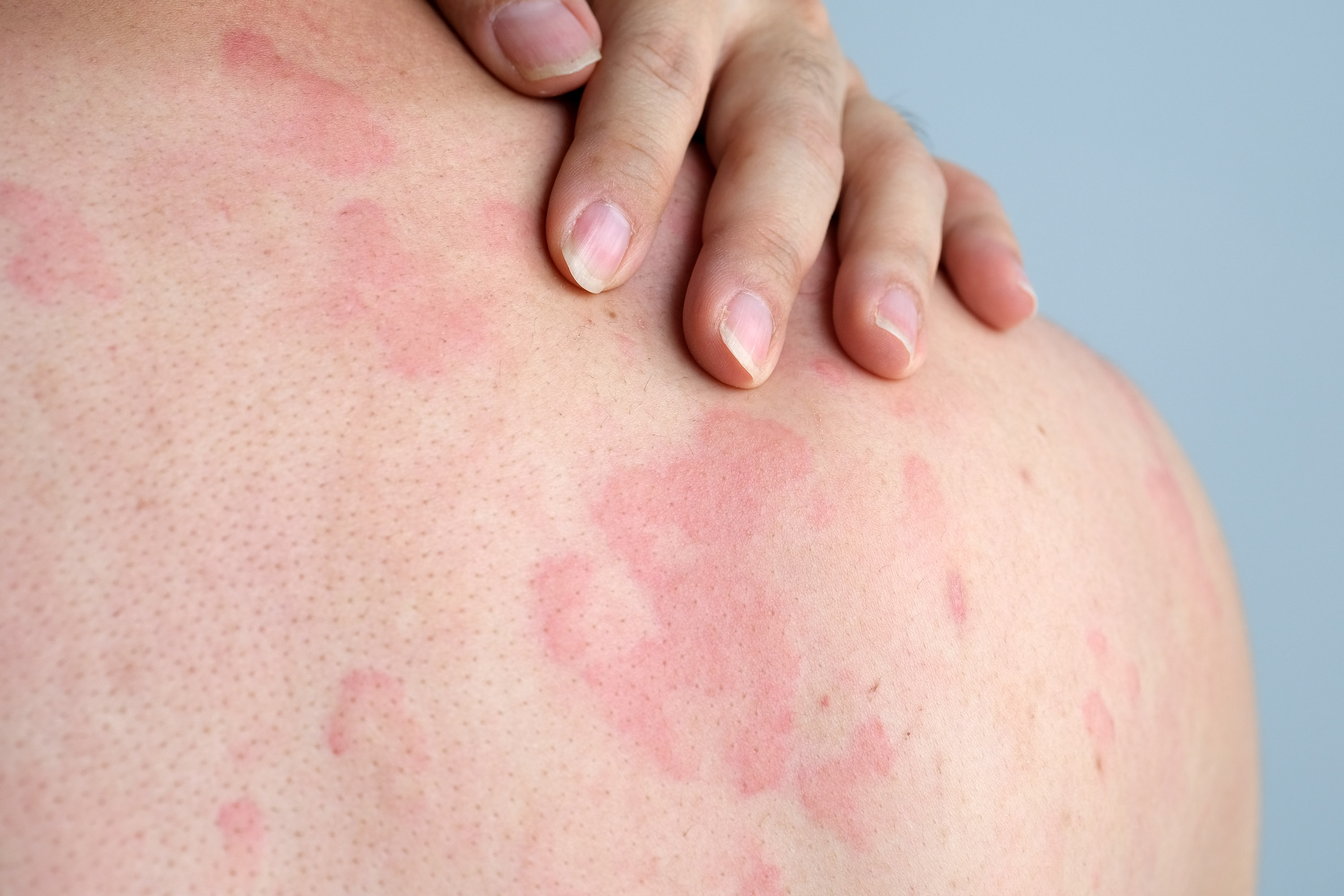
Itching may grow more noticeable as menopause advances because sebum production — the oily secretion that keeps skin moist — falls.
Itchy skin can affect any area, but it’s more commonly found on the:
- face
- arms and legs
- neck
- chest
- back
You might also notice irritation on the elbows and within the facial T-zone.
Additional skin changes in menopause
During menopause you may experience other skin alterations, including:
- acne
- rashes
- rosacea
- dark spots or uneven pigmentation
- wrinkles
- paresthesia (tingling)
- formication (sensation of insects crawling)
When to see a doctor for menopausal itching
If itching lasts for 3 days or more or is severe, consider consulting a healthcare provider. They’ll likely ask how long your symptoms have been present and which regions are affected.
A clinician may run investigations to exclude other contributors to itching. These could include:
- blood work
- tests of thyroid, liver, and kidney function
- chest X-ray
Home remedies for itchy skin during menopause
Specialists advise the following self-care approaches to ease itching linked to menopause:
- Moisturizers: A good-quality moisturizer helps trap water in the skin’s outer layer, reducing dryness and itch. Choose formulas with gentle, low-pH emollients such as lactic acid, urea, or glycerin to align with the skin’s acidity, per expert guidance (source).
- Oatmeal baths: Colloidal oatmeal added to a warm bath and soaking for at least 10 minutes can calm and soothe itchy skin. Colloidal oatmeal is also commonly included in natural bath and skincare products.
- Shorter baths: Although it seems odd, long baths or showers can strip skin oils and worsen itch. The American Academy of Dermatology suggests limiting showers and baths to about 5 to 10 minutes.
- Gentle cleansers: Some soaps contain harsh chemicals that irritate sensitive skin. Opt for mild soaps or those with plant-based oils like aloe vera or cocoa butter.
- Humidifiers: Using a humidifier raises indoor moisture, which can make skin feel less dry and reduce itchiness.
Medical options for menopause-related itching
If self-care doesn’t sufficiently control itching, a clinician might recommend:
- Over-the-counter anti-itch creams: OTC hydrocortisone creams (typically 1%) can help soothe inflamed, itchy skin and are widely available.
- Prescription corticosteroids: For more severe inflammation, a doctor may prescribe a topical corticosteroid in forms such as creams, gels, lotions, or sprays.
- Menopausal hormone therapy (MHT): Formerly called HRT, MHT can relieve many menopausal symptoms, including itching. A 2017 review suggests MHT can be useful for people in perimenopause with intermittent itching, though you should weigh benefits versus risks and side effects.
How to reduce your risk of itchy skin
There are measures you can take to help prevent or lessen the likelihood of itchiness during menopause:
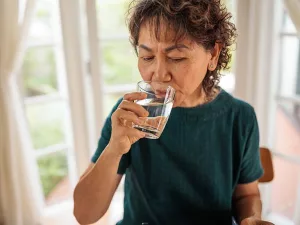
- Eat a healthy diet: A balanced diet rich in whole foods supports skin health. Staying well-hydrated is also key to maintaining supple skin. Certain supplements may offer skin benefits.
- Avoid hot showers: Very hot water removes natural oils from the skin. Bathe in cool to lukewarm water, use gentle cleansers, and apply moisturizer immediately after drying to lock in moisture.
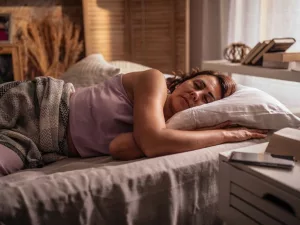
- Resist scratching: Scratching can worsen irritation and damage skin. Apply a cool compress to reduce itch, keep nails short, and consider wearing gloves at night to prevent unconscious scratching while asleep.
Practical skin-care tips for menopause
Additional steps to support skin health during menopause include:
- Prioritize adequate sleep and rest.
- Manage stress.
- Use sunscreen every day.
- Avoid tanning beds.
- Limit smoking and alcohol, which can dry the skin.
- Exercise regularly to support hormone regulation.
Other causes of itchy skin
Menopause isn’t the only possible reason for itchy skin. Other triggers to consider are:
- allergic reactions
- cold weather
- insect bites
- smoking
- hot baths or showers
- harsh soaps
- alcohol or drug consumption
- anxiety
Medical conditions that may also produce itch include:
- skin cancer
- candida skin infections
- herpes
- eczema
- psoriasis
Frequently asked questions
Which antihistamine works best for menopause-related itching?
Antihistamines can be useful when itching is allergy-driven and associated with raised histamine levels. Histamine may contribute to menopausal itch, but its precise role isn’t fully defined.
There’s limited research on antihistamines specifically for menopause itch. Sedating antihistamines such as hydroxyzine have shown effectiveness for chronic pruritus in general and require a prescription from a doctor (source).
Can supplements help with itchiness during menopause?
Certain herbal supplements, like genistein, act as phytoestrogens and might temporarily mimic estrogen activity. While some studies link phytoestrogens to reduced itching in other groups, evidence specifically for menopausal itch is limited.
Other botanicals, such as maca root, are sometimes claimed to support natural hormone balance.
Always discuss herbal supplements with your healthcare provider before starting them.
When will menopause-related itching resolve?
Itching caused by hormonal changes may continue into postmenopause, but symptoms generally improve over time.
Summary
Itchy skin can be a symptom of menopause. A variety of home remedies and medical treatments are available to ease discomfort, and lifestyle adjustments may help lower the risk or intensity of itching.
If you’re experiencing itchy skin during menopause, symptoms often diminish after you pass through the menopausal transition. For persistent or severe cases, consult a healthcare professional to explore treatment options, and consider resources on related issues such as menopause nausea as part of broader symptom management.














Leave a Reply
You must be logged in to post a comment.