
What is it?
Piquerism refers to an attraction to piercing, stabbing, or otherwise penetrating the skin with sharp implements — such as knives, pins, or nails. It is most often sexual in origin.
In milder instances, simply pricking the buttocks or genital area with a pin can be sufficient to produce sexual arousal.
Other expressions of this interest can be far more extreme. Serious wounds — and even death — can occur if adequate precautions aren’t observed.
What objects are typically used?
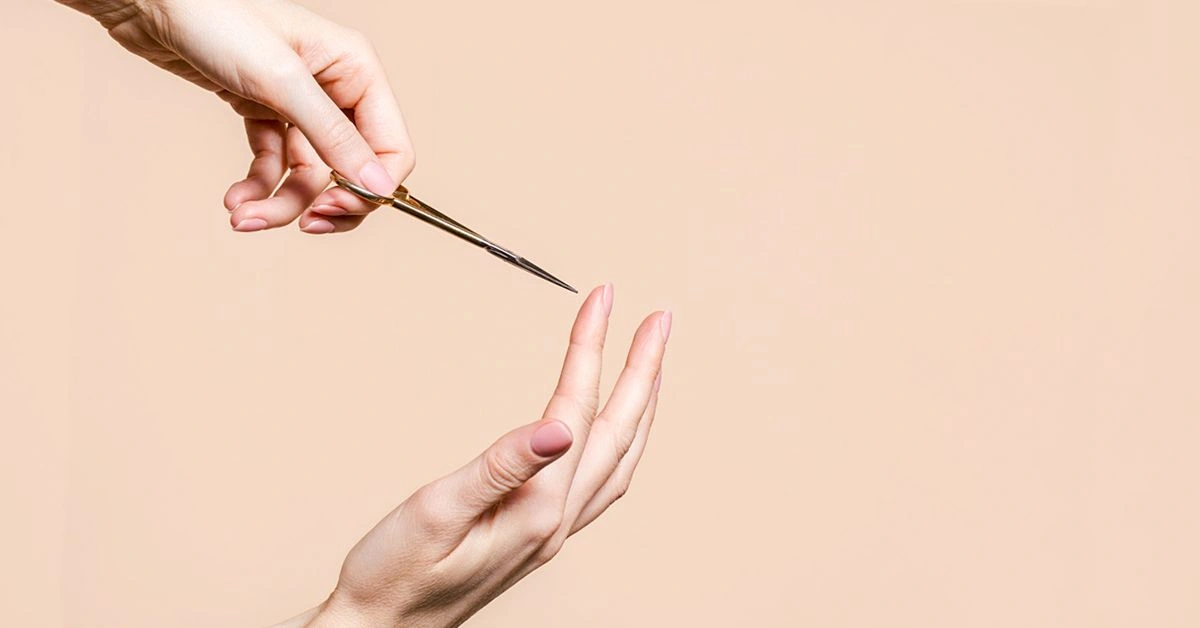
Any sharp instrument can be employed. Pins, nails, razors, knives, scissors, and even pens can break the skin.
Some people with this preference favor particular tools. They may be drawn to a specific knife or restrict themselves to very thin, disposable needles.
What areas of the body are usually targeted?
Since piquerism is regarded as a sexual proclivity, targets are often body parts associated with sexuality. Common sites include the breasts, buttocks, and groin.
For some individuals, though, the precise location matters less than the act of piercing skin itself.
Is it always done to another person, or can it also be done to oneself?
Typically, piquerism is pleasurable when enacted on another person. This may stem from the resemblance of stabbing or piercing someone else to sexual penetration.
A minority of people derive pleasure from piercing themselves during sexual activity or foreplay.
That said, this practice is distinct from cutting and should not be conflated with self-harm.
Is it always a paraphilia (sexual)?
Yes—piquerism is classified as a paraphilia, meaning an atypical sexual interest.
It can also be viewed as a variant of sadism. Some participants in BDSM circles incorporate piquerism into their sexual activities.
Where does the desire stem from?
Why some people develop piquerism is unclear.
It’s unknown whether it evolves from other kinks or fetishes or whether it emerges independently.
In fact, there is no focused research examining this sexual preference to explain its origins.
Is this considered a form of BDSM?
Yes—piquerism is generally placed under the BDSM umbrella as a form of “edgeplay.”
Within many BDSM dynamics, partners agree to keep play safe and consensual, avoiding unnecessary escalation into danger.
However, fetishes such as piquerism carry intrinsic hazards. Truly “safe” piquerism is not achievable because of the risks involved.
If all participants understand and accept the dangers, they may modify their agreement accordingly.
Under such terms, edgeplay encompasses activities that involve heightened risk.
Is it common?
Piquerism is a very niche interest. It may appear more frequently within BDSM communities because of overlaps with sadism and edgeplay.
However, research on this kink is scarce, so precise prevalence is unknown.
Additionally, people often avoid disclosing behaviors viewed as “abnormal” or “unusual,” limiting self-reported data.
Is it safe?
Piquerism is not inherently safe. Any breach of the skin allows bacteria to enter, potentially causing infection and related complications.
There is also the danger of puncturing blood vessels or arteries, which can lead to significant blood loss and pose life-threatening risks.
That said, some measures can reduce certain risks.
While precautions cannot eliminate all danger, specific steps can lessen some of the more severe hazards.
What precautions can you take?
You can lower the chance of infection and other problems by following these recommendations:
- Obtain informed consent. Everyone should be aware of potential dangers and discuss boundaries prior to engaging in this type of activity.
- Sterilize all implements. Any tools intended to cut or pierce skin should be sterilized. Boiling or steaming instruments is an option. While disinfecting with salt water and bleach can be used, true sterilization is preferable.
- Choose the skin area carefully. Piercing the wrong spot or penetrating too deeply can damage major arteries or vessels and become life-threatening. Select areas with fewer major blood vessels, such as the breasts and buttocks.
- Clean and care for wounds. After play, wash pierced areas with antibacterial soap and warm water, dry thoroughly, apply an antibiotic ointment, cover with a bandage, and repeat daily until healed.
What can happen if proper precautions aren’t taken?
Any time the skin is opened, bacteria can enter and an infection may develop, potentially requiring medical treatment including antibiotics.
Similarly, stabbing or piercing skin can sever blood vessels or arteries, causing blood loss that could be severe or even fatal.
Has there been any research on it?
Although suspected instances of piquerism have been recorded throughout history, formal research is lacking. Clinical data and case reports are virtually absent.
This scarcity of study makes it difficult to explain why some people have this fetish or to formulate standardized safety guidelines.
How has it been depicted historically?
One of the most cited historical examples linked to piquerism involves London’s late-19th-century killer Jack the Ripper.
In 1888, this unidentified murderer killed five women and mutilated their bodies, frequently stabbing or cutting them.
In a 2005 study of the Jack the Ripper killings, an analyst suggested that “the injuries sustained by the victims displayed the signature characteristic of [piquerism].”
In the 20th century, Russian serial killer Andrei Chikatilo was known to stab and cut his victims prior to killing them.
The piercing acts may have provided him with sexual gratification. He ultimately murdered more than 50 people.
Has it been seen in recent news?
In June 2007, 25-year-old Frank Ranieri was charged with second-degree assault as a sexually motivated offense for piercing three underage girls in the buttocks with sharp instruments.
In 2011, the so-called “Serial Butt Slasher” alarmed shoppers in Virginia by stabbing nine women with sharp razors on their buttocks. He was later sentenced to seven years behind bars.
Has it been seen in pop culture?
Television police procedurals often draw on sensational headlines, which can make rare fetishes seem more prevalent than they are.
In 2001, Law & Order: Special Victims Unit portrayed piquerism in an episode titled “Pique.”
In that episode, an FBI psychiatrist assisting investigators concludes that a killer who sexually stabbed a victim has a history of sexual assault.
In the show, the psychiatrist states, “He suffers from piquerism, counselor. The knife represents his penis. It is not disposable.”
Where can you learn more?
You may find additional information and meet others with similar interests by reaching out to your local BDSM community.
Check whether nearby adult shops host workshops or meetups.
You can also explore online resources such as Fetish.com and Fetlife.com.




















Leave a Reply
You must be logged in to post a comment.