

Key takeaways
- Berberine, a natural compound derived from several plants, has shown promise in helping regulate blood sugar levels, making it a potential supportive option for individuals with type 2 diabetes.
- Research indicates that berberine may assist with weight management by decreasing body fat and slowing the development of fat cells; however, additional high-quality studies are required to fully validate these findings.
- Berberine may support cardiovascular health by lowering cholesterol and triglyceride levels, potentially reducing the overall risk of heart disease.
Berberine is a dietary supplement that has been linked to a wide range of possible health advantages.
Notably, evidence suggests it may reduce blood sugar levels, enhance weight loss efforts, and promote better heart health.
It has also been studied for its potential role in addressing conditions such as depression and nonalcoholic fatty liver disease (NAFLD).
This comprehensive guide explores berberine in detail, including how it functions in the body, its potential benefits, and important considerations for safe use.

What is berberine?
Berberine is a bioactive compound extracted from several plant species, particularly shrubs belonging to the Berberis family (1).
From a chemical standpoint, it is classified as an alkaloid. It has a distinctive yellow color and has historically been used as a natural dye.
Berberine has been utilized for centuries in traditional Chinese medicine to manage a variety of health conditions (1).
Today, modern scientific research suggests that it may offer meaningful benefits for several chronic health concerns (2).
SummaryBerberine is a plant-derived compound with a long-standing history in traditional Chinese medicine.
How does it work?
Berberine has been evaluated in hundreds of scientific investigations.
One of its primary mechanisms involves activating an enzyme within cells known as AMP-activated protein kinase (AMPK), as demonstrated in certain animal studies (3, 4).
AMPK is essential for regulating metabolism and maintaining cellular energy balance, and it is present in cells throughout the body (5, 6).
In addition, berberine influences various other cellular pathways and may even affect gene expression—essentially turning certain genes on or off. These actions could contribute to protection against several chronic diseases (7).
SummaryBerberine performs multiple functions at the cellular level, including activation of AMPK, a critical enzyme involved in metabolic regulation.
It lowers blood sugar levels
A substantial body of research indicates that berberine can significantly reduce blood sugar levels in people with type 2 diabetes (8).
It appears to operate through several pathways and may (9, 10):
- reduce insulin resistance, enhancing the effectiveness of insulin
- stimulate glycolysis, allowing cells to break down sugars more efficiently
- lower glucose production in the liver
- slow carbohydrate digestion in the gut
- increase beneficial gut bacteria
In a 2008 study involving 116 individuals with diabetes, supplementation with 1 gram of berberine daily reduced fasting blood sugar by 20% (11).
It also decreased hemoglobin A1c (HbA1c), an indicator of long-term blood sugar control, by 12% and improved blood lipid levels, including cholesterol and triglycerides (11).
An older review of 14 studies found that berberine may be comparable in effectiveness to certain oral diabetes medications such as metformin, glipizide, and rosiglitazone (12).
It appears particularly effective when combined with lifestyle modifications like balanced nutrition and regular physical activity and may provide additive benefits alongside other blood sugar-lowering drugs (13).
SummaryBerberine has been shown to lower blood sugar and HbA1c levels and may perform similarly to some diabetes medications.
Berberine may help you lose weight
Berberine has also gained attention as a potential weight loss supplement. Many people specifically wonder, How long does it take for berberine to work for weight loss? While results vary, research provides some helpful insight.
In one older 12-week study involving individuals with obesity, taking 500 milligrams (mg) of berberine three times daily led to an average weight loss of about 5 pounds. Participants also experienced a 3.6% reduction in body fat (14).
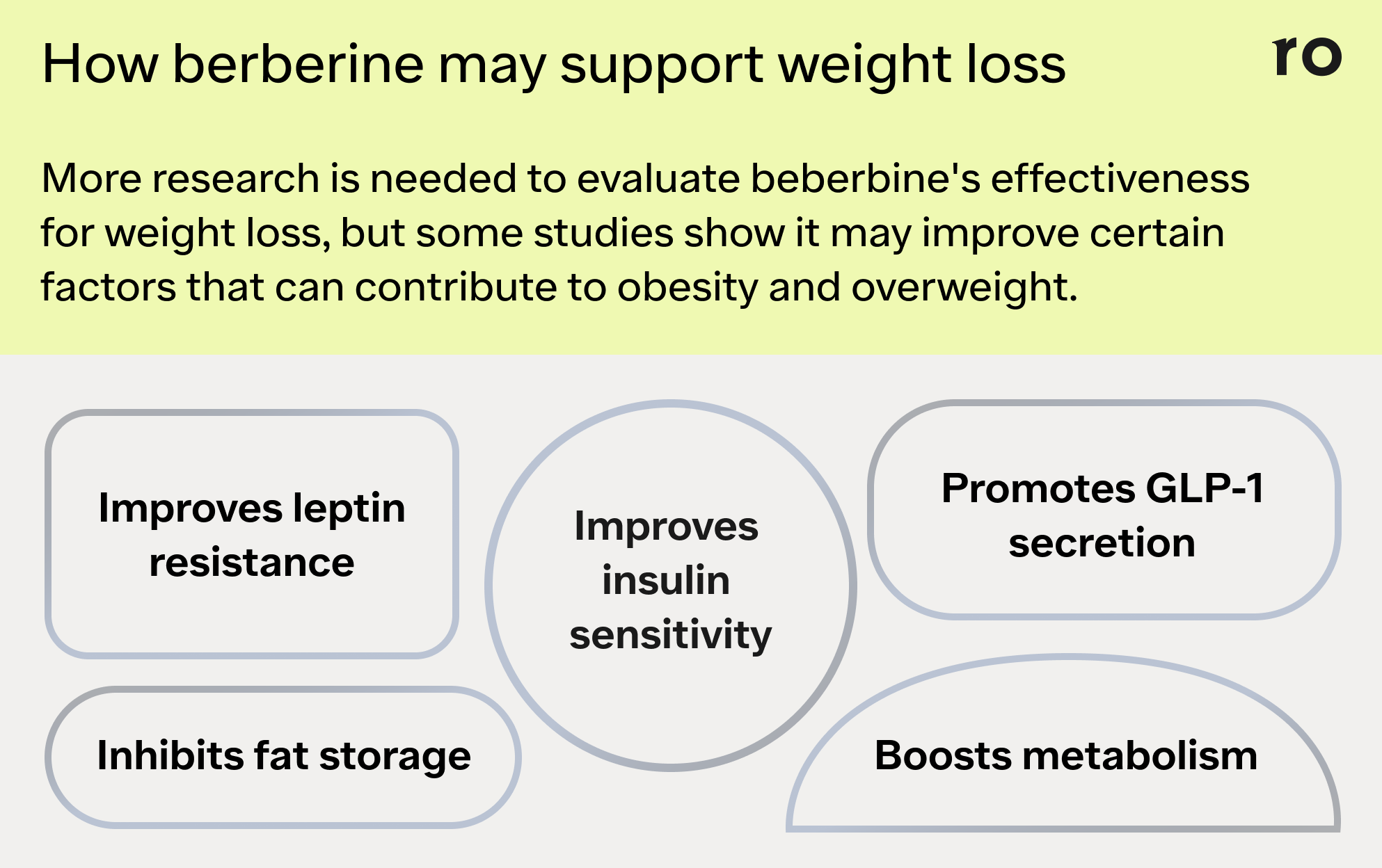
A review of 12 studies further reported that berberine supplementation resulted in meaningful reductions in body weight, body mass index, and abdominal fat. It also lowered C-reactive protein, a marker associated with inflammation (15).
At the molecular level, berberine appears to inhibit the formation of new fat cells, which may partly explain its role in weight management (16).
For those asking, How long does it take for berberine to work for weight loss, most clinical studies suggest noticeable changes may occur within 8 to 12 weeks when combined with healthy dietary patterns and consistent exercise. Sustainable fat loss typically depends on multiple factors, including calorie intake, metabolic health, sleep quality, and insulin sensitivity.
Some individuals also explore timing strategies, such as whether supplementation before sleep may influence outcomes. If you are considering different timing approaches, you may want to read more about Can I take berberine before bed for weight loss to better understand how dosing schedules might affect results.
Although current findings are encouraging, more large-scale, long-term studies are necessary to determine the full extent of berberine’s weight loss effects and to clarify exactly how long it takes for berberine to work for weight loss across different populations.
SummaryResearch suggests berberine may support weight loss and reduce body fat, though further studies are needed to confirm long-term effectiveness.
It lowers cholesterol and may reduce your risk of heart disease
Heart disease remains the leading cause of death worldwide (17).
Several measurable blood markers are associated with an elevated risk of cardiovascular disease.
Evidence indicates that berberine may positively influence many of these risk factors.
A review of 16 studies found that it may (18):
- reduce total cholesterol
- lower LDL (bad) cholesterol
- decrease blood triglycerides
- raise HDL (good) cholesterol
Some older studies also demonstrated a 13–15% reduction in apolipoprotein B, a key marker linked to heart disease risk (19, 20).
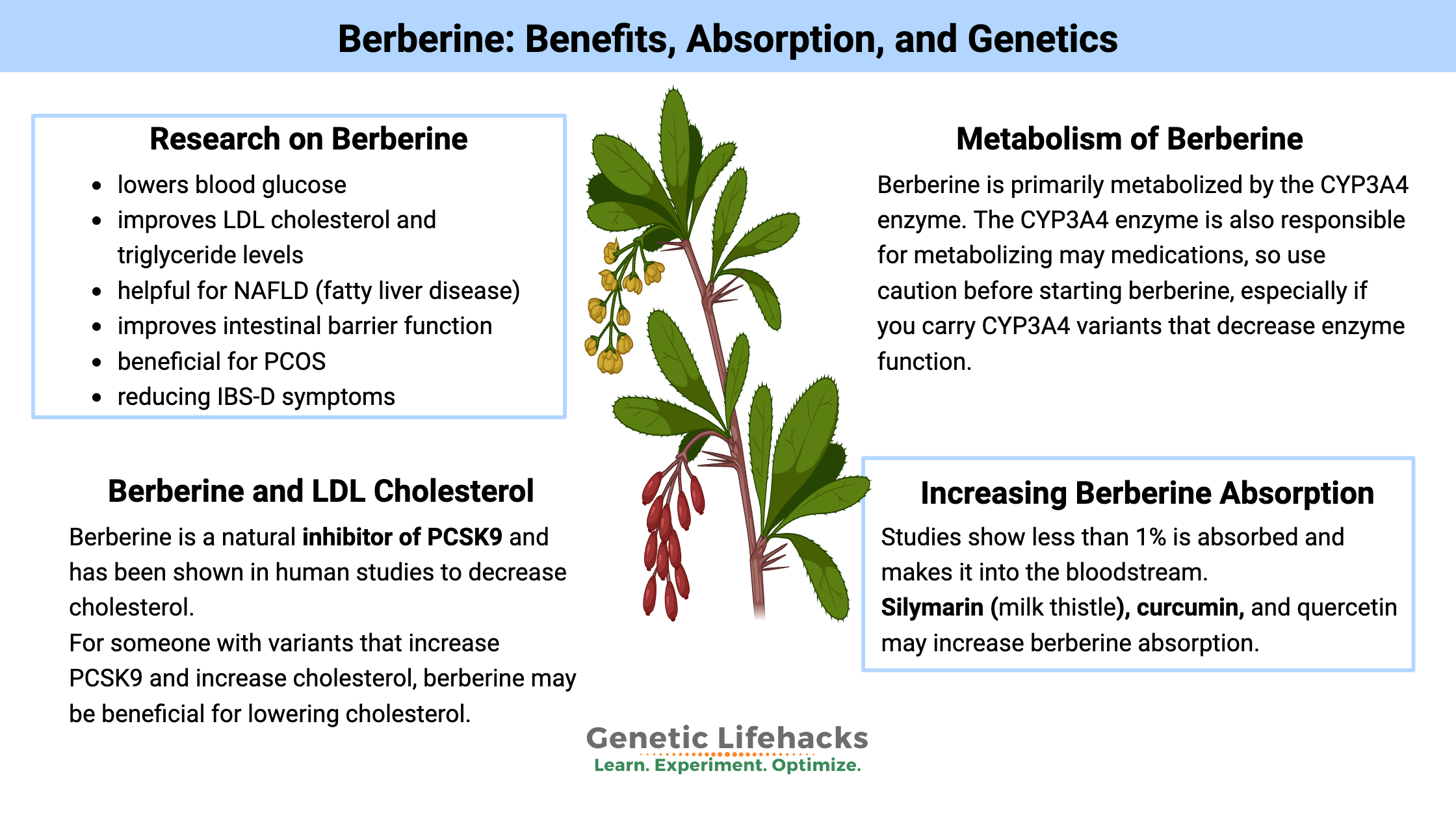
Research suggests that berberine may act by inhibiting PCSK9, an enzyme involved in cholesterol regulation. This action can increase the removal of LDL cholesterol from the bloodstream (21).
Since diabetes, obesity, and elevated blood sugar levels are significant contributors to heart disease risk, and berberine appears to improve these conditions (7), it may offer broad cardiovascular benefits.
Although the overall data are promising, more rigorous research is needed before definitive conclusions can be drawn about long-term heart disease prevention.
SummaryBerberine may lower cholesterol and triglycerides while increasing HDL (good) cholesterol. More studies are needed, but it may help reduce heart disease risk over time.
Other health benefits
Berberine may provide additional health advantages:
- Depression: Animal research indicates it may alleviate symptoms associated with depression (22, 23).
- Cancer: Test-tube and animal studies suggest it may inhibit the growth and spread of various cancer types (24).
- Oxidative stress and inflammation: It has demonstrated strong antioxidant and anti-inflammatory properties in test-tube and animal studies (25, 26, 27).
- Infections: Test-tube evidence indicates it may suppress the growth of harmful bacteria, viruses, and fungi (28, 29, 30).
- Fatty liver: It may decrease fat accumulation in the liver, potentially offering protection against NAFLD (31).
- Heart failure: One older study reported improved symptoms and a reduced risk of death among people with heart failure (32).
While these early findings are encouraging, further human studies are required before firm clinical recommendations can be established.
SummaryPreliminary evidence suggests berberine may benefit depression, cancer, infections, fatty liver, and heart failure, along with providing antioxidant and anti-inflammatory effects.
Dosage and side effects
Many studies referenced in this article used dosages ranging from 500–1,500 mg per day.
A commonly recommended regimen is 500 mg taken three times daily before meals, totaling 1,500 mg per day.
Berberine can interact with certain medications and should not be taken with cyclosporine (33).
If you have an underlying medical condition or are currently using prescription medications—especially blood sugar-lowering drugs—consult a healthcare professional before starting berberine.
Overall, berberine has a strong safety profile. The most commonly reported side effects are digestive in nature, including diarrhea, constipation, and bloating (34).
SummaryA typical dosage is 500 mg three times daily before meals. Some individuals may experience mild digestive side effects.
The bottom line
Berberine is a plant-derived compound associated with multiple potential benefits, including improved blood sugar control, enhanced weight loss, and better cardiovascular health.
If you are considering supplementation—particularly if you are wondering how long it takes for berberine to work for weight loss—remember that results are usually gradual and most evident when paired with healthy lifestyle changes.
Always speak with a qualified healthcare professional before incorporating berberine into your routine, and use it strictly according to recommended guidelines.






















Leave a Reply
You must be logged in to post a comment.