
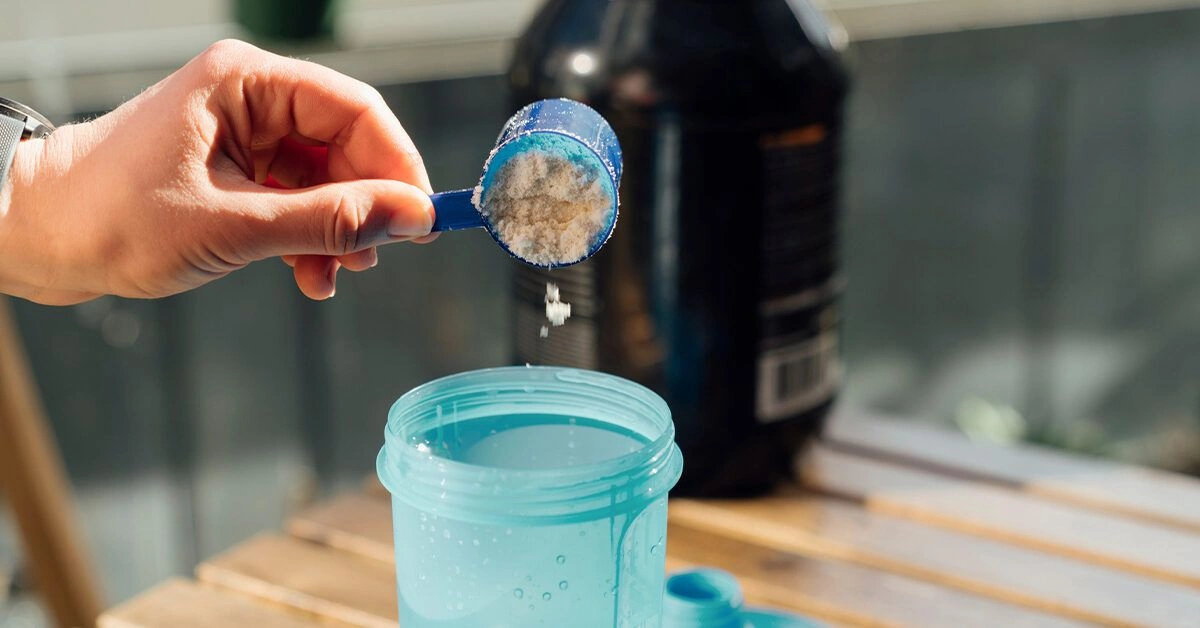
During a creatine loading phase, you consume elevated amounts of creatine for about 5 to 7 days before switching to lower maintenance doses. This strategy may be the fastest route to experiencing creatine’s benefits.
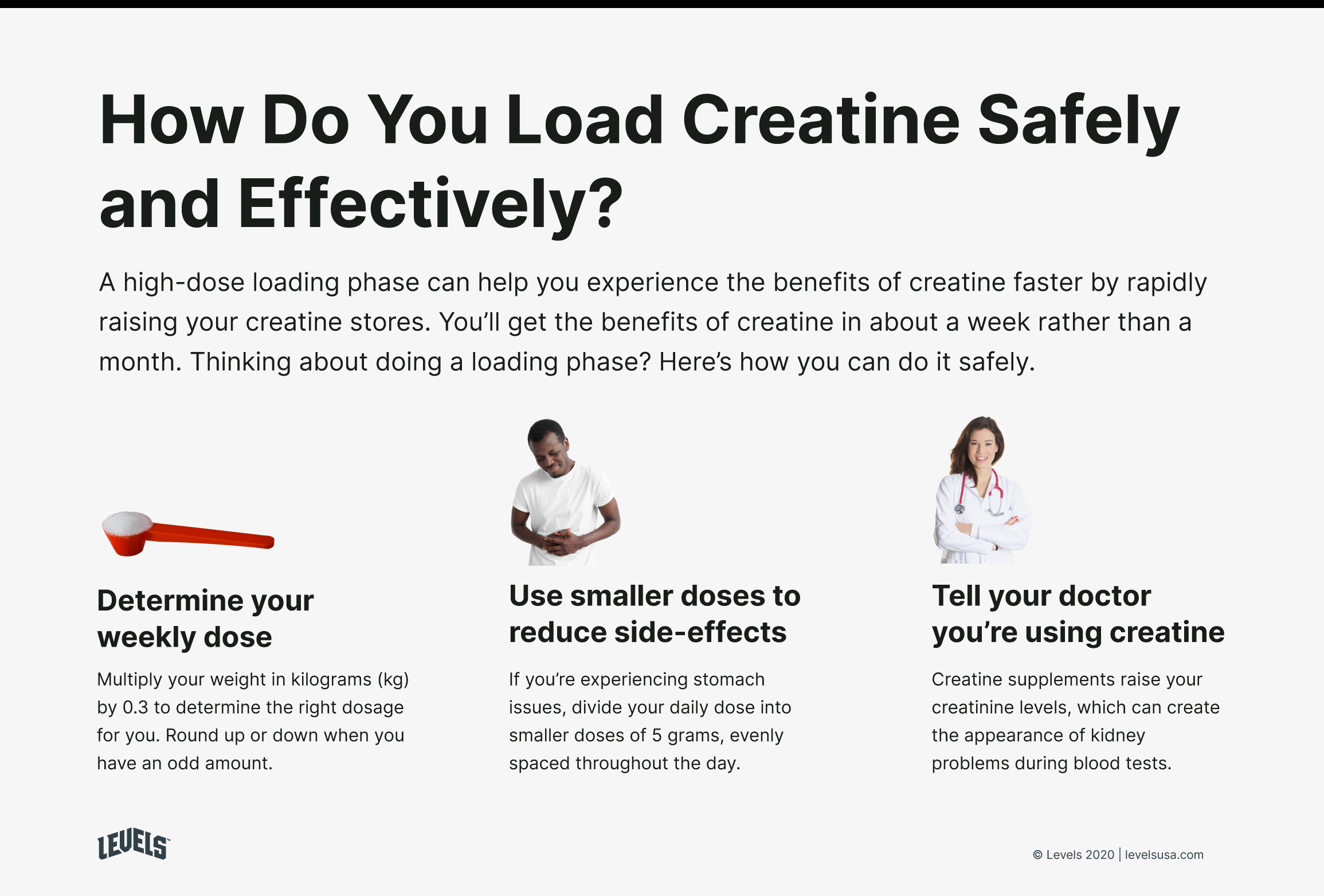
Creatine is a molecule stored primarily in skeletal muscle. Your body produces some creatine on its own, and dietary sources such as meat and fish also provide it.
On a typical omnivorous diet, you obtain roughly 1 to 2 grams (g) of creatine daily, yet muscle creatine stores often remain only about 60% to 80% full.
Supplementing with creatine can help saturate those muscle stores.
Many coaches recommend beginning supplementation with a creatine “loading phase.” During this period, you take a relatively high amount of creatine over a short timeframe to rapidly fill muscle creatine stores.
A typical protocol is 20 to 25 g of creatine daily for 5 to 7 days, usually split into four or five 5-g servings spaced throughout the day.
Following the loading phase, a daily maintenance dose of about 3 to 5 g can preserve elevated creatine levels.
Keep reading to learn more about the advantages and possible adverse effects of a creatine loading regimen.
Research on creatine loading
Some studies indicate that creatine loading can elevate muscle creatine content by approximately 20% to 40%.
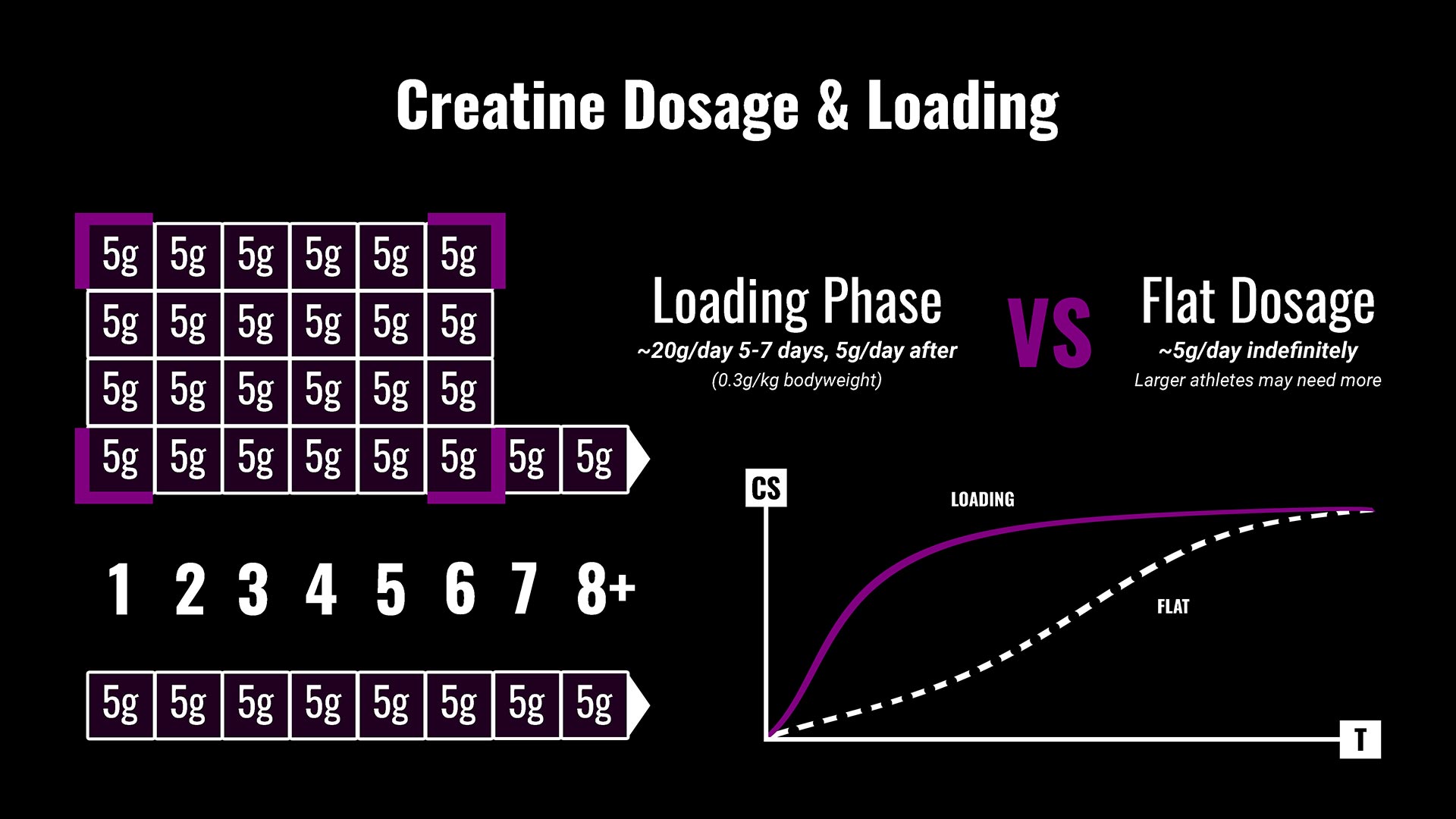
That said, other research shows that lower daily doses of creatine taken once per day can also eventually maximize muscle stores, although saturation may occur more slowly.
A 1996 study in men demonstrated that muscles could reach full saturation after taking 3 g of creatine daily for 28 days.
Likewise, a 2022 trial in males reported that 3 g of creatine daily for 28 days increased muscle creatine compared with participants who did not supplement.
This slower approach may require about three extra weeks to fully top up muscle stores compared with a loading protocol, so benefits may appear later.
Can females follow a creatine loading protocol?
There are fewer trials specifically focused on people assigned female at birth.
However, a large 2021 review concluded that creatine supplementation can offer multiple advantages for females, whether they use a loading scheme or a gradual dosing method.
In a 6-week study involving male and female college students, some participants consumed a performance product containing 4 g of creatine plus varying electrolytes, while others received a placebo.
Researchers noted they did not perform a loading phase because lower maintenance dosing of the supplement would yield comparable outcomes.
Ultimately, those who took the performance product improved their back squat and bench press strength even without an initial loading phase.
Benefits of creatine loading
A loading phase is often the quickest way to capitalize on creatine’s effects. Some advantages of maximizing muscle creatine include:
- Muscle growth: Research consistently links creatine use to meaningful increases in muscle mass when combined with resistance training.
- Greater strength: Strength and power often rise after creatine loading.
- Enhanced performance: High-intensity exercise performance may improve following loading.
- Fewer injuries: Several studies report that athletes using creatine experience less muscle tightness and fewer sport-related injuries (such as strains) compared with non-users.
Creatine side effects
Numerous studies show creatine is safe for both short- and long-term use.
The International Society of Sports Nutrition (ISSN) indicates that up to 30 g per day for several years appears safe and is generally well tolerated in healthy people.
Though uncommon, some individuals report gastrointestinal complaints such as nausea, vomiting, and diarrhea. Creatine can also lead to temporary weight gain and bloating due to increased water retention within muscles.
Contrary to popular belief, current evidence does not support an increased risk of dehydration, cramps, or heat-related illness from creatine use.
Because the kidneys process creatine, supplementation could worsen kidney function in people with existing renal disease.
Consult a healthcare professional before starting supplements if you have an underlying medical condition or are pregnant or breastfeeding.
Read more about what studies say regarding creatine’s safety and side effects.
How to perform a creatine loading phase
Creatine supplements are widely sold in stores and online, with creatine monohydrate being the most researched form.

Evidence suggests that taking 5 g of creatine monohydrate four or five times a day for 5 to 7 days is an effective way to raise muscle creatine concentrations.
Recommended doses can vary by body weight. The ISSN suggests calculating a loading dose by multiplying your weight in kilograms (kg) by 0.3.
For instance, someone weighing 80 kg (176 pounds) would take about 24 g per day during the loading period (80 x 0.3).
After about 7 days, a maintenance intake of 3 to 5 g daily will help sustain elevated muscle creatine.
If you discontinue creatine, muscle stores will gradually return to pre-supplementation levels.
Frequently asked questions
Can I take 20 g of creatine at once?
Generally, taking 20 g of creatine in one sitting is acceptable. Still, research typically recommends dividing the total daily amount into four or five smaller doses to optimize uptake and tolerance.
Is creatine loading required?
Loading speeds up the process, but it isn’t necessary to gain creatine’s benefits; a lower daily dose over several weeks can achieve similar results.
Is 10 g of creatine sufficient for loading?
Ten grams exceeds the common 3 to 5 g maintenance dose, but most loading protocols call for 20 to 25 g per day for 5 to 7 days.
How should I load creatine correctly?
Research supports taking 20 to 25 g of creatine monohydrate daily for 5 to 7 days, usually split into 5-g servings. After loading, maintain levels with 3 to 5 g per day.
Takeaway
You can fully saturate muscle creatine gradually over several weeks without a loading phase.
However, the quickest method is a weeklong loading period followed by lower daily maintenance doses to keep levels high.
Benefits include greater muscle mass and strength, improved high-intensity performance, and a lower incidence of some sports injuries.
If you’re unsure whether creatine is appropriate for you, consult a healthcare professional to determine the ideal dosing strategy.






















Leave a Reply
You must be logged in to post a comment.